
Aquarium Cleaning Supplies price list
Last updated Sunday, 27 Sept 2026





View 16 Offers





Loading...
Last updated Sunday, 27 Sept 2026
A sparkling tank isn’t just for looks—it’s a life-support system for your fish. Clean water helps fish breathe easier, keeps stress down, and makes your aquascape pop like a living painting. Skip maintenance and you’ll see cloudy water, stubborn algae, and filters choking on gunk. Keep up with it and the whole ecosystem stays balanced. Want the simple truth? The right aquarium cleaning supplies make the job faster, safer, and way less messy. And if you’re in the UK hunting for popular offers or scanning a price list, knowing what to buy (and why) is half the battle.
Let’s build your must-have kit. Whether you’re running a tiny betta bowl or a full-on reef, the core tools don’t really change—you just size them to your tank. Focus on gear that tackles waste in the substrate, algae on the glass, crud in the filter, and water changes without spills. Shopping with a comparison mindset helps too; check price lists, watch popular deals, and pick the bundle that fits your routine. Here’s what should be in your basket before the weekend water change rolls around.
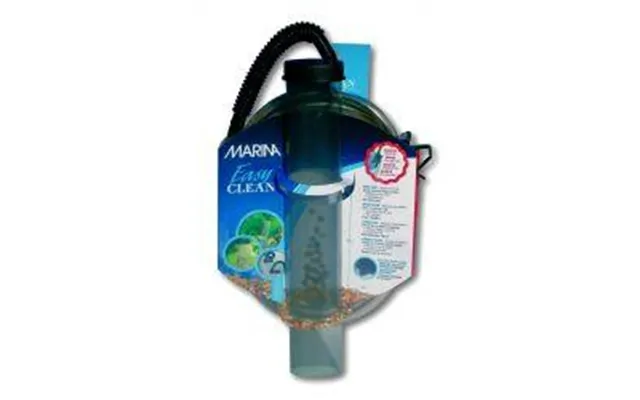
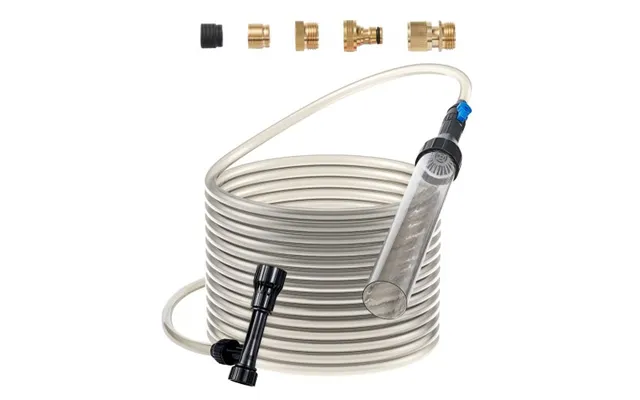
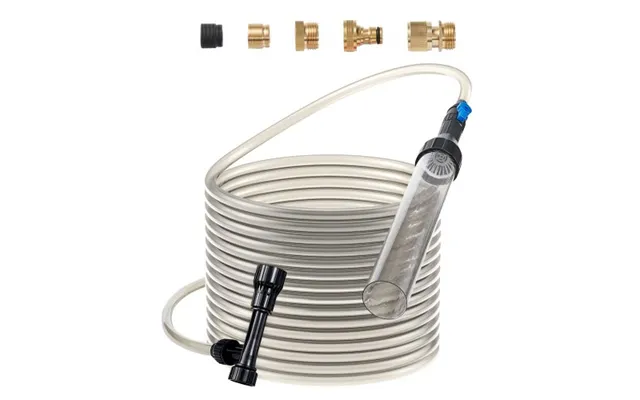
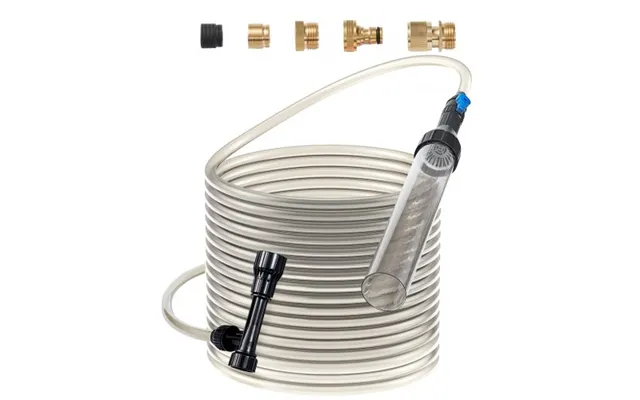
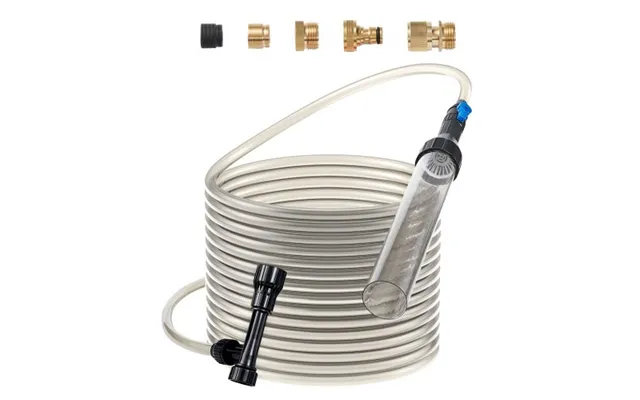
If you buy just one tool, make it a gravel vacuum. It pulls out fish waste and leftover food from between pebbles while you drain water—two jobs in one. Choose a nozzle sized to your tank: narrow for nano tanks under 10 gallons, broader for large tanks over 55 gallons. Look for siphons with flow control and priming bulbs, so you don’t have to start the siphon by mouth. Add a 6 to 10 foot hose to keep buckets on the floor, and you’ll make every water change faster and cleaner.
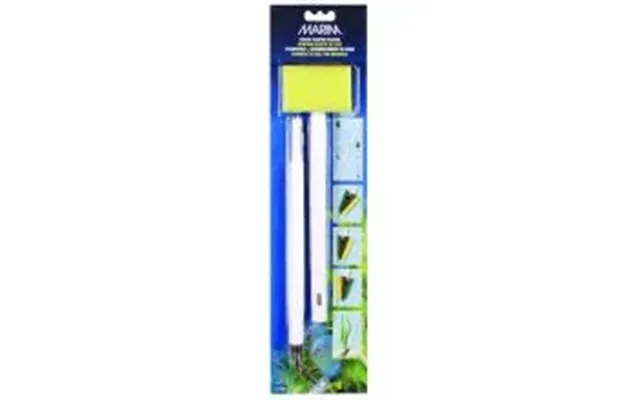
Algae never stops, so your scraper shouldn’t either. For glass tanks, stainless blades slice green film in seconds. For acrylic, stick to plastic blades to avoid scratches. Magnetic cleaners are a game changer—wipe the inside glass without getting your hands wet. Choose magnet strength by glass thickness and size; too weak and it won’t clean, too strong and it’s hard to steer. Pro tip: keep a separate algae pad for inside glass only so you never drag sand across the pane.
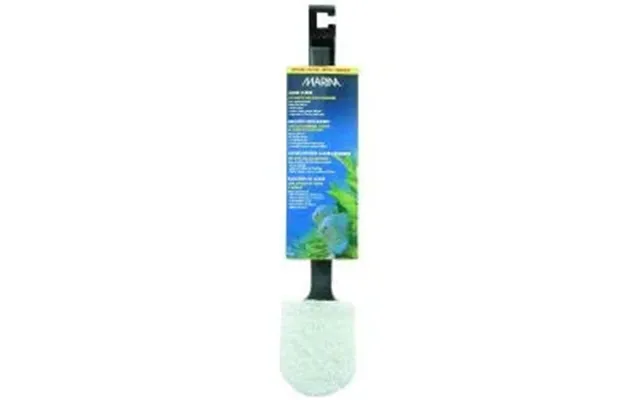
Filters trap gunk, and cleaning them keeps flow steady. A small brush kit lets you scrub impellers, intake tubes, and the motor cavity. Swap out mechanical media like pads when they clog, rinse sponges in tank water to protect good bacteria, and refresh chemical media like carbon on schedule. If your hang-on-back or canister filter slows down, it’s usually a dirty impeller or clogged intake—brushes pay for themselves the first time you fix it in five minutes.
Dedicate a couple of 5 gallon buckets to aquarium use only—no soap, no household chemicals, ever. Food-safe buckets with lids keep splashes in check. A long, clear tube makes aiming the siphon easy, and a hose clip holds the line to the bucket while you work. If you’re in a tight space, look for compact siphons with shorter tubes and on/off valves. Small details like these save your floors, your cables, and your patience.
Once you’ve nailed the basics, a few specialty tools can cut down on maintenance and improve water quality. What you choose depends on your setup—heavily planted aquascapes, high-stock freshwater tanks, and marine reefs each benefit from different gear. If you’re scanning a UK price list or chasing popular offers, check specs first and match the device to your tank size. Oversizing is often safer than underpowering, especially in saltwater where organics stack up fast.
For marine tanks, a protein skimmer is your best friend. It removes dissolved organics before they break down, keeping water clear and reducing that “ocean funk.” Hang-on skimmers are great for smaller systems, while in-sump models offer quiet power for larger tanks. Look for easy cup removal and micro-bubble control. While freshwater tanks don’t use skimmers, if you run brackish or heavily fed reef systems, a well-matched skimmer can cut your maintenance time dramatically.
UV sterilizers pass water under ultraviolet light to neutralize free-floating algae and certain pathogens. The result? Clearer water and fewer green blooms. Inline models are tidy; hang-on versions are plug-and-play. Size them to your total gallons and flow rate. Think of UV as a clarity booster, not a cure-all. You still need good filter maintenance and regular water changes to keep the balance right.
Plant lovers, this is your lane. Long aquascaping tweezers let you replant stems, place root tabs, and tidy moss without clouding the tank. Trim with curved or straight scissors to keep growth controlled and debris minimal. The cleaner your planting work, the less detritus ends up in your filter. Bonus: tools keep your hands out of the water, which is healthier for you and your fish.
You don’t need harsh chemicals to keep an aquarium clean—in fact, most will harm fish and invertebrates. Stick with fish-safe conditioners and simple solutions that break down quickly. When in doubt, rinse with clean water and air-dry. Always read labels and match the product to your livestock. Reef tanks, shrimp tanks, and delicate species demand extra caution, especially with any cleaner that claims to “kill” algae or bacteria.
Tap water in the UK typically contains chlorine or chloramine, and either can harm fish. A good water conditioner neutralizes both and often detoxifies heavy metals. Dose for the full volume of new water you’re adding during a change. If you’re refilling with a hose or using multiple buckets, pre-dose to simplify steps. Choose a conditioner that doesn’t mess with pH, and keep a spare bottle on hand—you never want to run out mid-change.
White vinegar is excellent for removing hard water spots on glass lids, pumps, and exterior surfaces. Use it sparingly and rinse well with clean water before putting equipment back in the tank. For stubborn algae on decor outside the tank, a diluted hydrogen peroxide bath can help; rinse thoroughly and allow items to air-dry completely. Never pour peroxide or vinegar directly into a stocked aquarium, and never mix them. Keep it simple: if it touches the tank interior, rinse until it’s squeaky clean.
It’s tempting to grab the dish soap, but resist. Even tiny soap residues can wipe out fish and invertebrates. The same goes for glass cleaners and antibacterial sprays. For exterior glass, use a microfiber cloth dampened with clean water, or a dedicated aquarium-safe spray used lightly on the outside only. Keep any scented or chemical-heavy cleaners far from open tanks to avoid airborne contamination.
Consistency beats intensity. A light touch every week keeps everything humming so you never face a weekend of panic cleaning. Your routine should remove waste, refresh water, and keep equipment running smoothly without nuking beneficial bacteria. Think of it like tidying a room: a quick reset beats a chaotic deep clean every time. Here’s a simple, repeatable plan you can complete in under an hour for most tanks.
Unplug heaters, filters, and pumps before you start. Lay towels on the floor, roll up sleeves, and have your siphon, buckets, scraper, and conditioner ready. Wash hands with water only—no soap—and rinse well. Keep nets, pads, and brushes used for your aquarium separate from any household tools. If your tank has jumpy fish, float a lid partially closed to reduce stress while you work.
Start your siphon and vacuum the top layer of substrate where debris collects. Focus on high-traffic areas under filters and decor. Replace 20% to 30% of the water weekly in a typical community tank, or adjust based on your bioload. Refill with conditioned water at roughly the same temperature to avoid shocking your fish. Slow pours help prevent stirring up the substrate and clouding the tank.
Wipe algae from the front and side panes with a scraper or magnet. If the magnet pops off and picks up sand, rinse it before using again—one grain can scratch glass or acrylic. For removable decor, gently swish in old tank water during the change to loosen debris. Avoid over-scrubbing driftwood or rock; a little biofilm is normal and part of a healthy setup.
Rinse sponges and reusable pads in drained tank water to keep beneficial bacteria alive. Clean impellers and intake tubes with a brush if flow has slowed. Don’t replace all media at once; stagger changes so you don’t crash your biofilter. If your filter is unusually dirty after only a few days, look at feeding amounts and stocking levels—you might be putting in more food than the system can process.
Every aquarist battles the same headaches: cloudy water, green film, stubborn brown dust. The good news? Each has a cause you can fix with the right tools and routine. Pair your aquarium cleaning supplies with smart feeding, solid filtration, and steady water changes. Treat the root cause, not just the symptoms, and your tank will reward you with clear water and calm fish.
New tanks often get a bacterial bloom that clears on its own. In established tanks, cloudiness usually means too much waste or fine particles. Vacuum the substrate thoroughly, rinse mechanical media in tank water, and consider polishing pads for a short run. Avoid overfeeding; fish do fine with smaller meals they finish in a couple of minutes.
Bright green water or fast-growing film? Check lighting intensity and duration—aim for a stable schedule and avoid windows. Clean the glass, reduce feeding, and keep up with weekly water changes. A UV sterilizer helps clear green water quickly, while consistent maintenance keeps it from returning. Live plants also outcompete algae by using excess nutrients.
Brown dust on glass and decor is common in new setups and can appear when silicates are high. Wipe it away with a magnet or soft pad, change water consistently, and clean filter tubes where slime builds up. In saltwater, good skimming helps. Be patient—diatoms usually fade as the system matures and nutrients balance out.
Smart shopping starts with comparing like-for-like. Before you grab the first scraper or siphon you see, check multiple retailers, review a current price list, and scan popular offers. Deal comparison platforms in the UK help you spot discounts on aquarium cleaning supplies fast, with filters for brand, size, and bundle content. Pay attention to warranty details and replacement blade availability—cheap up front isn’t always better if parts are hard to find.
Well-known names often deliver consistent quality across cleaning tools: think reliable gravel vacuums, magnetic algae cleaners with replaceable pads, and filter brush kits that last for years. Big brands may cost a bit more, but they usually offer better ergonomics, stronger magnets, and easier-to-find spare parts. That said, don’t overlook value lines—many generic siphons and pads perform beautifully for everyday maintenance.
Bundles that include a siphon, brush kit, and algae tools can save you money when compared to buying each piece separately. Keep an eye out for multi-pack blade refills, bulk filter pads you can cut to size, and combo deals that pair magnets with scraper attachments. When you spot a great offer, check the tank size rating and materials (glass vs acrylic) to avoid mismatch headaches later.
One size doesn’t fit all in aquariums. Your gear should match your gallons, glass thickness, and how heavily your tank is stocked. If you’re raising messy eaters or fast growers, you’ll lean harder on gravel vacuums and mechanical filtration. Lightly stocked and planted? Gentle maintenance and careful trimming go further than brute-force cleaning. Here’s how to tailor your toolkit.
Use a small siphon with a narrow intake to prevent sucking up substrate. A slim magnetic cleaner keeps viewing panes tidy without displacing decor. Trim tiny plants with short scissors, and keep spare water on hand for quick top-offs. Because small volumes swing fast, prioritize consistent, small water changes and light feeding.
This is the sweet spot for many hobbyists. Go for a medium siphon with a decent hose length, a mid-strength magnet, and full brush kit for the filter. Weekly 20% to 30% changes keep everything stable. If you see recurring debris, add a pre-filter sponge to the intake and rinse it weekly—it’s a dirt magnet in the best way.
Big water volume is forgiving, but you’ll want heavy-duty tools. Choose a wide gravel vacuum for faster coverage, a strong magnet rated for thick glass, and beefy brushes for larger canister lines. Consider a UV sterilizer if you battle green water and, for marine systems, a well-sized skimmer. A water-change pump that moves water from bucket to tank saves your back and speeds up refills.
Using the wrong tool on acrylic is a scratch waiting to happen. Only use plastic blades or acrylic-safe pads on acrylic tanks, and keep magnets sand-free. For glass, stainless blades slice algae in a single pass, and high-strength magnets give you crisp edges without arm strain. When shopping, read the product label carefully—if it doesn’t clearly say acrylic-safe and you have an acrylic tank, skip it.
The cleanest tanks often rely on prevention rather than constant scrubbing. If you tune your lighting, feeding, and filtration, you’ll spend more time watching fish and less time wrestling with hoses. Think of these strategies as “cleanup crew assistants” for your aquarium cleaning supplies—they lighten the load so maintenance becomes a quick habit instead of a chore.
In freshwater, fast-growing stems and floaters guzzle nutrients that algae would love to use. Snails and shrimp can help with film and leftover food, though they’re not a magic fix. In marine tanks, trochus snails and certain hermit crabs graze algae and detritus. Research compatibility first; some fish snack on shrimp or outpace cleanup crews with messy eating.
Dead spots collect waste. Aim your filter output or add a small circulation pump to keep debris suspended so the filter can grab it. Upgrade mechanical media to finer pads if particles slip through, and maintain a clear path through the filter—no bypass. When your flow is right, your gravel vacuum picks up more and your water stays clearer between changes.
Most tanks get overfed. Offer smaller portions and watch fish eat; they should finish in a couple of minutes with little left behind. Rotate foods and avoid powdery flakes that disintegrate into the substrate. If you keep bottom dwellers, target-feed them so they’re not sifting through half-dissolved leftovers.
Electricity and water don’t mix, so unplug gear before you dive in. Keep wet hands away from outlets and dry equipment thoroughly before plugging it back in. Don’t rush—fast movements stress fish. Wash your hands in water only, avoid lotions before maintenance, and air-dry nets and pads between uses to discourage pathogens. If you add any new chemical or tool, try it on a small scale first and observe your fish closely.
Clean tanks are happy tanks, and the right aquarium cleaning supplies make maintenance quicker, safer, and more effective. Build a core kit—gravel vacuum, magnet or scraper, brush set, and dedicated buckets—then add specialty tools like UV sterilizers or skimmers if your setup needs them. Keep routines simple, avoid harsh chemicals, and match tools to your tank size and materials. When you’re ready to buy, compare UK deals, scan a price list, and jump on popular offers that fit your needs. Do that, and your aquarium will look bright, your fish will thrive, and your weekends will stay blissfully stress-free.