

Fish Feeders price list
Last updated Wednesday, 14 Oct 2026
| Fish Feeders | Price |
|---|---|
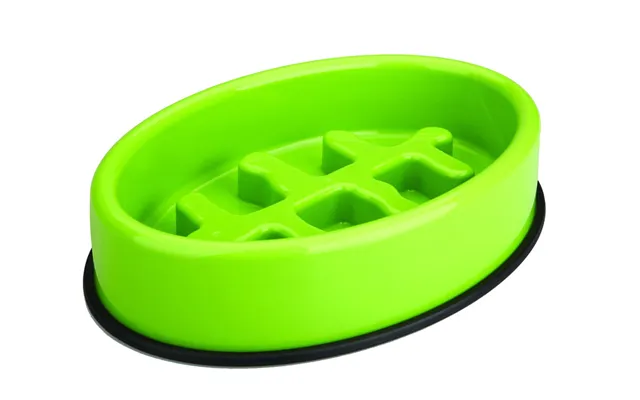
| M-pets Fishbone - Slow Feed Bowl Oval | £7.99 |
| M-pets Fishbone - Slow Feed Bowl Oval | £7.99 |
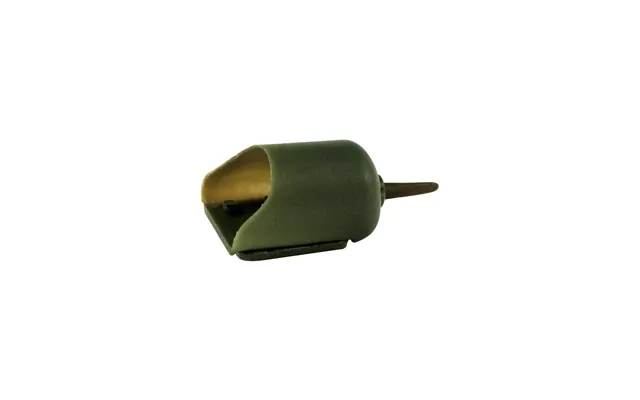
| Fish Food Dispenser Maver | £8.13 |





Loading...
Last updated Wednesday, 14 Oct 2026
| Fish Feeders | Price |
|---|---|
| M-pets Fishbone - Slow Feed Bowl Oval | £7.99 |
| M-pets Fishbone - Slow Feed Bowl Oval | £7.99 |
| Fish Food Dispenser Maver | £8.13 |
If you’ve ever raced home to feed your fish or asked a neighbor to help while you’re away, you know how tricky consistent feeding can be. That’s exactly where a solid fish feeder earns its keep. It delivers reliable, measured meals on schedule—no stress, no guesswork. Whether you keep a cozy 10-gallon community tank, a bustling reef, or a backyard pond, the right feeder keeps your routine smooth and your fish happier. Think of it like cruise control for your aquarium: set it up, dial in portions, and let it handle the daily grind while you focus on enjoying your aquatic world.
Automatic drum feeders are the everyday heroes you’ll spot on most aquariums. A rotating drum dispenses flakes, pellets, or granules through a small opening, timed to your schedule. They’re compact, easy to mount on tank rims or lids, and perfect for daily feeding or short trips. Look for models with fine-tuneable portions and multiple feed times per day. If you keep different species with varying appetites, drum-style feeders help you match feeding frequency without overdoing it.
Portion-drop feeders use a carousel packed with tiny compartments. Each slot opens at a designated time to drop a measured amount of food. They’re great for precision and variety—one compartment can hold pellets, another can carry granules, and so on. If you keep fish that need smaller, frequent meals, this style offers reliable control without the risk of a big “dump” all at once.
Vacation feeders aren’t gadgets so much as slow-release food blocks. Drop one in, and it dissolves gradually to feed fish over days. They’re super simple, but you sacrifice control over exact portions and water quality can take a hit if your tank isn’t robustly filtered. If your fish are sensitive or your aquarium tends to run on the heavy side, consider an automatic feeder instead and keep blocks as a backup plan.
Pond feeders are the big cousins—built to withstand weather and toss pellets across the water’s surface. They usually handle larger pellet sizes and can be set to feed a school of hungry koi or goldfish at set times. If you’ve got a backyard pond, look for durable bodies, covered hoppers to keep rain out, and power options that fit your setup, including battery or solar support.
Capacity matters, but portion control matters more. A huge hopper that dumps too much food is a recipe for murky water and stressed fish. Look for feeders that let you dial portions down to a pinch. For reference, a feeder that holds a few ounces of food can last weeks in a modest setup if portions are tight. Bigger tanks or ravenous eaters may need more capacity, but even then, precision beats volume every time.
Moisture is the arch-nemesis of feeders. Water vapor can sneak into drums, clump flakes, and jam pellets. Seek features like small desiccant ports, vented designs, and smart placement that keeps the feeder away from splashing and condensation. If your lid has a feeding cutout, keep the opening narrow and use a feeding ring to stop flakes from drifting into filter currents where they’ll break down before fish grab them.
Simple digital timers that offer two to six feeds per day work for most aquariums. Want more fine-tuning? Some feeders let you set multiple micro-rotations of the drum in a single feeding window, essentially doubling or tripling the portion without dumping it all at once. That’s incredibly handy when feeding picky species or balancing different diets in a community tank.
Battery-powered feeders are the safe bet, especially when you’re away. They keep ticking during power cuts and don’t need a trailing cable. Many units run for months on common batteries. Plug-in and USB options can work well on desk tanks where a steady power source is easy, but batteries still win for long-term reliability and cleaner setups. For ponds, consider feeders with robust battery compartments or solar assistance.
Small tanks—say, 5 to 15 gallons—demand careful dosing. Bettas, shrimp, and nano fish don’t eat much, and extra food can spike ammonia fast. Choose a feeder that handles tiny portions, supports micro pellets or finely crushed flakes, and can feed once a day or even every other day. A feeding ring helps corral food so it doesn’t vanish into plants or filters before your fish find it.
In a typical 20- to 55-gallon community tank, consistency is king. Schooling fish, bottom dwellers, and shy midwater species all benefit from predictable feeding windows. Automatic drum feeders shine here, especially when you use two smaller feedings instead of one big one. If you keep bottom feeders, add a small second feeding closer to lights-off so they get their fair share.
Hearty eaters require hearty planning. Larger pellets are less likely to powder in the drum and make measuring easier. Consider feeders with stronger motors and bigger openings that won’t jam. Keep an eye on waste—big fish are expressive beggars, and it’s tempting to overfeed. Your biofilter will thank you for restraint, and your fish will stay healthier for it.
Saltwater setups can be fussy about moisture. Place the feeder well away from salt creep and splash zones, and keep the lid tight. Pellets tend to behave better than flakes in humid environments. If you feed specialty foods like nori sheets or frozen fare, use the automatic feeder for dry staples and handle the rest manually. The combo keeps schedules consistent without compromising variety.
Most feeders clamp onto the tank rim or sit on a flat lid using a simple bracket. If your aquarium has a canopy, look for a feeder that includes a telescoping mount or a slim profile that fits through existing feeding ports. On smaller tanks, an adhesive base can work, but clamps are generally more stable, especially over time.
Keep the feeder above a calm water area rather than near the filter outflow. Surface chop can launch flakes away before fish notice. A feeding ring creates a quiet zone and helps pellets drop together. Also, give the feeder a little breathing room so moisture doesn’t creep into the hopper. If you see condensation under the lid, shift the feeder or reduce splashing from airstones nearby.
Before trusting a new feeder, do a few “dry runs” into a cup. Set your schedule, trigger a manual feed, and inspect the amount. Adjust the opening or drum rotation until the portion looks right for your fish. Once dialed in, leave it running while you’re home for a few days to ensure portions are stable and your tank’s filtration keeps up.
Flakes are light, drift well, and tempt picky eaters—but they clump quickly in humid feeders. Pellets are more predictable, flow cleanly through drums, and make portion control easier. If your fish prefer flakes, crush a mix of flakes and tiny pellets together to improve flow while keeping the flavor they love.
Granules, micro pellets, sinking wafers, and algae discs can all work, as long as they fit the feeder opening and don’t crumble into dust. For bottom feeders, schedule a later feed with sinking pellets so they get a fair shot. Freeze-dried options (like bloodworms) can be used in small amounts if they’re kept very dry, but they’re more likely to stick, so test carefully.
Feeders do best with dry, fresh food. Store the bulk of your fish food in a cool, dry cupboard and only fill the hopper with what you’ll use in a couple of weeks. If your feeder supports a desiccant pack, use one. Fresh food tastes better, holds its shape, and keeps your feeder from gumming up.
Heading out from Friday evening to Sunday night? A simple automatic drum feeder set to one light feeding per day keeps everyone happy. Resist the urge to “preload” with a big portion before you go—overfeeding can cloud the water and stress fish. Set, test, relax, enjoy the trip.
For one to two weeks away, double-check battery levels, confirm the hopper is full with fresh pellets, and consider a backup plan like a neighbor who can peek in once midweek. Take photos of your setup and put a note near the tank that says “Do not feed—automatic feeder in use” to avoid well-meaning extra meals.
Fish beg—it’s what they do. An automatic feeder helps you keep emotions out of the equation. Tight, consistent portions promote stable water quality and healthier fish. If you notice leftover food on the substrate after 10 minutes, reduce the portion. Your water tests and algae levels will confirm you’re on the right track.
When you compare fish feeders across UK retailers, you’ll usually spot three tiers. Entry-level models get you the essentials: a drum, a simple timer, and basic clamps. Mid-range adds finer portion control, more feedings per day, and moisture-friendly features. Premium options deliver precision scheduling, sturdier builds, and—on the pond side—long-throw mechanisms and weather-resistant housings. To snag the best value, compare not just the price but also warranty terms, battery type, and what’s included (brackets, extra seals, or desiccant packs). Seasonal offers can drop prices significantly, and bundle deals that pair feeders with fish food can be a smart win if the food suits your species.
Outdoor feeders face rain, wind, and curious visitors like birds. A covered hopper is essential to keep pellets dry. Sturdy casings and secure lids deter wildlife and protect moving parts. Mount the feeder on a solid base (like a platform above the water’s edge) to keep it stable and aligned with the pond surface.
Pond feeders designed to toss pellets spread food over a wider area, reducing crowding and encouraging natural movement. If you have multiple koi or large goldfish, a good throw helps everyone get a share. Angle the feeder so pellets arc onto open water, not into plants or shallow margins where they’ll get trapped and decay.
Battery-powered pond feeders offer freedom from outdoor outlets, and some can pair with solar support. Schedule feeds during warmer parts of the day when fish are active. In cooler months, reduce feedings or pause entirely as fish metabolism slows—your water quality will stay clearer, and your fish will be healthier.
If your feeder stops dispensing, it’s often a humidity issue or an opening that’s too narrow for the food size. Swap to slightly larger pellets, reduce flakes, and add a desiccant pack if your model supports it. Clean the drum and exit port, then test with a dry run into a cup to confirm smooth flow.
Inconsistent feeding usually comes from uneven food sizes or a drum that’s overfilled. Keep the hopper around two-thirds full and avoid mixing radically different pellet diameters. If needed, adjust the opening smaller and schedule two quick rotations per feeding instead of one big spin for improved consistency.
Most feeders hum quietly, but vibration can amplify on thin lids. Place a small pad under the mount or clamp to dampen noise. Make sure the feeder is level and firmly secured—wobbly mounts can rattle, especially during drum rotation.
Exact portions are better for your fish and your wallet. Less uneaten food means fewer nitrate spikes, less algae, and fewer water changes. It’s a small tweak with a big payoff. Track how much your fish actually eat within a few minutes and tune the feeder to match.
Reusable batteries can power many feeders effectively. Keep a spare charged set on hand for longer trips. If you use disposables, store them well and recycle properly when they’re done. For pond setups, shelter battery compartments from direct rain to extend life and maintain steady performance.
Once a month, power down the feeder, empty the hopper, and wipe the drum and opening. A dry brush or cloth is enough—avoid harsh cleaners that might leave residues. For saltwater tanks, keep the feeder away from salt creep and rinse the exterior with fresh water if it gets misted.
If you’re hunting for the best price and the right features, use a trusted comparison platform to scan multiple retailers at once. On a comparison site like ZoneOffer, you can quickly view deals, check a price list across sellers, and filter by type—automatic drum, portion-drop, vacation, or pond feeders—so you don’t waste time jumping between tabs. Always confirm the final price, delivery options, and any retailer-specific promotions on the seller’s page before you buy. With a few minutes of smart comparing, you’ll often save enough to upgrade to a better model or snag a bundle with the food your fish already love.
A reliable fish feeder turns guesswork into routine. Pick the style that fits your aquarium or pond, prioritize precise portions, protect against moisture, and test until you trust it. Whether you’re prepping for a weekend away or just want steadier feeding day to day, the right feeder keeps fish calmer, water clearer, and your schedule freer. Compare offers, match features to your setup, and you’ll land a feeder that pays for itself in saved food, fewer hiccups, and happier fish.