

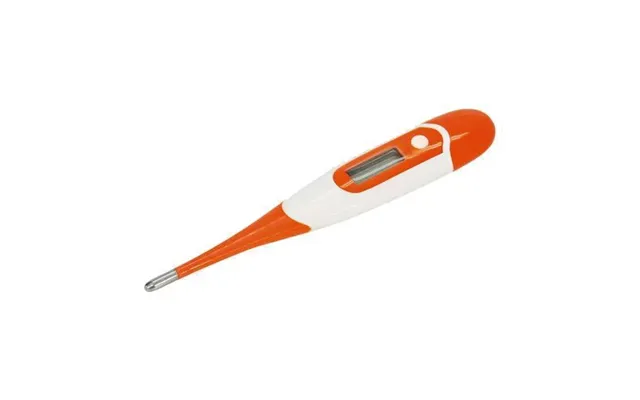
Pet Thermometers price list
Last updated Monday, 19 Oct 2026
| Pet Thermometers | Price |
|---|---|
| Smart Grooming Digital Thermometer - One Size | £7.69 |





Loading...
Last updated Monday, 19 Oct 2026
| Pet Thermometers | Price |
|---|---|
| Smart Grooming Digital Thermometer - One Size | £7.69 |
If you’ve ever had a dog that suddenly seemed sluggish or a cat that felt a little too warm, you know that guessing doesn’t cut it. A reliable pet thermometer is your first line of defense when something feels off. It gives you fast, objective data you can act on. Think of it like a dashboard warning light for your pet’s health—when the needle swings out of the normal range, you don’t ignore it. You investigate, and when needed, you talk to your vet. With solid thermometers widely available and easy to compare across UK retailers through a dedicated comparison site, there’s no reason to rely on touch or hunches anymore.
Temperature is one of the simplest, most powerful indicators of your pet’s well-being. A reading that’s too high can point to fever, heat stress, infection, inflammation, or even a reaction to medication. A reading that’s too low can signal shock, exposure, or metabolic issues. Temperature also helps you track recovery—after surgery, during a tummy bug, or while monitoring a chronic condition. In short, that tiny number on the display acts like a compass, guiding your next steps and helping you decide if it’s time for at-home care, a phone call, or a quick trip to the vet.
There’s no one-size-fits-all thermometer for every pet or every situation. The right choice depends on your animal’s temperament, your comfort level with different methods, and how quickly and accurately you need results. Below are the most common types you’ll find when comparing options—each with strengths that suit different homes, species, and scenarios.
Digital rectal thermometers are the gold standard for accuracy in dogs and cats. They use a slim probe inserted just about a half inch to an inch, depending on the pet’s size, to capture a core temperature reading. While not every pet loves the process, the reading is dependable and fast—often within 10 to 30 seconds on quality models. Look for flexible tips to reduce discomfort, beeps that signal completion, and waterproof bodies for easier cleaning. If you want the most precise number to discuss with your vet, this is usually the way to go.
Ear thermometers measure heat from the ear canal. They’re quick, less invasive, and a good choice for pets that won’t tolerate a rectal measurement. Because ear canals vary in shape and cleanliness (hello, earwax), accuracy can shift a bit more than with rectal thermometers. That said, high-quality ear thermometers designed specifically for pets can be impressively consistent. You’ll want soft, angled probes, a gentle insertion guide, and ideally a backlit display for late-night checks.
Non-contact infrared thermometers read heat from the skin’s surface—perfect for skittish pets or for quick checks between more precise measurements. They’re touch-free, fast, and great for multi-pet homes. The caveat? They can be influenced by fur length, distance, and ambient conditions. The best models help by providing distance guides, quick sampling, and clear instructions for placement (often the inner ear flap or belly skin). Use them for screening, then follow up with a rectal or ear reading if something looks off.
Tech-savvy pet parents may love smart thermometers that sync readings to an app, log trends, and remind you when it’s time to recheck. These options are especially handy if your pet is recovering from illness or if you’re managing a chronic condition and need to share data with your vet. Look for models with secure connections, timestamps, and the ability to export data. As a bonus, some pairs with other health trackers for a fuller picture of your pet’s well-being.
Shopping for a pet thermometer can feel overwhelming—so many models, so many claims. To simplify, focus on the features that actually change your daily experience: accuracy, speed, comfort, hygiene, readability, and battery life. When you compare these side by side, the best value quickly rises to the top.
Accuracy is non-negotiable. Look for devices that consistently land within a narrow margin of error and provide readings in seconds, not minutes. Faster response times reduce stress for both you and your pet, especially if your dog is wiggly or your cat has a strict “no nonsense” policy. Many top-rated models deliver results in under 20 seconds for rectal and even faster for ear and infrared.
The tip matters. A flexible, rounded probe reduces discomfort and the chance of injury. For ear thermometers, a soft, angled design that follows the ear canal can increase accuracy and comfort. If you’ll be checking small pets or cats, choose a slim, delicate tip. Bonus points if the thermometer includes a protective cap or storage case to keep the probe clean between uses.
A waterproof body makes cleaning much easier—just a quick wipe with pet-safe disinfectant or rubbing alcohol and you’re ready for next time. If the device isn’t waterproof, look for clear guidance on safe cleaning methods and disposable probe covers. Hygiene is everything here; you want a fresh, sanitary instrument for each use.
When you’re holding a wiggly pup with one hand and the thermometer with the other, a bright display and smart beeps make life easier. Backlit screens help you read results in low light. Memory recall lets you compare the current reading with the last one, which is useful for tracking trends. Quiet or adjustable beeps are nice if your pet startles easily.
Thermometers typically run on coin cells or AAA batteries. Coin cells keep devices compact, while AAA batteries are easier to find in a pinch. Either way, look for low-battery indicators, auto-shutoff to save power, and simple battery replacement. If you’re going smart, check that wireless features don’t drain the battery too quickly.
Technique matters as much as the device. A calm pet plus a good method equals better readings and less stress. Keep treats handy, move slowly, and talk softly. A second person can make a world of difference, especially with larger dogs or nervous cats.
Start by lubricating the probe with a dab of pet-safe lubricant or petroleum jelly. Have your helper gently hold your pet steady. Lift the tail and insert the tip about a half inch to an inch—just enough to cover the sensing area. Hold the thermometer in place until it beeps or indicates it’s done. Remove it slowly, read the result, and praise your pet like a champion. Afterward, disinfect the probe and store the thermometer safely.
For ear readings, make sure the ear canal is reasonably clean. Gently pull the ear flap up and back to straighten the canal. Insert the probe just far enough to create a seal, then press the button and wait for the signal. Avoid forcing the probe—if your pet resists, back off and try again later. Compare both ears if you’re unsure; sometimes inflammation in one ear can skew results.
With infrared thermometers, follow the recommended distance and target area carefully—usually skin with minimal fur, like the inner ear flap or belly. Keep the device steady, aim at the same spot each time, and take two or three readings to confirm consistency. If a reading looks unusual, confirm with an ear or rectal thermometer for peace of mind.
Knowing what’s normal makes all the difference. Pets run warmer than humans, so don’t be surprised if numbers seem high compared to your own temperature. Keep notes of your pet’s typical range when they’re healthy; that way, you’ll spot subtle changes faster.
Most healthy dogs and cats sit in a narrow band around 100.0°F to 102.5°F. Puppies and kittens can trend slightly higher, especially after activity. If you check right after a nap in a warm room or after a zoomies session, expect small swings. The trick is consistency—measure at a similar time of day and under similar conditions when possible.
If your pet’s temperature hits 103.0°F or higher, or drops to 99.0°F or lower, it’s a sign to ring your vet and describe what you’re seeing. Combine that number with behavior—lethargy, shivering, panting, vomiting, or refusing food—and you’ll have a clearer picture to share. Trust your gut; if something feels off, a quick professional opinion is always worth it.
A clean thermometer is a safe thermometer. Proper care extends the device’s life and protects your pet from cross-contamination. The good news? It’s easy and takes less than a minute.
After each rectal or ear use, clean the probe with a pet-safe disinfectant or rubbing alcohol and let it air-dry. Disposable probe covers add another layer of hygiene, especially for ear thermometers or multi-pet households. Keep your thermometer in a protective case, away from extreme heat or curious noses that love to chew.
Most consumer-grade pet thermometers don’t require formal calibration, but it’s smart to sanity-check results now and then. Take two readings in a row and confirm they’re close. If readings become erratic, swap the battery, clean the probe thoroughly, and try again. Still off? It might be time for a replacement or a higher-grade model.
From affordable basics to feature-packed smart devices, there’s a pet thermometer for every budget. The trick is deciding which features you’ll use daily and which ones look nice but won’t change your routine. Don’t pay extra for bells and whistles you’ll never touch; focus on the core experience—accuracy, speed, comfort, and cleanliness.
At the budget end, you’ll find digital rectal thermometers with straightforward displays, single-button operation, and quick readings. They may skip extras like app connectivity or large memory, but they get the job done reliably. If you’re building a starter pet first-aid kit, a simple, waterproof model is a smart, inexpensive foundation.
Step up a notch and you’ll see faster response times, more comfortable probes, backlit screens, memory recall, and quieter beeps. Many mid-range ear thermometers live here, balancing ease of use and dependable accuracy. If you anticipate regular monitoring—say, after surgery or during seasonal allergies—this tier often offers the best value for money.
Premium devices bring speed, smarter sensors, and sometimes smart connectivity. App tracking can be a lifesaver if you’re sharing data with a vet or if multiple family members take readings. Advanced infrared models may include guided distance indicators and better algorithms to compensate for fur and movement. If you love tech and want smoother, faster checks, these features can be worth the splurge.
Prices and promotions vary widely across UK retailers, and they can shift week to week. Using a dedicated comparison site like ZoneOffer helps you line up options, compare specs, and spot popular offers without hopping from tab to tab. Because ZoneOffer is a comparison site (not a store), it pulls together deals and product details so you can see the broader market at a glance and click through to retailers when you’re ready.
A thermometer is the cornerstone of at-home monitoring, but pairing it with a few smart tools gives you a fuller health picture. Think of it like building a toolkit: each piece handles a different job, and together they make you faster and more confident in a pinch.
Pulse oximeters estimate oxygen saturation and pulse rate, while basic heart rate monitors help you track beats per minute during rest and recovery. They’re especially useful for older pets, brachycephalic breeds, or animals recovering from respiratory issues. While not every home needs one, they’re a solid add-on if you’re managing ongoing health concerns.
Smart collars can track activity, rest patterns, and in some cases give temperature-related alerts. Pairing these with a smart thermometer turns your phone into a health dashboard. Trends tell a powerful story: a few tenths of a degree rise each day, paired with lower-than-usual activity, could signal a brewing issue worth checking early.
Round out your setup with a pet first-aid kit: gauze, antiseptic wipes, tweezers, bandage tape, a digital thermometer, and a list of emergency contacts. Keep everything together so you can grab it fast. Practice using your thermometer before you’re under pressure—you’ll be calmer and quicker when it counts.
Even the best thermometer struggles if used incorrectly. Sidestep these pitfalls, and you’ll get clearer, more consistent readings every time.
Human thermometers aren’t always ideal for pets, especially non-contact models tuned for human skin. If you do use one, make sure it’s suitable for veterinary use and follow pet-specific guidance carefully. Better yet, choose a model designed for animals—your accuracy and confidence will jump immediately.
It’s tempting to pull the thermometer out the second your pet squirms. But cutting the process short leads to low readings and confusion. Hold steady until the device signals completion. If your pet is anxious, break the process into tiny steps with treats: touch, hold, insert, and reward—calm repetition works wonders.
For rectal thermometers, skipping lube makes the process uncomfortable and harder to complete. A tiny dab of lubricant makes a big difference. Likewise, gentle restraint keeps your pet safe and the thermometer steady. No need for force—just a calm hold, a soothing voice, and a treat the moment you’re done.
Match the tool to your pet and your routine. Got a chill cat who tolerates handling? A digital rectal thermometer will give you the best bang for your buck. Have a nervous rescue pup who flinches at touch? An ear or non-contact model may keep stress down and compliance up. Multi-pet household with different temperaments? Consider a combination: a non-contact thermometer for quick screens, plus a rectal or ear device to confirm anything unusual.
Puppies and kittens wriggle more and heat up faster after play; pick a fast-reading, flexible-tip model. Seniors benefit from larger displays and soft beeps to avoid startle. For many pets, consider thermometers with disposable covers to streamline hygiene and speed between checks. You don’t need the most expensive device—you need the one you’ll use correctly and consistently.
Deals come and go, and the lowest price isn’t always the best value. Look at what’s included—covers, cases, spare batteries, or app features—then weigh that against your real needs. Comparison tools make this easy: you can quickly see which models are seeing strong demand, which specs you’re getting at each price, and where a small upgrade makes a big day-to-day difference.
Seasonal promotions often pop up around pet awareness events or major shopping periods. If you’re not in a rush, watching prices for a couple of weeks can pay off. That said, don’t delay if your pet is unwell—getting the right tool now is worth more than a tiny discount later. Set alerts through a comparison platform so you can pounce when the price drops.
A good pet thermometer turns worry into action. With the right type—rectal for accuracy, ear for comfort, non-contact for speed, or smart for tracking—you can check your pet’s temperature quickly and confidently. Focus on features that matter: precision, speed, comfort, hygiene, readability, and battery life. Use calm, consistent technique, keep everything clean, and note what’s normal for your pet. When it’s time to buy, lean on a comparison site like ZoneOffer to line up popular offers from different UK retailers and pick the best value for your needs. The result? A healthier, happier pet—and a calmer you.