
Pet Training Pads price list
Last updated Friday, 18 Sept 2026




View 23 Offers

Loading...
Last updated Friday, 18 Sept 2026
House-training a puppy (or supporting an older dog) can feel a bit like juggling umbrellas in a rainstorm—messy, unpredictable, and a little stressful. Pet training pads take the chaos out of the picture. They’re absorbent, leak-resistant, and designed to keep floors dry while teaching your pet where to go. Whether you’re in a high-rise flat, navigating wet and windy evenings, or just looking for a clean indoor backup, training pads offer a simple, reliable solution. On a comparison site like ZoneOffer, you’ll often see popular offers and price lists that make it easy to compare options side by side, so you can choose pads that match your dog’s size, routine, and your budget without guesswork.
Think of pet training pads as indoor “bathroom mats” for pets—engineered to lock in moisture fast, neutralize odours, and protect your floors. They’re commonly used for puppy house-training, senior dogs with incontinence, post-surgery recovery, and even for small pets like toy breeds who struggle with bad weather. Most pads feature a quick-dry top layer, super-absorbent core (often turned into a gel), and a waterproof backing to prevent leaks. The result? Fewer puddles, fewer paper towels, and a calmer training routine. The real trick is matching the pad to your pet’s needs—size, absorbency, and features—so you’re not overpaying for tech you won’t use or underbuying and dealing with spills.
Pet training pads aren’t one-size-fits-all. From everyday disposable pads to heavy-duty, reusable options, there’s a match for every home, dog, and schedule. Understanding the types will help you narrow down your shortlist and spot genuinely good deals when you compare prices online.
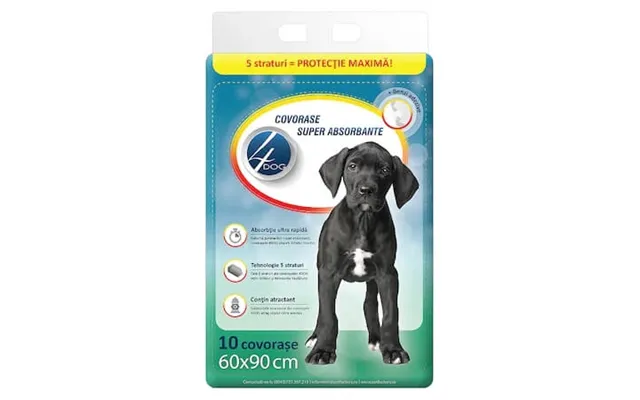
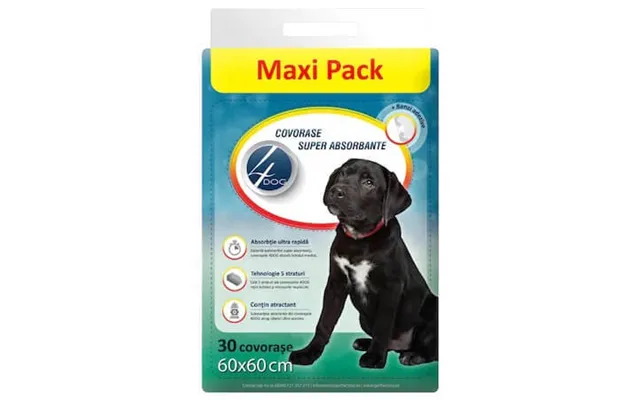
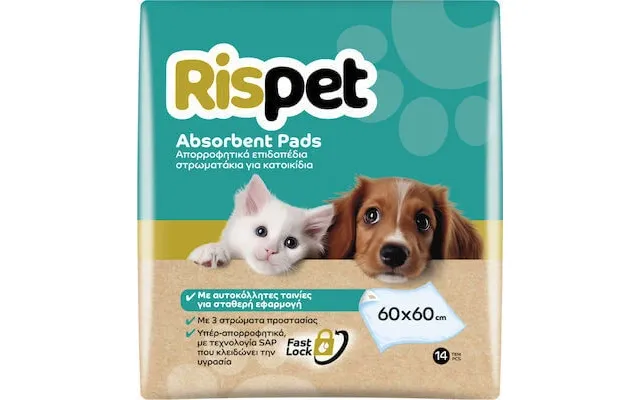
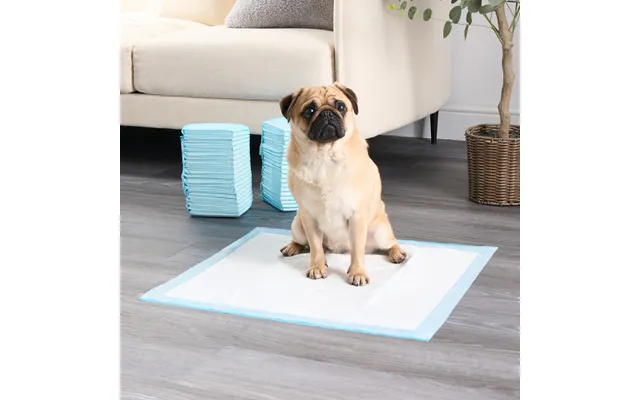
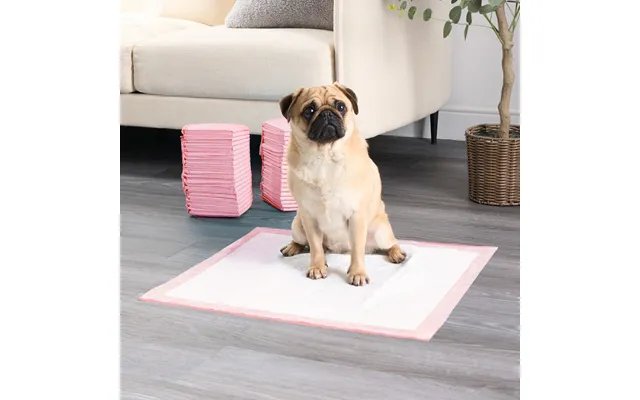
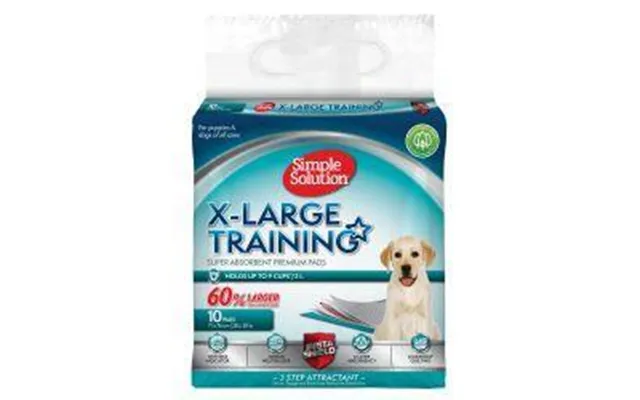
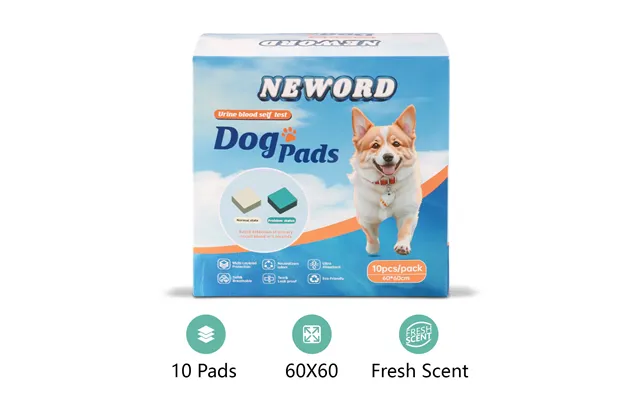
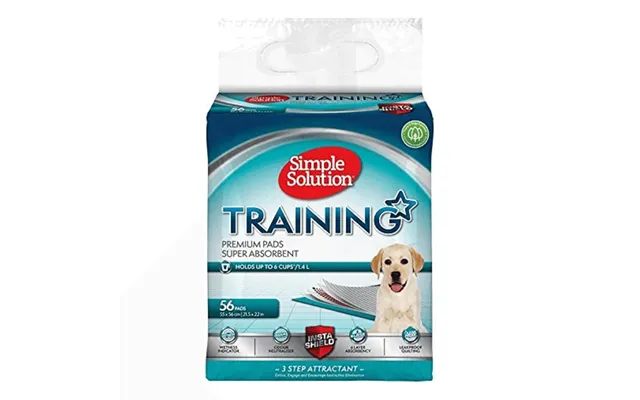
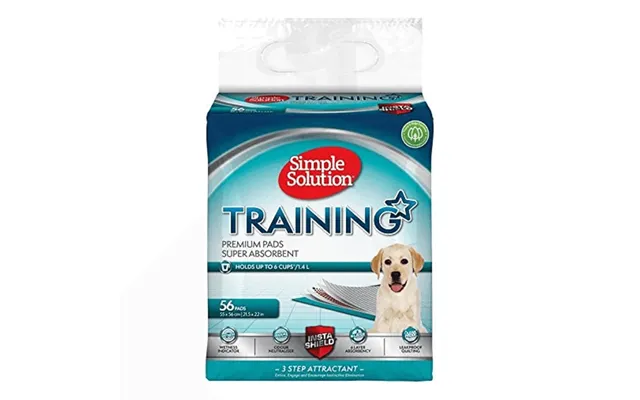
Disposable pads are the go-to for busy pet parents who want quick, mess-free cleanup. They’re light, thin, and built for fast absorption, usually with a quick-dry top layer to keep paws clean. You’ll find common sizes such as 17 x 24 in, 22 x 22 in, and 24 x 35 in, which work well for puppies and small to medium dogs. The convenience is unbeatable—fold, toss, done—but be sure to compare pack sizes and per-pad pricing. In bulk, costs typically drop, making them ideal for the high-frequency pee schedule of young pups.
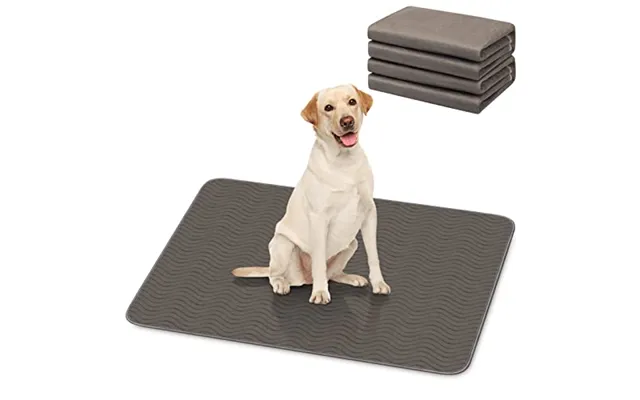
Reusable training pads are like the eco-conscious big sibling of disposable pads. They’re machine-washable, feature a fabric-like surface, and often have multi-layer cores that hold hefty amounts of liquid. They’re popular with senior dogs, large breeds, and multi-pet homes where daily pad use adds up. You’ll pay more upfront, but with proper care—washing warm, tumble drying low—you’ll save in the long run. Bonus: the fabric texture can reduce track-off and slipping, and many reusable pads look more like neutral household mats than pet products.
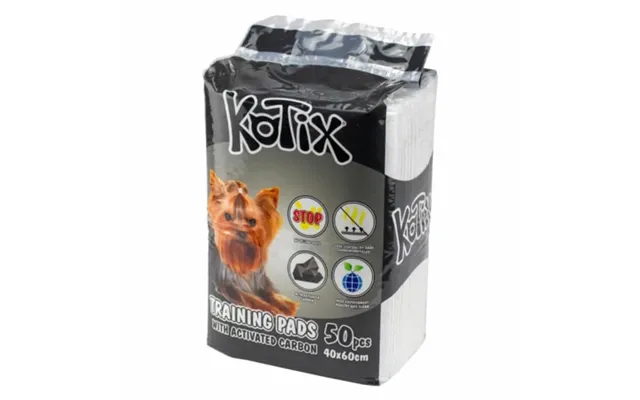
These pads incorporate activated charcoal to neutralize odors. If your home has limited ventilation or you’re sensitive to smells, charcoal pads can be a game-changer. They often appear darker (grey or black), which also helps conceal stains. Just remember: charcoal helps with odours, but true stink-busting still benefits from enzyme cleaners and regular disposal.
Attractant pads contain a built-in scent that signals to your dog, “This is the spot.” They can speed up training for hesitant pups or rescue dogs transitioning to indoor rules. While effective for many pets, some dogs don’t care for scents—or prefer unscented pads—so consider a small pack to test before you commit to a large case.
For big breeds—or prolific pee-ers—extra-large, heavy-duty pads are worth their weight in gold. Look for sizes like 30 x 36 in or larger, multi-layer cores, and reinforced edges. These pads are designed to hold several cups of liquid without overflowing. If your dog tends to pee in multiple “stops,” heavy-duty pads with fast-diffusing cores help prevent pooling.
Some brands offer partially biodegradable materials, plant-based layers, or hybrid systems that combine a reusable tray with replaceable liners. While fully compostable pee pads are rare (and often not practical for most households), hybrid solutions can meaningfully cut waste, especially when paired with washable pads on low-traffic days.
Not all pads are created equal. When you’re comparing popular offers or scanning a price list, focus on features that actually change your day-to-day experience. A slightly pricier pad can save money if it prevents leaks and reduces how many you use daily.
Absorbency determines how many accidents a pad can handle. Some list capacity in cups—handy if your dog pees more than once between swaps. For a small puppy, 1–2 cups is plenty; medium dogs may need 2–4 cups; large or giant breeds might require 4+ cups, especially overnight.
Leak-proof edges and multi-layer designs keep liquid from spilling over the sides or wicking onto your floors. If you’ve had “edge failures,” prioritize pads with sealed borders and a textured waterproof backing that resists sliding and seepage.
A quick-dry top sheet wicks moisture down into the core, leaving the surface drier for paws. That means fewer wet prints across your kitchen. If your dog likes to circle and step on the pad first, quick-dry technology is a must-have.
Active pups love to turn pads into sleds. Adhesive tabs stick to tile or wood, while rubberized backings grip floors without residue. If your home has rugs, consider a pad holder or tray to keep everything anchored.
Match the pad size to your dog’s stance and habits. Small breeds do fine on 17 x 24 in; medium dogs may need 22 x 22 in or 24 x 35 in; large breeds thrive on 30 x 36 in and up. If your dog likes corners, rectangular pads offer more “runway” than square ones.
From baking soda infusions to charcoal layers, odour control can make indoor training far more pleasant. If you’re in a compact flat, a pad with enhanced odour-locking is worth the extra pennies—and pairs well with a covered bin for used pads.
It depends on your pet’s age, size, and schedule. A young puppy has the bladder of a thimble and the curiosity of an explorer—expect more frequent changes. Adult dogs with indoor access typically need far fewer.
For puppies under 12 weeks, plan on swapping pads 3–5 times daily—more if you’re in the thick of training. Small breeds on a 2–3 hour schedule might use 2–3 pads a day, while medium pups could need 3–4. Nighttime accidents are normal; a bigger pad or double-layering can help.
For adult dogs that use pads as a backup—say, during long workdays—one to two pads daily may suffice. Senior or incontinent dogs often benefit from heavy-duty or reusable pads, with 2–3 daily changes to keep skin healthy and prevent odours.
Some cats will use training pads, especially if transitioning from one litter type to another or during medical recovery, but many prefer litter. If you’re using pads, place them near the litter area and consider a tray or holder to reduce folding and crumpling.
Pads are a tool, not magic carpet squares. With smart placement and consistent routines, they help your pet learn fast—and keep your floors squeaky clean along the way.
Choose a quiet, easy-to-reach spot away from food and bedding. Bathrooms, utility rooms, and corner areas work well. Avoid high-traffic zones where your pup could be distracted or nervous.
Set a rhythm: first thing in the morning, after meals, after naps, and before bedtime. Take your pup to the pad, wait patiently, praise like you’ve won the lottery when they go, and reward with a small treat. Consistency is your secret weapon.
Make the pad “the best place on earth.” A cheerful tone, a quick pat, and a tiny treat turn routine into habit. Skip scolding—dogs learn faster with rewards than with punishment.
Don’t scatter pads around the house—one or two locations is enough. Avoid moving the pad daily; it confuses the target. And don’t leave soiled pads too long—fresh pads encourage repeat success.
Want to dial in your setup? A few smart extras can level up hygiene, convenience, and training success.
Holders clamp pads in place and add a raised border to contain overflow. They’re especially useful for enthusiastic scratchers and large dogs who step near the edge.
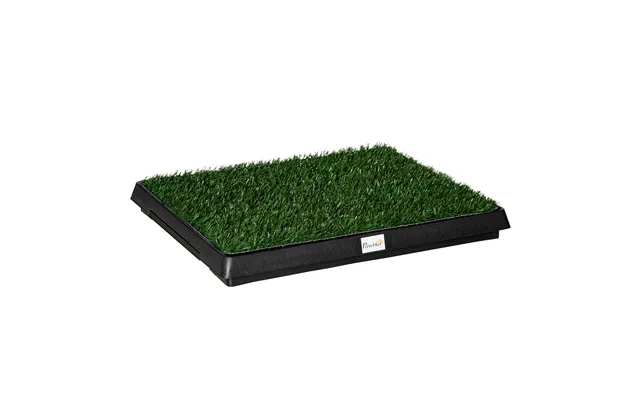
Grass-like mats on a tray mimic outdoor textures and can help transition dogs to real grass. Rinse the mat, empty the tray, and use enzyme cleaner weekly to keep things fresh.
Missed the pad? Enzyme cleaners break down organic odours so your dog doesn’t return to old spots. They’re a must for spotless carpets and floors.
Some small breeds take to litter-style systems, especially in flats. They pair well with training pads under the grate for extra absorbency.
These tools add a “go here” signal to pads or outdoor spots. Great for stubborn dogs or for making a single pad area irresistible.
For road trips, keep a folded pad in the carrier or under a seat protector. If your pet gets anxious or carsick, the cleanup is far easier.
Pads are a recurring purchase for many homes. A savvy strategy keeps costs down while ensuring you never run out on a Sunday evening. Think ahead, compare well, and buy what you’ll actually use.
Bulk packs usually offer the best per-pad price, but only if you like the product. Test with a smaller pack first, then scale up when you’ve found “the one.”
Use a comparison site like ZoneOffer to scan popular offers and price lists across retailers. Check unit price (cost per pad), not just total price—big boxes can hide smaller savings than you’d expect.
Stock up during seasonal sales or multi-buy offers. If your pup is growing fast, mix sizes—one current and one size up—so you don’t get stuck with pads that are too small.
Premium pads shine with faster drying and strong odour control, but many store brands perform surprisingly well for lighter use. Match pad quality to your needs: nightly use may justify premium; occasional use might not.
Right-size your pads and change them based on soil level, not the clock. Heavy-duty pads can handle multiple pees for some dogs; if it’s still dry to the touch and odour-free, you may not need to swap yet.
Training pads aren’t just for day-one pups. They can be part of a long-term lifestyle solution that keeps your home cleaner and your dog more comfortable.
Live on the 10th floor or facing sideways rain? Pads offer a dependable indoor option so you’re not sprinting down stairs at 2 a.m. in a storm.
Older pups deserve dignity. Soft, absorbent pads protect floors and make cleanup painless, while reusable options are gentler on sensitive paws.
After vet procedures, some dogs need restricted movement. A nearby pad reduces strain and keeps accidents from becoming setbacks.
If you’re using a playpen, place a pad in a consistent corner. For crates, pads can line the tray under a washable blanket in case of emergencies.
With more than one pet, aim for larger pads or multiple pad stations. Consistency helps each pet learn the household system faster.
While disposable pads add convenience, you can manage environmental impact with a few thoughtful choices—especially if you mix reusable pads into your routine.
Use the smallest pad that reliably contains messes, switch to heavy-duty pads to reduce daily swaps, and consider hybrid systems with washable covers or trays.
Rinse heavily soiled areas, wash warm, and tumble dry low. Avoid fabric softeners—they can reduce absorbency. Keep two sets so one can air-dry while the other is in use.
Seal used disposable pads in scented liners or bags and use a bin with a tight-fitting lid. A sprinkle of baking soda helps between bin changes.
If your dog treats the pad like a chew toy or keeps missing the mark, don’t worry—the fix is usually simple. A few tweaks can turn frustration into progress.
Use a pad holder or tray, switch to reusable pads with fabric tops, and increase mental stimulation with chew toys. Reward calm behaviour near the pad.
Size up to a larger pad, add a second pad touching the first to widen the target, and guide your dog to the pad more frequently after meals and naps.
Clean all accidents with enzyme cleaners, reduce stress triggers, and keep the pad location consistent. Marking often improves once prior odours are fully removed.
Gradually move the pad closer to the door, then onto a covered patio or balcony, and finally to a grassy area. Use the same “go” cue, and reward outdoors like it’s a grand celebration.
If your cat rejects pads, try fine-grain clumping litter in a low-sided tray. For cats willing to use pads, place them in a holder and keep them far from food areas.
The right pet training pads can make house-training smoother, protect your floors, and keep your home fresh—without turning your routine upside down. From disposable puppies-only pads to heavy-duty and reusable options, there’s a solution for every dog, space, and schedule. Focus on absorbency, size, and odour control; add a holder or tray if your pup is a digger; and keep your routine consistent. When you’re ready to buy, compare offers and price lists on a trusted comparison site like ZoneOffer to match features with value. Train smart, shop smart, and enjoy a cleaner, calmer home with your four-legged best friend.