




















All categories
Business & Offices
Electronics & Media
Fashion & Accessories
Groceries & Essentials
Health & Personal Care
Home & Living
Kids & Family
Sports & Outdoors
Search in ZoneOffer
Loading...
Think of habitat accessories as the building blocks that turn a basic cage into a safe, cozy, and enriching home. We’re talking water bottles and bowls that don’t leak, hay racks that keep food tidy, hideouts that help shy pets feel brave, wheels for hamsters that never sit still, tunnels and ramps for explorers, litter trays that simplify clean-up, and bedding or liners that control odor without irritating delicate paws. Whether you care for a hamster, gerbil, mouse, rat, guinea pig, chinchilla, degu, or a rabbit, the right mix of accessories supports natural behaviors—burrowing, foraging, nesting, gnawing, and sprinting—while keeping things hygienic and easy to maintain. The best part? With the right guidance and a sensible checklist, you can create a habitat that’s both comfortable for your pet and simple for you to manage.
Let’s start with the not-so-flashy essentials. These are the pieces that keep your pet’s daily routine humming: reliable hydration, clean feeding, comfortable flooring, and safe access to different levels of the habitat. If your accessories handle these basics well, your pet’s energy can go into play and rest—not into dealing with drips, spills, or uncomfortable corners. From there, you can layer on enrichment and comfort items that match your species’ needs and your space at home. Ready to make the core upgrades that pay off every single day?
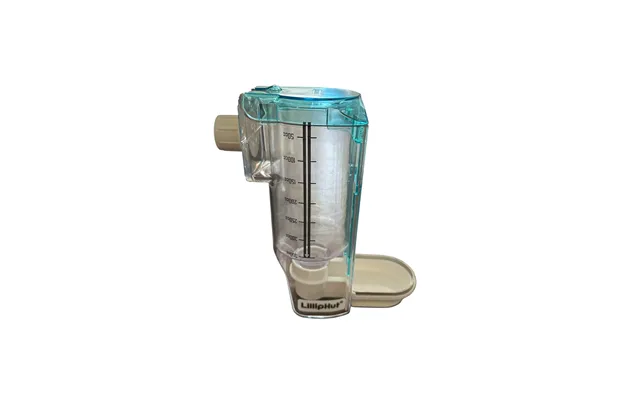
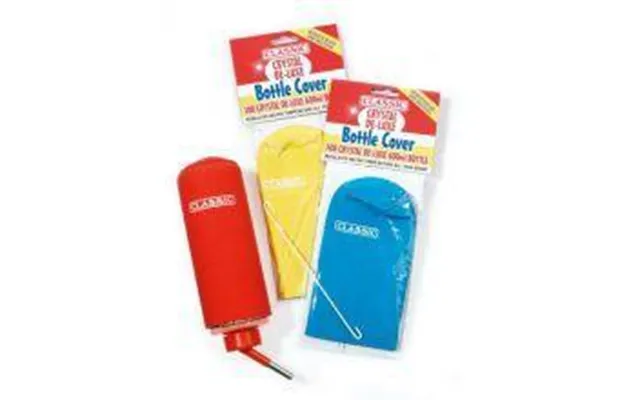
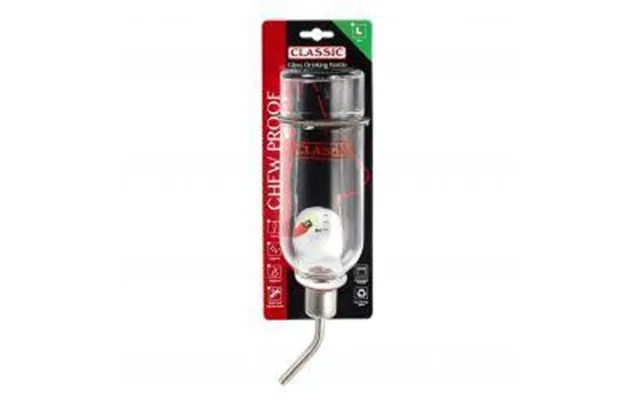
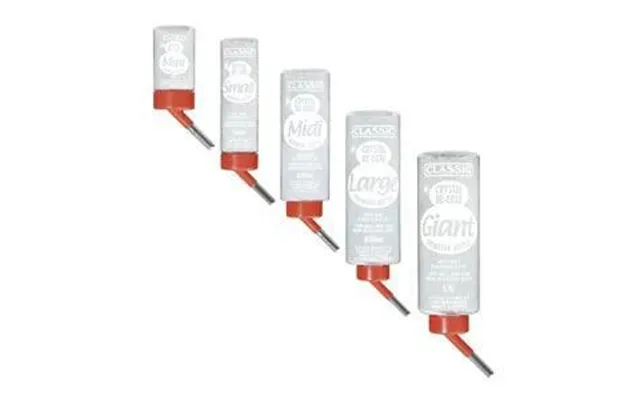
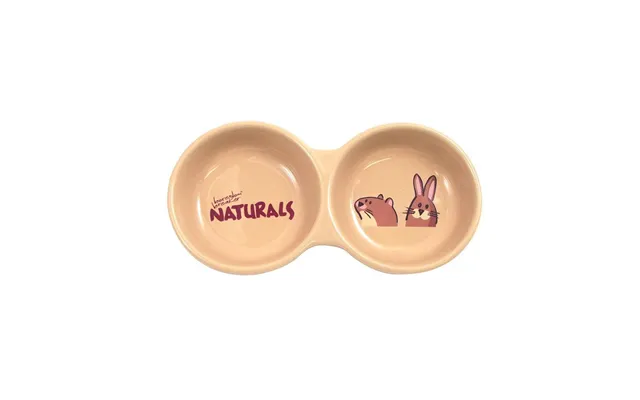
A dependable water source is non-negotiable. No one loves waking up to a soggy cage because a bottle drip-drip-dripped all night. Look for gravity-fed bottles with stainless steel sipper tubes and anti-drip valves; they’re sturdy, easy to sanitize, and less likely to leak. For species like rabbits and guinea pigs, consider heavy, tip-resistant ceramic bowls as a backup—especially useful if you’re home on hot days and want to encourage more frequent sipping. Mount bottles at nose level so pets don’t strain. For hamsters and mice, a smaller bottle with a secure bracket works well; for rabbits and chinchillas, upsize the capacity so you’re not refilling every few hours. Bonus tip: keep a spare bottle washed and ready, so swaps take seconds.
Food on the floor equals mess, waste, and sometimes contamination. A hay rack or a combo feeder keeps hay off the bedding, which not only preserves freshness but also helps your pet avoid accidental soiling. For guinea pigs, rabbits, and chinchillas—who adore hay—pick roomy racks that hold enough for the day without jamming. If you use bowls for pellets, go with low, wide ceramic bowls that won’t tip, or mountable feeders that lock in place. Rats and gerbils often enjoy scatter feeding for enrichment, but having a small, elevated dish is still handy. The goal is balance: keep mealtime engaging while ensuring most of the food stays clean and accessible.
Bedding is where comfort meets cleanliness. Opt for paper-based or aspen shavings that are low-dust and fragrance-free—great for sensitive respiratory systems. Fleece liners are popular for guinea pigs and rats because they’re soft underfoot and rewashable; pair them with absorbent underlayers to keep things dry. A depth of around 2 to 3 inches of paper or aspen bedding lets burrowers like hamsters and gerbils tunnel happily. Avoid scented or dusty products that can irritate airways. If you’re tackling odor, add a litter tray in a corner your pet prefers, and spot clean daily. It’s a small step that makes a big difference in freshness.
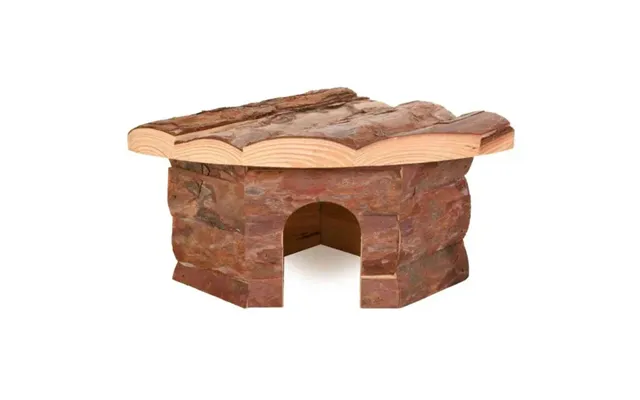
Every small animal benefits from a safe zone—a place to rest, sleep, and decompress. A hideout acts like a mini-bedroom, reducing stress and encouraging natural nesting. For shy pets, this is huge: when they feel hidden, they actually venture out more; it’s a paradox that works wonders. The best hideouts are sized to fit your pet comfortably without feeling cramped, with an entrance that’s easy to access and a roof that doubles as a perch or lookout platform when appropriate. Add soft nesting materials for species that love to build, and watch your pet create its own cozy retreat.
Materials set the tone. Wood feels natural and encourages gentle chewing, but make sure it’s untreated and safe for pets. Plastic is easy to clean and lightweight, but pick thick, chew-resistant designs to avoid gnawing damage. Ceramic hideouts for rats and mice are wonderfully cool in warm weather and heavy enough not to budge. For hamsters, look for hideouts about 6 to 8 inches wide so they can nest; for guinea pigs, aim for entrances around 5 to 6 inches high so they slip in without stooping; rabbits prefer generous doorways and robust construction. When in doubt, size up—no one complains about extra elbow room.
Enrichment isn’t just “nice to have.” It’s mental health, exercise, and fun all rolled into one. But enrichment works best when it fits your pet’s space and species. Hamsters, mice, and gerbils need opportunities to run, hide, and explore tunnels. Rats thrive on climbing, puzzling, and social play. Guinea pigs prefer floor-time mazes and foraging paths over high climbing. Rabbits love roomy floor setups, sturdy tunnels, and platforms they can hop onto. If you match accessory type to natural behavior, your pet will use the gear all the time instead of ignoring it.
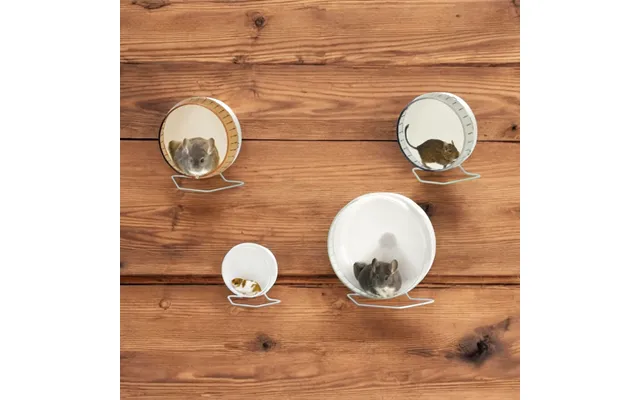
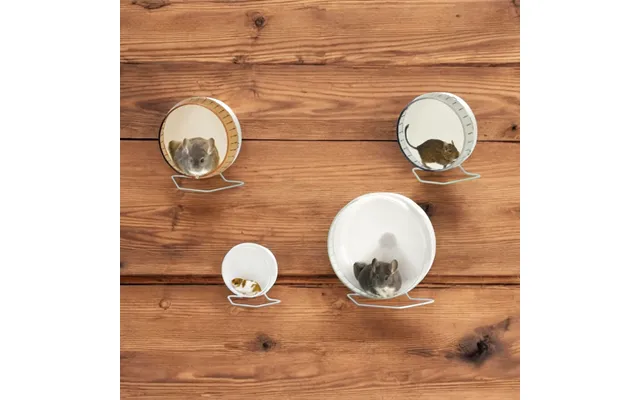
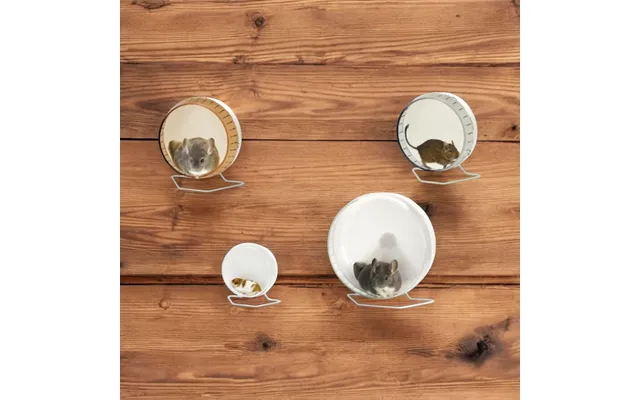
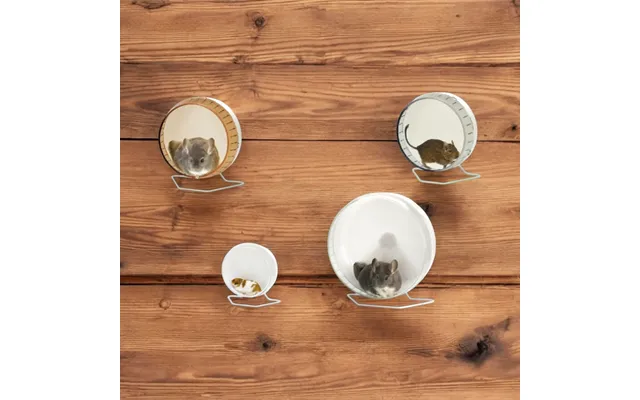
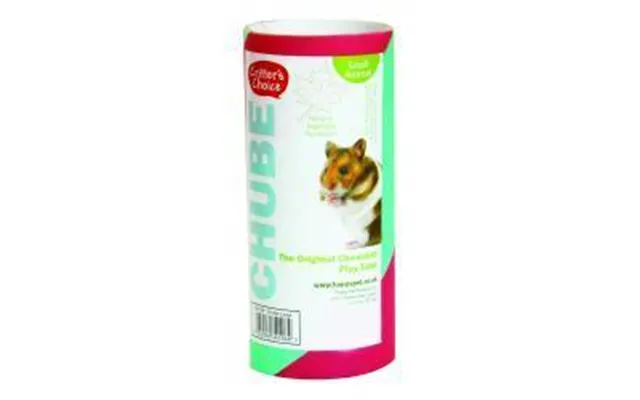
Let’s talk movement. For hamsters, a wheel is a must-have. Go for a solid surface wheel with at least a 10 to 12 inch diameter for Syrians and around 8 to 10 inches for dwarfs to support a straight spine while running. Mice also appreciate solid wheels that are quiet and easy to clean. Tunnels bring out the explorer in many species—choose sturdy cardboard, seagrass, or hard-wearing plastic that’s large enough for a comfortable pass-through. For rats and chinchillas, ramps with textured, non-slip surfaces connect levels safely. Keep angles gentle to protect joints, and secure each piece so it doesn’t wobble mid-adventure.
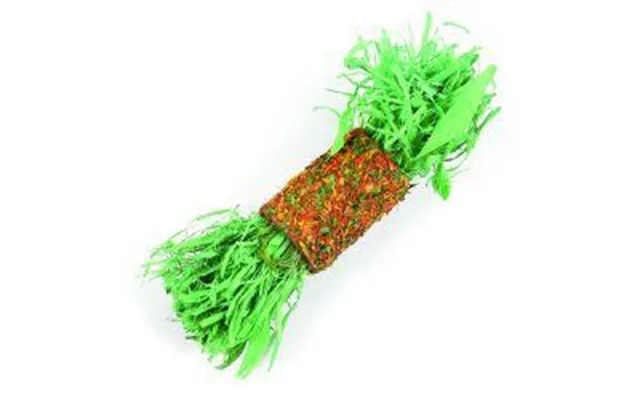
Chew-time is dental care in disguise. Wood chews, apple stick bundles, seagrass mats, and pumice stones help manage tooth wear naturally. For rabbits, guinea pigs, and chinchillas, hay-based chew toys offer fiber and fun. Add foraging cups, puzzle feeders, or scatter trays to turn dinner into a treasure hunt. Start simple—one or two items introduced at a time—and rotate weekly to keep curiosity high. A bored pet becomes a curious pet again when you refresh the setup, even if you’re just moving accessories into new places.
If you have the right hygiene tools, cleaning day feels less like a chore and more like a quick reset. A decent hand brush and dustpan, a pet-safe cage cleaner, extra liners, and a small caddy for supplies cut your time in half. Mount accessories so you can remove them in a snap for rinsing. Use a dedicated drying rack so bottles, bowls, and hideouts fully air-dry between uses. And don’t forget a spare set of everything—bowls, bottles, and fleece—so you can swap out, wash later, and never feel rushed.
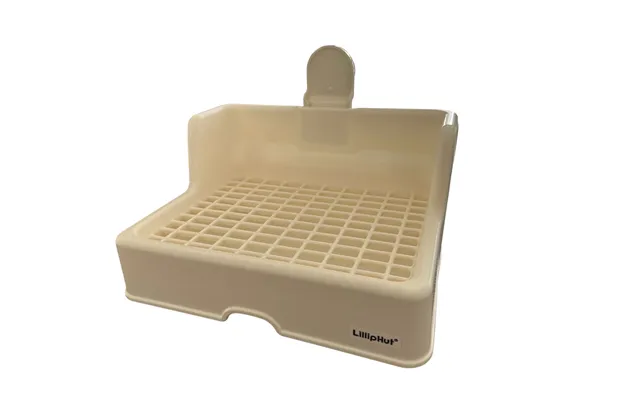
Litter training isn’t just for cats. Many rabbits, rats, and chinchillas take to corner trays easily, especially when you place the tray where they naturally choose to go. For hamsters and gerbils, a sand bath (use pet-safe sand) helps with coat maintenance and feels like a mini spa day. For odor control, skip scented sprays and go with routine spot cleaning, proper ventilation, and absorbent bedding. Activated carbon pouches near (but not inside) the habitat can help with ambient odors without overwhelming sensitive noses.
Accessories work best when they fit the space, literally. You want a layout that lets your pet move freely without bumping into clutter. Picture the habitat in zones: sleep, food/water, toilet, play, and observation. That simple map keeps things organized and intuitive for your pet. Try to keep the toilet and food areas apart (no one loves dining near the loo), and place hideouts in quieter corners to encourage deep rest. Mount water bottles away from litter trays to avoid splashback and contamination.
For Syrian hamsters, a wheel around 10 to 12 inches, a roomy hideout about 8 inches wide, deep bedding at 3 inches for burrowing, and a few tunnels that are at least 3 inches in diameter make a world of difference. Dwarf hamsters do well with an 8 to 10 inch wheel and tunnels around 2.5 to 3 inches. Mice enjoy multiple small hideouts and narrow tunnels about 2 inches wide to feel secure. Rats appreciate sturdy shelves, ramps, and spacious hideouts—think doorways 4 to 5 inches high. Guinea pigs thrive with low, wide spaces: hideouts roughly 12 by 10 inches, a generous hay rack, and fleece liners for padded traction. Rabbits need the most room: robust tunnels at 8 inches in diameter, low ramps to platforms around 12 to 16 inches high, and bowls heavy enough to resist enthusiastic nudges. Always tailor sizes to your individual pet—bigger breeds or fluffier pets may need an extra inch or two.
Safety is the quiet hero of every good accessory. Check for smooth finishes, rounded edges, and secure fastenings. Avoid chipped paint, weak clips, and thin plastic that cracks under pressure. If it bends or flexes too easily in your hands, it’s probably not sturdy enough for daily use. For metal accessories, powder-coated finishes resist rust; for wood, stick to untreated options made from pet-safe species. Fabrics should be tightly woven and resist fraying; fleece liners that wick moisture away keep paws dry and reduce the chance of irritation. You’ll notice the difference in how long things last—and how confidently your pet uses them.
Pets feel the seasons too. In warmer months, ceramic hideouts, cooling tiles, and increased airflow help beat the heat. Keep water fresh and shaded, and consider swapping to lighter bedding layers. In cooler weather, add extra nesting material, thicker liners, and draft guards around the habitat. Chinchillas prefer cooler, drier environments, so sand baths and good ventilation are key year-round. Rabbits and guinea pigs benefit from temperature stability and dry spaces to prevent chills. Small adjustments each season keep your setup comfy without remodeling the whole habitat.
Good accessories don’t have to empty your wallet. Prices can vary widely between brands and retailers, especially when promotions are on. That’s where a comparison approach helps: check multiple offers side-by-side, and sort by price, material, or user ratings to see what actually delivers value. On ZoneOffer, a comparison site, you can browse small animal habitat accessories, scan popular offers, and keep an eye on price drops without hopping between dozens of tabs. Pro tip: map your needs first (hydration, feeding, bedding, hideout, enrichment), then buy in phases. Start with core essentials, then layer in enrichment and duplicates for cleaning rotation. This keeps costs steady and ensures every purchase earns its keep.
Here’s the simple playbook: unbox, inspect, test fit, then lock down. Before you clip anything to bars or mount a shelf, check for wobble and sharp edges. Tighten screws by hand—just enough to hold firm without stripping threads. After installation, give each item a tug to confirm it’s solid. During weekly maintenance, rotate toys and tunnels, launder fleece, and refresh water and feed areas. Monthly, do a deeper reset: remove everything, wash with a pet-safe cleaner, and rearrange the layout slightly to spark curiosity. A steady routine avoids build-ups and keeps the habitat feeling new.
It’s easy to misstep when you’re excited to treat your pet. Three common pitfalls: overfilling the space, skipping size checks, and mixing incompatible materials. Crowding the habitat limits movement and can lead to stress, so leave clear runways and open corners. Wheels that are too small arch spines; tunnels that are too narrow discourage use. Finally, be wary of soft plastics that encourage risky chewing and fabrics that fray into strands—replace anything that starts to shred. A quick visual check each evening—water levels, litter state, and accessory wear—catches problems before they grow.
Pets change. Young hamsters become confident sprinters who need bigger wheels; bonded guinea pigs may share hideouts and call for a second house to prevent squabbles; rabbits fill out and need sturdier platforms. Upgrade when you notice crowding, heavy wear, or a drop-off in use. If your pet avoids an item, try a different material, size, or placement before you replace it outright. Sometimes a simple height change or swapping a plastic hide for a wooden one sparks instant interest. Your best guide is your pet’s behavior—it’s the clearest review you’ll ever get.
The right small animal habitat accessories make everyday care easier and your pet’s life richer. Start with the essentials—hydration, feeding, bedding, and a good hideout—then tailor enrichment to your species: wheels for hamsters, wide-floor fun for guinea pigs, climbing and puzzling for rats, and sturdy tunnels for rabbits. Stick to safe materials, sensible sizing, and a simple cleaning routine. Keep an eye on prices and compare offers to stretch your budget further. With a thoughtful plan and a few smart swaps, you’ll create a habitat that’s safe, stimulating, and genuinely delightful—for your pet and for you.
| Small Animal Habitat Accessories | Price | |
|---|---|---|
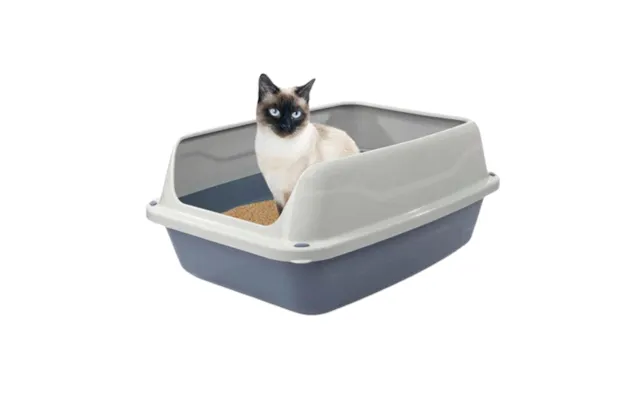
| Sonic Litter Tray Georplast - Grey | £ 9,79 | |
| Hedgehogs Safety Pad Grey | £ 38,70 |

