
















All categories
Business & Offices
Electronics & Media
Fashion & Accessories
Groceries & Essentials
Health & Personal Care
Home & Living
Kids & Family
Sports & Outdoors
Search in ZoneOffer

Loading...
Vintage advertisements do something modern marketing rarely can: they time-travel. A single poster or magazine clipping can whisk you back to a bustling high street, a smoky cinema, or a wartime platform where bold graphics and punchy slogans ruled. In the UK, interest in vintage advertisements has never been stronger, and with popular offers appearing across comparison platforms, collectors are snapping up original ads, tin signs, and posters from classic brands and eras. If you’re curious where to start, how to tell an original from a repro, or how to display a stunning piece in your home, you’re in the right place.
Let’s be honest—half the thrill is the vibe. Vintage ads carry the charm of hand-drawn illustrations, early photography, and typography that feels unmistakably “of its time.” From the bright cheer of a 1950s soft drink advert to the elegant lines of an Art Deco travel poster, these pieces look striking on modern walls. They’re also conversation starters. Place a 30x40 in British film quad above a sofa or a 24x36 in railway poster in a hallway, and you’ll catch guests doing a double-take. It’s art with a story—and that story keeps collectors coming back.
Original advertising wasn’t created for longevity. Posters were pasted over; magazine ads were tossed out after reading. That means surviving pieces are naturally scarce. Add historical context—wartime propaganda, early motoring, mid-century household brands—and you’ve got cultural artifacts. Scarcity plus story often equals higher value. A well-preserved magazine ad from the 1920s or a cinema one-sheet from the 1960s can be more than décor; it can be a tangible slice of British social history.
Hunting deals? Keep an eye on categories that frequently see popular offers: original magazine clippings, tin and enamel signs, and travel or film posters. Comparison sites help you line up pricing and condition at a glance, making it easier to decide when to pounce and when to wait for a better example. As with any collectible, timing helps—but so does knowing what you’re actually looking at.
These are often the entry point for new collectors. You’ll find ads for British household staples—chocolate, soap, bicycles, radios, and cars—usually in sizes around 8x10 in to 10x13 in. Look for clean borders, crisp printing, and minimal yellowing. Ads for iconic brands from early to mid-century eras typically hold their value well, especially when professionally mounted or framed. Bonus tip: double-page spreads can look spectacular in a 16x20 in frame with a wide mat.
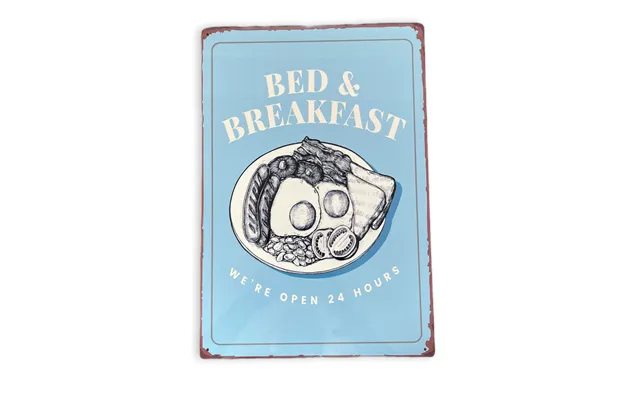
There’s nothing quite like the glossy pop of an enamel sign. Classic motoring brands, petrol companies, breweries, and cycling manufacturers are perennial favorites. Originals will usually show authentic wear—chips along edges, honest rust, and old mounting holes. Reproductions often look too perfect. Sizes vary widely, but pieces around 12x18 in or 18x24 in are popular for home display. If you want a statement piece, larger 24x36 in beauties can anchor a room like a vintage mural.
British film quads (30x40 in), U.S. one-sheets (27x41 in), and classic railway or travel posters (often 24x36 in or larger) have serious wall presence. With posters, condition and authenticity matter hugely: you’ll see terms like “folded,” “rolled,” or “linen-backed.” Travel posters promoting Cornwall, the Scottish Highlands, or London’s sights appeal to both design lovers and nostalgia seekers. When these come up with attractive pricing, they rarely linger.
This is the big question—and the biggest pitfall for beginners. Reproductions aren’t “bad” if you just want the look, but they aren’t investments. Training your eye takes time, yet a few tell-tale signs go a long way. Use them as a checklist while comparing listings, and you’ll avoid most regrets.
Original paper from the early to mid-20th century tends to have a particular texture and natural age toning. You might see slight foxing, a mellowed cream tone, or gentle waviness. Printing on originals often shows rich, solid inks with a tactile feel; many were lithographed. Reproductions may have dot patterns from modern digital printing, overly bright whites, or uniform wear. Trust your fingertips too—period paper often feels different from slick modern stock.
Brands evolve. Logos, taglines, and even punctuation change over decades. Look for period-correct logos and small print lines naming printers or agencies. Many originals carry tiny details—an artist’s signature, a printer’s credit, or a code—that repros skip or modernize. If an ad claims to be from the 1930s but uses a later logo version, it’s probably not original. Cross-checking reference images is your secret weapon here.
Condition can swing value dramatically. Two copies of the same 1950s advert can differ wildly in price if one is sharp and clean while the other has tears or heavy stains. Don’t be scared of honest wear, though. In some categories—especially enamel signs—minor edge chips can be part of the charm. The key is understanding how condition maps to price before you hit “buy.”
Near mint usually signals minimal wear, strong color, and clean edges. Very good might allow small creases, edge nicks, or gentle toning. Good condition suggests visible wear—folds, small tears, or light stains—but still displayable. Fair or poor indicates significant damage, which can work for restoration projects or budget buys. With posters, “folded” is typical for originals, while “rolled” often indicates later handling or reprints. Linen-backed items have been professionally mounted on linen for stability.
All else equal, better condition brings higher prices. But scarcity shifts the math. If only a handful of examples survive, a “good” copy may outprice a “very good” example of a common piece. Eye appeal matters too: strong color, balanced margins, and minimal distractions can nudge value up. When comparing offers, line up condition details side-by-side, not just the headline term—two “very good” items can vary a lot in actual wear.
Measure your wall space first, then shop with intent. A 27x41 in one-sheet will dominate a hallway; two 11x14 in framed magazine ads can make a striking pair over a desk. Think gallery-style: consistent frame colors and matting depths help a mix of eras look cohesive. You don’t need to spend a fortune to get a museum-quality presentation—just be choosy about materials.
Go-to frame sizes include 11x14 in, 12x16 in, 16x20 in, 18x24 in, 24x36 in, and 30x40 in. For odd sizes, a custom mat inside a standard frame can save money. If you love vintage British quads (30x40 in), plan your wall around one—they command attention. For magazine ads, 11x14 in or 16x20 in with a wide mat works beautifully, letting the artwork breathe without overwhelming smaller pieces.
Light is the enemy of paper. Aim for UV-filtering glazing to keep colors rich, and use acid-free mats and backing to avoid slow burn from acidic materials. Even affordable frames often offer acid-free options now. If a piece is particularly valuable, consider UV acrylic and a sealed backer. It’s a little like sunscreen for your art—one small upgrade that saves headaches down the line.
Great deals come from clarity. Before jumping on a listing, compare similar items by size, condition, format (folded, rolled, linen-backed), and authenticity cues. Comparison platforms make this fast, showing you several offers side-by-side so you can spot the outliers. If one price looks too good, there’s usually a reason—dig into the description and photos.
Scan the headline, then go right to the condition report and the fine print. Is it described as “original,” “period,” “reprint,” or “after”? Are there close-up photos of edges, corners, and any marks? For posters, ask about tears along fold lines or tape residue; for tins, inspect mounting holes and edges for chipping. Clear, well-lit photos and precise descriptions are green flags; vague wording is a nudge to ask more questions or keep scrolling.
Seasonal swings are real. Travel posters often peak before summer; film posters can heat up around major anniversaries; holiday-themed ads spike toward winter. Popular offers pop up in waves—when you see a cluster, compare quickly and decide fast. If you miss one, don’t worry; the market is lively, and another opportunity usually isn’t far behind.
Themes help you navigate the sea of options. If you’re new, think in lanes: transport, household goods, drink brands, or entertainment. That way your collection tells a coherent story rather than feeling random. And yes, it’s also incredibly fun to chase a theme across decades and styles.
Motoring and rail-related ads are perennial favorites. Petrol and motor oil branding, tire companies, and motorcycle promotions look fantastic in garages and living rooms alike. Travel posters for the Lake District, Cornwall, or the Scottish Highlands combine lush artwork with an irresistible sense of wanderlust. Early airline posters and Underground designs deliver strong graphic punch that still feels modern on today’s walls.
From confectionery to tea, from soaps to kitchen gadgets, the UK’s advertising history is rich with household names. These ads are charming, relatable, and often budget-friendly. Drinks branding—from breweries to iconic soft drinks—adds bold splashes of color. If you like mid-century style, you’ll find plenty of playful illustrations and witty copy that read just as smart today as decades ago.
Treat your vintage ads like the artifacts they are. Stable environment, proper materials, and gentle handling go a long way. The aim is to slow aging without stripping away the character that makes vintage so appealing. You don’t need a vault—just a plan.
Store paper items flat in archival boxes with acid-free interleaving sheets. Keep them in a cool, dry spot away from direct sunlight and heat sources like radiators or vents. For posters, a sturdy tube with acid-free barriers works if flat storage isn’t an option, but don’t cram multiple valuable items together. For tin and enamel signs, soft cloth or foam spacers prevent scuffs when stacking.
Light surface dust on paper can be lifted with a soft brush. Avoid liquid cleaners. Creases and minor tears are jobs for professionals if the piece is valuable. For tin and enamel, gentle cleaning with a soft, slightly damp cloth can remove grime; avoid harsh abrasives that can dull the surface or widen chips. When in doubt, less is more—patina is part of the story.
The best collections feel intentional. That doesn’t mean expensive; it means curated. You might choose a decade, a color palette, a brand category, or a format. Once you define your lane, you’ll find it much easier to say “yes” or “no” to new finds and to spot underpriced gems that fit your theme.
Try a focused start—say, 1930s to 1960s household ads at sizes you can frame easily, like 11x14 in and 16x20 in. Or build a film wall with one or two anchor posters (27x41 in or 30x40 in) and smaller lobby cards around them. When everything on the wall feels related, even an entry-level collection looks gallery-worthy.
Keep a simple log with purchase dates, sellers, prices, sizes, and any provenance notes. Snap photos of the backs and any marks or codes. This helps with insurance and resale—and it’s just satisfying to watch your collection evolve. Over time, your notes become a personal price guide, making you a sharper buyer during the next wave of popular offers.
The UK is a fantastic hunting ground. You’ll find vintage advertisements across reputable online marketplaces, auction sites, and dedicated dealers, with comparison platforms helping you scan live offers quickly. Offline, antique fairs, markets, and even estate sales can yield unexpected treasures—especially if you’re up early and ready to dig.
Use comparison tools to line up multiple listings for the same poster or ad. Sort by condition and size first, then price. Auction listings can be great for rarer items—just read the condition report thoroughly and request extra photos if needed. Set a firm maximum bid and stick to it. Shipping details matter; ask about sturdy tubes for posters and padded packing for tins.
There’s no substitute for handling items in person. Antique fairs, vintage markets, and collectors’ meets let you feel the paper, check the inks, and judge condition accurately. Bring a pocket tape measure so the 30x40 in you think you’re buying isn’t actually 24x36 in. Chat with dealers; many are generous with knowledge and can point you toward pieces you’ll love.
Set a budget before you start comparing offers. It’s easy to get swept up in a bidding rush or to rationalize a rougher example because it’s the first you’ve found. Patience pays off. There will be another travel poster, another enamel sign, another magazine ad—often in better condition and at a smarter price.
Decide what you want most: size, condition, or rarity. You can usually get two out of three within a modest budget. If wall impact is the goal, choose a slightly more common 24x36 in or 30x40 in poster in very good condition over a rare but damaged piece. For smaller spaces, pristine 11x14 in or 16x20 in ads can look incredibly polished without breaking the bank.
Watch for washed-out colors, pixelated text (a sign of digital reprinting), mismatched logos, and suspiciously “perfect” wear. Vague listings without close-up photos are another warning. If a seller can’t answer straightforward questions about size, format (folded vs rolled), or printing method, think twice. As a rule, if you’re not comfortable after comparing several offers, keep looking.
A thoughtful layout makes your collection look intentional. Try symmetrical pairs of 11x14 in frames, a linear row of 18x24 in pieces, or one hero poster at 27x41 in flanked by smaller ads. Keep frame finishes consistent—black or warm wood—and use mats to create visual breathing room. The result feels like a gallery wall rather than a collage of random finds.
Use soft, indirect lighting to avoid glare and UV exposure. Picture lights with low-heat bulbs create drama without baking the paper. Avoid hanging valuable pieces above radiators or where afternoon sun hits hard. If you’re lighting a glossy enamel sign, angle the light to minimize reflections and let the color pop.
If you love a design but the original is out of reach, a well-marked reproduction can fill a gap while you hunt. Just label it discreetly on the back and keep it separate in your records. Blending a few repros with authentic magazine ads or a true vintage poster can still make a stunning wall, and it buys you time to pounce when the right original appears.
Collecting vintage is inherently eco-friendly. You’re preserving and reusing artifacts instead of buying new, and you’re supporting a network of dealers, restorers, and enthusiasts who keep cultural history alive. Displaying a century-old advert on your wall is the ultimate slow design statement—quality that lasts, style that endures, and waste kept to a minimum.
Sometimes the best restoration is restraint. Stabilize tears, flatten folds, and clean lightly—the goal is to preserve, not to make it look brand-new. Professional linen-backing for fragile posters can add decades of life, but choose conservators who use reversible, archival methods. Your future self (or the next owner) will thank you.
Each purchase is a vote for the kind of collection you want. If you adore transport, lean into it: a 30x40 in quad, a 24x36 in rail poster, and a row of 11x14 in motoring ads could become the nucleus of a powerhouse wall. If household nostalgia is your thing, group mid-century kitchen and pantry ads with consistent frames. Keep refining—your eye will sharpen with every acquisition.
Vintage advertisements pack history, design, and storytelling into every square inch. Whether you’re drawn to glossy enamel signs, mid-century magazine clippings, or statement travel and film posters, the UK market offers rich opportunities—and popular offers appear often if you know where to look. Compare carefully, learn to read the clues of authenticity, and prioritize condition and framing that respect the piece. Build a focused collection, document as you go, and display with confidence. Before long, your walls won’t just look stylish—they’ll tell a living story of design and culture that never gets old.
