





All categories
Business & Offices
Electronics & Media
Fashion & Accessories
Groceries & Essentials
Health & Personal Care
Home & Living
Kids & Family
Sports & Outdoors
Search in ZoneOffer
Loading...
Putting your beer, cider, mead, or wine into the right bottles is more than just a finishing touch—it’s the final, crucial step that locks in flavor, carbonation, and shelf life. Think of your bottle as a mini time capsule. Done well, it protects your hard work, helps your drink mature gracefully, and makes sharing a breeze. Done poorly, it can lead to flat beer, oxidized wine, or worse, broken glass. If you’re browsing popular offers in the UK and wondering which bottling bottles and supplies to pick, you’re in the right place.
Whether you’re just starting out or upgrading your kit, choosing bottles isn’t a one-size-fits-all decision. Different styles of bottles serve different purposes—from quick-turnaround pale ales to long-aging reds. And the extras you bundle in (caps, corks, wands, cappers, sanitizers) can turn bottling day from a chore into a smooth, satisfying ritual. Ready to bottle like a pro? Let’s break it down.
Glass beer bottles are the go-to choice for most homebrewers because they’re sturdy, reusable, and great for carbonation. The classic 12 oz bottle keeps servings tidy and party-friendly. Stepping up to 16 oz gives you a bit more pour per cap, while 22 oz “bombers” are perfect for sharing dark ales, strong stouts, and special releases with friends. Wondering which size to pick? If you want easy serving and simple storage, 12 oz is hard to beat. If you brew bold styles or love gifting, bigger bottles pack more wow per pop.
Opt for pry-off rather than twist-off bottles for reliable sealing with standard crown caps. Dark amber glass also protects your beer from light, which can skunk hop-forward styles in no time. If you’re reusing bottles, check the lip and neck for chips, and always clean and sanitize like your brew depends on it—because it does.
Swing-top bottles, often around 17 fl oz, win fans for their convenience. No separate caps, no capper—just flip the top down and you’re sealed. They’re excellent for quick bottling sessions, small test batches, or sparkling meads that you plan to open and reseal. Plus, they look fantastic on a table or in a gift basket.
One thing to watch: keep an eye on your carbonation levels. Swing-tops can handle typical bottle-conditioning pressure, but they’re not invincible. Use consistent priming sugar measurements, and if you’re experimenting with high carbonation styles, test a plastic bottle alongside your swing-tops to be safe.
PET beer bottles are a beginner’s best friend. They’re light, shatterproof, and reusable, and they make conditioning easy. The “squeeze test” (gently squeezing the bottle to feel it firm up as carbonation builds) gives you instant feedback on pressure without opening anything. If you’re learning the ropes—especially in smaller spaces or around kids—PET can be a smart starting point.
Are PET bottles just for beginners? Not at all. Plenty of seasoned brewers keep PET on hand for highly carbonated beers, transport, or quick-drinking batches. Just avoid high heat, keep them out of direct sunlight, and replace them if they start to look tired or scratched.
Wine deserves the right glass. A standard still-wine bottle holds just under a quart—roughly 26 fl oz—while magnums come in around 50 fl oz and are stunning for special occasions or longer aging. For most home winemakers, classic straight-shoulder bottles suit structured reds, while sloped-shoulder designs pair well with softer reds or whites. Green and amber glass are common and help reduce light exposure, while clear bottles are best saved for wines meant to be enjoyed young.
Still wine is best sealed with corks or screw caps designed for wine bottles. If you plan any fizz at all, don’t use standard still-wine bottles; they’re not built for pressure. Instead, choose bottles designed for sparkling wine or use beer bottles that can take carbonation safely.
Growlers—commonly 64 oz, sometimes 32 oz—are a handy option for serving fresh beer at gatherings. They’re not meant for long-term conditioning, but they’re fabulous for transporting a kegged beer or sharing a freshly finished batch. If you love hosting, keep a couple on hand for stress-free pours when guests arrive.
Glass growlers look classic, while stainless versions offer durability and better insulation. Either way, think of growlers as short-term containers: fill, serve, and enjoy within a few days for best results.
Light is the enemy of hop character and delicate aromas. Amber glass blocks most light and is the safest bet for beer. Green and clear bottles look sharp but offer less protection, making them better for quick consumption or beverages that aren’t light-sensitive. If you’re brewing bright, hop-heavy IPAs, amber is your best friend.
For wine, green and amber are common choices, especially for styles that will spend time on the shelf. Clear glass shines (literally) for rosé or white wines when you want the color to pop, but store those away from strong light to keep flavors crisp.
Crown caps are the standard for beer. They’re inexpensive, reliable, and easy to apply with a basic capper. For still wine, corks remain the classic choice for both tradition and micro-oxygenation during aging. If you bottle still mead or cider, corks or screw caps offer a tight seal and a polished look.
Swing-top closures give you speed and reusability. If you bottle often and hate handling caps, you’ll love them. Just remember to check the rubber gaskets and replace them when they get brittle so your seal stays tight.
Screw caps have come a long way in wine. They seal consistently, don’t require a corker, and they’re especially practical for whites and young reds meant to be enjoyed soon. Want a professional finish? Shrink capsules over corks give that boutique look. They’re not just eye candy—they help keep dust and handling grime away from the cork.
If you’re comparing offers in the UK, look at bundles that include bottles plus matching closures. Buying the right combo saves a lot of guesswork.
A dedicated bottling bucket with a spigot makes your life easier. You rack your finished beer or wine into the bucket, gently stir in priming sugar if you’re carbonating, and then use a bottling wand to fill each bottle neatly from the bottom up. The wand helps prevent splashing, which reduces the risk of oxidation—think brighter flavors and better head retention.
Make sure your bottling wand has a good spring-loaded tip. It should stop the flow the moment you lift it from the bottle, keeping your workspace tidy and your fill levels consistent.
An auto-siphon is a game-changer. A quick pump gets liquid flowing without juggling multiple parts, and clear, food-safe tubing helps you watch for bubbles. Keep extra tubing around; it’s cheap, and swapping out stained or scratched lines helps keep contamination at bay.
Tip: keep your siphon and tubing filled with sanitizer right up until use. When you’re ready, drain and go—no dry spots, no sticky starts, no drama.
For crown caps, a basic hand capper handles 12 oz and 22 oz bottles with ease. If you bottle frequently or run bigger batches, a bench capper speeds things up and gives consistent seals. For wine, a double-lever or floor corker is worth every penny in saved effort and improved results, especially if you’re corking a lot of bottles.
Check that your chosen caps and corks match your bottle style. Mismatches happen, and nothing’s more frustrating than realizing your caps don’t sit right just as you start filling.
Sanitizing is non-negotiable. No matter how good your brewing or winemaking is, a dirty bottle can undo it all. Use a no-rinse sanitizer according to the label, and keep a bottle brush and carboy brush nearby for more stubborn crud. Don’t forget to sanitize caps, corks, and swing-top gaskets too.
Efficiency hack: set up a small assembly line—wash, rinse, sanitize, dry. It keeps you moving and ensures every bottle gets the same care.
Clear labeling saves you from mystery bottles. A simple label with the style, ABV, and bottling date works wonders. If you want that boutique feel, shrink capsules over corks and a well-designed label turn your homemade bottle into a showpiece. A paint pen or wax pencil on crown caps also makes quick work of batch ID.
Going minimalist? Masking tape and a marker are perfectly respectable. You’ll thank yourself later when you’re choosing what to open.
A 1-gallon batch of beer typically fills about ten or eleven 12 oz bottles. If you’re using 16 oz bottles, you’ll need roughly eight; with 22 oz bottles, plan on about six. For still wines, a 1-gallon batch yields close to five standard wine bottles. Having a couple of extras sanitized and ready is smart insurance against short fills or unexpected losses.
Working in small batches is fantastic for testing recipes, learning new techniques, or experimenting with different yeast strains. Keep a mix of sizes on hand to match your goals—session beers in 12 oz, rich sippers in 22 oz, and wine where a standard bottle makes sharing simple.
A classic 5-gallon beer batch fills around 50 to 54 of the 12 oz bottles. If you prefer 16 oz, plan on roughly 40; with 22 oz, somewhere in the mid- to high-20s. You’ll also want a handful of spares sanitized—because there’s always a little trub to dodge, a sip to sample, or a touch of foam that steals an ounce here and there.
For wine, a 5-gallon batch yields about 25 to 26 standard bottles. If you’re setting up a gifting or aging strategy, consider splitting the batch: most in standard bottles, a couple in magnums for special occasions.
Like to brew a variety? Keep an assortment of sizes. High-gravity beers, barrel-inspired stouts, and strong ales feel right at home in 22 oz bottles. Quick-drinking table ales and lightly hopped lagers are perfect in 12 oz. For sparkling mead, swing-top bottles are both practical and charming.
If you love side-by-side tastings, set aside a few 12 oz bottles from every batch, even when you primarily bottle larger sizes. Having a vertical tasting of the same beer or wine over several months teaches you more than any guide ever could.
For beer and sparkling cider, you’ll add a measured amount of priming sugar at bottling to kick-start carbonation in the bottle. Dissolve your sugar in a small amount of boiling water, cool it, and gently blend it into your bottling bucket before filling. The key is consistency: keep your pour gentle and your stir careful to avoid oxygen sneaking in at the last second.
Prefer precise control? Weigh your sugar and use a carbonation calculator that matches your beer style and desired fizz level. Too much sugar risks overpressure; too little leaves you with a flat sip. Measure twice, bottle once.
If you’re using PET bottles, the squeeze test is your secret weapon. After a few days of conditioning at room temperature, give a bottle a gentle squeeze. As the CO2 builds, PET firms up. When it’s tight, chill a test bottle and crack it open. If the pour and foam look good, move the rest to the fridge or a cool spot to slow fermentation and set the level.
No PET in your lineup? No worries. Chill a glass bottle after a week, then open and pour. You’ll quickly learn how your environment affects conditioning speed.
Overcarbonated bottles can gush or, in extreme cases, break. Keep everything clean to prevent wild microbes from making extra CO2, measure your priming sugar accurately, and make sure fermentation was truly finished before bottling. If in doubt, take a gravity reading on consecutive days to confirm stability.
Brewing a high-sugar style or a beer loaded with fruit? Give it a little more time in primary and consider cold-crashing to drop excess yeast before bottling. Patience now means calm bottles later.
Reusing bottles from your favorite UK breweries or wineries is budget-friendly and sustainable. Choose pry-off beer bottles with clean, undamaged lips. For wine, make sure the neck fits your corker or screw-cap closure. Soak labels in warm water with a little cleaner, scrape gently, and finish with a scrub to remove adhesive.
Before each bottling day, inspect every bottle in bright light. Tiny chips or hairline cracks can be hard to spot but cause big headaches. If it looks suspect, retire it. Safety first, always.
No-rinse sanitizers make bottling day smoother. Mix to the manufacturer’s ratio, dunk or fill bottles, then drain well. If you’re tight on space, a bottle tree or drying rack becomes your best friend. Keep your caps, corks, wands, and tubing in sanitizer solution right up to the moment you use them.
One more tip: sanitize the outside of your spigot and the business end of your wand as you work. It’s easy to bump surfaces mid-session; a quick spray keeps everything clean and calm.
Once your bottles are clean and sanitized, let them drain neck-down on a rack so you’re not trapping water. After bottling, store your beer upright to keep the yeast sediment at the bottom for clean pours. Wine can be stored upright short term and—if using traditional corks—on its side for longer aging to keep the cork moist.
Light and heat are flavor thieves. Keep your bottles in a dark, cool place during conditioning and storage for the best results.
If you’re scanning popular offers on bottling bottles, check the price per bottle, not just the headline price. Multipacks often bring the best value, and bundles that include caps, gaskets, or corks can cut your total spend. Keep in mind that quality glass thickness and finish can vary. A slightly higher upfront price can pay off with longer-lasting, more dependable bottles.
Also consider returnability and reusability. Durable glass bottles that survive many brewing cycles are usually the smarter buy over time.
Bottles are heavy and fragile, so packaging matters. Look for offers that specify protective inserts or sturdy cartons to minimize breakage on the way to your door. If you’re ordering multiple cases, some sellers bundle shipping or offer breakage guarantees. A well-packed case saves you money and headaches.
Working on a deadline—say, bottling before the weekend? Plan ahead and factor in delivery times. Having everything in hand before brew day keeps your timeline on track.
Glass bottles can last for years with proper care, making them a greener choice long-term. Reusing commercial bottles cuts waste and costs as well. PET bottles are lightweight and recyclable in many areas, and they shine for portability and safety. Balance your priorities—longevity, weight, storage space—and choose accordingly.
If sustainability sits high on your list, keep a closed-loop: clean promptly, sanitize thoroughly, and store bottles where they won’t crack or collect dust. The longer your bottles live, the less you buy.
Some drinks love a nap. Big stouts, barleywines, and strong ales can evolve beautifully in the bottle, smoothing alcohol edges and layering complex flavors. Store them cool and dark, then open at milestones—three months, six months, a year—to see what time does. It’s like a mini tasting journey you crafted yourself.
For wine, patience is a superpower. Reds with structure gain grace with time, while aromatic whites often show best sooner. Keep notes on each bottle you open; your future batches will benefit from your own tasting diary.
Presentation elevates the experience from “nice drink” to “memorable moment.” A clean label, a neat capsule over a cork, and a set of matching bottles make everything feel intentional. Is it essential for flavor? Not really. Does it spark joy and pride? Absolutely.
Hosting a tasting? Arrange bottles by style or age and serve with matching glassware. A touch of ceremony turns your hard work into an event.
Magnums and 22 oz beer bottles aren’t just for show. Larger formats can age more gracefully thanks to different headspace-to-volume ratios, often leading to smoother development. If you brew a beer or make a wine you plan to tuck away, consider setting aside a larger bottle or two as a time capsule.
Just remember to match the closure to the use. Long aging demands quality materials and careful storage to protect all that potential.
Ready to bottle? Here’s a simple flow: prep and sanitize everything, rack to a bottling bucket, blend in priming sugar if needed, fill with a wand, cap or cork immediately, and label before you forget which batch is which. Keep your tools in sanitizer when not in use, and don’t rush the process. Calm hands make clean bottles.
As for gear, start with the basics—a set of bottles in the size you prefer, a bottling bucket, a wand, caps or corks, and sanitizer. Add tools as you grow. Comparing offers in the UK can help you snag quality bottles and supplies at fair prices, especially when bundles or seasonal deals pop up.
Great bottling is equal parts preparation and good choices. Pick bottles suited to your drink—amber glass and crown caps for beer, proper still-wine bottles with corks or screw caps for wine, and swing-tops or PET when convenience or safety calls. Equip yourself with a bottling bucket, a wand, solid closures, and a reliable sanitizer, and you’ll feel the difference on your very next batch. With so many popular offers out there in the UK, it’s easier than ever to compare and build a bottling kit that fits your style, your budget, and your ambitions. Your bottles are more than containers—they’re the final canvas for your craft. Fill them well, and let your work shine.
| Bottling Bottles | Price | |
|---|---|---|
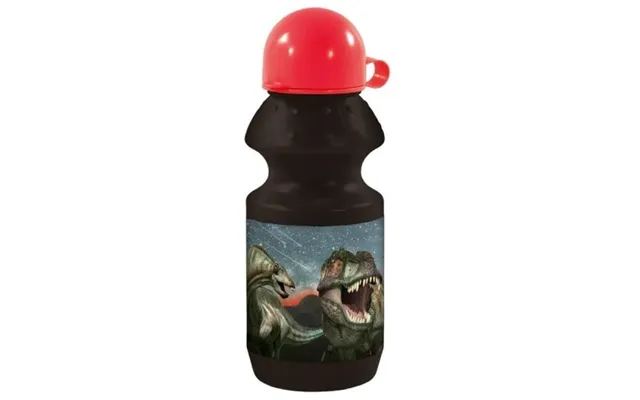
| Deform Cleo And Frank Dinosaur Bottle 330ml | £ 3,20 |

