

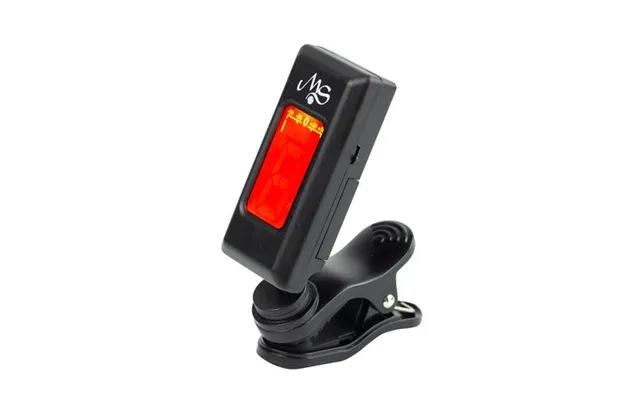
Electronic Tuners price list
Last updated Sunday, 27 Sept 2026
| Electronic Tuners | Price |
|---|---|
| Everest | £13.99 |
| Pdt Argos Tuner With Martin Smith Logo | £27.21 |





Loading...
Last updated Sunday, 27 Sept 2026
| Electronic Tuners | Price |
|---|---|
| Everest | £13.99 |
| Pdt Argos Tuner With Martin Smith Logo | £27.21 |
Electronic tuners do one job brilliantly: they help you sound in tune, every time you play. Whether you’re strumming an acoustic in your living room or stepping onto a bright stage, a reliable tuner turns guesswork into confidence. In the UK, musicians across genres rely on them because they’re fast, accurate, and built for real-world use. If you’ve ever wondered which tuner to choose or how to compare features, you’re in the right place.
Being in tune isn’t optional—it’s the foundation of good tone, solid ensembles, and enjoyable rehearsals. A tuner doesn’t replace your ears; it trains them. You’ll play more confidently, rehearse more efficiently, and avoid the awkward “is it me?” moment in a band setting. From bedrooms to orchestra pits, the right tuner becomes your silent partner, keeping you centered on pitch and focused on performance.
A great tuner does more than tell you when the string is flat. It teaches you where “in” actually is, even as strings age or brass warms up under stage lights. Your intonation improves, your ear gets sharper, and your stage presence benefits because you’re not fighting your instrument. It’s like having a friendly coach who quietly nudges you back to center whenever you drift.
“Electronic tuner” is a big umbrella. The best one for you depends on your instrument, your environment, and your workflow. Here’s a clear breakdown of the common types you’ll see across the UK—each with strengths that can make your musical life easier.
Clip them on the headstock, and you’re set. Clip-on tuners detect vibration, so they work even in noisy rooms. They’re tiny, quick, and ideal for acoustic players, students, and buskers. Look for a bright display around 1 to 1.5 inches that you can read in daylight, plus a swivel or flip screen for left- or right-handed viewing. If you move between guitar, ukulele, and banjo, choose a chromatic clip-on so you’re never boxed into one tuning.
Pedal tuners live on your pedalboard. Step once to mute your signal, tune silently, and step again to play—simple and stage-ready. They’re rugged, highly accurate, and easy to see under lights thanks to large, high-contrast displays. If you gig, a pedal tuner with true bypass or a good buffer is worth every penny. Some even offer polyphonic tuning—strum all strings at once, and you’ll see which ones drifted.
If you tour with a rack or you’re outfitting a studio, a rackmount tuner is a steady, permanent solution. These typically offer precise strobe modes, huge displays readable from several feet away, and extra utilities like metering, DI pass-through, or multiple inputs. They’re not pocket-sized, but they’re workhorses when your rig stays wired and ready to go.
Don’t want to clutter your headstock? Soundhole tuners sit just inside the acoustic’s soundhole, where only you can see them. They’re discreet, easy to read, and great for singer-songwriters who prefer a clean look. Some bridge systems even include stealth tuners integrated into the pickup or preamp area for the ultimate “always there” solution.
For violin, viola, cello, double bass, and winds, choose a tuner with both a sensitive mic and clip-on pickup option. Orchestral players often need calibration (A=440 Hz isn’t always the house standard) and transposition settings for instruments in Bb or Eb. A fast response and fine resolution in cents help you nail long tones, open strings, and tricky intonation passages.
Two tuners can look similar and feel very different. Spend a minute learning the features that matter, and you’ll skip buyer’s remorse and land something you’ll use for years. Focus on accuracy, display type, calibration options, power, and durability.
Accuracy is often measured in cents, and the lower the number, the tighter the tuning. Needle-style displays are quick and intuitive; strobe-style displays are ultra-precise, often favored for setups and intonation work. Polyphonic modes let you check all strings at once for a quick mid-set sanity check. If you can, try a strobe mode at least once—the clarity can be eye-opening.
Not every session is A=440 Hz. Some orchestras, early music groups, or ensembles need alternative references. A good tuner lets you calibrate from around 430 to 450 Hz, and sometimes beyond. If you play a transposing instrument, transpose functions save your brainpower. Bonus: certain tuners offer “sweetened” tunings tailored to specific instruments, which can make chords ring more beautifully.
Clip-ons usually run on coin cells or small rechargeable packs. Pedals may be powered by a 9V battery or a standard pedalboard supply. If you travel, rechargeables are convenient and eco-friendlier, but coin cells are easy to stash as backups. For pedal tuners, pass-through power lets you feed other pedals with a daisy chain, keeping your board tidy.
UK weather is famously unpredictable, and outdoor gigs happen. A sturdy casing, firm clip, and high-brightness display go a long way. Consider how far you’ll stand from your tuner: a big pedal display you can read from 6 to 10 feet makes tuning on dim stages painless. If you busk, a clip-on with a tough hinge and a sun-friendly screen saves you squinting.
Picking a tuner is like choosing a good case: the best one fits your instrument and your lifestyle. Think about where you play, how you plug in, and how quickly you need to tune between songs or pieces.
Electric players thrive with pedal tuners: silent tuning, stage-ready displays, and sturdy enclosures. Acoustic guitarists often prefer clip-ons or soundhole tuners for convenience and clean signal paths. If you play 7-string guitar or 5-string bass, look for tuners that track low notes quickly—responsiveness down to low B is key. For alternate tunings, a chromatic tuner with fast response saves time between songs.
For bowed strings, a vibration-based clip-on at the scroll or bridge helps in noisy rooms. Choose a tuner with a sensitive mic for quiet practice and a calibration function for ensemble requirements. A clear, stable display helps you zero in on long tones and open strings without chasing jumpy indicators.
You’ll want a tuner with a high-quality mic and fast response. Transpose settings for Bb and Eb instruments are a must. For marching or pit work, a small clip-on mic or pickup can make tuning checks discreet and reliable. A brightly lit display helps when stands and lights are crowded.
These smaller instruments benefit from compact clip-ons with swivel screens. Chromatic modes make it easy to jump between standard and alternate tunings. If you perform live, a clip that locks firmly onto thin headstocks prevents the dreaded mid-song slip.
The UK market is rich with choices, from budget clip-ons to pro-grade strobe pedals. You’ll find fan favorites that have earned their reputation for reliability, clarity, and precision. While the right pick depends on your setup, these categories highlight what players look for and why certain models keep topping lists.
If you do setups or want ultra-tight tuning on stage, strobe-style pedals stand out. They typically offer superior accuracy and large, high-contrast displays you can read from several feet away. Expect features like true bypass or quality buffering, alternate tunings, and sweetening presets for different instruments. They cost more, but the precision and visibility are hard to beat.
Chromatic pedal tuners have long been the default choice for gigging guitarists and bassists. They’re tough, straightforward, and fast, with a big footswitch to mute your signal. Many include bright LED meters, calibration, and excellent tracking for standard and drop tunings. If you need a dependable, no-nonsense stage tool, this category delivers.
Modern clip-ons are surprisingly accurate and convenient. Look for vibration sensing for noisy stages, a swivel display for awkward angles, and auto power-off to save batteries. For multi-instrument households or teachers, clip-ons are unbeatable: toss one in every case and you’ll always be ready to play in tune.
There’s a difference between owning a tuner and getting pro results from it. A few small habits make everyday tuning faster, cleaner, and more consistent—especially when time is tight and the audience is waiting.
Put your pedal tuner first in the chain for the most accurate read. Step to mute, tune, and step again—no pops, no fuss. If you use a buffered tuner, it can stabilize your signal across long cable runs. For acoustic players, mute on the preamp or volume pedal, then tune quickly. The goal is simple: stay in tune without breaking the flow.
Start with your reference pitch (often A=440 Hz), tune each string slowly, and repeat once. Stretch new strings gently and re-tune; they always drift. For winds and brass, warm up first so your pitch stabilizes, then tune—your instrument’s temperature matters. In ensembles, tune to the same reference and confirm once more before downbeat.
Every musician hits a moment when the tuner disagrees with the ear or the band. Before you blame the unit, run through a quick checklist. Most issues have simple fixes, and you’ll be back on track in seconds.
If your tuner reads sharp or flat across the board, check calibration—someone may have set it away from 440 Hz during a rehearsal. For clip-ons, make sure the contact point is firm and stable. If tracking is jumpy, change the battery or try a quieter room. Winds and brass: warm up to your typical playing temperature before final tuning. Guitarists: intonation issues can make open strings look perfect but chords sound off—time for a setup, not a new tuner.
It’s tempting to race to the bottom or splurge on top-shelf gear. The sweet spot usually depends on how and where you play. Let’s decode what extra cash buys—and where a budget option is more than enough.
For most players, a mid-priced clip-on or a rugged chromatic pedal covers everything: reliable tracking, clear displays, and calibration. Pay more if you need ultra-precision strobe modes, polyphonic strums, or studio-grade build quality. If you’re new, start with a modest clip-on and upgrade when your needs demand it—you’ll know when that time comes.
Good gear should last. A well-made tuner with replaceable batteries, solid hinges or footswitches, and a durable display will stick with you across tours, rehearsals, and studio sessions. If you can, choose models with firmware updates or accessible support—small details that extend lifespan and reduce waste.
Clips wear out and switches get stomped. Brands that offer replaceable clips, battery doors, or footswitch service help you keep gear on the road. Firmware updates can add features or improve stability in digital tuners—nice to have for long-term value. Treat your tuner well, and it will return the favor for years.
The UK market is competitive, and that’s good news for your wallet. Use trusted comparison platforms—like ZoneOffer—to scan offers, filter by features, and spot price drops across retailers. This approach saves time, keeps you objective, and often surfaces bundles or seasonal deals you might miss by checking one place at a time.
Before you click “add to basket,” match the tuner to your reality. Do you play live or mostly at home? Need silent tuning? Require transposition or calibration for ensemble work? Will you read the display from 6 feet under dim lights? Prefer rechargeable power or easy coin-cell swaps? Answer these honestly, compare a few top options, and you’ll land the right tool the first time.
Electronic tuners are the quiet heroes of confident performance. From compact clip-ons to bulletproof pedal tuners and studio-ready rack units, there’s a perfect fit for every instrument and stage. Focus on accuracy, visibility, calibration, and power, then match the format to your playing life. With smart comparison and a clear checklist, you’ll find a trusted tuner that keeps you locked in, practice after practice and gig after gig—so your music always speaks in tune.