

Musical Instrument Amplifiers price list
Last updated Monday, 19 Oct 2026



View 18 Offers




Loading...
Last updated Monday, 19 Oct 2026
Every player eventually learns a simple truth: your amplifier is half your tone. You can own a beautiful guitar, a thunderous bass, or a stage-ready keyboard, but without the right amp, your sound may never fully bloom. The right amplifier takes your instrument’s personality and translates it into something bigger, warmer, punchier, and more alive. Whether you’re jamming at home, playing weekend pub gigs, or hitting larger stages, choosing the right amp in the UK market can feel like decoding a secret language. Don’t worry—we’re going to make it easy, practical, and fun.
Think of a combo as your all-in-one coffee machine: convenient, compact, and ready to work wherever you are. A combo packs the amplifier and speaker into one handy unit, perfect for practice, rehearsals, and small gigs. Head-and-cabinet setups are more like a custom espresso bar—more pieces, more control, and often bigger sound projection. A separate head lets you pick your favorite tone engine, while cabinets let you choose speaker size and configuration (like a punchy 1x12 or a full-bodied 2x12). If you love dialing in options and don’t mind carrying a bit more gear, a head-and-cab rig can be incredibly satisfying.
Tube amps deliver that sought-after dynamic feel—touch-sensitive, warm, and harmonically rich. They’re beloved by purists, and when pushed, they sing with natural compression and grit. Solid-state amps use transistors for reliable, clean performance and often weigh less. Modeling amps are the shapeshifters: using digital technology to emulate classic and modern tones, they can sound impressively close to the real thing while offering built-in effects and flexible features. Unsure which to pick? If you crave vintage-style bounce and response, tube is tempting; if you want reliability and clean headroom with minimal fuss, solid-state shines; if you like many flavors in one box, modeling is a winner.
Electric guitar amps are as varied as British weather—ever-changing and full of surprises. Here’s the secret: match your amp to your setting and your style. If you play mostly at home, you’ll want something compact and friendly to neighbors. Rehearsing in a band? You’ll need more projection and a speaker that moves air. Playing stages? You’ll want an amp that cuts through a mix, handles pedals well, and stays consistent night after night.
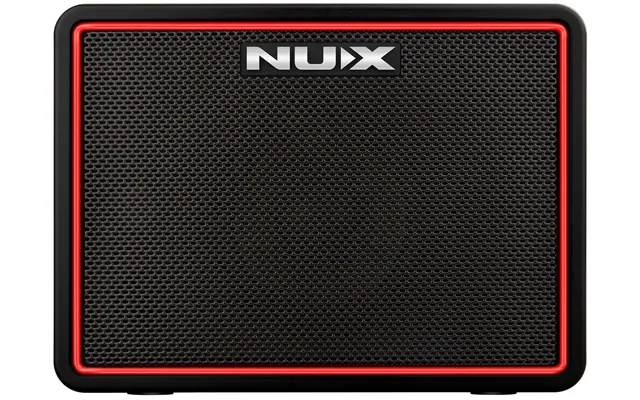
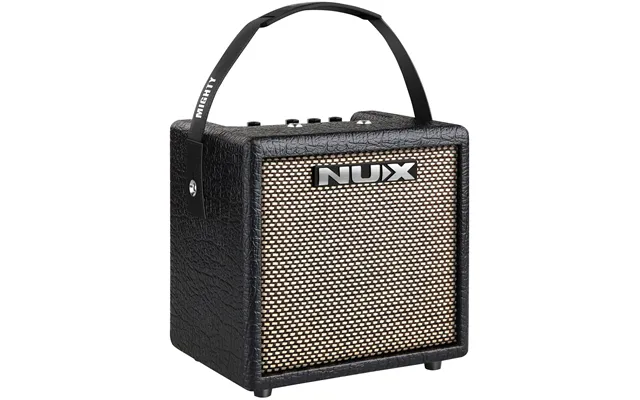
Practice amps today can sound shockingly good. Modeling combos lead the charge with authentic tones, built-in effects, and headphone outputs, while compact solid-state combos keep things simple and reliable. Look for an amp with a responsive feel at low volume and a speaker size that suits small rooms—many players love the articulation and punch of 8-inch and 10-inch speakers for tight, focused sound at home.
When rehearsals and local gigs are on the calendar, think of a combo with a 12-inch speaker for that sweet spot of fullness and projection. Plenty of modern amps include essentials like reverb, a good overdrive channel, and user-friendly controls. If your band is loud, choose something known for clean headroom so your pedals don’t get lost. If your band is more relaxed, a tube combo that breaks up smoothly can be magic.
For bigger rooms and outdoor gigs, a head with a 2x12 or 4x12 cabinet can be the thunder you’re after. The benefit of modular rigs is flexibility: swap heads, try different cabs, and refine your sound as your needs evolve. Make sure to match your head and cab ratings exactly as the manufacturer specifies—this ensures safe operation and optimal tone. Prefer flexibility with fewer boxes? Many flagship combos deliver stage authority while still fitting in the boot of a small car.
Bassists need authority, clarity, and feel. The right amp gives you definition so each note lands with intent. Modern bass combos offer portable muscle, while separate heads and high-efficiency cabinets bring stadium-style punch in modular form. The goal is simple: smooth lows, clear mids, and the right amount of bite to lock in with the drums.
Traveling light? Compact combos and mini heads paired with a single lightweight cabinet can surprise you with how full they sound. Look for a cabinet with a well-voiced 12-inch or 15-inch speaker for depth, and consider features like a versatile EQ and a mute switch for quick tuning breaks. For players commuting via public transport or tight car shares, a small-format combo is a sanity saver.
If you’re pushing big stages or loud rehearsals, a sturdy head with ample clean performance and a robust cabinet or two brings authority. Many bass heads excel with switchable voicing filters so you can tailor your sound to the venue. For cabs, a 4x10 setup is a classic for punch and articulation, while a 1x15 paired with a 2x10 can blend depth and definition beautifully.
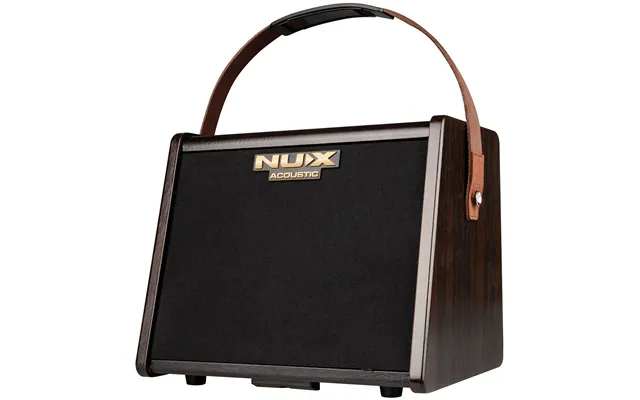
Acoustic amps are all about honesty. You want your guitar’s woodiness, sparkle, and dynamics to come through without harshness. The best acoustic combos offer a clean preamp voiced for piezo or microphone input, with tasteful effects like chorus and reverb tailored to acoustic tones. If you sing, look for a second channel with vocal processing—one box, one trip from the car, and you’re set.
Two-channel designs are a lifesaver: plug your guitar into one and your vocal mic into the other, and you’ve got a mini-rig for coffeehouses, pubs, and wedding ceremonies. Built-in feedback control and a notch filter help tame problem frequencies without killing your tone. Little quality-of-life touches—like an angled cabinet for better monitoring—make a big difference on tight stages.
Acoustic stages can be tricky. Feedback tends to pop up right when your set is going well. Look for amps that offer phase switches, smart anti-feedback tools, and musical EQ. A well-placed mid control can warm up a thin-sounding pickup or cut mud in a boomy room. It’s like having a sound engineer living inside your amp.
Keyboards need full-range amplification to reproduce deep lows, clear mids, and smooth highs. A dedicated keyboard amp or a full-range combo is ideal when you want to hear yourself clearly on stage without relying solely on monitors. Plenty of modern keyboard amps include multiple inputs, so your stage piano, synth, and even a drum machine can live in one box.
Stereo rigs can make lush pads and piano reverbs sound wider, but mono setups are often simpler and more predictable live. Consider how many inputs you need, whether you want a dedicated mic input, and if onboard EQ is flexible enough to tame room boom. Cabinet size matters too: a system with a 12-inch speaker often balances body and clarity for keys, while a 15-inch speaker leans towards more depth.
If you switch instruments or want maximum flexibility, a powered speaker paired with an amp modeller or a pedalboard preamp can be a streamlined solution. This approach is popular with guitarists using modern modelers, solo performers running backing tracks, and keys players who want full-range clarity. It’s also a great way to keep your sound consistent across rehearsal spaces and venues.
Powered speakers shine when you want transparency and adaptability. You can plug in a modeller for electric guitar, your acoustic pedal for natural tones, and keys straight in for honest playback. Choose a cabinet with a robust 12-inch or 15-inch driver for rich lows and keep an eye on portability—some designs pack big sound into manageable footprints.
Comparing amplifiers is like test-driving cars: looks and specs matter, but the feel matters most. Still, a smart checklist keeps you from missing essentials. Consider the speaker size, cabinet style, tone controls, and connections you’ll actually use. A simple control set you love is better than a spaceship panel you never touch.
Speaker size shapes feel. A 10-inch speaker can be tight and responsive, a 12-inch is the versatile all-rounder, and a 15-inch leans warm and deep. Cabinet style matters too—open-back designs spread sound and feel airy, while closed-back cabs deliver focused punch. Try them if you can; your ears will tell you immediately which direction pulls you in.
Think through your rig. Do you need a headphone output for silent practice? Want an effects loop for time-based pedals? Planning to feed a mixer directly? Some amps include balanced outputs and speaker-silent options for late-night recording. The more you plan ahead, the fewer roadblocks you’ll hit later.
Built-in effects save time and pedalboard space. A touch of reverb can put your guitar in a “room,” while chorus thickens clean tones. For modeling amps, explore how convincing the core amp voices feel to your hands. It’s not just about the sound—it’s how the amp responds when you dig in or play softly.
Some amps feel featherlight; others are solid like a brick. Consider weight in pounds, handle placement, corner protectors, and grill sturdiness. If you gig regularly, robust construction isn’t a luxury—it’s peace of mind. Wheels and tilt-back designs can be game-changers for solo load-ins.
The chemistry between your instrument and your amp is everything. A bright guitar wants an amp that doesn’t get harsh under pressure. A dark-sounding instrument might appreciate an amp with open highs. Pedal lovers should look for amps that take effects well—especially drives, delays, and modulations—without losing clarity or dynamics.
Single-coil pickups often sparkle and chime; they can sing through amps known for clarity and a lively top end. Humbuckers bring a thicker voice and may benefit from amps that stay defined when pushed. If you use both, find an amp that’s flexible—something that lets you shape mids and highs quickly so you can adapt on the fly.
If your sound relies on pedals, pay attention to the amp’s front end. Some amps love being pushed by overdrives and boosts and will retain note definition beautifully. Others prefer most of the gain coming from themselves, with pedals used for flavor. Try your must-have pedals with the amp you’re eyeing; that five-minute test can save you months of “almost right.”
In the UK, the amplifier market is rich with choice, and comparing options is the smartest first step. Price tags can vary, and bundles sometimes include useful extras like footswitches or covers. Use a trusted comparison platform such as ZoneOffer to line up features side by side, find standout deals across reputable sellers, and track price drops. Look beyond the headline and check what’s included—sometimes the best value hides in the details.
There’s gold in every category. New gear gives you that fresh-out-of-the-box confidence. Used amps can be incredible value if properly vetted. Refurbished units, inspected and restored by qualified technicians, often deliver savings with added assurance. If you’re shopping pre-owned, check the speaker condition, control pots for scratchiness, and the overall noise floor when you’re not playing.
Reviews are helpful, but your ears are the final judge. Watch demos with good audio and listen for how the amp reacts when the player changes picking intensity. If a demo shows both clean and driven sounds at different volumes, even better. When possible, try the amp with your own instrument—your feel and your gear chain matter more than any spec sheet.
Look after your amp and it will look after you. A little upkeep goes a long way, and small habits can prevent big headaches. Keep your amp clean, give it breathing space, and avoid sudden jolts. If you tour or rehearse often, a protective cover or case can lengthen its life by years.
Dust is the enemy of electronics, and moisture isn’t far behind. Wipe down your amp periodically, avoid damp environments, and let it warm up gently before pushing it hard—especially if it’s been in a cold car. If you own a tube amp, follow the manufacturer’s guidance for service intervals and part replacements. When something sounds off—strange hums or sudden volume drops—don’t ignore it. Small fixes are cheaper than big ones.
Use proper lifting techniques, protect corners, and don’t stack heavy cases on top of exposed controls. In storage, keep amps off cold floors and away from radiators. If you’re relying on a head-and-cab rig, secure cables neatly to avoid snags in a dark venue. Treat your amp like a musical partner, not just a box—it’ll reward you every time you plug in.
Curious where to start? While your ears should decide, certain lines have earned reputations for good reason. Explore multiple options, read current UK user feedback, and compare offers across sellers so you lock in the right fit at the right price.
For practice and versatility, modeling combos such as the Boss Katana series and Line 6 amps are popular for offering convincing tones, flexible features, and handy software control. If you want classic British roar, Marshall combos and heads remain iconic—pair them with a 1x12 or 2x12 cabinet depending on how much stage spread you need. Fender combos are beloved for shimmering cleans and lush reverb, making them a go-to for blues, indie, and country players. Vox amps bring jangly chime and touch sensitivity, while Orange amps deliver thick, textured drive in compact footprints. Blackstar offers flexible voicing that bridges American and British flavors for players who cover a lot of ground.
Ampeg remains a top pick for that unmistakable punch and growl many bassists crave, from compact combos to serious stage heads. Fender bass combos are known for user-friendly controls and solid low-end presence, perfect for rehearsals and small venues. Gallien-Krueger and Hartke rigs deliver modern articulation and tight response, excellent for players who want crisp note definition. If portability is a priority, look into lightweight cabinets with efficient drivers—they can feel surprisingly muscular without crushing your back.
For acoustic players, Fishman Loudbox and similar two-channel designs are favorites for clean, natural sound with practical gigging tools like feedback suppression. Roland’s acoustic amps also offer polished tones and dependable build. For keys, Roland KC amps are a long-standing standard because of their multi-input setups and stage-friendly presence. If you prefer a generalist approach, a full-range powered speaker with your instrument’s preamp or modeler can cover acoustic, electric, and keys in one tidy package.
Here’s a fast-track checklist. First, define your primary use—home, rehearsal, or stage. Next, shortlist a few amps that fit that context and your instrument. Then, test them with the sounds you rely on most—your favorite clean passage, your go-to rhythm tone, and your lead sound. Finally, compare prices across UK sellers on a trusted comparison site and watch for bundles that include useful accessories. It’s like matchmaking: once you find “the one,” you’ll know in minutes.
Bring your own guitar or bass, your key pedals, and a short set of riffs you know inside out. Keep your test quick and repeatable. If an amp makes you play more—and smile more—it’s telling you something.
Speakers shape feel more than many players realize. If two amps sound similar, the one with the right speaker size and cabinet design for your genre and venues will usually win. A well-voiced 12-inch driver is the Swiss Army knife of guitar live work; for keys and full-range signals, a 12-inch or 15-inch driver gives your lows a confident foundation.
A simple pedalboard with a quality tuner, a drive you love, and maybe a delay or reverb can be all you need. For acoustic rigs, a compact preamp pedal with feedback control is a lifesaver. Bassists often benefit from a clean preamp or compressor to even things out. Don’t forget rugged instrument cables and a reliable power strip. An amp stand that tilts the cabinet toward your ears can help you hear yourself better without turning up.
If you’re using a head, consider a cabinet with the right speaker layout for your needs—1x12 for portability, 2x12 for bigger spread, 4x12 for old-school punch. Players who record or run “silent stages” may pair their amp with a reactive load box and an impulse response solution to get consistent, mic’d-cab flavor without stage volume. It’s a powerful hybrid approach: your favorite amp with flexible output for any venue or studio setup.
Choosing a musical instrument amplifier is a journey—part science, part art, and entirely personal. Start with how and where you play, then pick the format that fits: combo for simplicity, head and cab for flexibility, or full-range solutions for multi-instrument versatility. Listen closely to how the amp responds to your touch, consider the speaker and cabinet design, and make sure the features align with your actual needs. Finally, compare offers across trusted UK sellers using a reliable comparison platform so you secure the best value. Find the amp that makes you want to play more—that’s the real win.