

Hobby Horses price list
Last updated Tuesday, 27 Oct 2026




View 17 Offers





Loading...
Last updated Tuesday, 27 Oct 2026
Hobby horses are the kind of timeless toy that never gets old—think plush horse heads on sturdy sticks, sometimes with sound effects, reins, or even rocking bases. They’re simple, but that’s exactly the magic. Kids get to gallop around the living room or the garden, invent stories, and exercise without even realizing it. In the UK, hobby horses and riding toys are having a serious moment, and it’s not hard to see why: they’re screen-free, affordable compared to many big-ticket toys, and wildly imaginative. Whether you’re shopping for a toddler’s first riding toy or a bigger child who wants to “train” for pretend show-jumping, you’ll find an option that hits the sweet spot between fun, safety, and budget.
Before you compare deals, it helps to know the different styles out there. Not all hobby horses are created equal, and the right pick depends on your child’s age, play style, and space at home. Some are stripped-back classics for pure imagination; others add sounds, plush finishes, or rocking frames for a ride-on feel. You’ll also find accessories like jumps, grooming kits, and stable playsets that extend the fun hours. Below, we break down the most popular types you’ll see when browsing UK listings, along with the standout features that matter in day-to-day play.
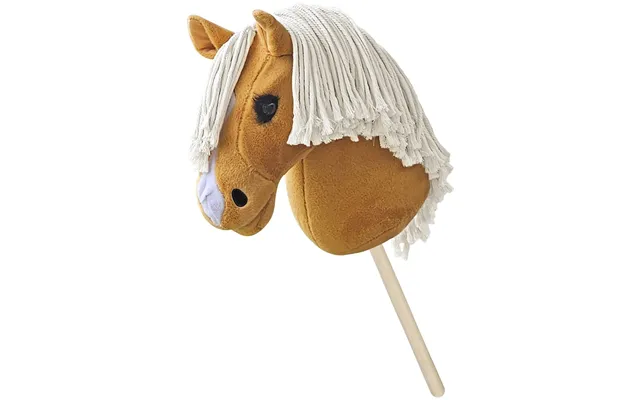
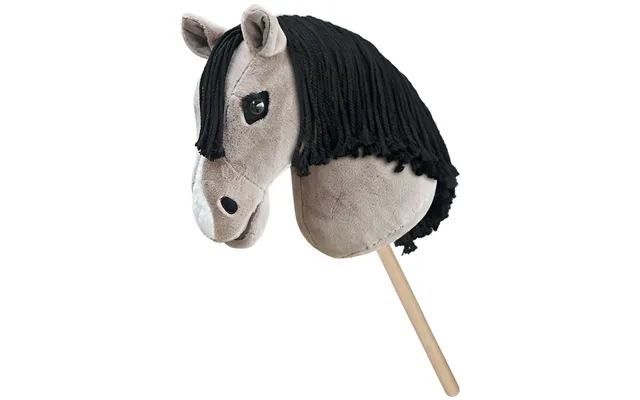
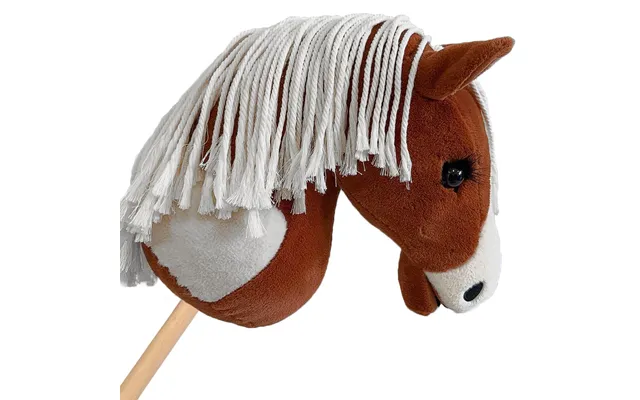
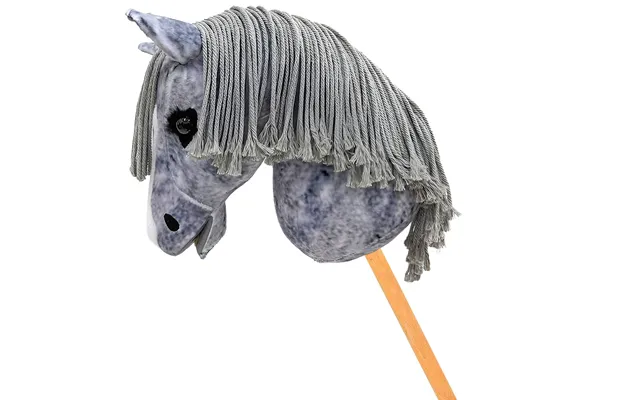
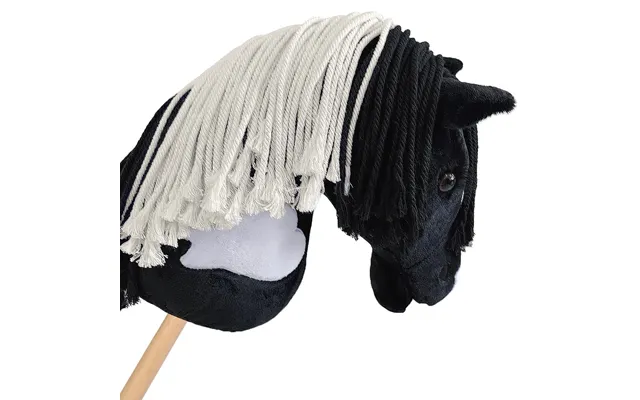
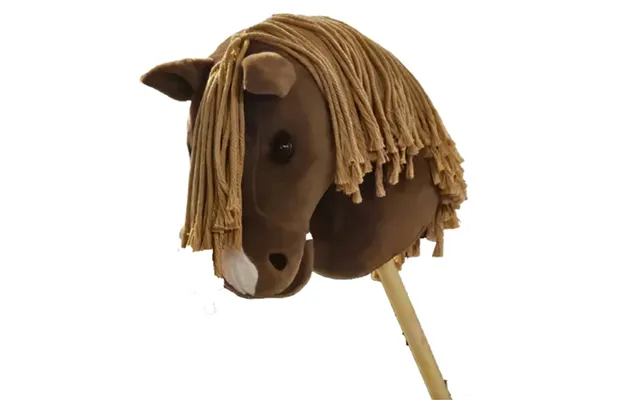
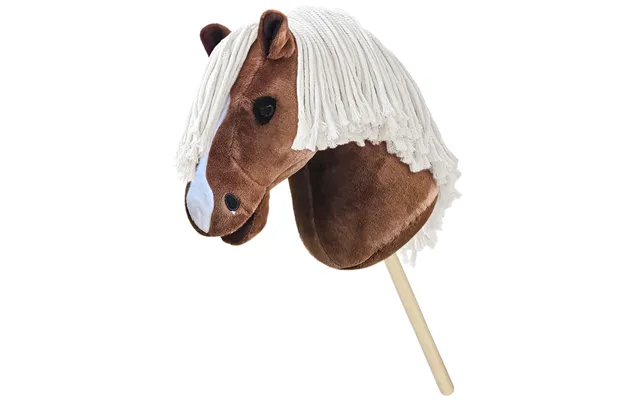
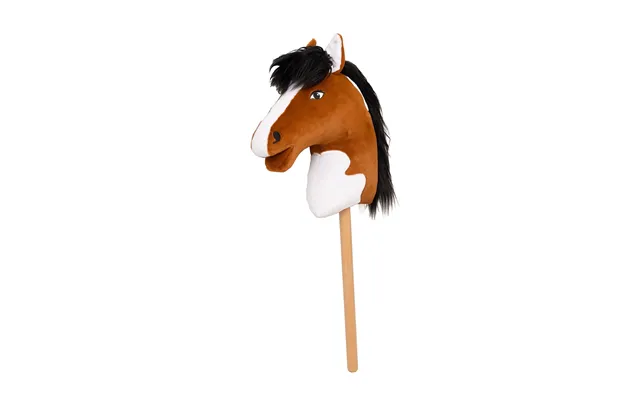
Classic stick horses are as straightforward as it gets: a soft horse head attached to a stick, often between 24 and 40 inches long. They’re light, easy to carry, and perfect for zooming around the house. Look for rounded end caps so there are no pokey edges, a comfortable grip, and a plush head with securely stitched features. The simplicity is a win here—no batteries, no fuss, just galloping and neighing. These are ideal for younger kids who want to pretend ride without complex controls. Plus, they store upright in a corner, under a bed, or behind a door, which is a lifesaver in compact homes.
If your child lights up at buttons and sounds, interactive hobby horses add a dash of excitement. Pressable ears or cheeks can trigger neighs, galloping sounds, or playful music. Check whether the sound module uses replaceable batteries and has a discreet off switch—quiet time matters! A plush head with soft ears, a gentle muzzle, and embroidered eyes prevents small detachable parts. Some models add light-up accents for extra drama, but the real value is in the sound feedback that keeps little riders engaged longer. It’s a fun upgrade that often costs a bit more but can transform the experience for budding equestrians.
Rocking hobby horses bridge the gap between a stick toy and a ride-on. They typically feature a plush horse mounted on wooden or curved plastic rockers with a seat height you’ll want to match to your child’s leg length—often around 12 to 20 inches off the floor. Look for wide, stable rockers, grippy handles, and a snug seat. These are great for indoor play areas and can calm energetic kids with a soothing rocking rhythm. While not as portable as stick horses, rocking versions feel like a “big” toy and make terrific centerpiece gifts for birthdays or holidays.
Got a crafty kid? DIY and customizable hobby horses are trending for good reason. You can start with a simple base and add reins, decorative ribbons, rosettes, or even a handmade bridle. Some families turn hobby horses into a full afternoon project—painting the stick, choosing a mane, and naming the new “pet.” This hands-on approach boosts creativity and ownership, and it’s budget-friendly if you already have supplies. You can also find mix-and-match accessory packs—like halters, brushes, and saddle blankets—so your child can personalize their horse over time without buying a brand-new toy.
Hobby horse sizing matters more than you might think. A stick that’s too long can be awkward to handle, especially indoors, while one that’s too short can force a hunched posture. As a rule of thumb, measure from the floor to your child’s mid-torso or shoulder, then choose a stick length that feels natural for holding and trotting—many families find 28 to 36 inches hits the sweet spot. For rocking horses, check the seat height and make sure your child’s feet can touch the floor for stability. Also consider grip thickness, head size, and overall weight—lighter is usually easier for younger riders.
For toddlers around 2 to 3 years old, a shorter stick—about 24 to 28 inches—keeps things manageable. Ages 4 to 6 often thrive with mid-length options in the 28 to 34 inch range, balancing control and room to grow. For ages 7 and up, longer sticks around 34 to 40 inches can feel more realistic and comfortable. For rocking horses, seat heights around 12 to 16 inches work for younger riders, while older kids may prefer 16 to 20 inches. Every child is different, of course, so when in doubt, choose the size that supports confident, upright play without reaching or wobbling.
When you’re scanning offers, keep a short checklist in mind: materials, stitching, safety caps, handle comfort, and any extras like sounds or accessories. Plush heads should feel soft but durable, with embroidered features that won’t come loose. Sticks should be smooth, without splinters, and capped at the end. If sound effects are included, make sure there’s an easy battery compartment—ideally with a small screw closure—and an off switch. For rocking versions, look for stable bases, non-slip grips, and a weight rating that comfortably exceeds your child’s current weight. A few smart checks up front can save time, money, and headaches later.
Material choice influences both safety and longevity. A hardwood or thick-walled plastic stick resists bending and snapping, while a plush head made from durable fabric stands up to daily hugs and the occasional tumble. Reinforced stitching where the head meets the stick is a must. If your child has sensitivities, look for low-shed manes and soft fabrics that feel gentle on the skin. For rocking horses, solid wood bases and sturdy brackets help prevent tipping. The best-built hobby horses feel secure in hand, with no rattles or loose threads, and they keep their shape after months of imaginative play.
Safety starts with the basics: rounded end caps, smooth edges, and securely attached parts. Avoid models with small detachable decorations that could become choking hazards. Handles should be easy to grip without digging into little palms, and the head should be proportioned so it doesn’t feel top-heavy. For sound-enabled versions, the speaker volume should be friendly to indoor play—fun, not overwhelming. Rocking horses should sit evenly on the floor without wobble, and any straps or seat supports should be comfortable yet snug. Comfort might not be flashy, but it’s the difference between a toy that sits in the corner and one that’s loved daily.
Accessories can turn a simple hobby horse into a whole world of pretend play. Think soft reins, grooming kits, rosettes, halters, and even mini “feed” buckets for make-believe stable time. These extras boost the storytelling—kids can brush the mane, practice “leading,” and award ribbons after a backyard show. If you’re gifting, adding one or two accessories can make the experience feel complete without breaking the bank. Just be sure any add-ons fit the toy you’re buying: reins that are too long or clips that don’t latch properly can be frustrating. Start small and let your child steer the upgrade path.
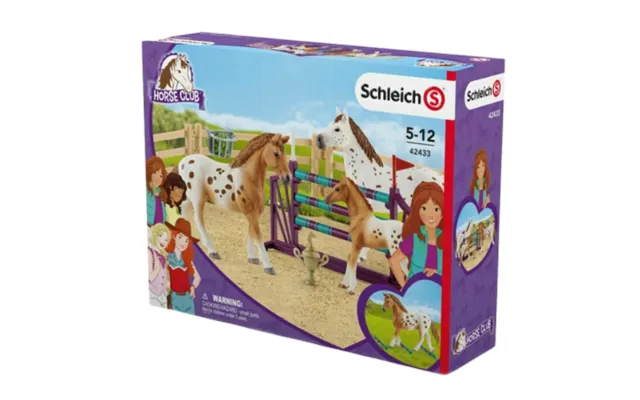
Want to bring the excitement of a show ring to your garden? Set up a simple course with cones, broom-handle poles, or purpose-made jump stands. Start low—around 6 to 8 inches—and gradually work up to 12 or 18 inches for older kids. The goal is confidence, not height records. Space jumps a few feet apart, add a “start” and “finish” line with chalk or string, and time each run to spark friendly competition. It’s a playful way to develop coordination, rhythm, and focus. Always keep surfaces clear and non-slip, and supervise as kids pick up speed or try new patterns.
Stable play turns a single toy into an immersive routine: grooming after a “ride,” feeding, and tucking the horse “into the stable.” A small brush, a soft cloth for the muzzle, and a few ribbons for the mane go a long way. Add a pretend halter and lead rope for leading practice, and store everything in a labeled bin so it’s easy to tidy up. These rituals encourage responsibility and empathy, and they stretch playtime well beyond the gallop. If space allows, a foldable play stable or a simple nook with a blanket “stall” gives kids a cozy base for their equine adventures.
Hobby horses deliver a surprising set of benefits. Physically, kids practice balancing, turning, and setting a rhythm—like a mini cardio session in disguise. Mentally, they build narratives, make decisions, and try on roles as riders, trainers, or show judges. That kind of pretend play strengthens language skills and emotional intelligence. Plus, setting up courses and “training sessions” introduces goal-setting and persistence. For shy children, a hobby horse can be a friendly bridge to social play—riders often invite siblings or friends into the story. It’s a classic toy that supports whole-child development, with no screens required.
To uncover real savings, use price-comparison platforms that gather offers from multiple retailers, then filter by price, reviews, and features. You’ll quickly see which hobby horses offer the best value for your budget and which ones are just flashy photos. Pay attention to verified ratings, product descriptions with exact measurements, and clear photos of the end cap, handle area, and stitching. If you’re deciding between two similar options, prioritize build quality and safety over gimmicks—those are the toys that last. Also, keep an eye on bundle offers with accessories; they can stretch your money farther than buying add-ons later.
Timing matters. Prices often dip during holiday promotions, late winter clearances, and end-of-summer sales. If you can, set price alerts for models you like and watch for coupon stacking opportunities. Aim to buy off-peak—after big gifting seasons—when stock is still good but demand has cooled. For big, ride-on rocking horses, consider shopping earlier so you’re not squeezed by limited inventory. And if you’re gifting, grab accessories like grooming kits or rosettes when you spot a deal; they add charm without adding much to your total. A little planning can unlock surprisingly deep discounts.
Hobby horses are low-maintenance, which is part of their appeal. For plush heads, spot clean with a damp cloth and mild soap, then air dry thoroughly. Brush the mane gently to keep it tidy. If the toy has sound effects, remove batteries before long storage periods and keep the compartment dry. Wipe sticks with a soft cloth to remove grime, checking the end cap regularly for a snug fit. Rocking horses appreciate a stable, dry spot—avoid damp garages or basements. A simple fabric bag or closet corner keeps dust at bay and makes it easy for kids to “stable” their horse after play.
Common pitfalls are easy to dodge once you know them. Don’t guess the size—measure and match. Don’t overlook the end cap, handle comfort, or stitching; they’re small details that make a big difference. Avoid models with lots of tiny, detachable trim on the head—cute on day one, risky by day three. Be wary of sound toys without an off switch, and double-check that batteries are standard sizes you can replace. Finally, don’t be swayed by accessories you won’t use; it’s better to buy a solid base toy and add a couple of well-chosen extras later.
Budget-friendly hobby horses can be fantastic for younger kids or occasional play. You’ll typically get a lighter stick, simpler plush, and minimal extras. Premium options often add thicker plush, reinforced stitching, realistic detailing, and features like soft reins or adjustable straps. Rocking horses at the higher end frequently use sturdier wood, grippier handles, and cushier seats. The key is matching the toy to your child: for daily, high-energy play, durability pays off; for a first hobby horse or a tight budget, a well-made basic model can deliver enormous joy without stretching your wallet.
When you’re ready to choose, run through this fast checklist: Is the stick length a comfortable fit (aim for about mid-torso to shoulder height)? Does the end cap sit firmly and smoothly? Are facial details embroidered instead of glued on? Does the head feel balanced, not wobbly? Are handles easy to grip? If there’s a sound module, is there an off switch and simple battery access? For rocking horses, is the seat height appropriate and the base stable? Finally, does the listing show clear measurements and close-up photos? If you can say “yes” to most of these, you’ve likely found a winner.
Hobby horses blend classic charm with modern features, and the best part is how flexible they are: from simple stick designs to interactive sound models and cozy rocking versions, there’s a perfect fit for every young rider. Focus on size, safety, and build quality first, then sprinkle in accessories to keep the fun fresh. Use comparison tools to line up prices, watch for seasonal dips, and grab bundles when they make sense. With a little savvy, you’ll land a hobby horse that sparks imagination, strengthens coordination, and delivers big smiles—without galloping past your budget.