

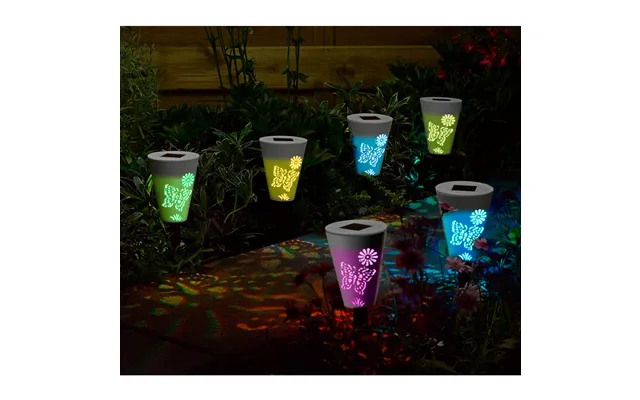
Butterfly Feeders price list
Last updated Monday, 19 Oct 2026
| Butterfly Feeders | Price |
|---|---|
| Silhouette Butterfly Stakes 6 Pack | £9.99 |




Loading...
Last updated Monday, 19 Oct 2026
| Butterfly Feeders | Price |
|---|---|
| Silhouette Butterfly Stakes 6 Pack | £9.99 |
Have you ever watched a butterfly land and felt a small jolt of joy? Butterfly feeders turn that moment into a regular habit. They’re an easy, low-effort way to welcome a range of pollinators to your outdoor space, boosting color, scent, and life in the garden. Plus, they make for brilliant wildlife photography and relaxed wildlife watching from a window or patio.
Beyond the sheer delight, feeders support butterflies when natural nectar sources are scarce—during dry spells or early spring and late fall. Think of feeders as a cozy café in your backyard that fills empty bellies and helps fragile populations thrive. If you’re trying to create a butterfly-friendly habitat, feeders are a core tool in your kit.
Butterfly feeders come in several styles, each suited to different garden sizes and butterfly behaviors. Knowing which type matches your garden and the species you hope to attract makes a big difference.
Nectar feeders are designed to mimic the sugary fluids butterflies sip from flowers. They often look like shallow dishes, hanging cups, or small inverted reservoirs with wide rims. You’ll pour the sugar water into them, and butterflies will perch and drink comfortably. These are great for species that prefer a flat landing area and useful when you want a tidy, predictable feeding spot.
Some butterflies prefer fermenting fruit to plain nectar. Fruit feeders hold slices of overripe banana, orange, or mango on a shallow tray where butterflies can land and probe. These feeders are perfect if you’re attracting species like red admirals or certain fritillaries that love fruit juices and minerals from decaying fruit.
Sponge-style feeders use a water-holding sponge or cloth soaked in sugar solution, positioned on a shallow dish. Platform feeders are flat trays with rotting fruit, mud, or slices of citrus. Both are approachable designs for butterflies to land and feed without struggling to find a tiny opening.
On a budget? You can make an effective DIY feeder from items you already own. A shallow saucer or a small plastic dish with pebbles, a sponge soaked in sugar water, or a pierced peel of a banana works well. DIY feeders let you experiment with form and placement, and they’re a fun weekend craft with a big payoff in wildlife visits.
Not all feeders are created equal. When you shop, consider features that will keep butterflies safe, your feeder clean, and your garden neat. Look for shallow dishes, easy-to-clean materials, and secure hangers that won’t swing wildly in the wind.
Also check for ant guards or designs that allow you to elevate the feeder above crawling insects. If you live in a rainy area, a little roof or lip helps keep the sugar solution from diluting. Finally, think about capacity—how often you want to refill it—and choose a size that fits your routine. A feeder that’s easy to maintain will get used far more than one that becomes a chore.
Material choice affects how long a feeder lasts and how easy it is to keep sanitary. Let’s break down common options so you can match durability to your climate and budget.
Glass and glazed ceramic look attractive and resist stains and odors, but they can be heavy and breakable. If you have a sheltered space or a sturdy hook, these materials give an elegant feel and clean thoroughly. They’re excellent for patios and sheltered porch gardens where the risk of falling is low.
Lightweight and often the most affordable, plastic feeders are easy to hang and replace. Look for BPA-free, UV-resistant plastics to prevent cracking and discoloration in sun-exposed spots. They’re also simple to clean, but some cheaper plastics can hold scents over time—so rotate or deep-clean regularly.
Stainless steel or powder-coated metal feeders are sturdy and weatherproof. They resist rust and are great for exposed yards. Metal feeders with smooth finishes shed dirt and are typically easy to scrub. Just ensure any metal parts don’t get too hot in full sun—hot metal can burn delicate butterfly legs.
While the market offers a variety of specific models, most gardeners choose feeders by type: hanging nectar dishes, platform fruit trays, sponge feeders, and decorative ceramic bowls. In addition to the feeder itself, consider related gear that raises success rates: butterfly houses, shallow water dishes for puddling, and native plant kits to provide natural nectar sources.
If you’re comparison shopping, make a short list of what you want—easy cleaning, capacity in cups, mounting method, and whether you prefer a multi-purpose feeder for hummingbirds and butterflies. This helps you quickly filter options and spot the best value.
Placement matters more than you might think. Butterflies like warm, sheltered spots with easy access to sunlight and nearby perching areas. A sunny corner that receives morning sun and afternoon shade often works best.
Put feeders near flowering plants and away from heavy foot traffic. A spot 6 to 10 feet from a hedge or shrub gives butterflies a safe place to rest after feeding. Avoid hanging feeders too close to bird feeders or places frequented by predators like cats.
Mount feeders roughly 3 to 5 feet off the ground for easy viewing and butterfly comfort—low enough for perching but high enough to stay safe from small mammals. Butterflies warm up in sun, so a location that catches gentle morning sun helps them become active earlier in the day.
Making your own nectar is simple and cheap. A basic sugar-water solution is all you need to get started, but proper concentration and cleanliness are key to keeping butterflies healthy.
Mix 1 cup of white granulated sugar with 4 cups of warm water. Stir until the sugar fully dissolves and let the solution cool before filling feeders. This 1:4 ratio is a reliable starting point for most butterfly species. Avoid honey, artificial sweeteners, or red coloring; these can promote bacterial growth or be harmful to insects.
Refresh nectar every 2 to 4 days in warm weather, or sooner if it becomes cloudy. Rinse feeders each time to prevent mold and fermentation. In cooler months, you’ll refill less often, but still check regularly for spoilage.
Feeders are only part of the story. A truly butterfly-friendly garden combines feeding stations with host and nectar plants, water sources, and safe shelter.
Plant a mix of native nectar-rich flowers and host plants for caterpillars. Nectar plants like buddleia (butterfly bush), coneflowers, and asters offer long bloom periods, while host plants—milkweed for monarchs or nettles for fritillaries—provide places for eggs and caterpillars. Aim for continuous blooms from spring through fall, and cluster plants in bold drifts to make foraging easier for butterflies.
Butterflies enjoy shallow puddling areas where they can sip minerals. Create a puddling tray by filling a shallow dish with wet sand or mud and keeping it damp. Provide sheltered areas with flat stones for basking; butterflies warm their flight muscles in the sun before flying off, so those warm perches are essential.
Even the best feeder can run into issues like ants, mold, or unwanted visitors. These problems are mostly solvable with a little attention and smart placement.
Ants love sugar solutions. Use ant guards or place feeders on thin poles with a moat or oil-filled barrier to block ants from crawling up. Some feeders come with built-in ant protection. Refill indoors and clean the feeder before hanging to reduce stray spills that attract ants.
Cloudy or fermented nectar can harm butterflies. Clean feeders thoroughly with hot water—avoid harsh chemicals that leave residues—and replace sugar solution frequently. A simple rinse and scrub every time you refill prevents most mold build-up.
Birds, spiders, and cats can hunt around feeders. Keep feeders at a reasonable height and away from dense foliage where predators can hide. A clear line of sight helps butterflies spot danger quickly and escape if needed.
When you’re ready to buy, comparison sites are great for spotting deals and comparing features side by side. Prioritize these points: material, capacity (in cups), ease of cleaning, drainage, ant protection, and warranty or return options if offered by the retailer.
Look at customer reviews for real-world notes on durability and whether the feeder attracts the species you want. Comparison tools that let you filter by price, size, and shipping can save time, while photo galleries help you visualize the feeder in your own garden. Finally, check whether replacement parts like sponges or drip trays are available—this extends the life of your purchase.
Feeders need different care depending on the season. In hot summer months, nectar spoils faster, so check daily and replace more often. In cooler autumn weather, you’ll refill less often but keep the feeder clean to prevent pests. Winterizing is as simple as taking the feeder indoors if you expect freezing temperatures or heavy storms.
Routine cleaning is your best friend: a quick scrub with warm water and a bottle brush every refill and a thorough soak weekly will keep your feeder welcoming to butterflies and free of disease vectors.
Think like a butterfly when designing your habitat. Feeders work best as part of a layered garden: low-growing nectar plants, mid-height perches and shelter, and taller shrubs or small trees for roosting. Include a mix of colors and bloom shapes; different species prefer different flower forms.
Make the space comfortable for you, too—position feeders where you can watch from a bench or window. A feeder 4 feet from a seating area is perfect for close-up viewing without disturbing your fluttery guests.
Choose eco-conscious products when you can: durable feeders that reduce waste, recycled materials, and locally sourced plants reduce environmental impact. Avoid pesticides—these are harmful to butterflies and other pollinators. Organic gardening practices and companion planting help create a balanced ecosystem full of beneficial insects.
With simple planning and thoughtful maintenance, a butterfly feeder becomes more than a decorative touch. It’s a small investment that grows into a lively, sustainable corner of nature right at home.
Ready to welcome more butterflies? Start by picking a feeder type that matches your garden, plant a few native nectar sources, and enjoy the show. You might be surprised how quickly those delicate wings become a daily highlight.
Conclusion: Butterfly feeders are an accessible, rewarding way to support local pollinators and enrich your outdoor space. Whether you choose a handcrafted ceramic bowl, a simple sponge feeder, or a DIY fruit tray, the key is cleanliness, correct nectar concentration, and smart placement. Combine feeders with native plants and water sources, and you'll create a habitat that keeps butterflies coming back season after season.