

Fire Alarms price list
Last updated Sunday, 18 Oct 2026



View 8 Offers


Loading...
Last updated Sunday, 18 Oct 2026
Fire moves fast, and smoke is even faster. In just a few minutes, a small flame can turn into a serious emergency. That’s why a reliable fire alarm isn’t a nice-to-have; it’s a must-have. The right setup can warn you early, wake you up at night, and guide your family to safety. If you’re comparing offers and trying to make sense of models, sensors, and smart features, you’re not alone. The good news? With a little know-how, you can choose confidently, keep false alarms to a minimum, and find a deal that actually saves you money. On a comparison site like ZoneOffer, you can quickly line up the specs, see what’s popular, and decide what will work best for your space without guessing.
Think of smoke detection like catching two different kinds of villains. Photoelectric sensors excel at spotting slow, smoldering fires—the kind that produce lots of smoke first, like a cigarette on a couch. Ionization sensors react faster to fast-flaming fires, such as grease or paper catching quickly. If you want broad protection, a dual-sensor alarm combines both. Concerned about nuisance alarms when you’re searing steak? Photoelectric alarms are generally less jumpy around cooking vapors. Many homes choose photoelectric or dual-sensor units in living areas and bedrooms to balance speed and reliability.
Kitchens and attached garages aren’t ideal spots for standard smoke alarms because normal cooking vapor or car exhaust can set them off. That’s where heat alarms shine. They trigger when temperatures rise quickly or surpass a set threshold, helping you detect a fire without constant false alarms. Install heat alarms in kitchens, loft spaces, laundry rooms, and garages, and pair them with smoke alarms elsewhere so you don’t miss a thing.
Carbon monoxide is silent and invisible, which makes a smoke and CO combo a compelling all-in-one choice. These units consolidate two life-safety functions into one device, saving you space while covering both risks. If you have gas appliances, an attached garage, or a fireplace, a CO sensor is essential. Look for models that can tell you which hazard is detected with clear voice alerts so you never have to guess what’s happening in a stressful moment.
Smart fire alarms take peace of mind to the next level. With Wi‑Fi connectivity and an app, you get phone alerts if an alarm sounds, even when you’re out. Left the house and wondering if you turned off the stove? A quick check of your app can ease your mind. Some smart alarms can tell you which room triggered the alert, notify friends or family, and even integrate with smart lighting to guide your way in an emergency. If you travel frequently or manage a rental, the convenience and awareness are hard to beat.
One of the smartest features is automatic self-testing. Instead of relying on a calendar reminder, the alarm quietly checks its sensor, siren, and battery. You’ll get a notification if something needs attention. The “hush” or “silence” feature is another sanity-saver, letting you briefly quiet a nuisance alarm from the unit itself or your phone. Imagine stopping a false alarm while your oven does its thing—without fetching a step stool. Just aim for models that make it obvious when it’s a real event vs. a snoozed one.
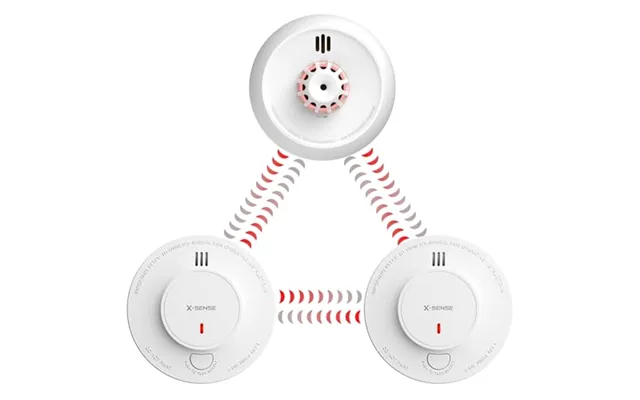
Interconnected alarms create a safety net: if one sounds, they all sound. Hardwired systems use your home’s wiring to link alarms and include a backup battery for power cuts. The benefit is instant, whole-home awareness. If a smoke alarm in the hallway detects trouble, the bedroom alarms will shout too, buying you critical seconds to wake up and get out. If you’re renovating or building, hardwiring is a reliable, long-term route—just make sure the backup battery is easy to test and replace.
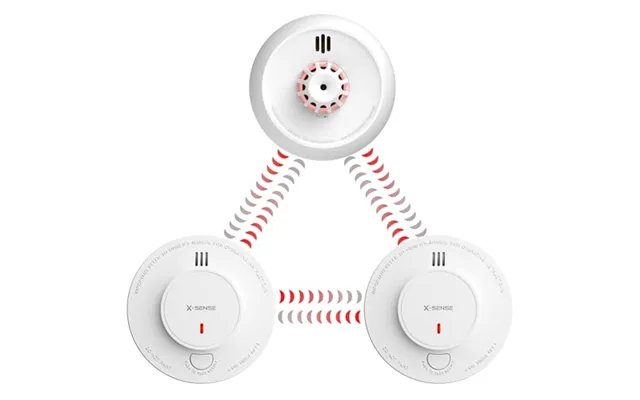
No wiring? No problem. Wireless interlink alarms pair through radio signals so they can communicate without opening your walls. They’re fantastic for older homes, rental properties (with permission), or any setup where you want speedy installation. Some systems let you expand gradually—start with a few units and add more rooms later. If you mix brands, confirm compatibility before you buy; in most cases, alarms need to be from the same brand family to interconnect successfully.
A good alarm is quick on real smoke and calm during normal life. Look for models with smart diagnostics, dual-sensor options, and smoke entry designs that resist dust and insects. A built-in mesh screen, for example, can stop tiny pests that might otherwise cause a nuisance alert. If you get frequent kitchen smoke, consider a heat alarm nearby and place smoke alarms a bit farther from cooking appliances to cut down on false triggers.
Power is your foundation. Battery-only alarms are easy to install and great for renters. Sealed 10‑year batteries mean no yearly replacements and fewer chirps. Hardwired alarms draw power from your home and add a battery as backup. If you prefer “set it and forget it,” sealed long-life batteries are a winner. If you’re comfortable with occasional battery changes, standard units can be more budget-friendly. Whatever you choose, make testing a habit so you know that siren will scream when you need it.
In an emergency, clarity matters. Louder alarms—typically rated around 85 dB at 10 feet—cut through background noise and sleep. Some models use voice alerts to say “Fire in the hallway” or “Carbon monoxide detected,” removing ambiguity. Visual signals, like a bright ring light or strobe, help in loud environments and assist anyone with hearing loss. If you have kids or heavy sleepers, voice prompts and higher-volume sirens can make a real difference.
First Alert and BRK have a long history in residential safety, with a broad range of hardwired and battery-powered units. You’ll find dependable photoelectric smoke alarms, heat alarms, and combo smoke/CO models, many with interlink options. Their interconnected systems are popular in larger homes where one alarm needs to wake everyone, everywhere. You’ll also see models with voice alerts and easy-access battery drawers for quick changes.
Kidde (including Firex) offers solid value and plenty of choice, from simple battery alarms to hardwired, interconnected setups. If you’re upgrading multiple rooms, you may find bundles that include several smoke alarms and one or two CO units, making it easier to cover bedrooms, hallways, and living spaces in one go. Look for models with hush buttons, tamper-resistant features, and end-of-life signals that are clear but not disruptive.
Nest Protect helped popularize the smart alarm category with app alerts, self-testing, and spoken notifications. It’s known for a sleek design and convenient “Heads‑Up” warnings that let you fix a situation before the alarm goes full blast. If you want smart features without a premium price, consider alternatives from brands that offer Wi‑Fi alerts and app integrations, including voice assistants. Just make sure the app is well-supported, notifications are reliable, and privacy features are transparent.
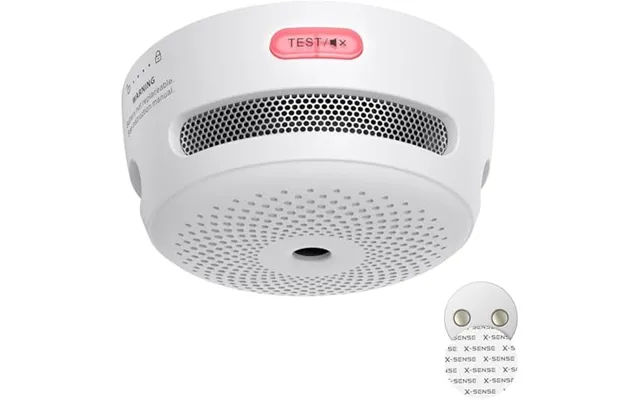
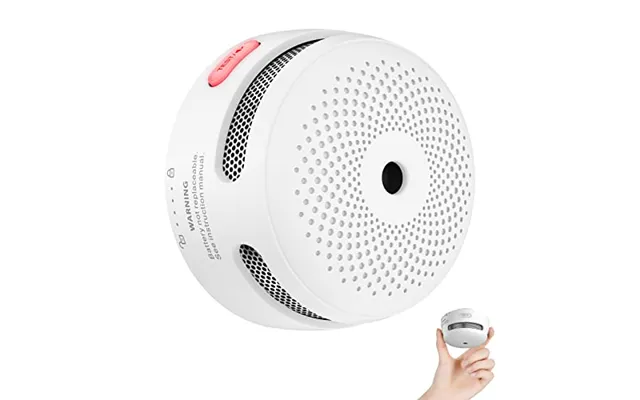
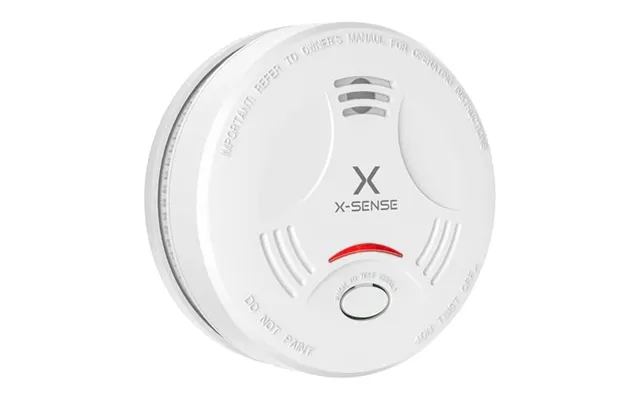
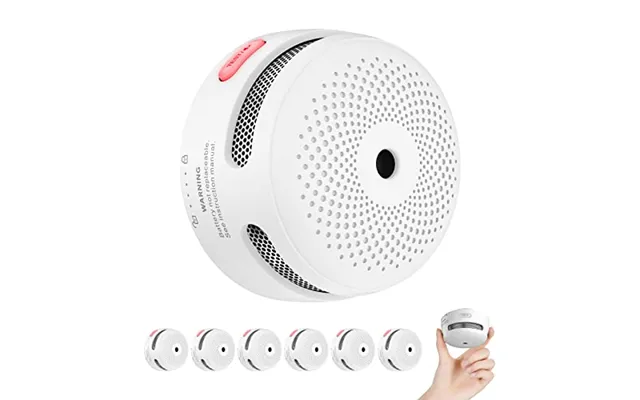
X‑Sense has grown fast by delivering feature-rich alarms at competitive prices. You’ll see options with long‑life sealed batteries, large test/hush buttons, and sleek wall plates that match modern interiors. Budget picks don’t have to be barebones—just check that they meet recognized safety standards and provide clear end‑of‑life and low-battery alerts. A great deal is only great if the essentials are rock solid.
Placement is half the battle. Put smoke alarms on ceilings or high on walls since smoke rises. If ceiling mounting, keep them at least 4 inches away from walls. If wall mounting, place the top of the alarm 4 to 12 inches down from the ceiling. Avoid corners where air can stagnate. Keep smoke alarms at least 10 feet from cooking appliances to reduce nuisance alerts. For pitched ceilings, place the alarm near the high point but not within 4 inches of the peak. Heat alarms go in kitchens, laundry rooms, lofts, and garages. CO alarms should be near sleeping areas and on each level with fuel-burning appliances. Always follow the manufacturer’s instructions, and check local requirements for the number and type of alarms needed.
Most modern alarms mount with two screws and a twist-on base. Use the included template, drill your pilot holes, and make sure the unit is level and snug. If you’re hardwiring, power off at the breaker before you begin, and if you’re not comfortable, hire a qualified electrician. After mounting, press the test button until it sounds. If your system is interconnected, trigger one unit and confirm the others respond. That quick test is like a fire drill for your alarms—it ensures the network is awake and ready.
Tap that test button once a month. It’s a 10‑second ritual that pays off when it counts. Dust can interfere with sensors over time, so gently vacuum around the vents a couple of times a year. If you live near a busy road or have pets, consider a light clean more often to keep particles from building up. For battery-powered units, replace batteries when you hear the chirp—or sooner if your app flags a low charge.
Smoke alarms don’t last forever. Most have a service life around 10 years, while CO sensors often need replacement earlier depending on the model. Check the label on the side or back of your unit—it typically lists a manufacture date and a replacement date. If your alarm has reached its end-of-life, don’t wait. Sensors can drift over time, and a fresh device restores your margin of safety. This is one upgrade you’ll never regret.
An alarm tells you there’s danger; the right gear helps you act. A small multi-purpose fire extinguisher can tackle common household fires—just remember PASS: Pull, Aim, Squeeze, Sweep. A fire blanket in the kitchen can smother pan fires quickly. If you have bedrooms above ground level, a compact escape ladder stored under a bed can create a safe route down. These tools are the backup singers to your alarms, stepping in when the chorus gets loud.
Make a simple plan: two exits from each room if possible, a meeting point outside, and a quick walkthrough with your household. Practice at night occasionally, because that’s when you depend on alarms most. Teach kids how alarms sound and what to do if one goes off. If you have pets, assign someone to guide them out—but don’t let anyone re‑enter once outside. The goal is calm, practiced movements that turn chaos into action.
When browsing offers on a comparison site like ZoneOffer, don’t just skim the price. Scan the sensor type, power source, interlink capability, and warranty. A slightly higher-priced model with a 10‑year sealed battery might save you time, hassle, and money over the long haul. Check whether a bundle includes a mix of smoke, heat, and CO units to cover your whole layout without piecemealing purchases. Reviews can spotlight patterns—like frequent false alarms in kitchens—which helps you choose wisely.
Sales cycle in waves. You may see strong discounts during seasonal promotions, home improvement events, or when new model generations release. Bundles often deliver the best per-unit price and ensure compatibility across your home. If you’re moving into a new place or doing a refresh, adding alarms to your cart at the same time as other safety gear (extinguishers, blankets, escape ladders) can unlock further savings and give you a complete setup in one delivery. Keep an eye on “Popular Offers” to see what’s trending, then compare specs to make sure popularity aligns with your needs.
Popular offers often rise for good reasons: tested reliability, clear alerts, straightforward installation, and strong warranties. You’ll see familiar names—First Alert, BRK, Kidde, Firex, Nest Protect, X‑Sense—because they deliver models for just about every scenario, from studio flats to large family homes. But popularity shouldn’t replace your checklist. Match the alarm to the room, choose interlinking where it makes sense, and factor in long‑term costs like batteries or subscription features if you go smart. In other words, let “popular” guide you, not drive you.
Start with interconnected smoke alarms in sleeping areas and hallways so if one sounds, they all sound. Add a heat alarm in the kitchen and garage, and place a CO alarm near bedrooms and any level with fuel‑burning appliances. If you want remote alerts, choose a smart lineup for the main devices and keep a traditional smoke alarm or two as budget-friendly extras in secondary rooms. Prioritize 10‑year sealed batteries if you’re not keen on annual replacements. Round out your safety with a small fire extinguisher on each level, a fire blanket in the kitchen, and an escape ladder for upper floors. That balanced mix gives you early warnings, clear instructions, and practical tools to respond.
Three pitfalls cause the most headaches: not enough alarms, placing them where they can’t detect effectively, and skipping monthly tests. Don’t rely on a single unit for an entire floor; smoke can take time to travel, and closed doors block sound. Avoid corners and areas right next to vents where airflow can mislead sensors. And make testing routine—put a quick monthly reminder in your phone. If an alarm chirps, deal with it the same day. A chirp is a friendly nudge; a failure during an emergency is anything but.
The “best” alarm isn’t always the priciest; it’s the one that fits your home, habits, and budget. If you hate maintenance, a 10‑year sealed model keeps things simple. If you love connected tech, a smart system with app alerts offers unmatched awareness. If you’re cost-conscious but safety-focused, a well-reviewed photoelectric alarm in bedrooms and hallways plus a heat alarm in the kitchen can be both effective and economical. Use a comparison site like ZoneOffer to filter by features that matter most to you and spot genuine savings instead of marketing fluff.
Fire alarms are your first line of defense, and choosing wisely pays off every single day you don’t have to think about them. Understand the sensor types, plan your placement, decide on interlinking, and consider smart features if remote alerts would help you sleep better. Maintenance is simple: test monthly, clean occasionally, and replace on schedule. When you’re ready to buy, compare models, features, and bundles side by side on a trusted comparison site so you can grab a strong deal with zero guesswork. Your home, your family, your peace of mind—they’re all worth the extra minute it takes to get this right.