All categories
Business & Offices
Electronics & Media
Fashion & Accessories
Groceries & Essentials
Health & Personal Care
Home & Living
Kids & Family
Sports & Outdoors
Search in ZoneOffer
Loading...
Tie down straps are your go-to tools for keeping cargo steady while it’s on the move, whether that’s a load in a pickup bed, a motorcycle on a trailer, or gear on a roof rack. Think of them as the seatbelts for your stuff — without them, things shift, slide, and can cause damage or danger. They come in many shapes and sizes, from simple 2-inch straps that hold down a pallet to heavy-duty ratchet straps rated for thousands of pounds. Choosing the right strap can be the difference between a smooth trip and a nightmare with dents and scrapes.
Not all tie down straps are created equal. Different jobs call for different mechanisms and strengths. Let’s walk through the main types you’ll encounter so you can pick what feels right for your project.
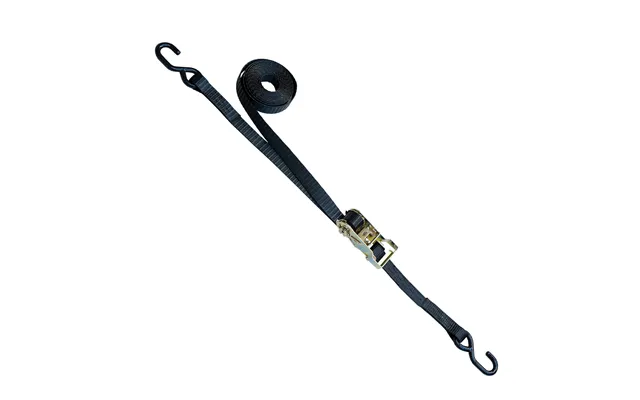
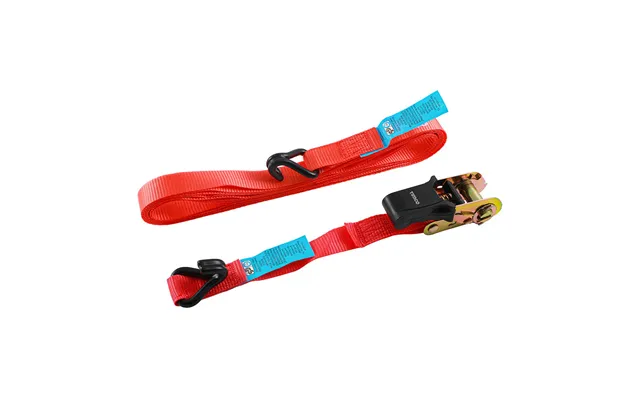
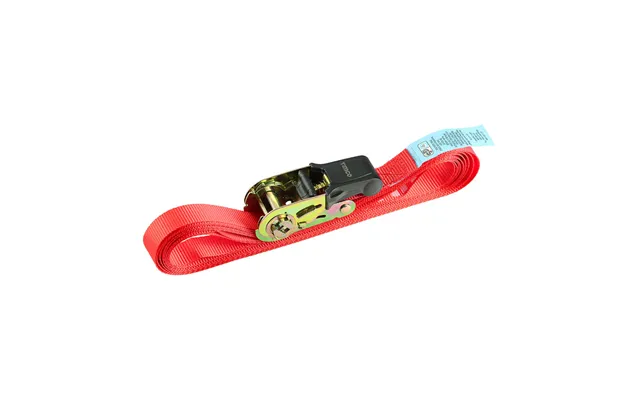
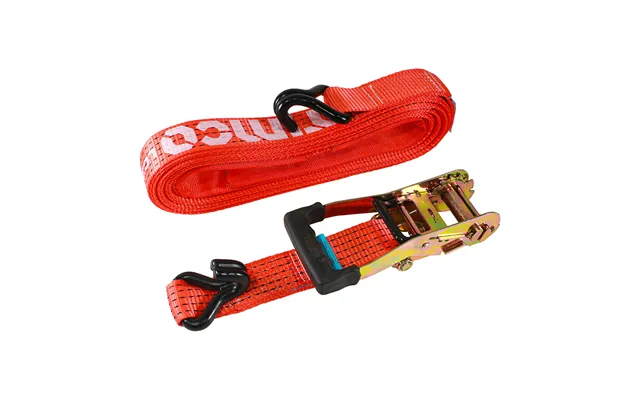
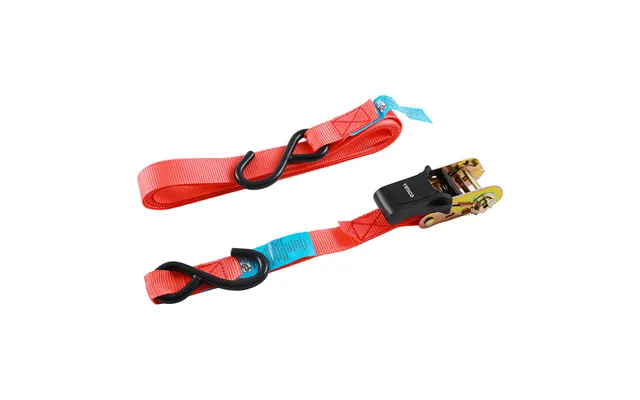
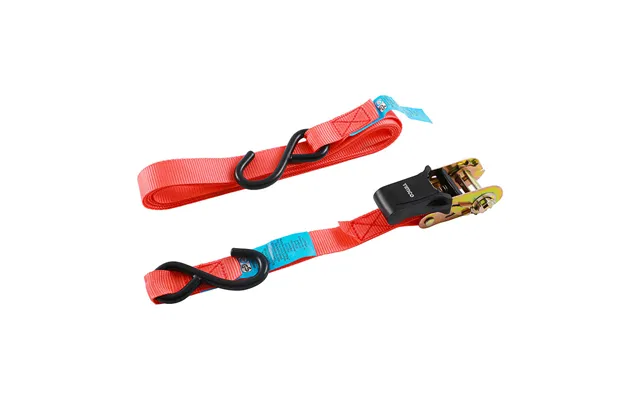
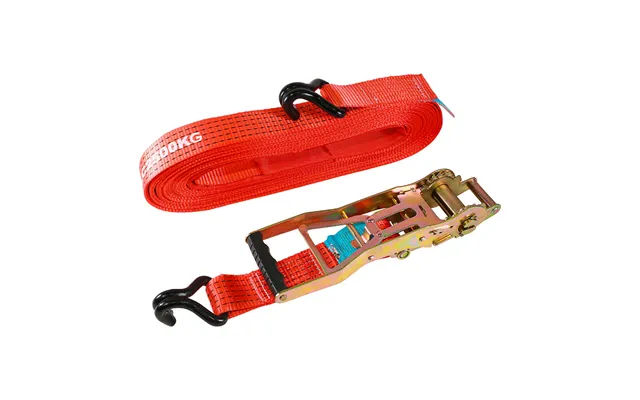
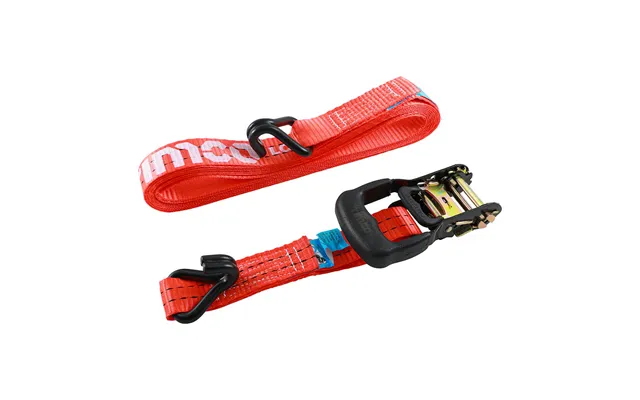
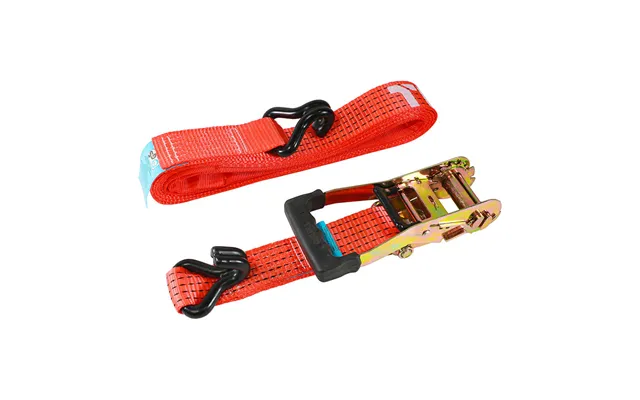
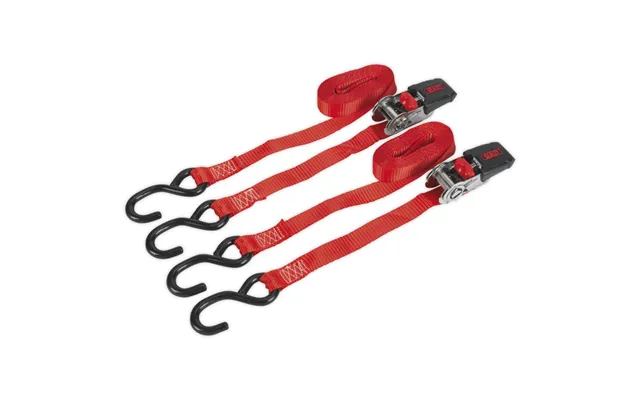
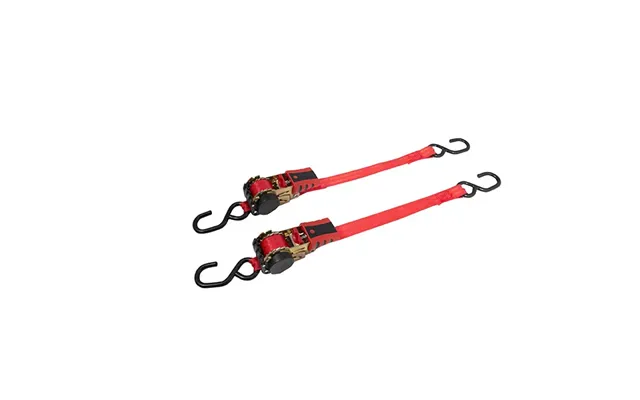
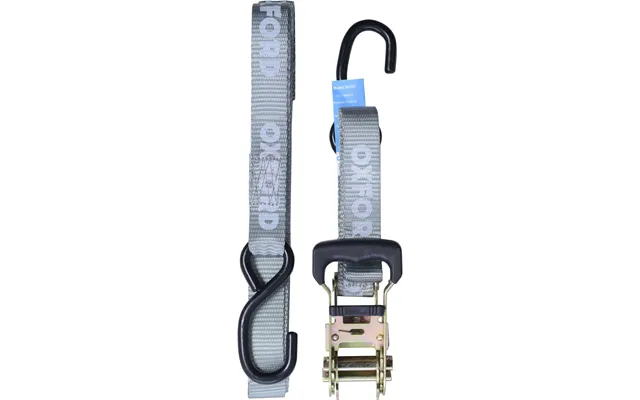
Ratchet straps are the heavyweight champions of cargo control. They use a ratcheting mechanism to tighten webbing down to a fine tension, making them ideal for heavy loads like appliances, motorcycles, or construction materials. Common widths are 1 inch, 2 inches, and 4 inches with lengths often sold in 10 ft, 15 ft, or 20 ft options. Working load limits can range from 500 lbs for light-duty straps to 5,000 lbs or more for industrial-grade models. If you need maximum tension and security, a 2-inch ratchet strap with a 3,000 lb working load limit (WLL) is a dependable choice.
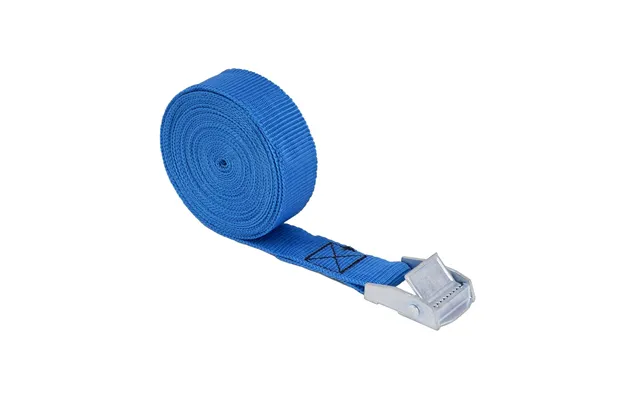
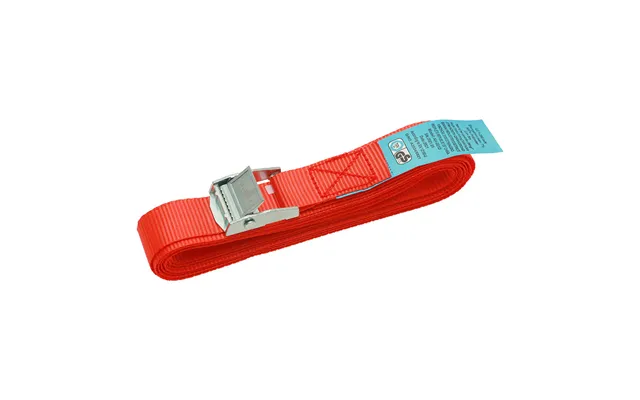
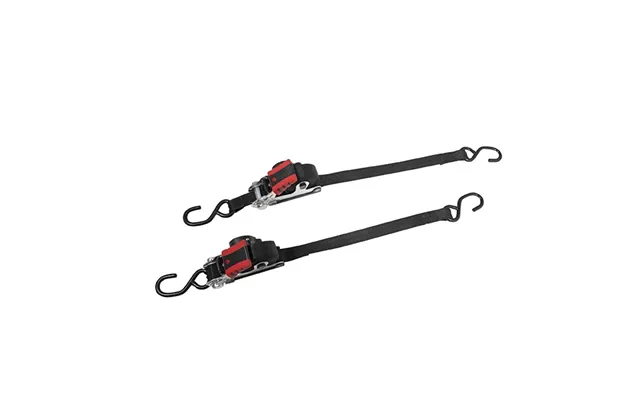
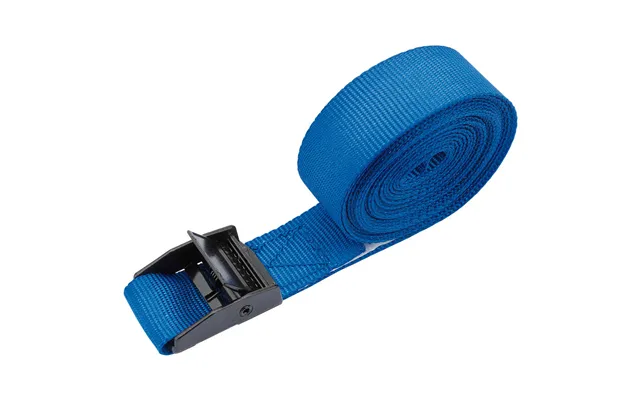
Cam buckle straps use a spring-loaded cam to clamp the webbing in place. They’re quick to use, lighter, and generally safer for lighter cargo since they don’t have the same tensioning power as ratchets. Cam straps are great for luggage, lighter furniture, and loads that need frequent adjustment. Typical cam straps are 1 inch to 2 inches wide and come in lengths like 8 ft or 12 ft. Expect working capacities around 300 lbs to 1,200 lbs depending on construction.
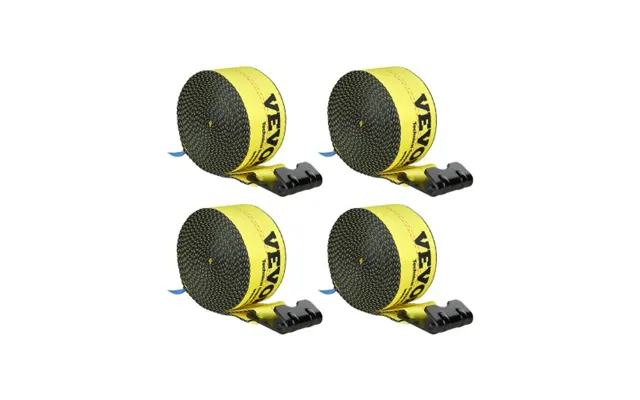
The way a strap connects to anchor points matters. S-hooks and flat hooks are common on ratchet and cam straps and quickly clip to anchor rails or tie-down points. For vans or trailers equipped with E-track, you’ll find straps with E-track fittings designed to slide into the track for a secure hold. Pick the end type that matches the anchor points on your vehicle: S-hook for simple bed rails, flat hook or wire hook for anchor rails, and E-track hook for track systems.
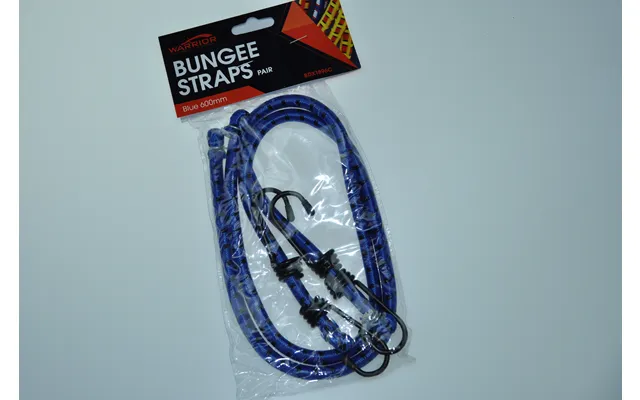
Not every job needs a heavy-duty strap. For light, flexible loads like soft luggage, camping gear, or tarps, bungee cords and cargo nets can be faster and gentler. Bungee cords stretch and absorb shock, but they’re not rated for heavy loads. Cargo nets distribute tension across multiple points and are handy for odd-shaped items on open trailers or truck beds.
Picking a strap is like picking the right shoe for a hike: get the fit, strength, and type wrong and you’ll be uncomfortable or worse. Here’s what you need to check before clicking “buy.”
Always look for two numbers: the working load limit (WLL), which is what you can safely secure under normal conditions, and the break strength, which is the point where the strap would fail. As a rule of thumb, the break strength is typically 3 to 4 times the WLL. If you’re securing a 1,200 lb tool cabinet, choose straps with a combined WLL comfortably above that weight — for instance, two 2,000 lb WLL straps (combined 4,000 lb) offers a safety margin.
Width commonly ranges from 1 inch to 4 inches. Wider webbing distributes force more evenly and is usually stronger, but it’s also bulkier. Polyester webbing is the standard because it resists stretching and UV damage better than nylon, which can be stretchier and less predictable under heavy loads. For heavy outdoor or long-haul use, choose polyester straps with reinforced stitching and corrosion-resistant hardware.
Measure the distance you need to cover before buying. For example, if you’re securing a motorcycle to a trailer, you might need two 10 ft straps with soft loops or J-hooks. If you regularly haul tall furniture, 15 ft or 20 ft straps give flexibility. Consider adjustable straps if you handle different-sized loads frequently.
Using a ratchet strap is straightforward, but the details make a big difference. Follow these steps to tighten like a pro and avoid damaging cargo or gear.
Thread the free end of the webbing through the ratchet spool, pull out slack by hand, then crank the ratchet handle until the strap is snug. Don’t over-tighten: the goal is to prevent movement, not to crush the load. Secure loose strap ends to prevent whipping in the wind. On motorcycles, use soft loops to avoid scratching suspension parts, and aim for a gentle downward tension to keep the bike planted against the trailer bed.
Don’t wrap the strap around sharp edges without protection — edges can cut webbing. Never tie knots in the webbing to shorten it; knots can reduce strength dramatically. Don’t exceed the strap’s WLL and don’t use a damaged strap; fraying, UV rot, or hardware rust means it’s time to replace the strap. Finally, avoid letting the ratchet mechanism slam shut; controlled movements preserve the hardware.
Treat your straps well and they’ll repay you with years of dependable use. Straps are inexpensive insurance, but only if they’re kept clean and inspected regularly.
Before each trip, run your hands along the webbing looking for cuts, frays, glazing, or chemical stains. Check the stitching and hardware for corrosion or bending. If the strap shows visible damage, discard it rather than risking failure. For heavy-duty straps, a monthly detailed inspection is a smart habit.
Wash dirty straps with mild soap and cool water; avoid bleach or harsh solvents that weaken fibers. Let them air dry away from direct sun; prolonged UV exposure degrades the webbing. Store straps coiled in a dry place, such as a toolbox or closet, and away from oil, fuel, or battery acid that can damage the fabric. Proper storage keeps straps ready for the next job.
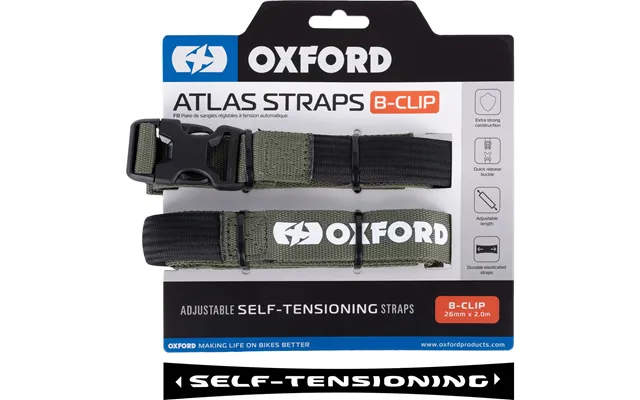
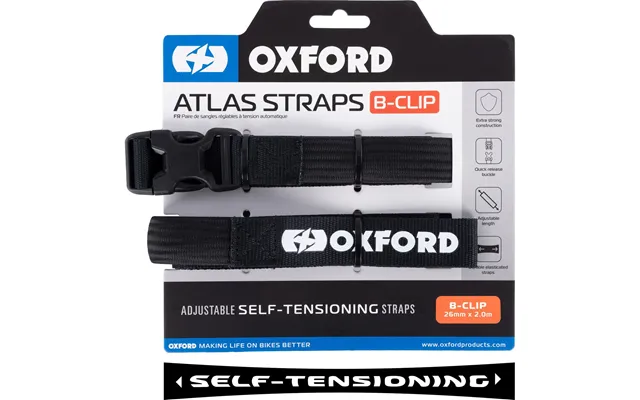
Tie down straps earn their keep across a surprising range of jobs. Here’s how to match straps to common tasks and get the best results.
Motorcycles are best restrained with at least two front and two rear tie-downs, using soft loops at the forks and rear swingarm. A pair of 2-inch ratchet straps with about 6 ft length works well for most bikes; choose WLLs around 1,500 lbs per strap to ensure safety. Angle the straps forward from the front wheel to prevent the bike from tipping backward during stops.
For moving heavy furniture and appliances like refrigerators or sofas, use wide 2-inch straps with ratchets to keep items from shifting inside a truck or van. Strap items to the vehicle’s anchor points at multiple spots and add padding between the strap and sensitive finishes to prevent scratches. Long straps of 15 ft or 20 ft give flexibility for tall or awkward loads.
For boats, secure items to trailer frames using corrosion-resistant hardware and marine-grade straps. Polyester webbing is preferred for its low stretch and UV resistance. For kayaks or canoes on roof racks, shorter cam straps and soft loops often do the trick and prevent hull damage. Remember to check for rubbing points and protect surfaces with foam or cloth.
Straps are one piece of a bigger cargo-control toolbox. Depending on your needs, you might also consider these complementary options to enhance safety and convenience.
Tow straps and recovery straps are built for pulling vehicles and often use nylon webbing that stretches to absorb shock during recovery. They’re rated differently than tie-down straps, so don’t use a recovery strap to secure cargo — but keep one in the trunk for emergencies when you need to tow a stuck car.
Heavy chains and load binders are common in commercial hauling and can handle massive weights measured in thousands of pounds. Soft loops let you attach straps to delicate or awkward points without scratching. For lighter or decorative uses, high-strength rope tied with proper knots can work, but it lacks the adjustability and rated safety of manufactured straps.
With so many strap options and specifications, comparing prices and reviews can save money and headaches. Comparison sites focused on hardware and outdoor gear list models, specs, and customer ratings to help you decide. In the UK and elsewhere, these platforms aggregate offers so you can quickly spot discounts, warranty details, and shipping options. Shop smart by checking for sales on common lengths like 10 ft or 15 ft and common widths like 1 inch and 2 inches.
Before you checkout, run through this quick checklist: measure the distance you need in feet, total the weight of the load in pounds, pick straps with a combined WLL well above that weight, choose the right end fittings for your anchor points, prefer polyester for low-stretch needs, and verify the strap length is adequate (10 ft, 15 ft, or 20 ft commonly). Also inspect seller warranties and returns on a comparison site if you need peace of mind.
Straps are simple, but safety is non-negotiable. Never improvise with straps that show damage. Avoid overlapping webbing over sharp corners without edge protectors, and secure loose ends so they don’t whip and distract other drivers. If you make regular long-haul trips, carry spare straps in case one fails mid-route. A little preparation goes a long way toward preventing expensive damage and keeping everyone safe on the road.
Choosing the right tie down strap is about matching strength, length, and hardware to your specific load. Whether you’re hauling a motorcycle, moving furniture, or securing gear on a boat, the proper strap saves time, prevents damage, and gives you peace of mind. Use this guide to compare options, inspect products, and select straps that fit your job — and remember, treating your straps with care prolongs their life and keeps your cargo safe.
| Tie Down Straps | Price | |
|---|---|---|
| Xtrade X0500002 Ratchet Straps With Hooks 38mm × 4m | £ 9,90 |