

Concrete Molds price list
Last updated Sunday, 18 Oct 2026
| Concrete Molds | Price |
|---|---|
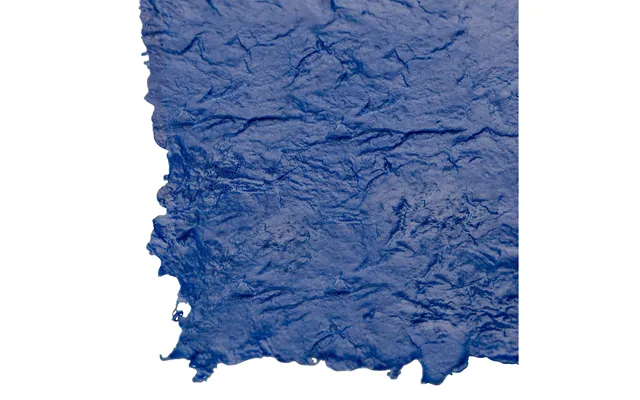
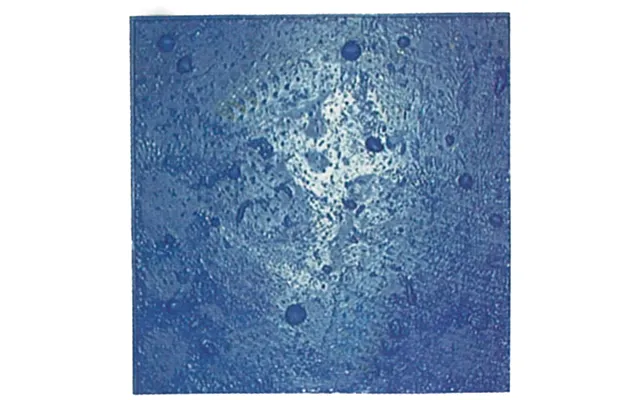
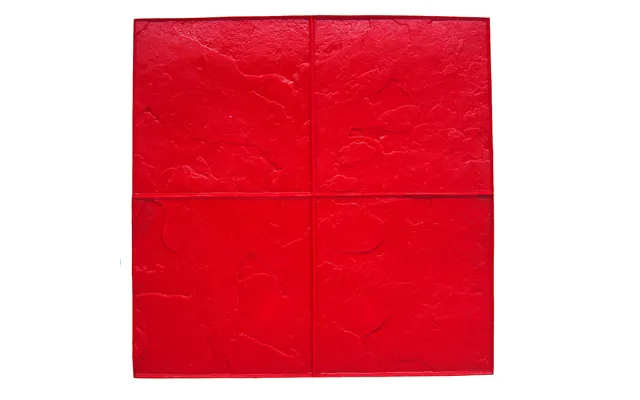
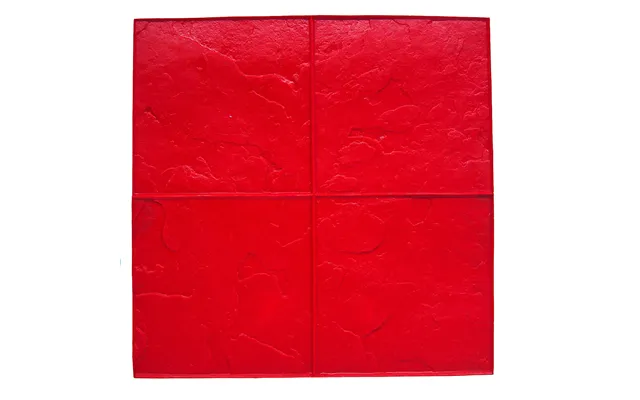
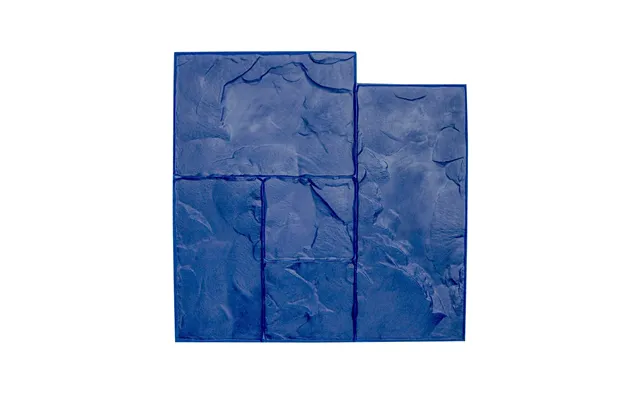
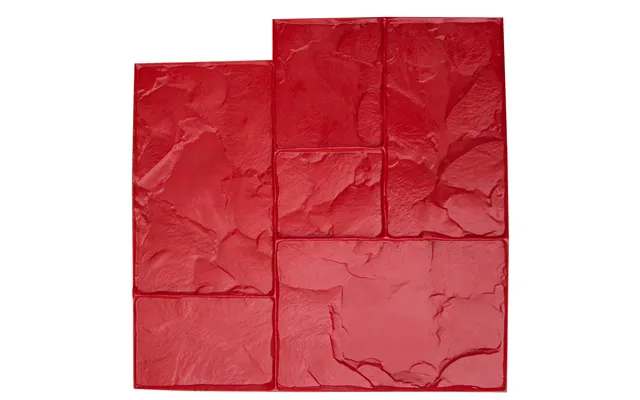
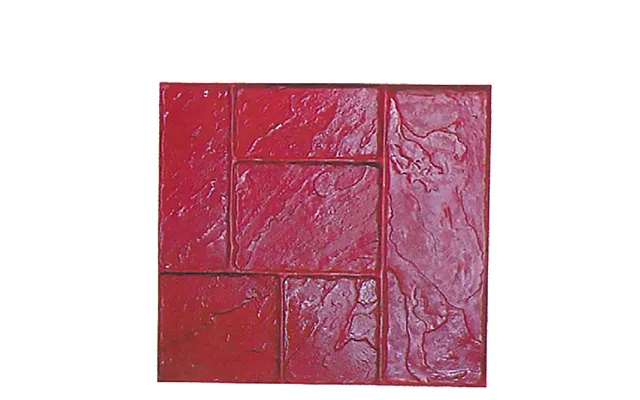
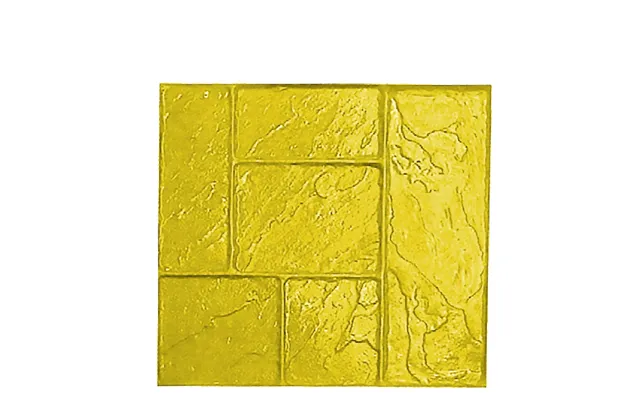
| Bon Tool Old Spanish Urethane Mat - 12-868 24 X 24 Floppy Mat | £282.00 |
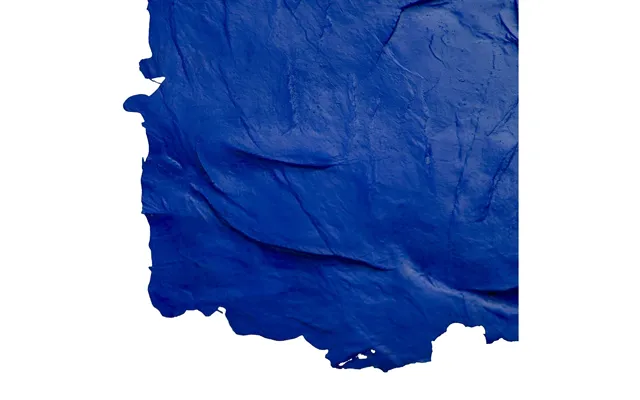
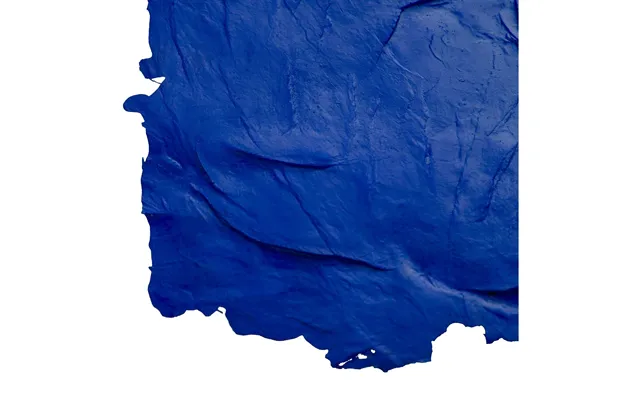
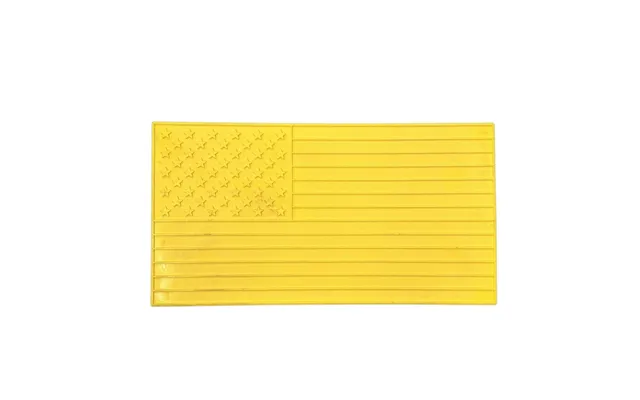
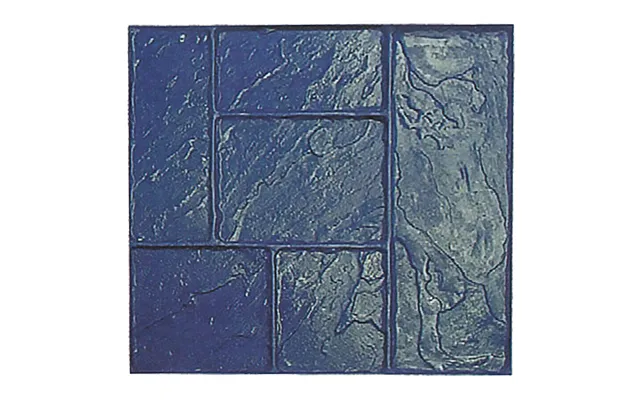
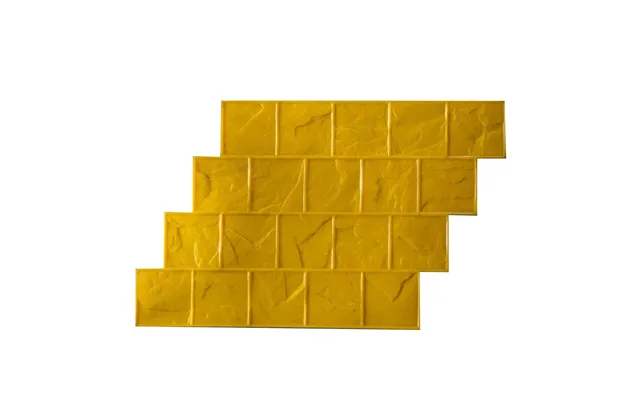
| Bon Tool Slate Running Bond Urethane Mat - 32-466 24 X 40 Floppy Mat | £285.00 |



View 15 Offers

Loading...
Last updated Sunday, 18 Oct 2026
| Concrete Molds | Price |
|---|---|
| Bon Tool Old Spanish Urethane Mat - 12-868 24 X 24 Floppy Mat | £282.00 |
| Bon Tool Slate Running Bond Urethane Mat - 32-466 24 X 40 Floppy Mat | £285.00 |
Concrete molds are reusable forms that shape wet concrete into finished pieces—think garden pavers, stepping stones, patio slabs, wall veneers, planters, and even countertops. They’re the shortcut to pro-looking results without hiring a crew or spending a fortune on premade slabs. Want a cobblestone path or a slate-look patio for a fraction of the cost? A good mold and a few hours of hands-on time can get you there. If you love projects that combine creativity with long-lasting results, concrete molds are a smart way to upgrade your home and garden while keeping costs in check.
Across the UK, popular offers typically cluster around garden path molds, patterned pavers, and decorative stepping stones. You’ll also see deals on border and edging molds for flowerbeds, brick-look molds for driveways, and flexible silicone molds for planters or small decor. Seasonal sales often highlight bundled sets—path mold plus edging, or multi-pattern packs—while clearance events can make premium molds surprisingly affordable. Scoping out multiple retailers and comparison platforms helps you spot genuine savings versus flashy markdowns, so you can grab quality molds at the right price instead of just buying the cheapest thing you find.
Different molds deliver different looks and strengths. For outdoor surfaces, rigid plastic paver molds are common because they hold their shape well and demold quickly. For detailed designs, silicone makes sense thanks to its flexibility. For serious, repeat use on bigger jobs, fiberglass or polyurethane (PU) is a workhorse. Below are the most useful categories to consider before you buy.
Path and paver molds create patio sections, walkways, and courtyard designs. Many feature classic cobblestone, herringbone brick, ashlar slate, or random stone patterns. Most DIYers pour pavers at about 2 in thickness for decorative areas and 2.5 to 3 in for higher traffic zones, setting them on a compacted base of gravel and sand. Reusable ABS or polypropylene paver molds are popular because they’re durable, fast to demold, and easy to clean. When comparing offers, look at pattern depth, mold size, and the number of pours needed per 10 sq ft—these details affect both cost and project speed.
Stepping stone molds are perfect for creating a meandering garden path, a feature area around a pond, or access routes across a lawn. Shapes range from classic circles and squares to leaves, hearts, paws, and river stones. A 1.5 to 2 in thickness works well for most lawns and mulch beds. Silicone molds shine here because they capture fine textures (like leaf veins or natural stone grain) and make it simple to pop the piece out intact without chipping edges.
Edging molds help you create crisp lines along garden beds, driveways, and patios. Some look like miniature bricks; others mimic curved stone or scalloped concrete. Because edging sits at the interface between lawn and bed, it benefits from a slightly more robust pour—around 2 to 3 in thick—with well-compacted soil or gravel underneath. When browsing deals, check whether the mold interlocks or can be butted end-to-end without a visible seam, and whether it flexes enough to follow gentle curves without warping.
Planter molds range from small succulent pots to chunky, geometric cubes and elegant bowls. Silicone is the go-to for these because it delivers smooth walls and easy release, even with sharp angles or embossed patterns. If you’re new to casting planters, look for offers that include inner cores to form the cavity, plus tips for drainage holes. Thin-walled planters around 1 in thick are light enough to move but sturdy enough to handle weather, especially if you seal them properly.
Countertop molds and edge forms are made for statement kitchens, utility rooms, and outdoor bars. Many sets include straight forms, corners, and decorative edge profiles like bullnose or ogee. For strength, most DIY countertops use a 1.5 to 2 in thickness with added reinforcement. If you’re shopping offers, prioritise kits that include consistent edge profiles, release recommendations, and training resources—pouring a slab this size is completely doable at home, but you want reliable guidance baked into the package.
Materials make or break your experience. Rigid plastics (like ABS or polypropylene) excel for repeated paver pours. Silicone shines for high-detail, complex shapes, and easy demolding. Fiberglass or PU is a pro-grade choice for heavy, repeat work, especially for veneer stone or large-format pieces. Understanding these differences helps you match the right material to your project, budget, and timeline.
ABS and polypropylene molds are robust, affordable, and widely available. They resist abrasion, don’t mind a little rough handling, and demold quickly with a light release agent. They’re ideal for patios, garden paths, and edging. The trade-off? Rigid plastic won’t capture the super-fine detail of silicone, and it’s less forgiving when tapping out a stubborn cast. Still, for square footage projects and repeat pours, ABS is the value king.
Silicone molds deliver crisp details and painless release—key for stepping stones with delicate edges, planters with sharp geometry, and decorative pieces. They also excel with colored or polished finishes because they leave fewer micro-voids on the surface. The downside is price: silicone usually costs more upfront. Look for sales or bundles to bring premium silicone within budget, and treat it gently to extend lifespan—no sharp tools, minimal prying, and proper storage away from heat and sunlight.
Fiberglass and PU molds are the workhorses for high-volume or heavy-duty casting. They’re favored for faux stone veneer, large pavers, and commercial-style edging where you want hundreds of consistent pours. These molds often command a higher price, but the per-piece cost drops fast when you’re doing bigger areas. If you spot a reduced-price bundle that includes multiple stone patterns, that’s a win—you’ll get natural variation across your wall or façade without buying single molds one by one.
Before you buy, measure the area and sketch your layout. Want a 3 ft by 12 ft path? That’s 36 sq ft—now check your target mold’s coverage per pour. A mold that creates a 1.5 sq ft section will need roughly 24 pours, while a 2.5 sq ft mold will bring that down to about 14 or 15. Bigger molds speed up installation but can be heavier to lift when filled. Also consider joint lines: do you want a random stone look with irregular seams, or a formal brick pattern that aligns neatly? Choose the mold size and pattern that fit the vibe of your space and the time you have.
Thickness dictates strength. For decorative pavers on firm bases, 2 in is a sweet spot. For higher traffic or areas that might see a wheelbarrow or garden cart, a 2.5 to 3 in pour adds confidence. For stepping stones on soil, 1.5 to 2 in works well, especially if the soil is compacted. Reinforcement matters too: fiberglass fibers blended into the mix improve crack resistance, while welded wire mesh or light rebar can support larger slabs. Around edges, tap lightly with a rubber mallet to consolidate concrete—this reduces weak, crumbly corners.
The right mix and finish give your cast pieces a polished, pro look. For most garden projects, a general-purpose mix is fine. For slim planters or edges that take knocks from a mower, consider a sand-rich mix or add fibers for extra toughness. Pigments can colour the whole mix, while stains and tints change the surface tone after curing. Sealers protect against water, stains, and de-icing salts and can add a matte, satin, or glossy sheen. It’s the finishing touches—edges, colour, and sealer—that make DIY pieces rival store-bought ones.
Release agents prevent sticking and save your molds. A light spray of commercial release or a wipe of food-safe oil on silicone is usually enough. Pour into clean, dry molds and work the mix into corners with a small trowel. Vibration helps: lift and set the mold a couple of times, or tap the sides with a rubber mallet to chase out air. Demold times vary with temperature and thickness, but many pieces can be released within 24 to 48 hours. If in doubt, wait—forcing a release too soon risks chipped edges and heartbreak.
Once demolded, you can brush edges, hand-tamp a light texture for grip, or smooth surfaces for a modern look. Integral pigments produce consistent colour throughout, while stains let you layer realistic stone tones—think charcoal veins, warm sandstone, or rustic brick. After full cure, apply a sealer appropriate for exterior use if the piece lives outdoors. Sealers boost colour, resist water ingress, and make cleanup easier. For patios and paths, a slip-resistant finish is a smart idea, especially in shady, damp areas.
Prep the base by removing sod, compacting the soil, and adding a few inches of compacted gravel topped with a thin leveling layer of sand. Lightly oil the mold, set it where you want the first section, and fill it with concrete, packing corners with a trowel. Strike off the top with a straight edge, then tap the mold to release bubbles. Wait a short while until the mix firms slightly, lift the mold straight up, and set it next to the fresh section so your joints line up. Repeat across the layout. After curing, brush polymeric sand into joints for a locked-in, pro finish, then seal once dry.
When you’re eyeing a concrete molds price list, three things usually decide the number: material, size, and pattern detail. Rigid plastic paver molds are typically the least expensive for the area they cover. Silicone costs more but handles complex shapes and gives a cleaner release. Bigger molds cover more ground per pour, while deep, highly textured patterns can increase price due to manufacturing complexity. Brand reputation, warranty length, and included extras (like inner cores for planters) also nudge prices up or down.
Budget molds—often basic ABS—are perfect for small patios, path sections, or one-off projects. Mid-range options add better textures, sturdier frames, and sometimes bundles that mix patterns for a natural look. Pro-grade molds—silicone sets, fiberglass, or PU—shine when you’re pouring a lot: large patios, driveway sections, or full garden redesigns. Their up-front price can look steep, but the cost per finished square foot drops fast as you reuse them.
The mold isn’t the only cost. Add concrete mix, pigments or stains, a release agent, sealer, and base materials like gravel and sand. You may also want reinforcement, edging restraints, and basic tools like a float, trowel, and a rubber mallet. Don’t forget personal protective gear—gloves, safety glasses, and a dust mask—so you can work safely from start to finish.
Deals tend to pop up around seasonal garden refreshes and year-end clearances. Comparison sites help you scan multiple sellers at once, filter by mold type, and spot genuine value. Check the real coverage per pour, material quality, return terms, and whether bundles actually save you money versus buying singles. Look for detailed product photos that show texture depth, not just a top-down shot. And if reviews mention easy release, consistent pattern depth, and sturdy edges, you’re usually on safe ground.
Clean molds immediately after demolding so residue doesn’t harden. Rinse with water and use a soft brush—avoid harsh scrapers that can scar the surface and print defects into your next pour. Let molds dry fully before storage to prevent mildew, especially with silicone. Store flat, out of direct sunlight, and away from heat sources. A light coat of release before storage can protect some materials. If you treat molds like tools, not disposables, they’ll pay you back with years of reliable casting.
Rushing the base prep is the number-one mistake—if the ground isn’t level and compacted, even the best mold won’t save your project. Skipping release agent is another: stuck corners and chipped edges are frustrating and avoidable. Overwatering the mix weakens your pieces and invites cracks; stick to the manufacturer’s water ratio. Yanking the mold too soon can ruin the edges, and ignoring sealing leaves pavers thirsty and prone to stains. Slow is smooth, and smooth is fast—give each step its due.
Permeable layouts with bigger joints let water drain through, reducing puddles and runoff. Lighter colours reflect heat for more comfortable summer patios. For slip resistance, choose textured patterns and a sealer rated for traction. If accessibility matters, aim for larger pavers with minimal height variation, a firm compacted base, and gentle transitions to surrounding surfaces—sturdy, even paths are a win for everyone.
Concrete molds unlock designer looks on a DIY budget—garden paths, patios, edging, planters, even countertops. The key is choosing the right mold material and size, prepping the base properly, using smart mixes and release agents, and finishing with a good sealer. Scout popular offers, compare real coverage and quality, and consider bundles if you want varied patterns. With a solid plan and the right mold, you’ll transform tired spaces into durable, custom features you’ll admire every time you step outside.