
Herbicides price list
Last updated Friday, 18 Sept 2026





View 21 Offers
Loading...
Last updated Friday, 18 Sept 2026
Weeds are like that one guest who never leaves — they show up uninvited, take resources, and make everything look messy. If you're serious about a healthy lawn or a neat flower bed, herbicides can be a helpful tool in your kit. They control unwanted plants, save time on manual weeding, and let desirable plants thrive without competing for water, nutrients, and sunlight.
Not all herbicides are created equal. Some are built to wipe everything out, while others carefully target only specific weeds. Knowing the differences helps you pick the right product for the job.
Non-selective herbicides, like those containing glyphosate (for example, Roundup), kill most plants they touch. Use these on driveways, patios, or when you’re clearing an area before replanting. Think of them as a broad broom — powerful, useful, and best used where you don’t want any plants to survive.
Selective herbicides are the ones you can use on lawns to remove broadleaf weeds—dandelions, clover, and plantain—without harming grass. These often contain active ingredients such as 2,4-D or combinations designed specifically for turf. If you want a green carpet and fewer dandelion flowers, selective options are your friend.
Contact herbicides scorch the parts of the plant they touch and work fast, but they may not kill roots. Systemic herbicides travel inside the plant to the root system, offering a deeper, longer-lasting kill. For perennials and tough-rooted weeds, systemic products are usually more effective.
Timing is crucial. Pre-emergent herbicides prevent weed seeds from sprouting and are applied before weeds appear—usually in early spring or autumn. Post-emergent herbicides treat existing weeds and are applied when weeds are actively growing. Think of pre-emergents as a preventative blanket and post-emergents as the treatment after the problem has arrived.
Pre-emergent products are great if you battle annual weeds like crabgrass every season. They help you cut the problem off at the pass, but they won't touch weeds that are already established. Use them in beds and borders where you don’t plan to sow seed for a while.
When you’ve already got weeds, post-emergent herbicides are the go-to. Apply them when the weeds are healthy and the weather is warm — that’s when weeds are actively transporting sugars and will take the herbicide down to the root.
If you’re shopping for weed control, you’ll find a broad spectrum of products from powerful synthetics to organic-friendly formulas. Here are common choices gardeners rely on.
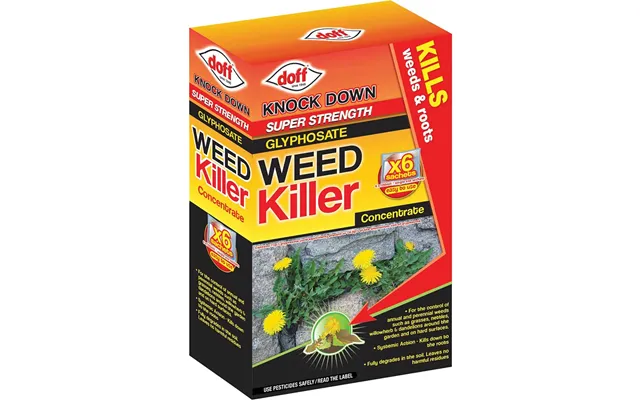
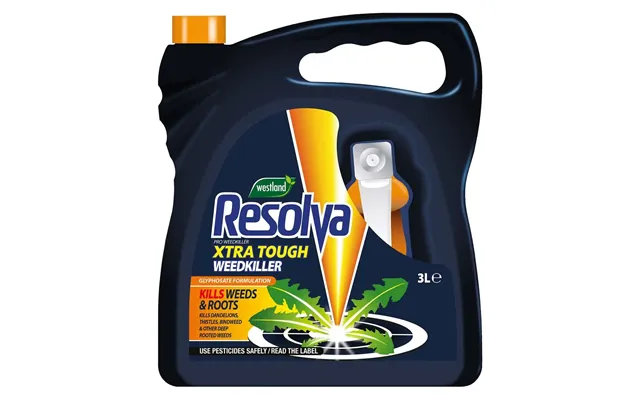
Glyphosate is a widely-used active ingredient in non-selective herbicides. Products like Roundup are effective at killing deep-rooted perennials and clearing large, weedy areas. Use glyphosate carefully — it’ll kill any plant it touches — and avoid use near desirable plants or open water.
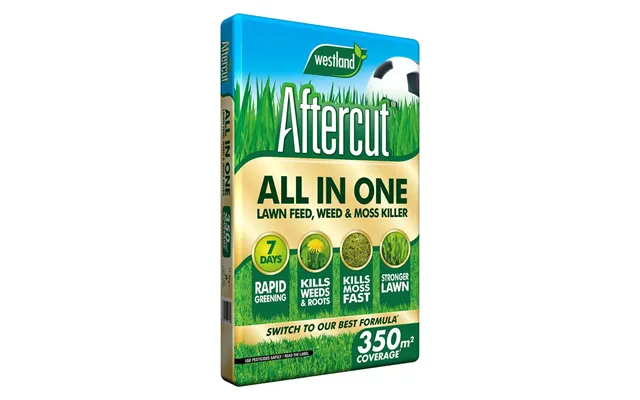
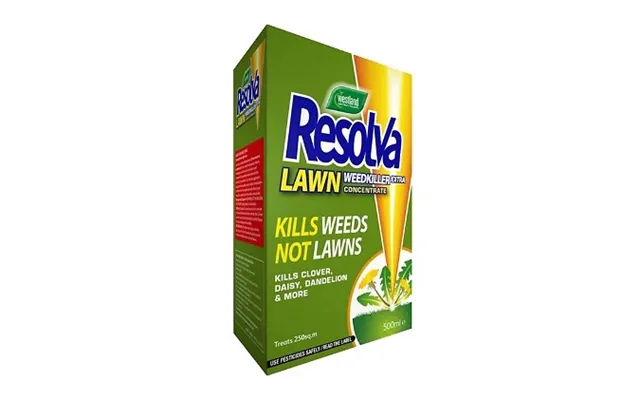
For lawns, look for selective formulations labeled for turf. Brands such as Weedol offer lawn weedkillers targeting dandelions, clover, and plantain without harming most grass species when used according to directions. These are perfect if you want a tidy lawn without bare patches.
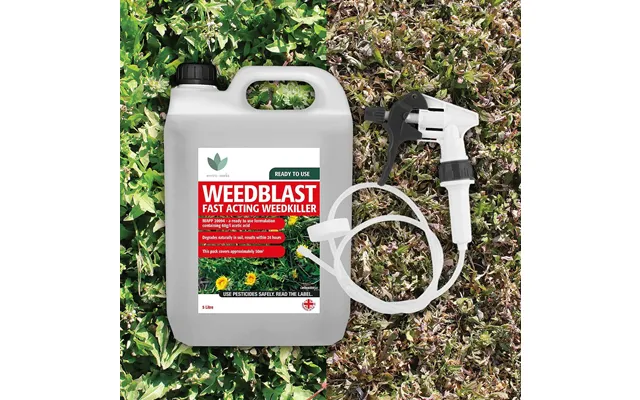
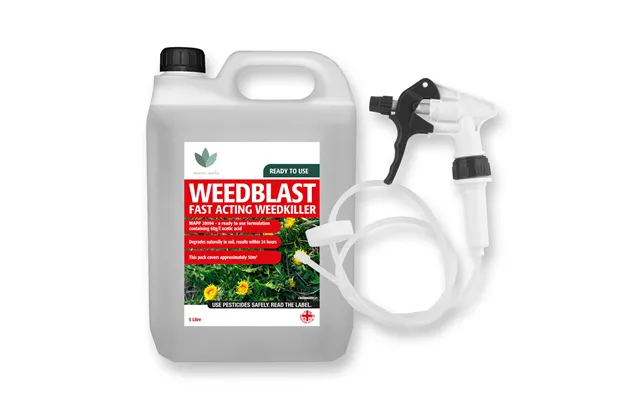
Prefer green gardening? There are effective organic options. Vinegar-based products (acetic acid) and pelargonic acid formulas act as contact herbicides that scorch the foliage. Corn gluten meal works as an organic pre-emergent to reduce seed germination. These are gentler on the environment but may require repeated applications and careful timing.
Choosing the best herbicide is part science and part strategy. Ask yourself: What weeds am I targeting? Is the area turf, borders, a meadow, or hardscaping? Do you have pets, children, or nearby watercourses to worry about? Once you know the context, match it to the herbicide’s label—this is where the manufacturer tells you exactly where and how the product can be used safely and effectively.
Broadleaf weeds and grasses respond to different chemistries. For perennial broadleaf weeds, look for systemic ingredients. For young annual grasses, pre-emergents or selective grass-targeting products may be better. Identifying the weed correctly will save you both time and money.
Herbicide performance depends heavily on weather. Most systemic herbicides work best when applied on warm, dry days so plants can transport the chemical to the roots. Avoid spraying in the heat of the afternoon or when rain is expected within 24 hours to prevent wash-off.
Application technique can make or break your weed control results. Here’s how to get the best bang for your spray bottle or sprayer.
For driveways, paths, and small garden patches, spot-treating saves product and reduces environmental impact. Use a wand or small hand sprayer to target only the weeds, and avoid overspray onto desirable plants.
Most foliar herbicides work by entering the plant through its leaves. Spray until the leaves are wet but not dripping. For systemic products, this ensures the active ingredient moves inward and down to the roots.
Responsible herbicide use isn't optional — it’s essential. You’re working with chemicals that can affect wildlife, water sources, and people if misused. Here’s how to minimize risk while getting results.
Keep children and pets off treated areas until they’re dry, and avoid treating flowering plants that attract bees. If pollinator protection is a priority, apply herbicides in the early morning or late evening when bees are less active and avoid spraying flowers.
Avoid spraying near ponds, streams, or drains. Many herbicides can harm aquatic life, so keep a safe buffer zone and follow label instructions closely about proximity to water.
Even experienced gardeners can slip up. Here are frequent errors and how to dodge them.
Spraying on a breezy day invites drift. That’s when herbicide particles ride the wind and land on plants you didn’t intend to hit. Choose calm days or use a low-drift nozzle for precision.
The product label is the law on the bottle — it tells you what weeds are covered, the right application rate, and important safety precautions. Skipping it is asking for trouble, whether it’s plant damage or personal harm.
Herbicides do the heavy lifting, but other methods can reduce your chemical reliance and improve long-term garden health.
Hand-weeding and mulching are time-tested strategies that work great with herbicides. Pulling weeds when the soil is moist gets more root, and a 2 to 3-inch layer of organic mulch slows seed germination and keeps soil moist — a double win.
Strong, healthy turf outcompetes weeds. Regular lawn mowing, aeration, overseeding, and correct fertilization help grass choke out many weed species. Think of herbicides as one tool among many in your garden toolbox.
With so many options on the market, comparing products helps you get the best performance for your budget. Look at active ingredients, concentration, treated area per container, and application method. A cheaper product might need multiple applications, while a slightly pricier systemic product could save time and effort in the long run.
Pay attention to how many square feet a container claims to treat. A ready-to-use bottle might be more convenient but pricier per square foot than a concentrated product you dilute at home. Do the math before you checkout.
To make things practical, here are simple recommendations depending on what you’re trying to achieve.
Use a non-selective systemic herbicide like a glyphosate product for deep-rooted perennial weeds. Spot-treat cracks and surfaces to avoid harming nearby plants. For a faster visible effect with less root control, consider a strong contact herbicide, but expect to reapply if roots remain.
Choose a selective turf herbicide labeled for your grass type. Many lawn weed formulas controlled broadleaf invaders without damaging grass when used correctly. Apply in a calm, warm period in spring or autumn for best results.
For areas where you grow edibles or want to protect bees, reach for organic options like targeted hand-weeding, mulches, corn gluten meal as a pre-emergent, or natural contact herbicides applied carefully. These strategies reduce chemical exposure while maintaining control.
Herbicides are powerful allies when used thoughtfully. Understand the weed you’re fighting, pick the right product for the situation, follow label directions, and combine chemical control with good cultural practices. With a balanced approach, you’ll keep weeds in check while protecting the health of your garden and the planet.
Now that you know the types, timing, safety tips, and product strategies, you’re ready to make confident choices for cleaner paths, healthier lawns, and flourishing beds. Happy gardening — and may your borders be tidy and your weeds be few!