

Grass Edger Accessories price list
Last updated Sunday, 18 Oct 2026



View 4 Offers

Loading...
Last updated Sunday, 18 Oct 2026
If you love a neat, professional-looking lawn, you already know that a good grass edger makes a huge difference. But the real game-changers are the accessories: the right blade, wheel, battery pack, or guide can turn an average edge into a crisp, magazine-ready border. This guide walks you through the most useful grass edger accessories available in the UK, how to choose them, and tips to get the most life and performance from your kit — all in plain, friendly language. Think of this as your toolbox blueprint for cleaner edges and less elbow grease.
An edger on its own is just the start. Accessories improve precision, extend tool life, and adapt your device to different tasks — from hard-packed soil to delicate flower bed borders. Choosing the right add-ons can save time and money by reducing wear and the need for frequent replacements. Plus, accessories let one edger handle multiple jobs: trenching, bordering, and even light digging becomes possible with the correct attachments.
Investing in the proper accessories gives you better results and less frustration. A sharper blade means cleaner cuts and less ragged turf. A rubber wheel stabilizes the edger so your lines are straight as a ruler. And a spare battery means you finish the job without waiting around. In short, accessories turn a single-use tool into a versatile garden partner.
Let’s break down the most common accessories people buy and why each one matters. Whether you own a petrol, corded electric, or cordless edger, there are parts and add-ons that will fit your model or a universal option that close enough to get the job done.
Blades are the heart of an edger. Sizes typically range from about 6 inches to 12 inches in diameter depending on the model and job. You’ll find straight-cut blades for neat turf edges and scalloped or toothed blades for cutting through thicker turf and shallow roots. Look for hardened steel or carbide-tipped blades if you hit gravel or compacted soil often — they stay sharper longer but usually cost more up front.
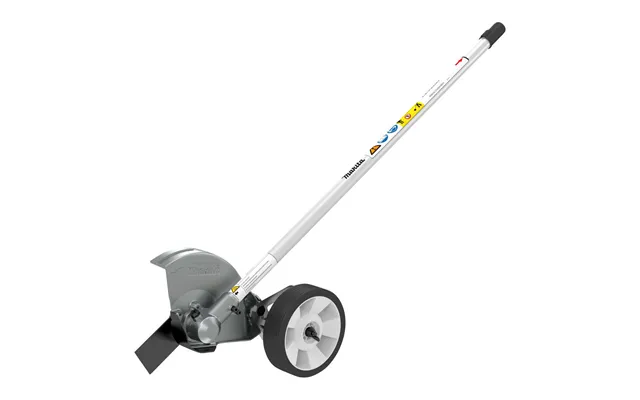
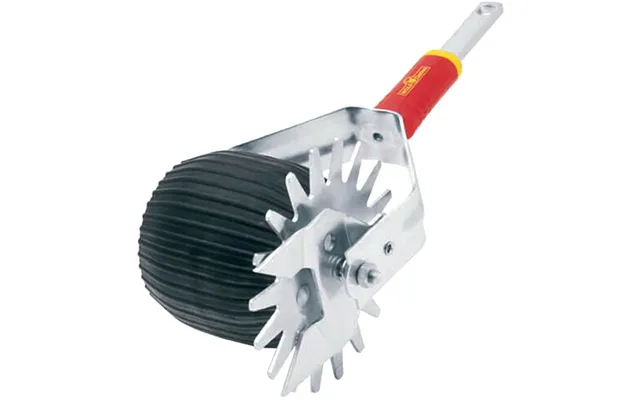
Wheels stabilize your edger and control cutting depth. A durable rubber or pneumatic wheel helps you maintain a steady pace and keeps edges even. Depth guides and adjustable skids are also essential; they let you set the cut depth in small increments, typically down to about 1/2 inch, so you avoid gouging the lawn. For crisp garden borders, a guide that locks parallel to the edge is a small upgrade with big visual payback.
If you use a cordless edger, spare battery packs are the single most useful accessory. Popular batteries are often 18V or higher, and many brands sell batteries with capacities like 4.0 Ah or more that give longer runtime. A fast charger or a dual-charger helps you rotate batteries and keep the work flowing, especially on larger properties where a single battery might not be enough to finish the job.
Many lightweight edgers share mounts with string trimmers or accept a multi-head attachment. These let you switch from hard edging to trimming awkward spots, or even turn the unit into a cultivator for soil between pavers. Multi-head systems save storage space and money if you don’t want separate tools for every task.
Edge guards protect flowers, patios, and pathways while you cut and help shape the profile of your border. They are typically metal or plastic and attach easily to the housing. Depth guards or skids prevent you from cutting too deep — a must if you’ve got newly planted beds next to your lawn.
Loose or stripped bolts are a common reason people end up replacing a tool. Keeping a small kit of spare fasteners, washers, and universal mounting brackets is inexpensive and can get you back to work fast. Universal mounts make it easier to fit blades or wheels from another manufacturer if you can’t find OEM parts.
Sharpening equipment — files, bench grinders, or handheld sharpening stones — keeps blades cutting cleanly. A simple blade-care kit with a wire brush, rust-preventive spray, and a small file costs little and makes blades last much longer. Regular maintenance is often cheaper than replacing a dull blade after one bad season.
Compatibility can be confusing, but it’s mostly about two things: blade size and mounting type. Start by checking your edger’s manual for blade diameter and mounting hole pattern. If you don’t have the manual, measure the blade diameter in inches and note the central mounting hole size. Many manufacturers publish cross-reference guides, and universal kits often include multiple adapter plates to help you make a match.
Use a tape measure to check blade diameter, and measure the center bore in inches as well. Also note shaft type — straight shafts tend to accept different attachments than curved shafts. If you’re buying batteries, ensure the voltage and connector type match your tool; most systems use brand-specific connectors, so mixing and matching can require an adapter.
Durability comes down to materials and construction. Choice of steel grade for blades, thickness of wheel rubber, and quality of fasteners all affect how long an accessory lasts. Thick, heat-treated steel blades resist bending, while stainless or zinc-coated hardware fights corrosion, which is useful in damp climates.
Go premium if you regularly cut through tough turf, reach into gravel areas, or you expect frequent use. Carbide-tipped or heat-treated steel blades and powder-coated metal housing can be worth the extra cost. If your yard is small and mostly soft soil, mid-range accessories will likely do the job at a better price point.
Power options change how you work. Corded electric edgers deliver consistent power but limit mobility to the length of an extension cord, while petrol models offer raw performance for large jobs and thick roots. Cordless models give freedom and are lighter, but you’ll need spare batteries for sustained use.
If your cordless edger uses 18V or 40V batteries, consider at least one spare battery per hour of work required. Batteries with higher amp-hour ratings (like 4.0 Ah) run longer, but they weigh more. A dual fast charger is a smart accessory if you often work alone and don’t want downtime waiting for a battery to recharge.
Installing accessories is usually straightforward, but there are a few best practices that prevent damage. Always disconnect power or remove the spark plug on petrol models before swapping blades. Keep a torque wrench handy to tighten bolts to the manufacturer’s specifications — overtightening can warp blades, while undertightening leads to rattles or lost hardware.
To replace a blade, stabilize the edger with the wheel up or use a block to prevent rotation, then remove the center bolt and slide off the old blade. Clean the mounting surface, install the new blade aligned to the same direction as the original, and torque the bolt to spec. Sharpening is best done at the original bevel angle; a few strokes with a file will restore cutting performance for several uses.
Edging throws debris and exposes sharp blades, so safety gear is essential. Eye protection, sturdy gloves, and hearing protection for petrol models are basic must-haves. Consider leg protectors if you’re working near thick thatch or roots that can bounce debris back at you.
Edge shields and blade guards reduce thrown objects and help when working near people, pets, or fragile landscaping. A handle extension or a more ergonomic grip can also improve control, reducing the chance of slips that might cause injury or damage to plants.
Not every accessory needs to be top of the line. Spend more on blades and batteries if they directly affect cutting quality and runtime. Save on cosmetic covers or single-use attachments you won’t use often. Think of it like shoes: spend on the ones you wear every day and cheap on the ones for occasional use.
For most homeowners, a good blade, a spare battery if cordless, a durable wheel, and a basic sharpening kit cover 80% of needs. Specialized attachments like trenchers or cultivators are great if you’ll use them regularly, but they can sit unused in a shed if you buy them on impulse.
While I won’t push a specific store, here are common accessories and brand pairings that gardeners in the UK often choose. Husqvarna and Stihl are known for robust blades and wheels, Black & Decker and Ryobi offer accessible cordless battery packs, and Flymo makes lightweight wheels and depth guides for smaller yards. Look for universal mounting plates to increase your options, and check community reviews to see how parts hold up in real-world use.
Value often comes from reliability and compatibility. A hardened steel 8-inch blade, a 4.0 Ah battery pack for cordless models, and a rubber stabilization wheel are purchases that consistently deliver better edges without frequent replacements. Pair those with a small tool kit of spare bolts and a sharpening file, and you’ve got a set that covers most edging needs.
Choosing grass edger accessories is about matching your yard’s demands to the right parts. Measure, check compatibility, prioritize blades and power, and don’t skimp on safety gear. Little upgrades yield big results: a sharper blade, the right wheel, and a spare battery can transform the chore of edging into a quick, even satisfying task.
Accessories are the secret sauce for a great lawn edge. From blades and wheels to batteries and guards, the right choices improve cut quality, speed, and safety. Invest where it counts — blades, power, and stabilization — keep spares and tools for maintenance, and you’ll spend less time fixing problems and more time admiring neat borders. Ready to sharpen up your edging game? With a few smart purchases and a bit of routine care, crisp, professional-looking edges are well within reach.