All categories
Business & Offices
Electronics & Media
Fashion & Accessories
Groceries & Essentials
Health & Personal Care
Home & Living
Kids & Family
Sports & Outdoors
Search in ZoneOffer

Loading...
If you want a lush lawn without watering every evening, the right sprinkler accessories are your secret weapon. Think of them like shoes for your irrigation system: the wrong fit and you’ll trip over problems like uneven coverage, wasted water, and frequent repairs. The right parts — nozzles that match your water pressure, a reliable timer that fits your schedule, or a pressure regulator that protects delicate heads — turn a basic sprinkler into a smart, efficient system that practically runs itself.
Some accessories are optional luxuries, but others are what I call deal-makers. These essentials fix common headaches and unlock better performance from your existing system. Among the must-haves are replacement sprinkler heads (both rotors and sprays), a programmable timer or smart controller, inline filters to stop grit from clogging nozzles, pressure regulators, and basic repair kits for quick field fixes. Together they lower water bills and keep your turf healthy.
Choosing between rotor and spray heads is like choosing between a fan and a hose: rotors slowly move and cover long distances, great for large lawns with long arcs measured in 20 to 40 feet, while spray nozzles deliver a steady mist for smaller beds and tight corners within 5 to 15 feet. Match nozzle trajectory and radius to your lawn layout and water pressure, and you’ll avoid puddles and dry patches.
A programmable timer is the brain of your irrigation setup. Basic timers let you set run times and days, but smart controllers go further: they tweak schedules based on rainfall data and seasonal changes, and many let you use a phone app from anywhere. For typical suburban yards, look for controllers that support multiple zones and manual override so you can quickly water a newly sown patch without reprogramming the whole system.
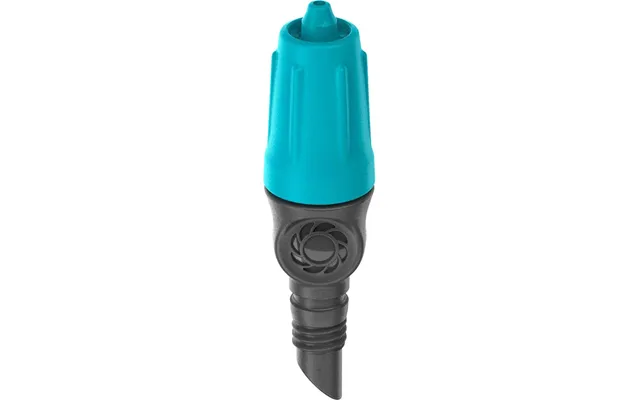
The valves and solenoids are the muscles of an irrigation system — they open and close water flow to different zones. A failing solenoid can leave a zone perpetually dry or soaking wet, so choose durable brands with easy-to-find replacement parts. For larger systems, consider heavy-duty electric valves rated for consistent cycling; for small lawns, compact valves with straightforward wiring are often the most cost-effective option.
Backflow preventers stop dirty garden water from siphoning back into your drinking supply. They’re not glamorous, but they’re often required by local codes and worth installing. Choose a model that offers easy inspection and winterization. If you live in a region with freezing winters, pick a backflow unit that can be drained or removed to avoid burst fittings when temperatures drop below freezing.
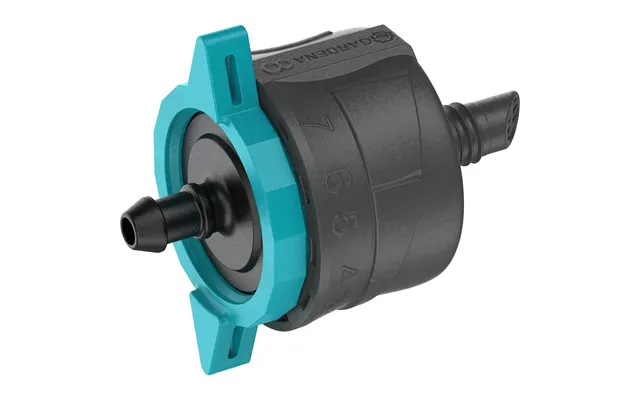
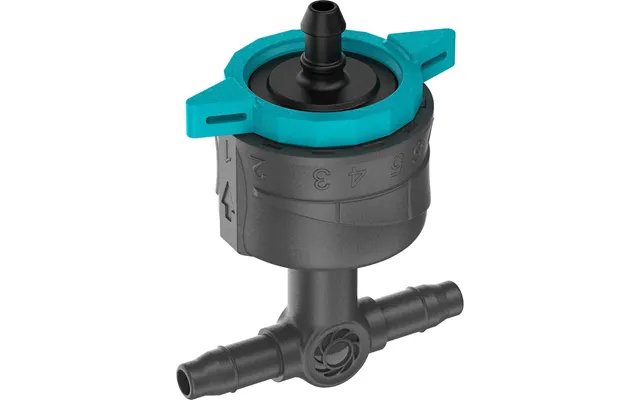
Too much pressure will spray fine mist off-target and damage small nozzles; too little pressure reduces radius and causes gaps. Pressure regulators keep outputs steady, while inline filters trap sand and silt that clog nozzles and valves. Together, they extend component life and maintain predictable coverage. For most home systems, regulators that set pressure to around 30 to 40 psi and fine mesh filters work well.
Hoses, quick-connect couplers, and a good set of fittings let you attach temporary sprinklers, hand-water patches, and connect accessories without fuss. Quick-connects are a real time-saver: you can swap a hose-end sprinkler for a sprinkler wand in seconds. Use durable couplers and brass or high-grade plastic fittings to avoid leaks and the aggravation of replacing brittle parts every season.
Sprinkler risers lift heads above ground level, clearing grass and debris so spray patterns aren’t blocked. Two-inch risers work well for most lawn heads; pop-up risers that retract after use are ideal in mowing zones. For flower beds, use short fixed risers so sprinklers don’t blast delicate plants. Adjustable risers help fine-tune spray height for best coverage.
Nozzles dictate the reach and shape of each sprinkler’s spray. They come in fixed-pattern, adjustable, multi-stream, and rotary styles. Fixed-pattern nozzles are great for uniform areas like straight walkways, while multi-stream and rotary nozzles cover longer ranges with water savings. When choosing nozzles, calculate the square footage of each zone and match gallons-per-minute (gpm) output so your controller can run each zone efficiently without overtaxing your water supply.
Start by measuring zone dimensions in feet. Multiply length and width to get square footage per zone, then use the nozzle manufacturer’s coverage charts to select heads that provide even overlap. Don’t forget to check water flow in gallons per minute at the irrigation point; a typical home supply might deliver 8 to 20 gpm, and that number determines how many heads you can run at once without dropping pressure.
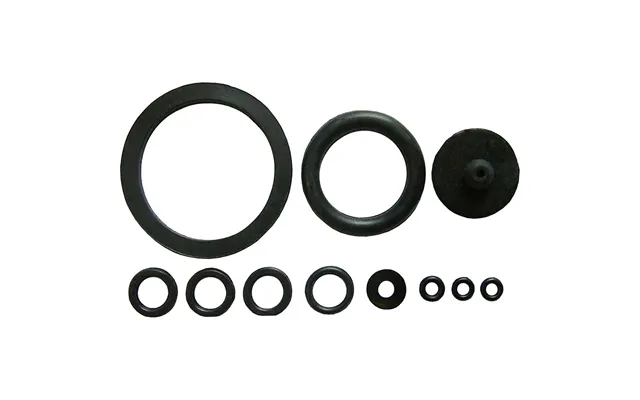
Repair kits are the duct tape of irrigation — not glamorous, but they save the day. Kits usually include replacement diaphragms for valves, solenoids, O-rings, filter screens, and screw-in nozzles. When a head breaks during mowing or a valve starts leaking, a quick fix kit gets you watering again in minutes. Keep one kit per house and a handful of common nozzles that match your system’s brand and model.
If a part leaks or performs poorly, a replacement part is often cheaper than a full unit swap. Valve diaphragms and solenoids are classic fixables; cracked bodies or heavily corroded parts usually mean replacement. If your system is over a decade old, consider upgrading to new nozzles and a smart controller to save water long-term — small investments can cut usage significantly.
Adding sensors brings near-automatic intelligence to an otherwise manual system. Rain sensors pause watering when it’s wet, preventing waste and turf over-saturation. Soil moisture sensors go a step further, measuring the ground and only running zones that need water. For those focused on conservation, these upgrades can reduce water use by 20% to 50% depending on climate and lawn type.
Weather-based controllers adjust run times based on local forecasts or on-the-ground sensors. They’re perfect if you travel or just want irrigation that adapts through spring, summer, and fall without constant reprogramming. Look for controllers that accept multiple sensor inputs and can handle the number of zones in your yard — usually between 4 and 12 zones for typical suburban properties.
Installation doesn’t have to be intimidating. Start with a system map — sketching out zones, valve boxes, and head types saves hours of guesswork. When installing new parts, always shut off water, depressurize the system, and test each zone for even coverage. Seasonal checks should include filter cleaning, checking for leaks, and winterizing outdoor components if temperatures drop below freezing.
Set a seasonal checklist: flush filters at the start of spring, inspect heads for clogs or damage, verify pressure at the manifold, and run each zone to check coverage. Replace worn seals and test valves for proper operation. A short 20-minute monthly check avoids the drama of discovering a broken head in midsummer when grass is already stressed.
Your lawn’s size, slope, and plant types determine the right accessories. For a compact yard under 1,000 square feet, simple spray nozzles and a basic 4-zone timer might be all you need. For medium lawns between 1,000 and 5,000 square feet, mix rotors for the open turf and sprays for borders. Large properties benefit from pressure-compensating nozzles and multiple manifolds to balance flow across long runs.
Slopes and wind danger zones need special care. Low-angle nozzles or multi-stream emitters reduce drift on windy days and keep water where it’s needed on slopes. Run times in these areas should be short and repeated after soak-in periods so water doesn’t run off. For shaded areas, reduce run time — shade retains moisture longer, so overwatering is a common mistake.
Not all accessories are equal in ROI. I recommend splurging on a quality controller and pressure regulator because they yield steady savings and reduce component wear. Spend moderately on nozzles and filters — cheap nozzles clog and leak more often. Save on hoses and temporary fittings by buying mid-grade options rather than top-of-the-line; they’re easy to replace and less critical to system-wide performance.
If you’re hunting for the best prices, use comparison sites that list current offers and technical specs side-by-side so you can match parts by flow rate, radius, and compatibility. These platforms help you avoid buying incompatible nozzles or controllers that don’t support your zone count, and they often showcase seasonal discounts that make higher-quality parts affordable.
Before checking out, measure your water supply in gallons per minute, sketch your zones in feet, and list the accessories you need by priority: safety (backflow preventer), control (timer/controller), performance (nozzles and regulators), and convenience (quick-connects and repair kits). With that info, you’ll make smarter decisions and avoid returns and DIY headaches.
Sprinkler accessories turn an ordinary watering setup into a reliable, efficient system that saves water, time, and money. From the basics like sprinkler heads and nozzles to smart controllers, pressure regulators, and sensors, the right mix depends on your lawn’s size, water pressure, and schedule. Invest in quality where it counts, keep a small repair kit handy, and use a plan (measured in feet and gpm) to guide purchases. With a little prep and the right parts, your lawn will thank you — and so will your water bill.
| Sprinkler Accessories | Price | |
|---|---|---|
| Spear & Jackson 2lpaps 2l Pump Action Pressure Sprayer | £ 7,30 | |
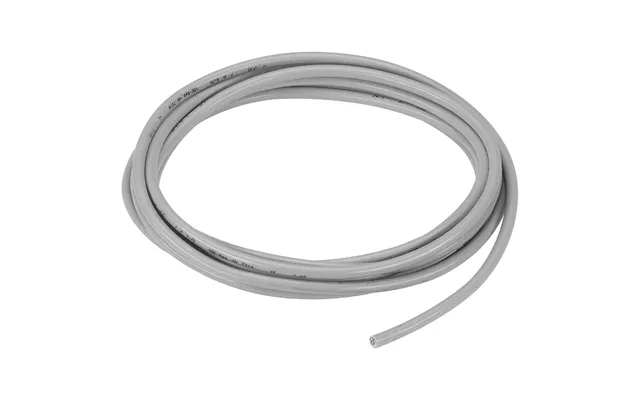
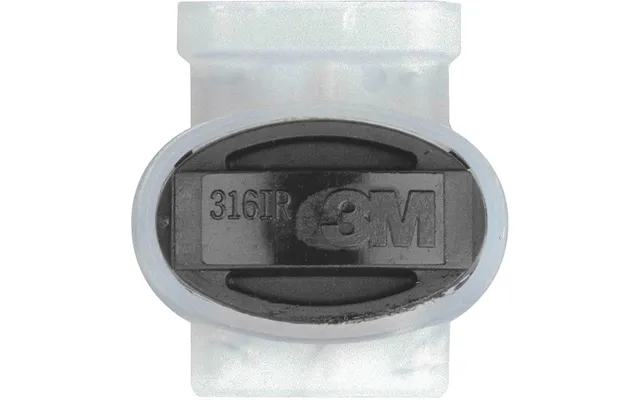
| Gardena 1896-20 Irrigation System Part Accessory | £ 35,82 | |
| Gardena 13400-20 Drip Irrigation System | £ 59,50 | |
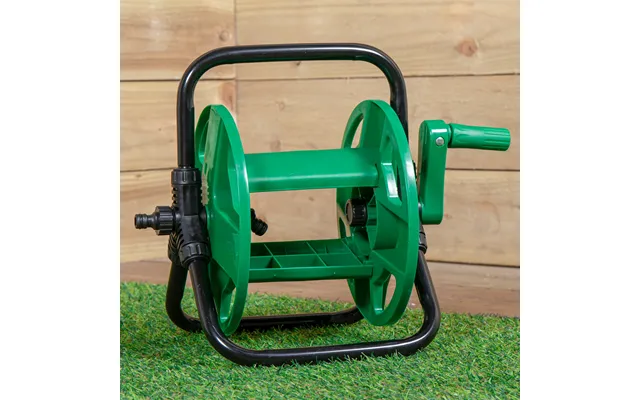
| Gardena 18547-20 Garden Hose Reel Multi-position Reel Manual Black Stainless Steel | £ 110,84 |