All categories
Business & Offices
Electronics & Media
Fashion & Accessories
Groceries & Essentials
Health & Personal Care
Home & Living
Kids & Family
Sports & Outdoors
Search in ZoneOffer

Loading...
Do you remember the soft, warm glow from old-fashioned light bulbs that made living rooms feel cozy and kitchens inviting? Incandescent bulbs deliver that exact warmth, and even though newer technologies like LEDs have changed the market, incandescent bulbs still hold charm and specific practical benefits. In this guide I'll walk you through everything from bulb shapes and dimmer compatibility to where to compare prices and spot the best popular offers, all written in plain English and practical tips you can use today.
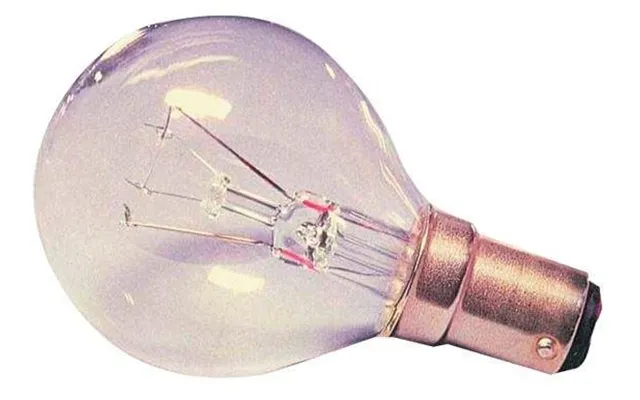
An incandescent bulb produces light by heating a thin filament until it glows. That filament sits inside a glass envelope often filled with an inert gas to prolong life. The result is a continuous spectrum of light that our eyes interpret as warm and natural. Unlike some alternatives that can feel harsh, incandescent light is flattering for skin tones and textiles, which is why it remains popular in decorative fixtures and task lighting.
Incandescent bulbs typically emit light that reads around a warm color temperature, giving off a rich golden hue. If you want a living space to feel cozy—like a favorite armchair by the fireplace—this warm light is hard to beat. Think in terms of ambiance: incandescent light feels like a friendly conversation, not a lecture.
One of the practical perks is instant-on performance: the bulb lights to full brightness the moment you flip the switch. Many incandescent bulbs also dim smoothly with standard dimmer switches, making them ideal for dining rooms, bedrooms, and lounges where adjustable mood lighting matters.
Since incandescent light emits a broad spectrum, colors appear natural and vivid under it. If you’re displaying artwork, fabrics, or cooking and want true color perception, incandescent bulbs render colors better without the bluish or yellowish tint sometimes seen in alternatives.
The A19 style is the common pear-shaped bulb you’ll find in table lamps and ceiling fixtures. It’s versatile and fits many E26 screw bases. A typical A19 incandescent is often sold as a 40-watt or 60-watt equivalent, and its diameter is roughly 2.4 inches, which fits most lampshades and sockets without fuss.
Globe bulbs have a rounded profile and are popular in vanity lights and pendants. A G25 globe might be used near a mirror or in a decorative fitting where the bulb is visible; its diameter is usually around 3.1 inches, making it a noticeable design element as well as a light source.
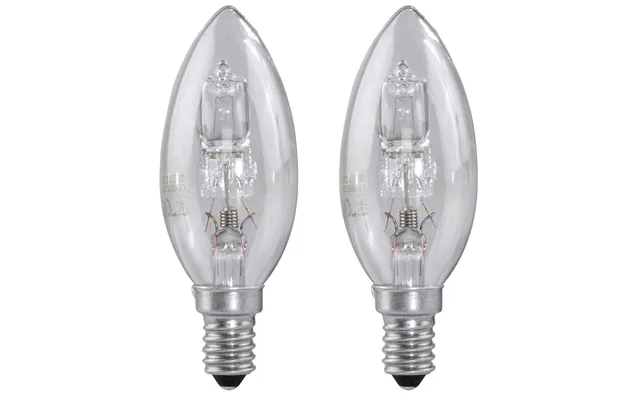
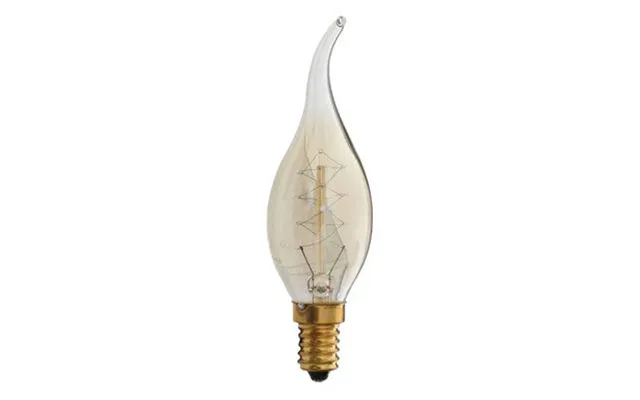
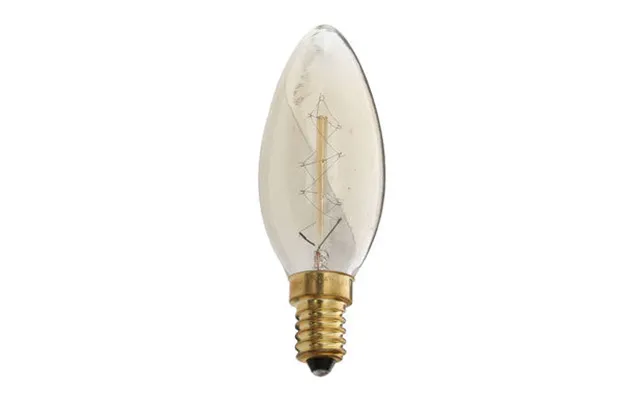
Candle-shaped bulbs are small, elegant, and perfect for chandeliers and wall sconces. They offer that classic, chandelier-like sparkle with a typical length of about 3 to 5 inches depending on the style. They’re an easy way to preserve a traditional aesthetic.
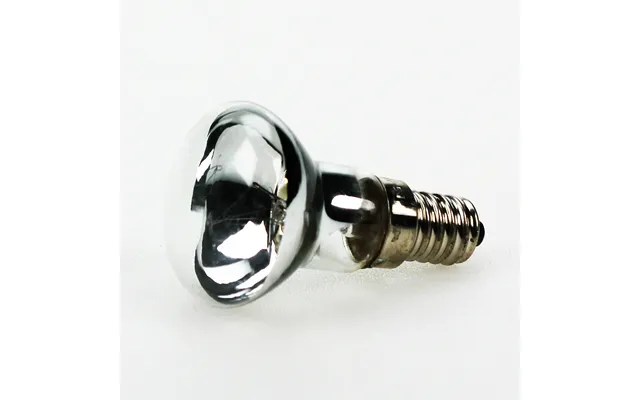
Reflector bulbs direct light forward and are often used for track lighting, recessed cans, or accent fixtures. You’ll see them labeled as R or BR types and they’re great for spotlighting or highlighting artwork, usually fitting fixtures that require a deeper bulb body.
Wattage on incandescent bulbs directly indicates the amount of electrical power they use, which historically correlated to how bright they are. A common point of confusion today is comparing watts with LED equivalents. To keep it simple: a 60-watt incandescent is what many of us remember as a “standard” household bulb, while 40-watt bulbs are softer and 75 to 100-watt bulbs give much brighter room lighting. Think about the mood you want—soft and intimate or bright and functional—and pick wattage accordingly.
In a bedroom you might prefer a 40W or 60W equivalent for a relaxed vibe; a kitchen or utility room often benefits from 75W or higher for task clarity. For reading lamps, choose a bulb that provides focused light around the 60W level in a directional fixture.
Most domestic fittings use an E26 screw base, which is common in many lamps and fixtures. Some fixtures, especially older or European models, use bayonet-style fittings or smaller candelabra bases. Always double-check the socket before buying so the bulb physically fits and makes electrical contact.
If you have a dimmer, incandescent bulbs are typically the easiest to control. They dim linearly, so the light level responds predictably as you turn the dial. This is a major advantage for preserving that warm, adjustable glow without needing specialized dimmer switches.
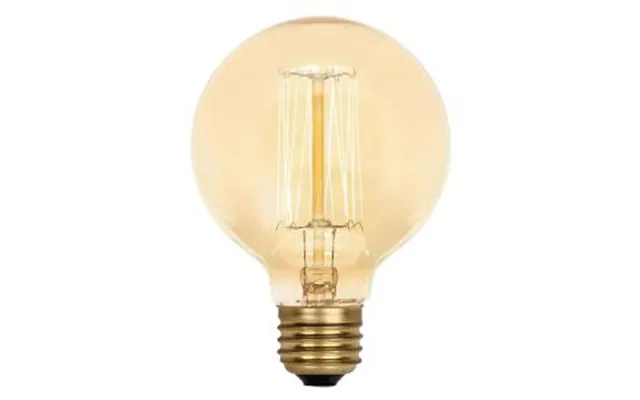
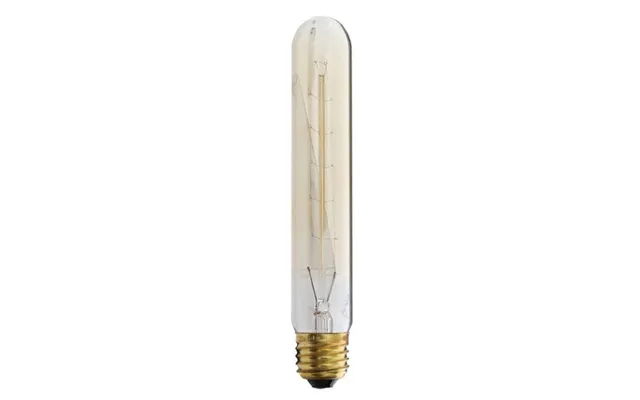
Trends come and go, but vintage-style filament bulbs are a steady favorite for open fixtures and industrial or retro interiors. These bulbs mimic the look of old-school carbon filaments with visible coils and warm amber glass. They’re ideal when the bulb itself doubles as decor, and they often come in different shapes like elongated tubes or globe forms to suit various fixtures.
Go for a vintage filament bulb when the bulb is exposed—think bare pendants or open chandeliers. They add character and a design statement, especially in spaces like cafes, bars, and feature dining areas. They’re less about bright task lighting and more about visual warmth and mood.
Incandescent bulbs are less energy-efficient than modern LEDs, meaning they convert more electricity into heat rather than light. That heat can be useful, for example in certain appliances, but in general it makes them less cost-effective over time. Their average lifespan is shorter—often measured in hundreds to a couple thousand hours—so plan for replacement frequency when budgeting.
Because incandescent bulbs run hot, avoid using them in enclosed fixtures that trap heat unless the fixture is rated for incandescent use. Keep fabric shades and combustible materials at least a few inches away from the bulb; a distance of several inches to a foot is a safe rule of thumb depending on the fixture and wattage.
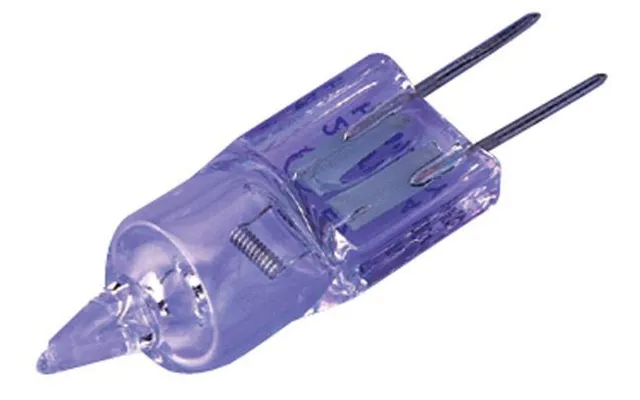
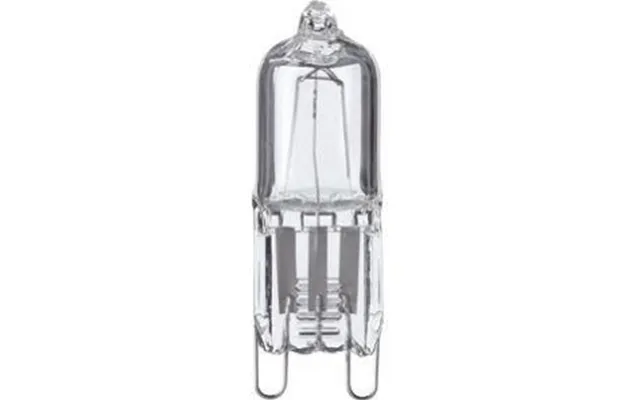
If your priority is long-term savings and lower energy bills, LED bulbs are worth the switch. They use far less electricity, last much longer, and come in warm tones that closely mimic incandescent light. Halogen bulbs sit between incandescent and LED: they’re brighter and a bit more efficient than traditional incandescent bulbs but still run hot.
Pick incandescent for authentic warmth and smooth dimming in decorative fixtures. Choose halogen for brighter directional tasks without moving to full LED color profiles. Opt for LED when energy efficiency, lifespan, and reduced heat output matter most. Consider hybrid approaches—use incandescent or halogen where the look matters and LED where volume lighting and cost-savings matter.
Want to snag the best deal? Start by making a list of the bulb types, base sizes, and wattages you need. Use comparison tools online to check prices from several sellers at once—this helps you spot genuine bargains and popular offers without visiting multiple stores. Look for multi-packs for rooms that need many bulbs, and watch for seasonal promotions that reduce per-bulb cost significantly.
Pay attention to pack size, bulb life (rated hours), and whether bulbs are dimmer-compatible if that matters to you. A slightly higher price per bulb can still be a better buy if the rated life is double. If you see a popular offer, read product reviews and check that seller ratings look solid—value is more than price alone.
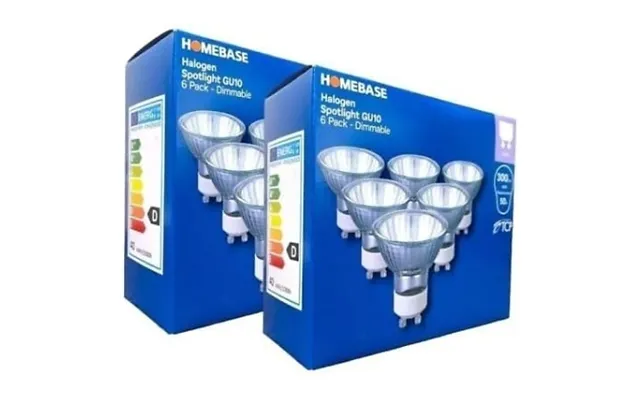
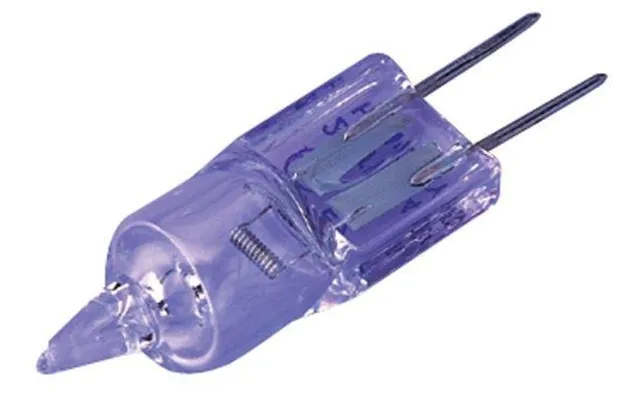
For restful areas, choose lower wattage incandescent bulbs or warm-toned LEDs that mimic incandescent warmth. Use dimmable bulbs on bedside lamps and living-room fixtures to create layers of light for reading and relaxing.
In task spaces, favor higher brightness and directional light. Reflector bulbs in track lighting or under-cabinet LEDs give clear, shadow-free light for prepping food or working on projects. If you stick with incandescent reflectors, ensure the fixture handles the heat.
Vanity lighting benefits from globe bulbs or multiple candle bulbs to reduce shadows on the face. Choose warm color and even distribution; incandescent bulbs naturally render skin tones well, which helps for grooming tasks.
Incandescent bulbs are simple to maintain—just swap them when they burn out. Because they don’t contain mercury like some compact fluorescent alternatives, disposal is straightforward: they can usually be thrown away with household waste, though check local rules if recycling options are available. Wrap a used bulb in paper or soft material before tossing to protect sanitation workers from broken glass.
Popular offers typically combine a competitive price with trusted brand names and useful pack sizes. Look for rebates or multi-pack savings that lower the per-bulb cost, and consider lifetime value rather than the sticker price. If a deal includes free returns or price-matching from a reputable comparison source, that can add reassurance—especially for bulk buys.
Think about what you want the light to do—set a mood, reveal true color, or light a workspace—and pick your bulbs accordingly. Incandescent bulbs remain unbeatable in warmth and smooth dimming, but mixing in energy-efficient LEDs is often the smartest, cost-effective strategy for most homes. Use comparison tools to scan the market for popular offers and remember that the cheapest option upfront isn't always the best long-term pick.
Ready to browse? Make a short checklist of socket type, bulb shape, wattage preference, and whether you need dimming. With that list in hand you’ll find matching bulbs quicker and spot genuine deals that suit your home and style.
Incandescent bulbs continue to earn a place in modern homes for their warm glow, true color rendering, and dimming ease. They make spaces feel cozy and deliver an aesthetic that many people prefer for decorative fixtures. While LEDs and halogens offer efficiency and longevity, incandescent bulbs remain a go-to for specific uses where warmth and ambiance matter most. By understanding bulb shapes, base sizes, wattage needs, and how to compare offers, you can choose bulbs that match both your design taste and practical requirements.
| Incandescent Light Bulbs | Price | |
|---|---|---|
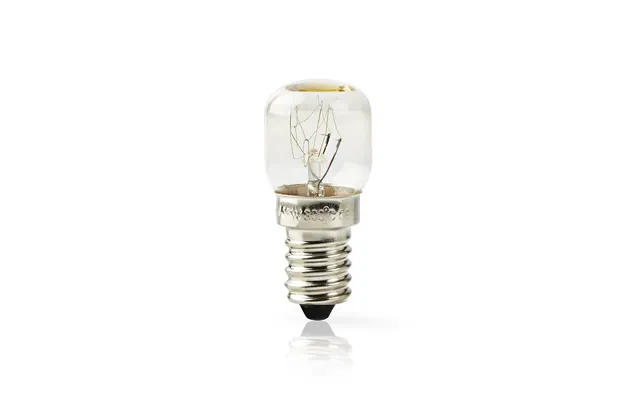
| Nedis Universal Incandescent Oven Bulb 15 W E14 Incandescent T22 | £ 2,44 | |
| Energizer S5160 R7s 78mm Halogen Bulb | £ 2,67 | |
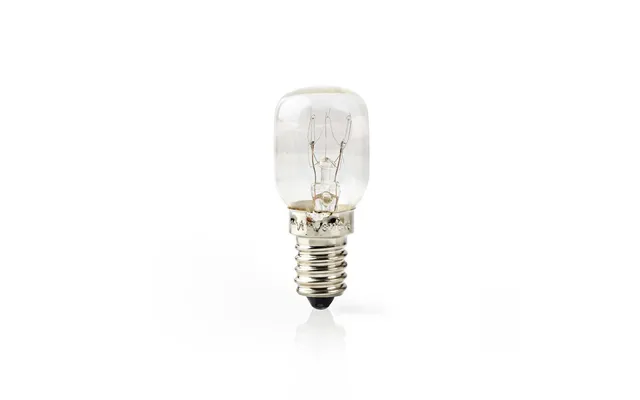
| Nedis Universal Incandescent Oven Bulb 25 W E14 Incandescent T25 | £ 2,73 | |
| Unison E14 Elliptical Mini 40w 11 Cm | £ 5,91 | |
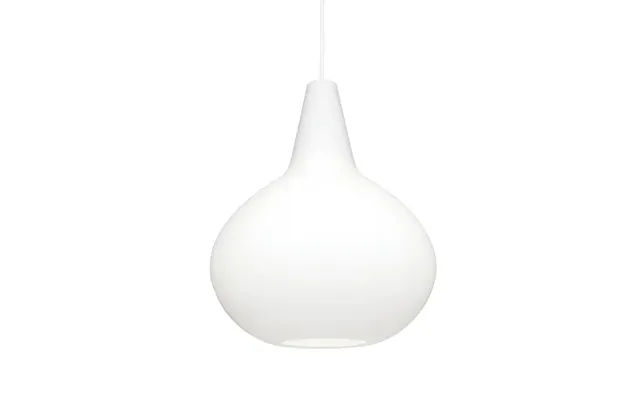
| Innolux Bulbo Pendant Lamp Opal | £ 158,10 | |
| Ingo Maurer - Bulb Brass Table Lamp | £ 1.405,- |