All categories
Business & Offices
Electronics & Media
Fashion & Accessories
Groceries & Essentials
Health & Personal Care
Home & Living
Kids & Family
Sports & Outdoors
Search in ZoneOffer

Loading...
If you’ve ever sliced through plywood like butter or scored tile with a crisp, confident line, you already know this truth: the right cutter accessories don’t just make a job easier—they make it possible. Whether you’re renovating a bathroom, trimming deck boards, or crafting cabinetry, smart choices on blades, bits, and helper add‑ons can save time, money, and plenty of frustration. In this guide, we’ll walk through the best cutter accessories for home and garden projects, explain materials and sizing in plain English, and share savvy tips for snagging great deals across the UK using comparison platforms. Ready to upgrade your kit and your results? Let’s cut to it—pun intended.
Cutter accessories are the hardworking bits and blades you attach to your tools to do the actual cutting: circular saw blades, jigsaw blades, diamond discs, hole saws, router bits, utility knife blades, and more. They’re also the add‑ons that improve accuracy, extend tool life, or keep you safe—think cutting guides, clamps, lubricants, dust control, and protective gear. Without the right accessory, even a premium tool can struggle; with the right one, a modest tool can perform far above its weight. Good accessories mean cleaner cuts, fewer burned edges, less chipping, reduced vibration, and lower chances of a dangerous kickback. In short, the right setup helps your work look professional and makes your time in the workshop or on the jobsite more enjoyable.
Materials matter because they determine how a blade or bit wears, how long it stays sharp, and what it can cut. Diamond (industrial or synthetic) bonds are the go‑to for tile, porcelain, stone, and concrete. Carbide, often used in tips on saw blades and router bits, stays sharp for a long time and handles hardwood, composites, and even non‑ferrous metals. Bi‑metal jigsaw and reciprocating blades combine the flexibility of carbon steel with the toughness of high‑speed steel for durability in metal and demolition work. High‑carbon steel stays affordable and works well in softer woods and plastics, while high‑speed steel ramps up heat resistance for metals. The trick? Match the material to the job. Choosing the wrong one often shows up as scorched edges, chipped tile, ragged cuts, or a blade that blunts before lunch.
Let’s break down the most useful cutter accessories for popular tools, so you can pick with confidence. We’ll cover blade types, where they shine, and simple compatibility tips that sidestep headaches. Think of this as your friendly shortcut to choosing the right edge for every project in your home, garden, and workshop.
For DIY and trade alike, circular saw blades are the backbone of straight cuts in timber, sheet goods, and more. Common diameters include 7‑1/4 inch for handheld saws and 10 inch for table saws and miters. Tooth count matters: fewer teeth (say 24) rip fast through lumber; more teeth (40–60) give smoother crosscuts and plywood edges. Carbide‑tipped blades outlast basic steel by a wide margin, and thin‑kerf options reduce strain on compact saws while wasting less material. For laminates and veneered plywood, look for anti‑chip geometry. If you cut aluminum or plastic, choose non‑ferrous dedicated blades with the right tooth grind. Don’t guess the arbor—many handheld saws use a 5/8 inch bore, while some bigger saws accommodate 1 inch with bushings or specific flanges.
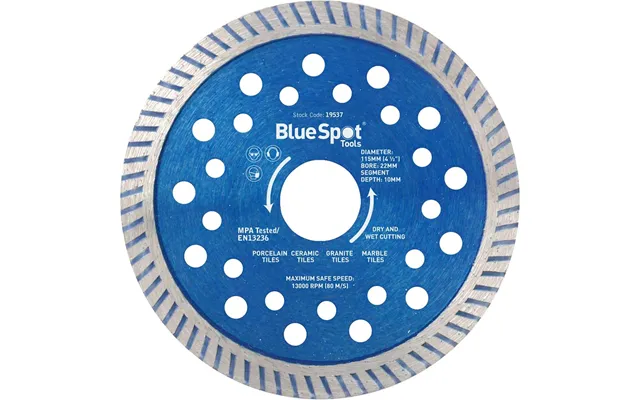
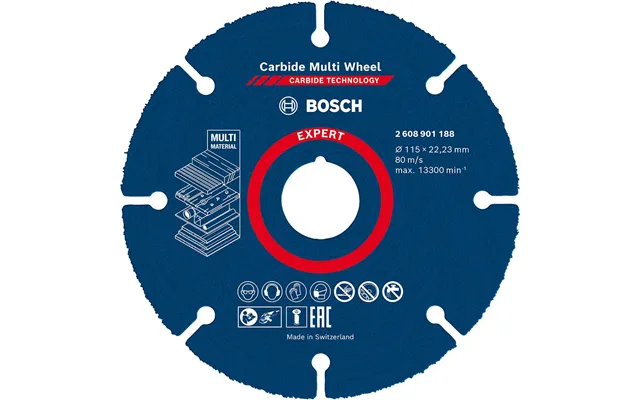
Angle grinders paired with 4‑1/2 inch cutting discs are a powerhouse for metal, masonry, and tile. Use bonded abrasive discs for quick metal cuts and diamond‑rim discs for stone, concrete, or porcelain. Segmented rims run cooler for tougher masonry; continuous rims shine on ceramic and glassy tile where a clean edge matters. Keep an eye on disc thickness—thinner cuts faster and cleaner, but thicker discs offer more durability for rough jobs. When switching between metal and masonry, swap discs; one type won’t handle both well. For stainless steel, invest in premium discs to avoid glazing and heat buildup. And be mindful of guards and max RPM ratings; a mismatched disc is a safety hazard you don’t need.
Jigsaws thrive on curves, cutouts, and finish work. Choose blades based on tooth style and material: high‑carbon steel for soft woods and plastics, bi‑metal for mixed materials and metal, and reverse‑tooth blades for laminates to reduce top‑side tear‑out. Fine‑tooth blades give smooth edges; coarse teeth chew faster when appearance isn’t critical. Blade length matters when you’re cutting thick stock—match it to your work so the teeth don’t overheat. For tight turns, use a narrow blade. And if your saw takes T‑shank blades, skip U‑shank unless you confirm compatibility; correct fit equals better stability and less chatter.
Oscillating multi‑tools cut, plunge, and flush‑trim where other tools can’t reach. Stock up on wood blades with sharp teeth for trim and floors, bi‑metal blades for nails and screws, and carbide‑grit blades for grout removal or rough masonry. Pay attention to the blade interface—some tools use a universal mount, others prefer star‑lock‑style connectors that improve torque transfer. The right blade transforms stubborn cuts—think undercutting door jambs for new flooring or slicing out damaged drywall without overcutting. If you work with painted trim, spring for precision wood blades to minimize sanding later.
When it’s time to remove, remodel, or rescue a stuck fastener, reciprocating saws are unmatched. Flexible bi‑metal blades handle embedded nails and screws in wood. For metal pipes and angle iron, use fine‑tooth metal blades, and for cast iron or fiber cement, consider carbide‑tipped beasts designed to last. Longer blades let you make plunge cuts and reach where you need to, while shorter blades feel more controllable in tight spots. If you’re cutting wood with nails, choose “nail‑embedded” labeled blades; the difference in life span is real.
Don’t sleep on the humble utility knife. Fresh blades make fast, accurate cuts in drywall, vinyl flooring, carpet, and packaging. Stock up on both standard and heavy‑duty blades, plus hooked blades for roofing and carpet. For fabric, leather, and crafting, round rotary cutter blades deliver clean, controlled passes—pair them with a self‑healing cutting mat and a metal straightedge for best results. Change blades more often than you think; dragging a dull edge invites slips and ragged cuts that cost time to clean up.
Manual tile cutters and glass cutters depend on sharp scoring wheels to deliver neat breaks. For porcelain and dense ceramic, a high‑quality carbide or diamond wheel makes the difference between a clean snap and a frustrating crumble. If you’re cutting thicker tile—say 1/2 inch porcelain—consider upgrading your scoring wheel and checking your cutter’s capacity. With glass, use light, steady pressure and replace worn wheels early; if the score looks uneven or squeals, it’s time for a new wheel. Keep your rails clean and lightly lubricated to help the carriage glide smoothly.
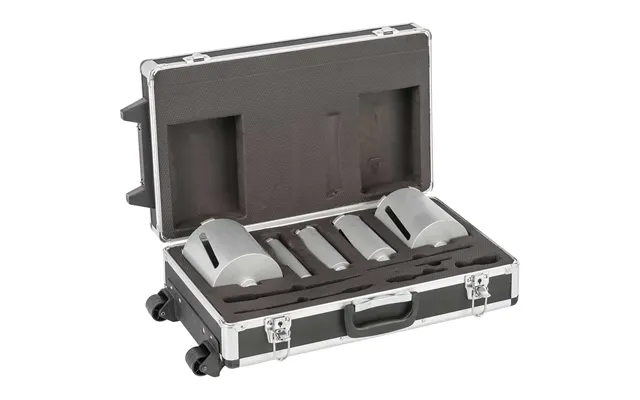
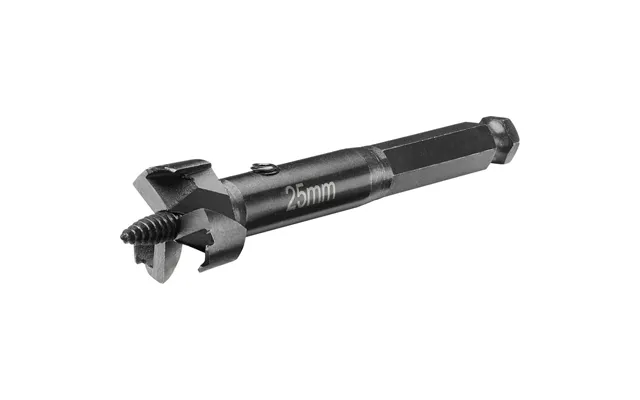
Hole saws drill large, neat openings for pipes, Downlights, and vents. A good kit covers sizes from around 3/4 inch to 4 inches, with bi‑metal saws for wood and metal, and diamond‑coated cups for tile and stone. Make sure you’ve got the right arbor and pilot bit—many sets use a common thread, but some brands are quirky. For jambs and hardwoods, a fine‑tooth saw leaves a cleaner edge; for metal studs and sheet, use a slow, steady feed and a drop of cutting oil. When coring tile, back off the pressure, keep the diamond cool, and let the abrasive do the work.
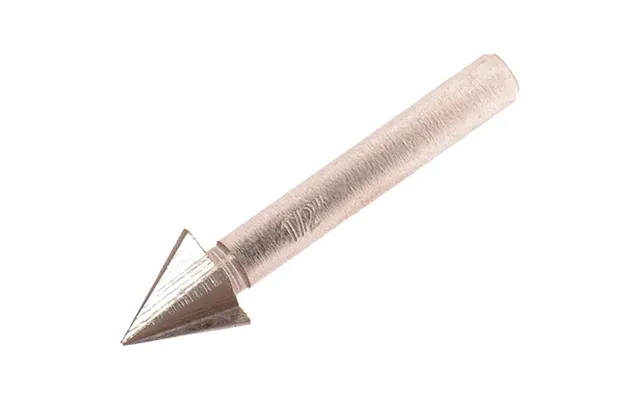
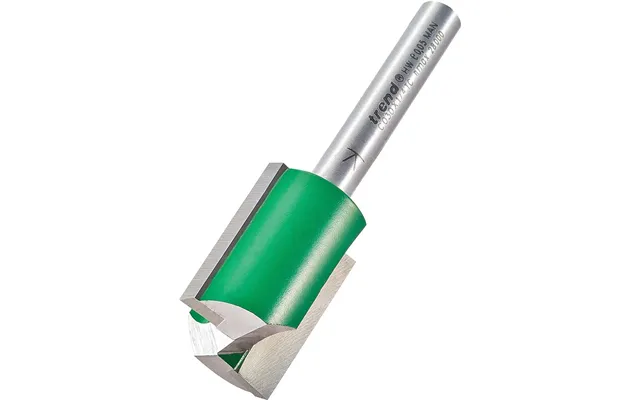
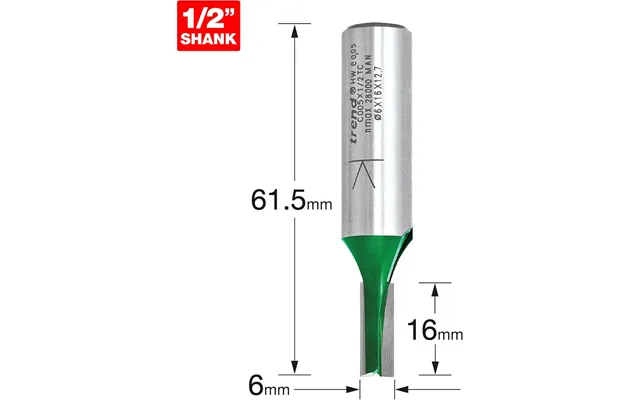
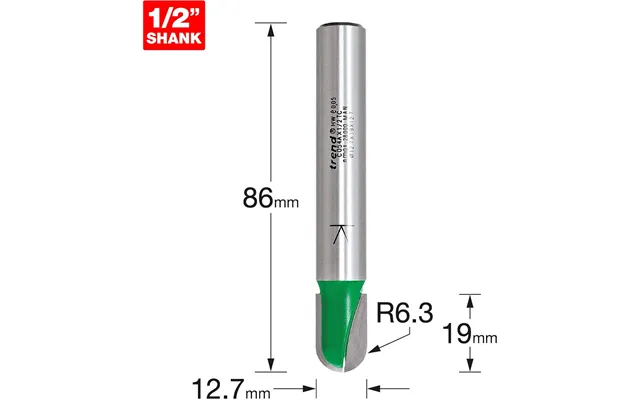
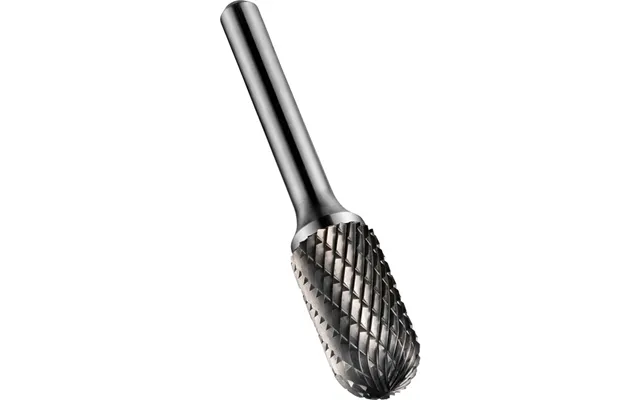
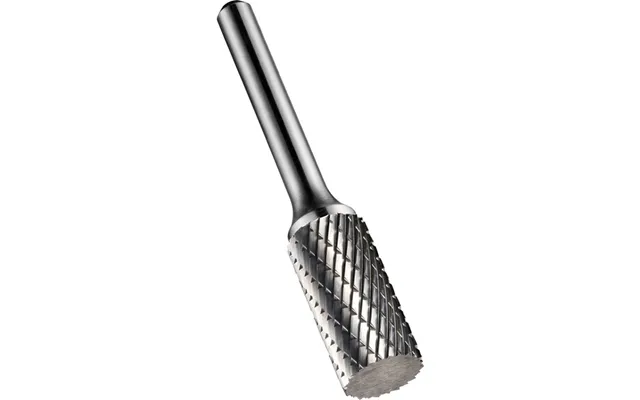
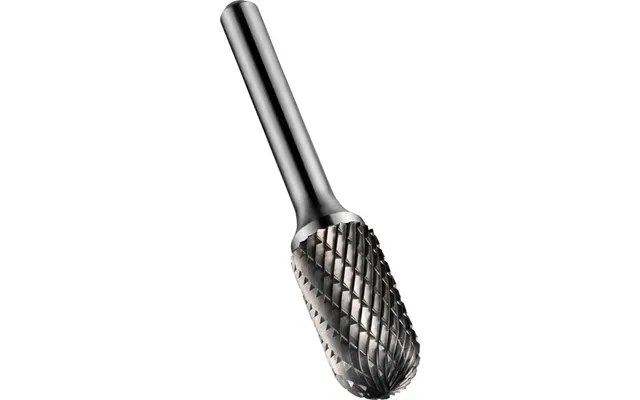
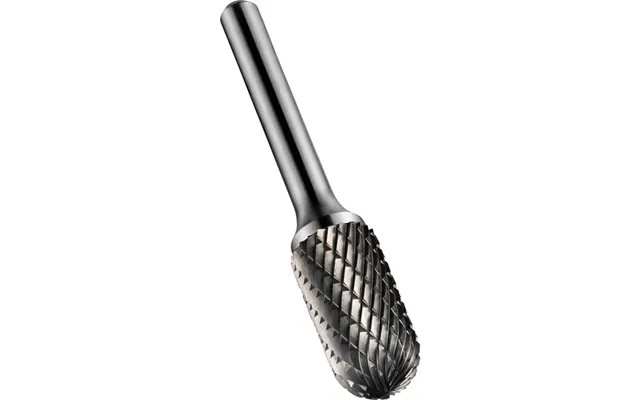
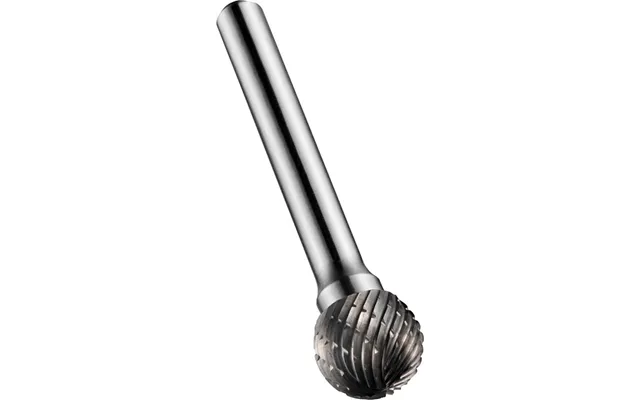
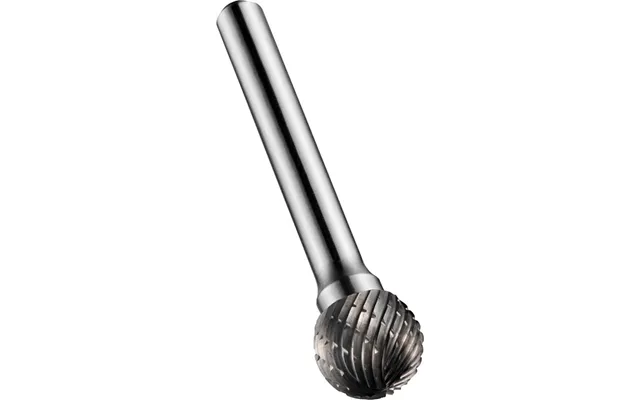
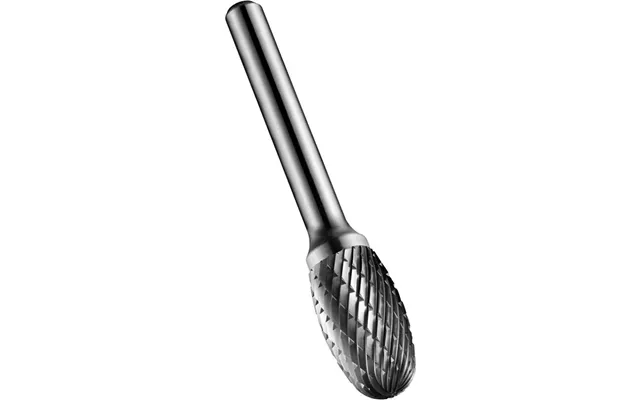
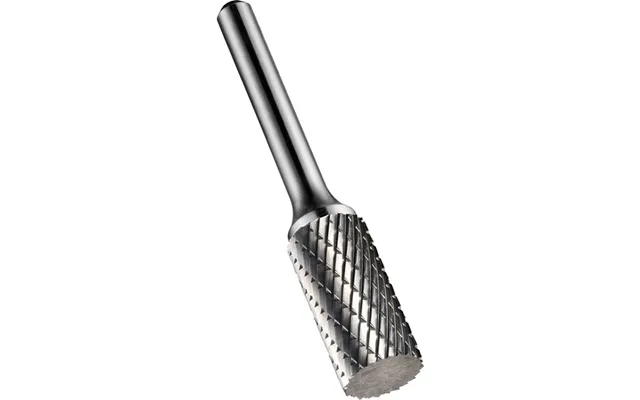
Routers unlock professional edges, joinery, and pattern work. Carbide‑tipped bits last longer and stay sharper, especially on hardwoods and composites. Keep a core set: straight bits for dados, flush‑trim bits with bearings for template work, chamfer bits for crisp edges, and round‑over bits to soften corners. If your work involves laminate, a sharp flush‑trim bit with a clean bearing saves hours of sanding. Shank size matters—1/2 inch shanks reduce chatter and run smoother than 1/4 inch on heavier cuts. Store bits safely to protect delicate edges; one ding can show up as a chatter mark in your next pass.
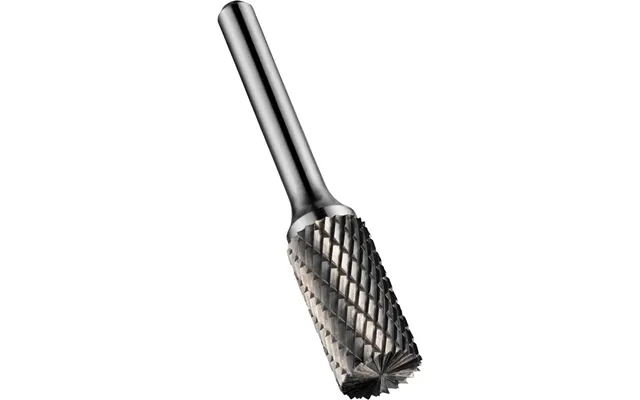
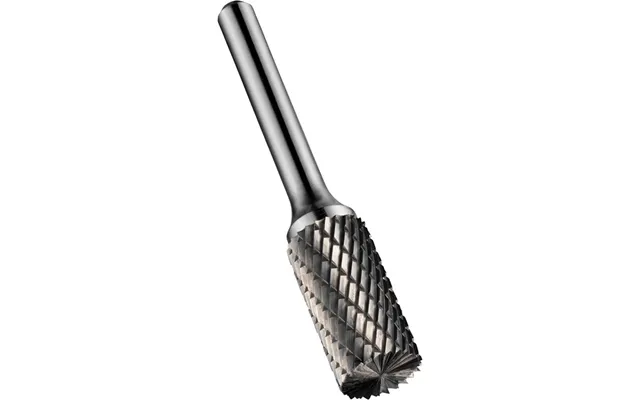
Rotary tools shine for detail cuts, grout removal, and delicate trim. Reinforced cut‑off wheels handle bolts and screws; diamond wheels score tile and glass; carbide burrs shape plastics and soft metals. Ensure your mandrel is tight, keep a light touch, and let RPM and abrasive do the work. A gentle hand prevents melting plastic or blue‑tempering metal. Since wheels are small, wear eye protection—tiny shrapnel is no joke.
Compatibility is where many buyers stumble. Start with diameter and arbor: handheld circular saws commonly use 7‑1/4 inch blades with a 5/8 inch arbor; many table and miter saws take 10 inch or more with options for 1 inch bores. Grinder discs often measure 4‑1/2 inch, though larger tools exist. Kerf—the thickness of the cut—affects power draw and waste; thin‑kerf blades cut easier with compact saws, while standard kerf offers stability on heavy cuts. Tooth count and geometry tailor performance: ripping favors fewer, larger teeth, while crosscutting and plywood prefer more, smaller teeth for smooth results. When in doubt, check your tool’s manual or the guard markings, and match maximum RPM ratings—the accessory must meet or exceed your tool’s speed.
Clean cuts start with control. Cutting guides, track rails, and straightedges turn a wobbly pass into a laser‑straight line. Pair a circular saw with a clamp‑on guide for long rips, or invest in a track system for cabinet‑grade accuracy. Miter gauges, fences, and stop blocks on a table or miter saw make repeat cuts fast and exact. Even a simple pair of quick‑release clamps can elevate your results by preventing movement and vibration. For curves, mark with a flexible spline or template, and use flush‑trim bits or guide bushings to reproduce shapes precisely. Think of these helpers as your co‑pilot—they keep your line true and your stress low.
Heat is the enemy of sharp edges. A dab of cutting oil on metal, a wax stick on saw teeth, or a water feed for tile can drastically extend accessory life and improve cut quality. On metals, slow down the feed, keep the blade lubricated, and avoid forcing the cut. In hardwoods, steady pace beats brute force—let the teeth slice, not grind. If you smell burning or see smoke, back off and rethink: dull blade, too much pressure, or insufficient cooling are the usual culprits. Small habit changes here can double or triple the life of your blades and bits.
Cutting safely is non‑negotiable. Impact‑rated eye protection blocks chips, while hearing protection keeps you focused. A dust mask or respirator is smart with MDF, cement board, or tile—those particles are not your friends. Cut‑resistant gloves help on demolition and sheet metal, but avoid loose clothing around spinning arbors. Use guards as intended and check that discs and blades are seated correctly. A stable workpiece is a safe workpiece—use sawhorses, a workbench, or a sacrificial board to support offcuts. Simple steps like standing to the side of a cut line can prevent a nasty surprise if kickback occurs.
Accessories last longer when you treat them right. Wipe blades clean after resinous woods; a touch of blade cleaner removes pitch and keeps friction down. Dry everything when you’re done—rust loves a damp corner. Store blades in sleeves or cases so teeth don’t knock together. For router bits and table saw blades, professional sharpening can restore like‑new performance; just make sure carbide tips are intact. Keep a diamond file or hone handy for quick touch‑ups on some tools. And label accessories by material—“metal only,” “laminate,” “finish”—so you don’t accidentally ruin a fine wood blade on a nail.
Not every job needs a top‑shelf accessory. For rough framing or a one‑off demo, a value blade can be perfect. But for finish carpentry, cabinet edges, or porcelain tile, premium blades and discs pay for themselves in time saved and quality delivered. Look at cost per cut, not sticker price. If a carbide‑tipped blade delivers ten times the life of a bargain option and yields cleaner edges, it’s a smarter buy. Kits can stretch your pound—hole saw and jigsaw assortments offer variety without overpaying. Just avoid false economy: using the wrong accessory can ruin materials, burn out tools, and waste your weekend.
Mixing brands is fine as long as sizes and interfaces match. Confirm arbor size, disc diameter, and mounting type (especially on oscillating tools). If your saw allows, pick thin‑kerf blades for smaller motors. Consider multi‑packs for consumables like utility blades, cut‑off wheels, and jigsaw blades—you’ll change them often. For diamond tile tools, read the label: porcelain‑rated is tougher than ceramic‑only. And keep a short wish list of the accessories you use most; then compare prices and specs across retailers using a price‑comparison website to spot real savings instead of marketing sizzle.
Metal blades, hole saws, and some discs can be recycled when dull—check local facilities. Buying durable carbide‑tipped blades reduces how often you toss spent steel. Proper cutting also minimizes material waste; a clean plan and the right kerf save valuable lumber and expensive tile. When possible, choose accessories with replaceable parts, like scoring wheels or pilot bits, so the whole tool doesn’t hit the bin when one piece wears out.
Three big pitfalls crop up again and again. First, using the wrong blade for the material: metal blades on wood, wood blades on tile—this shortens life and risks dangerous kickback. Second, ignoring compatibility: a blade that doesn’t match your arbor or exceeds your tool’s RPM is a recipe for failure. Third, rushing the cut: forcing progress overheats edges, dulls teeth, and chips brittle materials. The fix is simple—take a beat, check the label, and let the accessory do the work. A calm, steady approach yields cleaner results and a far better day in the workshop.
Prices and promotions move fast, especially on popular blades and multi‑tool kits. Instead of hopping between random shops, use a comparison site to line up offers side by side, filter by size and material, and spot genuine discounts. Watch for bundles that include the arbor or mandrel you need; those little extras can negate a “cheap” single item. Read real‑world reviews that mention the materials and tools you use. And keep timing in mind: seasonal sales often drop prices on DIY gear, while pro‑grade accessories see deals tied to trade events. With ten minutes of comparison, you can turn your shortlist into a smart, money‑saving purchase.
The right cutter accessories transform your tools—and your results. Start by matching blade materials to the job, then nail the basics like diameter, arbor, and tooth count. Add guidance tools and good habits—cooling, steady feed, safe setup—and you’ll enjoy cleaner edges, straighter lines, and fewer headaches. Whether you’re upgrading a single saw blade or building out a full kit with jigsaw blades, diamond discs, hole saws, and router bits, a thoughtful approach pays off on every cut. Shop smart using comparison platforms, invest where precision matters, and treat your accessories well. Your projects—and your sanity—will thank you.

| S One D60 Dragknife Desktop - 600mm | £ 1.862,09 |