All categories
Business & Offices
Electronics & Media
Fashion & Accessories
Groceries & Essentials
Health & Personal Care
Home & Living
Kids & Family
Sports & Outdoors
Search in ZoneOffer

Loading...
Ever find yourself searching for that one small part that makes your cutting tool perform like new? That’s where “Cutter Accessories – Other” comes in. It’s the catch‑all category for the unsung heroes of precision work: replacement wheels, utility blades, oscillating attachments, rotary bits, cutting guides, lubricant sticks, scoring heads, and more. Whether you’re tackling a quick DIY repair or a demanding professional job, the right accessory is the difference between a clean, effortless cut and a frustrating mess. In the UK, this category also happens to be where many of the best-value deals hide—perfect for savvy shoppers who compare offers before they buy.
Think of your tools like a sports car: the engine matters, but the tires and brakes decide how it corners and stops. Cutter accessories are those tires and brakes—sharpening performance, extending tool life, and improving safety when it counts. Pros love the consistency and time savings; DIYers love how these add-ons turn a basic tool into a precise, multi-purpose machine. Pay attention to compatibility, material, and size, and you’ll squeeze pro-grade results out of everyday tools—without overspending.
It’s easy to focus on the main tool and forget the supporting cast. Yet small upgrades unlock big performance. From carbide scoring wheels for tile to slim cut-off discs for metal, the “other” bucket covers everything you need to prep, cut, guide, cool, and finish. Popular choices include replacement wheels for tile and glass cutters, fresh utility and snap-off blades, oscillating saw blades for plunge cuts, and rotary tool bits for fine detail work. Even humble blade storage cases and cutting mats can transform how smooth and safe your workflow feels.
If your tile cutter is chipping or your glass score is wandering, the wheel is likely dull. Swapping in a fresh carbide or diamond-tipped wheel takes minutes and restores those buttery, straight scores you need before the snap. For pipe cutters and tube trimmers, replacement heads keep cuts square and reduce burrs. Watch out for diameter and bore size, and make sure the wheel matches your material—ceramic, porcelain, glass, or soft metal—so it lasts longer and cuts cleaner.
Utility knives and snap-off knives are the Swiss Army knives of the workshop. A fresh, sharp blade slices through drywall, vinyl, carpet, and cardboard with less pressure and more control. Carbon steel blades are inexpensive and plenty sharp; coated or bi-metal options add edge retention for heavy use. Keep spare packs on hand and change blades the moment you feel them dragging—your hands and your finish quality will thank you.
Oscillating multitools shine in tight spaces: plunge cuts in door jambs, trimming shims, scraping old adhesive, or undercutting trim. Accessory blades range from fine-tooth wood blades to carbide grit segments for grout removal. Starlock, OIS, and universal mounts dominate the scene—choose the interface that matches your tool for a rattle-free fit. When you see heat discoloration or the cut slows, it’s time to switch blades; forcing a blunt blade just burns time and material.
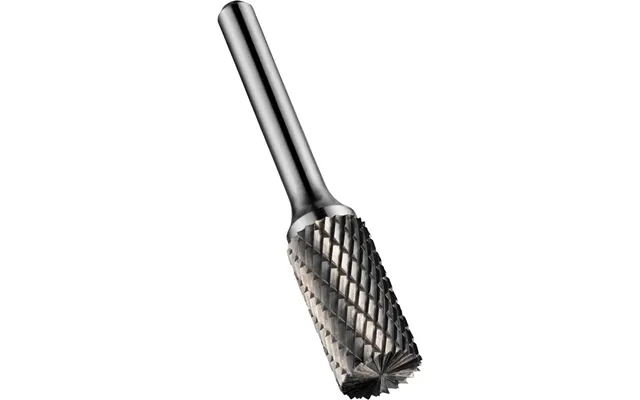
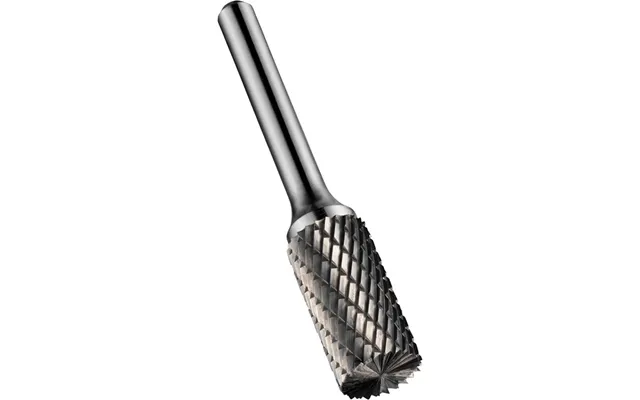
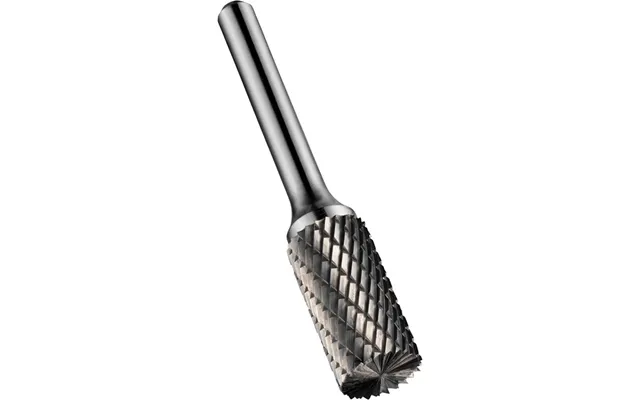
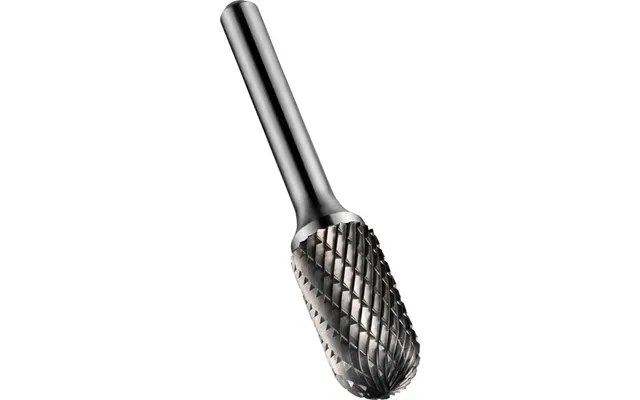
If precision is your thing, rotary tools are magic. Cut-off wheels, reinforced discs, spiral cutting bits, and abrasive wheels cover plastics, thin metals, and wood. Pay attention to shank diameter—most compact rotary tools use 1/8‑inch shanks—so your bits seat properly in the collet. Reinforced fiberglass discs resist shattering at higher speeds, while thin discs track finer lines for delicate tasks. Keep a steady hand and let the accessory do the work.
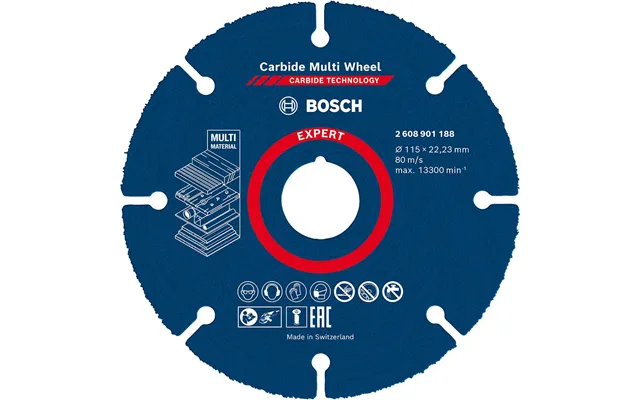
Cutting discs look similar at a glance, but details matter. The right disc saves effort, keeps your grinder cool, and leaves cleaner edges. You’ll often see 4‑1/2‑inch discs for compact grinders and up to 9‑inch for heavy-duty work. Thin discs slice faster with less heat; thicker ones hold up longer in rough conditions. Remember your grinder’s max RPM—never exceed the disc’s rating. And if your arbor is 7/8‑inch, match it, or use the proper ring to adapt safely.
Abrasive discs (aluminum oxide for steel, silicon carbide for stone) are budget-friendly and quick on thin materials. Carbide and diamond options cost more upfront but often outlast abrasive wheels many times over, especially in masonry, tile, or hard metals. If you’re making a few quick cuts, abrasive is fine. If you’re on a bigger project or need cleaner finishes, carbide or diamond pays for itself in time saved and consistency.
Thin discs—say around 1/16‑inch—slice fast and leave a narrow kerf, ideal for sheet metal or stainless trims. Thicker discs stand up to rough edges and hand-heavy use. Arbor sizes commonly land at 7/8‑inch for angle grinders; rotary tools stick to their collet sizes, often 1/8‑inch shanks. Always check the disc’s max RPM printed on the label and keep your grinder’s speed beneath it. Over-speeding a disc is like redlining an engine with no oil—sooner or later, something fails.
Tile and glass are unforgiving: the line between perfect and cracked is razor thin. The right scoring wheel, oil-fed glass cutter head, and carbide grit attachments are your insurance policy. Likewise, masonry demands diamond blades, water cooling, and patience. If you’re working indoors, consider dust extraction boots for grinders and masks rated for fine dust—silica dust is not something to shrug off.
Tile cutters live or die by their wheel. A fresh wheel scores a continuous, consistent line, while a worn wheel crushes the glaze and invites chips. Carbide wheels are standard; diamond-coated wheels shine on tough porcelain. Pair with quality breaking pliers for small offcuts that your main cutter can’t handle. Keep your tiles stable, score once with even pressure, and snap cleanly—no sawing back and forth.
Glass cutting is all about a single, clean score and a controlled break. Oil-fed cutter heads reduce friction, keep the wheel cool, and deliver smoother lines. Replace the head when you see ragged scores or feel it skipping. Practice on scrap to dial in pressure—too light and you won’t score; too heavy and you’ll crush. And always run the score once. Re-scoring the same line is asking for a wild break.
Sharp edges, flying sparks, and gritty dust—cutting tasks bring hazards. Good safety gear is as essential as the right blade. Pairing your accessories with guides, clamps, and mats raises your precision game and lowers your risk. The result? Cleaner cuts, fewer do-overs, and no nasty surprises.
Cut-resistant gloves help protect your hands from slips on sharp edges; anti-fog goggles keep your vision clear when sparks and dust fly. If your tool screams, your ears will, too—keep hearing protection close. And don’t forget a proper dust mask or respirator when cutting masonry or fiberglass. You’ll work more confidently when you know you’re covered.
Guides act like training wheels for straight cuts. A sturdy fence or track keeps saws honest, while self-healing cutting mats (think 12‑inch by 18‑inch or larger) protect surfaces and preserve blade edges on craft and vinyl projects. Add hold-down clamps to stop your workpiece from wandering. You’ll notice your cuts get faster and straighter almost overnight.
Compatibility isn’t optional—it’s everything. Get the mount, shank, arbor, and size wrong, and your accessory won’t seat right, or worse, it becomes unsafe. Match oscillating blades to your interface (Starlock, OIS, or universal). Confirm grinder arbor sizes, and check that your tool can handle the disc diameter. For rotary tools, 1/8‑inch shanks are common; some mini tools use 3/32‑inch. When in doubt, check the manual or the accessory’s fit chart before you buy.
Arbors on angle grinders are typically 5/8‑11 threads, with discs often featuring a 7/8‑inch bore. Rotary tools rely on collets—most include 1/8‑inch and sometimes 3/32‑inch. Oscillating tools vary widely: Starlock mounts snap in solidly, while OIS and universal fit with pins or openings. Use the correct adapter only if the manufacturer approves it; a snug, designed fit beats a wobbly workaround every time.
Accessories don’t fail out of the blue—they wear out from heat, abuse, and grime. Keep them clean, cool, and stored properly, and you’ll stretch every pound further. Rotate through multiple blades to prevent overheating, and don’t force the cut—let the tool speed and the accessory design do the heavy lifting. A minute spent on maintenance can save an hour in rework.
After dusty jobs, wipe down discs and blow off grit from oscillating blades. Dressing stones help refresh certain abrasive wheels, bringing back cutting bite. Keep blades in a case, not tossed in a drawer, to protect edges and your fingers. If an accessory warps, chips, or cracks, retire it. Using a damaged cutting disc is like driving on a bald tire—maybe it works today, but the risk isn’t worth it.
There’s more to value than the lowest number. Compare price per accessory in multi-packs, check material (carbide vs diamond vs abrasive), and read user feedback for longevity in real-world use. In the UK, pricing can swing across retailers, so it’s smart to use comparison platforms to line up specifications and deals side by side. A slightly higher price for a pack with longer-lasting blades can be the cheapest choice over the life of a project.
Instead of hopping store to store, save time by checking a trusted comparison site that aggregates offers from multiple UK sellers. You can quickly sort by price, popularity, or specs and spot bundle deals that individual retailers might hide in the fine print. It’s a simple way to avoid overpaying and still get exactly the accessory your tool requires.
Specs tell you the truth about fit and performance—diameter, thickness, arbor, shank size, and speed rating. Reviews reveal how those specs translate to real work: Do the discs glaze over quickly? Do the blades hold an edge through hardwood? And don’t overlook pack sizes: a 10‑pack at a fair price per piece can crush the cost of single replacements, especially for high-wear consumables like utility blades or cut-off wheels.
Choosing accessories by project keeps you focused on results. Think about material first, then tool, then finish quality and speed. You’ll end up with a shortlist of options that won’t let you down mid-cut. And with a plan, you can stock up efficiently—no scrambling for a missing wheel on a Sunday afternoon.
For general home tasks, keep a set of 4‑1/2‑inch metal cut-off discs, a packet of utility blades, a couple of wood and multi-material oscillating blades, and a small rotary kit with reinforced discs. Add a straightedge guide and a 12‑inch by 18‑inch cutting mat for craft and vinyl. With those in your kit, you can handle shelving trims, tile touch-ups, outlet cutouts, and the random odd job that always pops up.
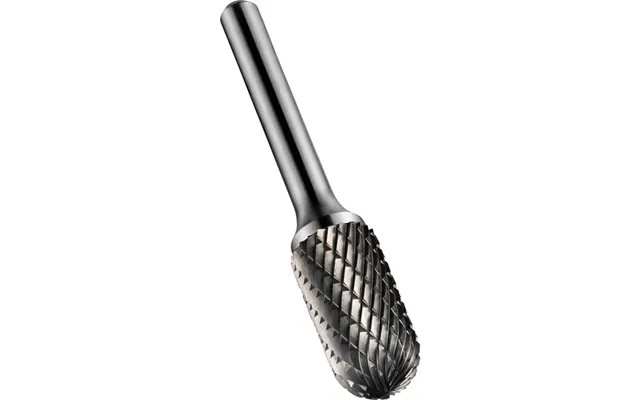
Metalwork benefits from thin-kerf discs for quick, cool cuts, plus flap wheels to dress edges. Keep cobalt or carbide burrs for deburring, and a deburring tool for tubing. An angle grinder with a 7/8‑inch arbor and a stash of 4‑1/2‑inch discs covers most vehicle brackets and exhaust trims. For clean stainless cuts, consider premium discs and avoid pushing too hard—heat coloring tells you it’s time to back off.
Landscaping projects demand rugged accessories: diamond blades for pavers, carbide-grit oscillating segments for grout and mortar, and heavy-duty utility blades for landscaping fabric. A scoring wheel for porcelain does wonders on patio tiles. Keep dust down with water where appropriate, and use masks when dry cutting. Outdoor work can be rough on gear—store accessories in weatherproof cases between jobs.
Most accessory failures trace back to a handful of bad habits: using the wrong wheel for the material, forcing the cut, running too fast, or ignoring wear. The fix is simple: match material to accessory, let the tool do the work, and stop the moment you see smoke or wobble. It’s like sharpening a pencil—steady pressure and the right tool produce a perfect point every time.
Side-loading a cut-off disc (twisting mid-cut) is the fastest route to a fracture. Keep the cut straight, don’t bind the disc, and use a thicker wheel if you need more stability. If you see sparks spraying orange and wide, you’re likely forcing it. Thin, tight sparks are the sign of a happy cut. When in doubt, back off, cool down, and try a fresh disc.
Clamping your workpiece isn’t optional—it’s your foundation for accuracy and safety. A wobbly part will grab blades and send cuts off line. Pair clamps with PPE—gloves, goggles, and hearing protection—so you can focus on the cut, not on second-guessing your setup. A few seconds spent clamping beats minutes spent fixing a crooked edge.
Cutting doesn’t have to be wasteful. Choosing long-life accessories, using multi-packs to reduce packaging, and storing blades so they don’t rust or chip cuts down on landfill. When available, look for recycling programs for metals and consider reusable core systems for certain diamond blades. Treat your accessories like assets, not disposables, and they’ll deliver more value and less waste.
Some premium blades and wheels feature reusable cores or offer refurbishment services—especially in professional ranges. You pay more upfront, but the total lifecycle cost can drop dramatically. For accessories without reuse options, collect spent metal parts and recycle them where facilities allow. It’s a small habit with a big impact over a busy season.
Technique amplifies what good accessories can do. Start cuts with a light touch to establish a track, then deepen the cut steadily. For metal, square up your stance and keep the grinder aligned; for tile and glass, make one confident score and commit to the snap. Pre-mark with painter’s tape to reduce chipping on delicate surfaces. Little tricks like these make your kit feel twice as capable.
Heat kills edges. A dab of cutting wax on metal, a trickle of water on tile (where your tool allows), and pausing to cool accessories all extend life. For thick stock, try step cuts: make a shallow pass, then a deeper one. It’s slower on paper, but you’ll finish quicker in reality with fewer bog-downs, better edges, and a safer, calmer workflow.
You don’t need a cart full of premium accessories for every job. Save on high-turnover consumables like utility blades by buying multi-packs. Spend on mission-critical parts—diamond blades for porcelain, carbide oscillating blades for nails, or reinforced discs for stainless. The secret is knowing your main materials and investing where performance really pays off.
A bargain that burns out in minutes costs more than a pricier item that lasts all week. Read reviews from users who cut the same materials you do, and weigh cost per cut, not just cost per piece. If a blade stays sharp through several projects, that’s real value. If it dulls before lunch, it wasn’t a deal—it was a delay.
Sizes can be confusing if you’re mixing tools and brands. For angle grinders, 4‑1/2‑inch discs with a 7/8‑inch bore are common. Rotary tools often use 1/8‑inch shanks. For utility blades, standard trapezoid and snap-off refills fit most knives, but double-check the style your handle supports. If you match diameter, arbor or shank, and interface, you’re 90% of the way to a perfect fit.
Every accessory has a max RPM—respect it. If your grinder spins faster than the disc’s rating, move to a disc that’s rated higher or switch to a lower-speed tool. Think of it as speed limits for safety. Staying within them keeps your cuts cool and your accessories intact.
“Cutter Accessories – Other” might sound generic, but it’s the category where smart shoppers and skilled makers find their edge. From replacement wheels and oscillating blades to rotary bits and cutting guides, the right accessories multiply your tool’s performance, improve safety, and save serious time. Match the accessory to your material, confirm compatibility, maintain your kit, and compare offers across the UK so you never overpay. Do that, and every cut gets cleaner, faster, and more satisfying—project after project.

| £ 36,75 |
| Lindy 12 Way Uk Mains Sockets. Vertical Pdu With Uk Mains Plug | £ 97,06 |