All categories
Business & Offices
Electronics & Media
Fashion & Accessories
Groceries & Essentials
Health & Personal Care
Home & Living
Kids & Family
Sports & Outdoors
Search in ZoneOffer

Loading...
Ever tried to bore a perfect hole only to have the bit wobble or slip? The chuck is the unsung hero of your drill — it’s the part that grips the bit and transfers all that power from the motor into the material. Pick the wrong chuck and you get poor accuracy, stripped bits, or even damaged workpieces. Pick the right one and your drill feels like an extension of your hand: smooth, reliable, and ready for any task.
There’s a showdown on the workbench: keyed versus keyless. Both have real advantages, and your choice depends on what you do most. Want fast bit swaps and on-the-fly adjustments? Keyless is convenient. Need maximum grip for heavy-duty tasks? A keyed chuck still shines. Let’s break down the differences so you can decide without second-guessing.
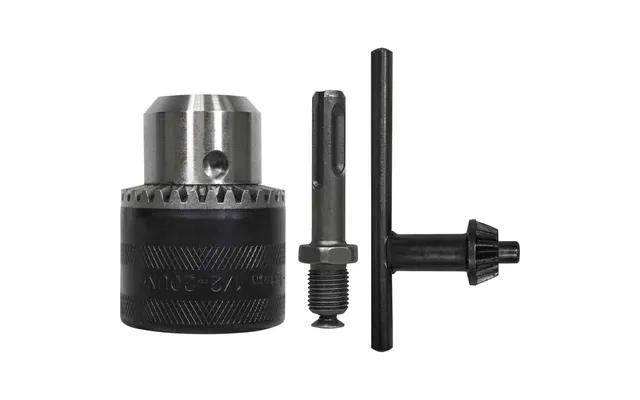
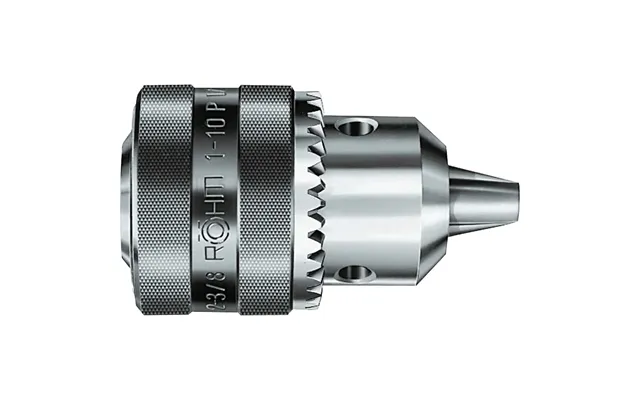
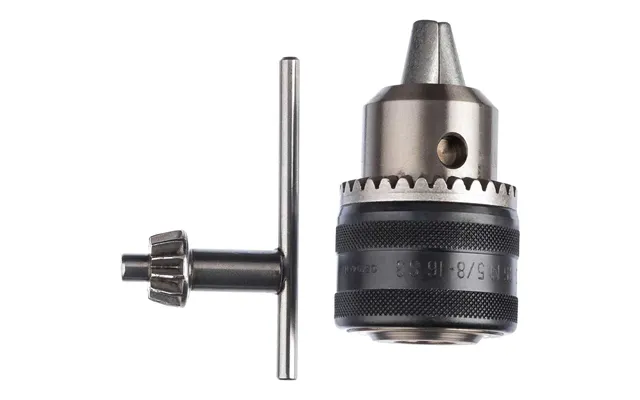
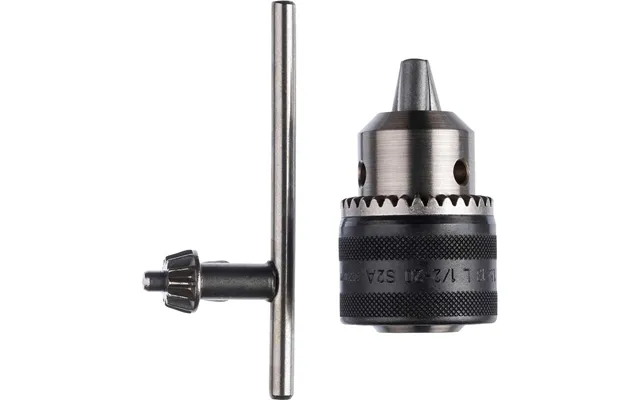
Keyed chucks use a small toothed key to tighten the jaws securely around the bit. That extra mechanical advantage gives a firmer hold, which is great for metalwork, long bits, and high-torque drilling. If you regularly tackle tough materials or need precision without slippage, a keyed chuck with hardened jaws is a smart choice.
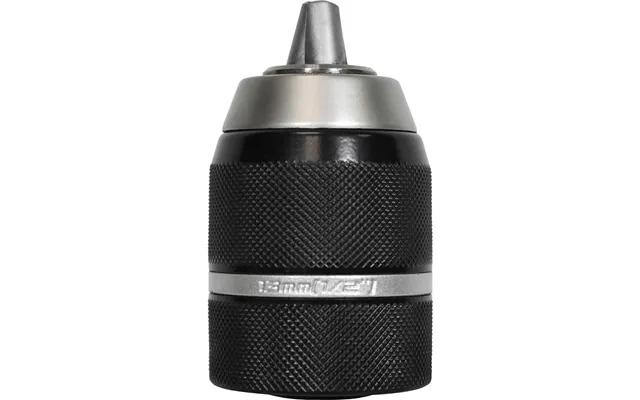
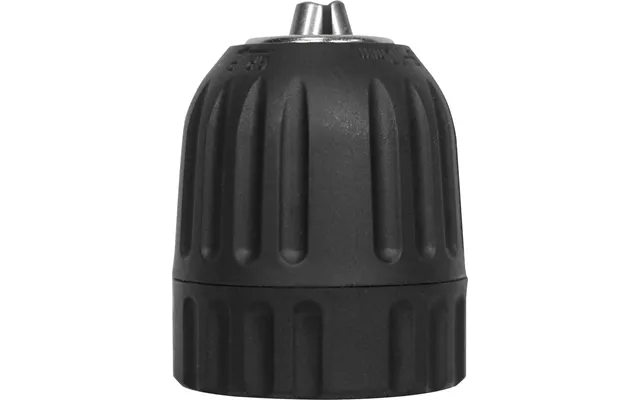
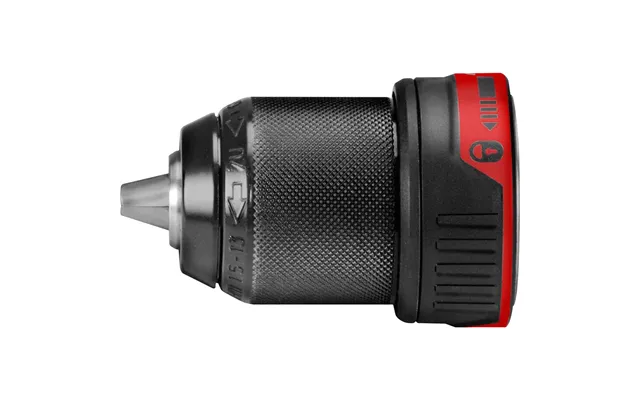
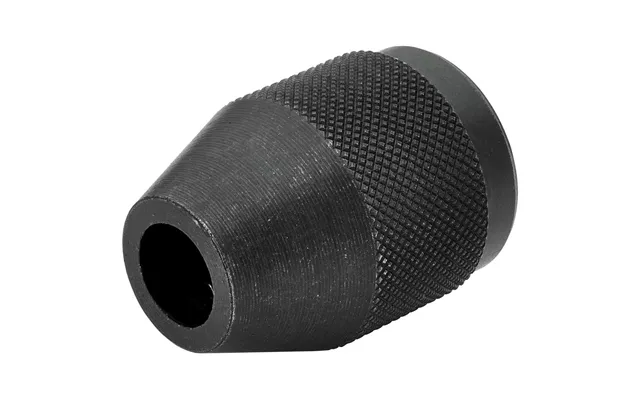
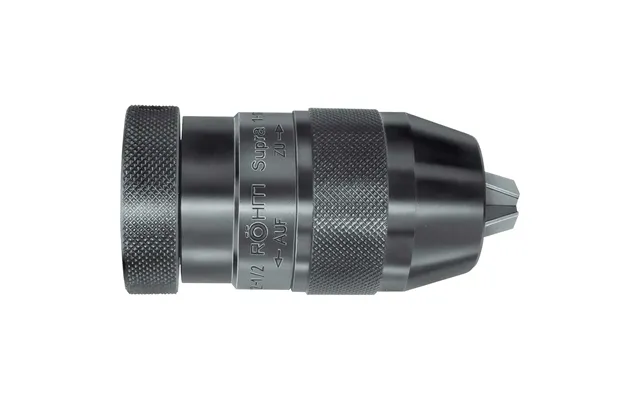
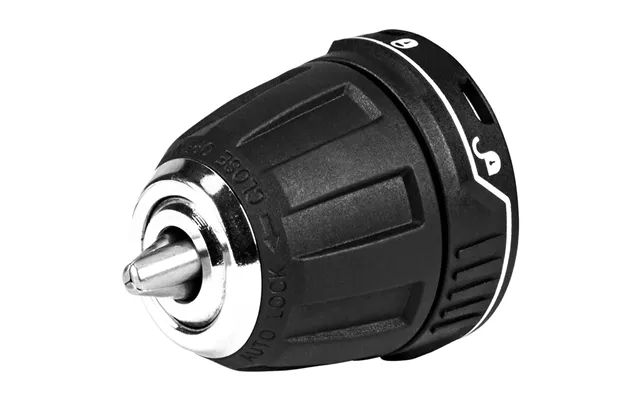
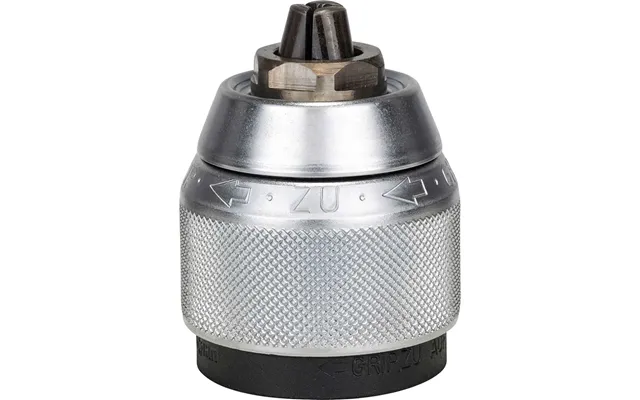
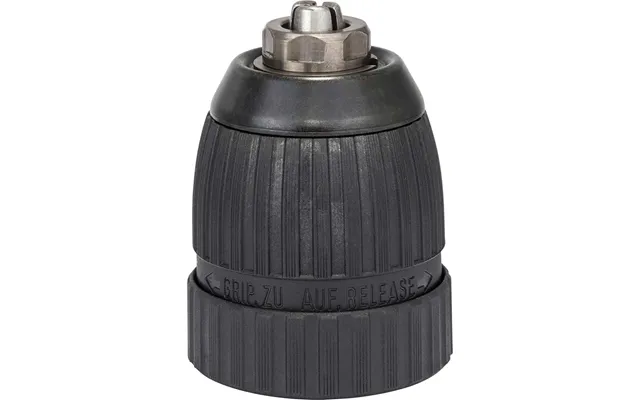
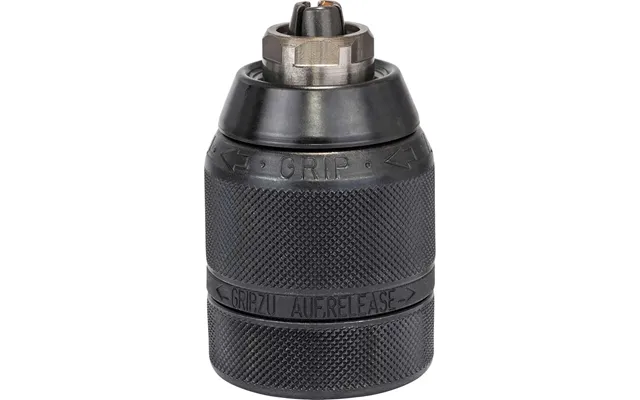
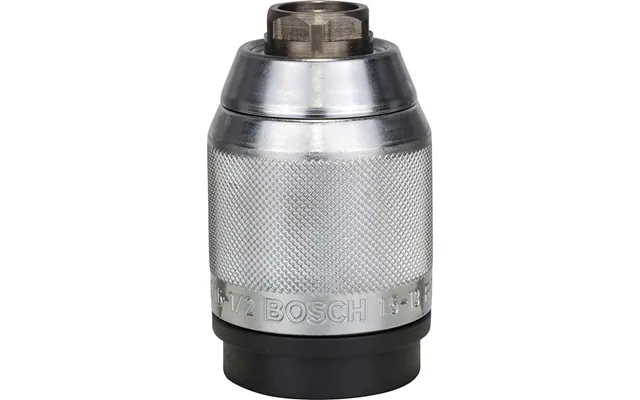
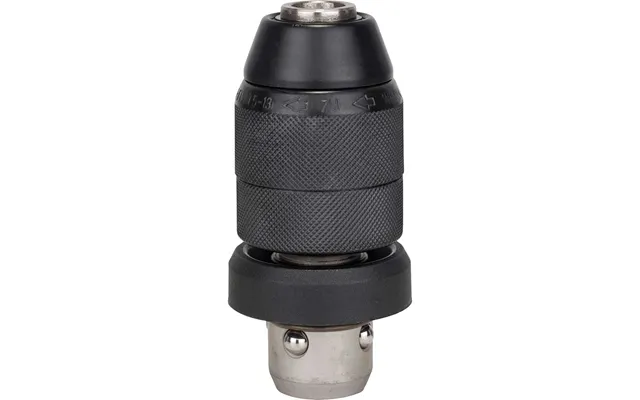
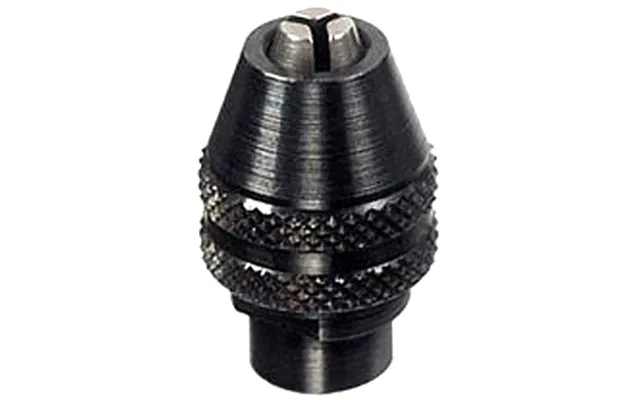
Keyless chucks let you twist the sleeve by hand to lock and release the bit. They’re ideal for quick changes, workshop multitasking, and jobs where you swap bits constantly. Modern keyless designs can deliver excellent grip, and many are impact-rated so they’ll cope with harsh use. If speed and ease of use beat absolute maximum clamping force for you, go keyless.
Before you buy a replacement chuck, match the mount to your drill. Mount types determine how the chuck attaches and influence compatibility with adapters, impact drivers, and hammer drills. Understanding the mount will save time and make installation straightforward.
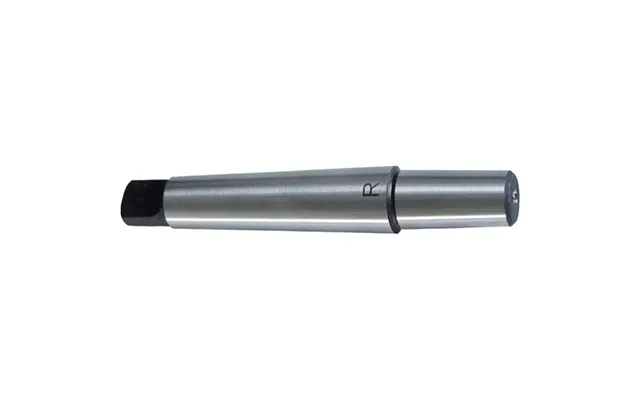
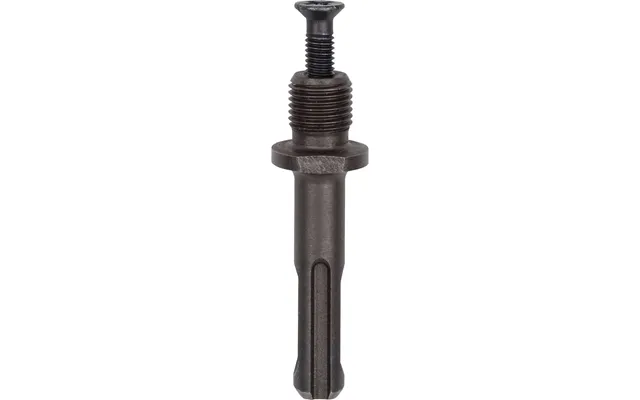
Threaded mounts screw onto the drill’s spindle and are usually easy to replace. Tapered mounts — often called taper shanks — slip onto the spindle and lock in with friction. Tapers can handle high torque and are common on older or heavy-duty equipment. If you’re upgrading, check if your drill uses a threaded mount or a taper, and buy a chuck that matches or use a compatible adapter.
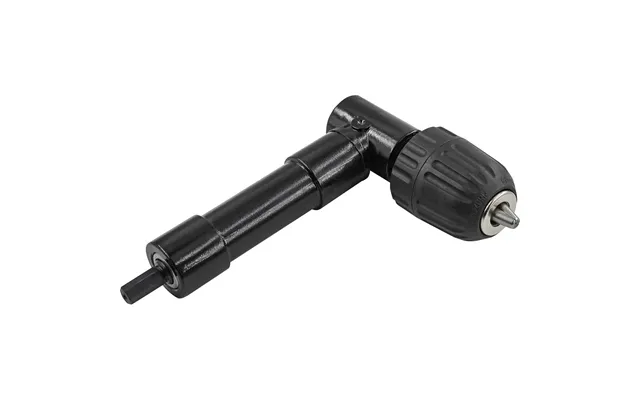
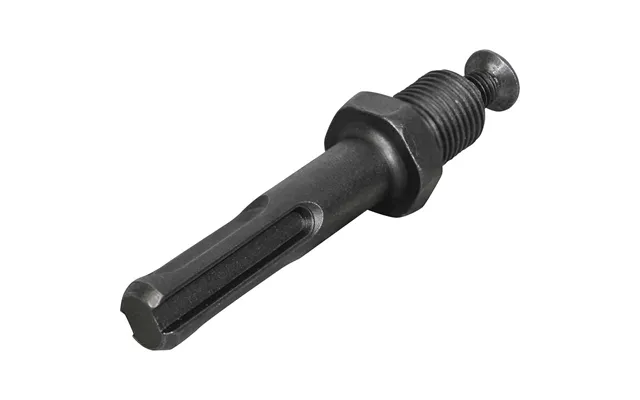
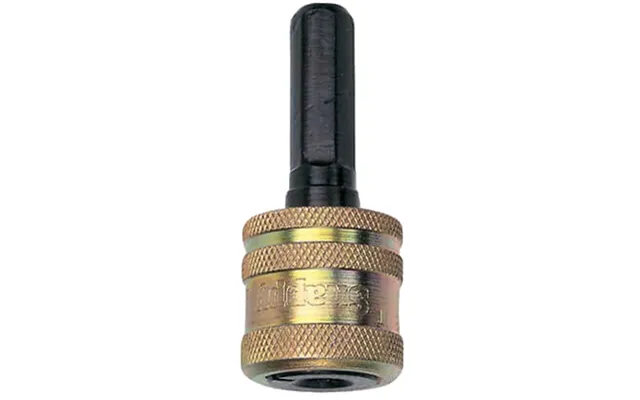
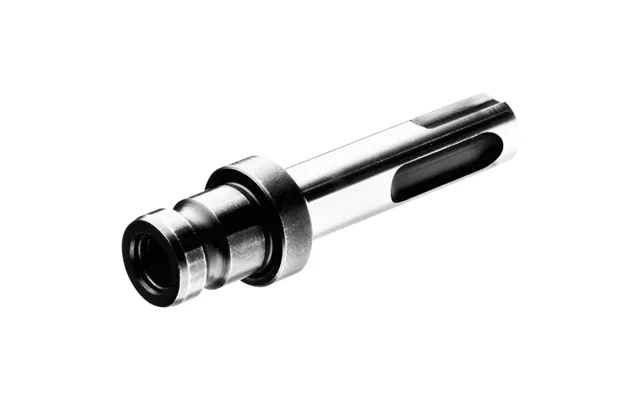
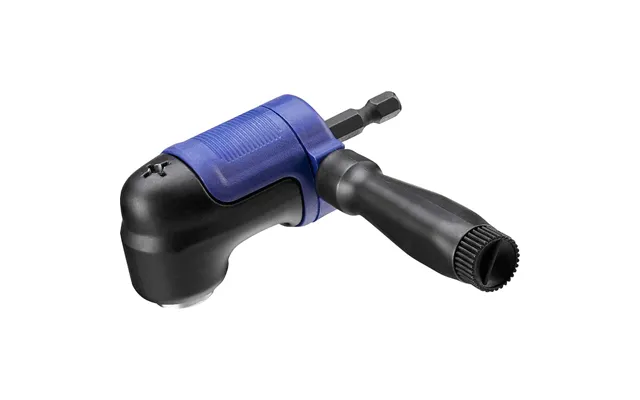
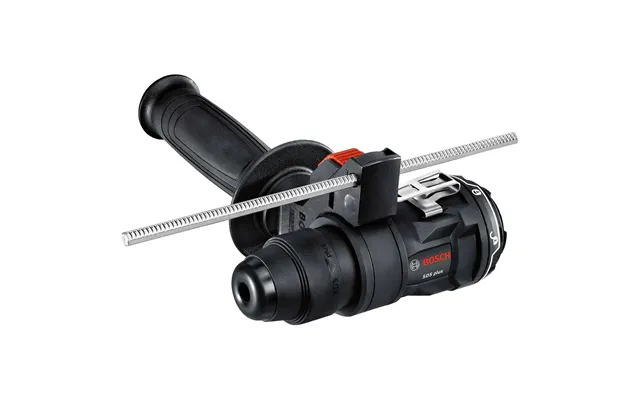
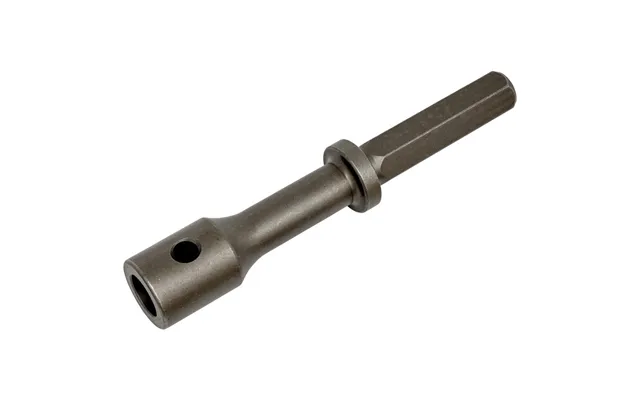
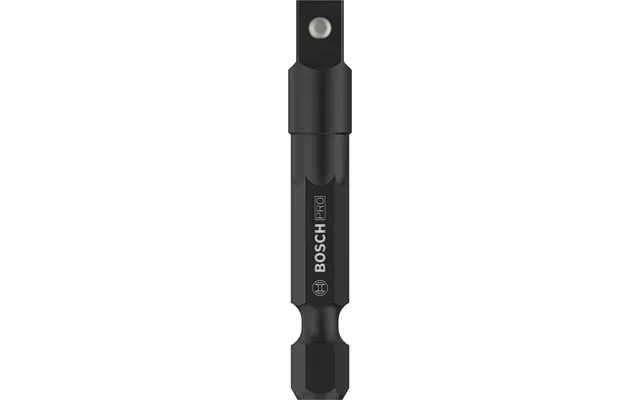
SDS systems and impact drivers use different interfaces from standard chucks. To run regular round-shank bits in an SDS-plus hammer drill or an impact driver, you’ll need an adapter. These adapters convert the tool end to accept a conventional chuck or hex shank bits, letting you use a wider array of accessories without buying a second tool.
Not all chucks are built equal. Material choice and size affect durability, grip, and weight. When you’re picking a chuck, think about the jobs you do now and the ones you’ll do next season.
Hardened steel jaws resist wear and hold bits better over time. Some chucks have hardened and ground steel jaws for more precise centering. For busy tradespeople, replaceable or serviceable jaws extend the life of an otherwise great chuck. Plastics are usually limited to dust covers or sleeves — avoid plastic jaws for demanding work.
Chuck capacity describes the maximum bit shank the chuck can hold. Common sizes in imperial measurements include 1/16", 1/8", 1/4", 3/8", and 1/2". For general household and DIY drills, a 3/8" or 1/2" capacity is common and versatile. Smaller chucks that start at 1/16" are great for delicate tasks and tiny bits. If you use large masonry or auger bits, verify the maximum capacity before buying.
If you’re upgrading or building a toolkit, pairing the right chuck with smart accessories is a game changer. From brand-name chucks to clever adapters, there are choices for every budget and skill level.
Jacobs has a long reputation for quality chucks, and you’ll find similar high-performance offerings from Bosch, DeWalt, Makita, and Milwaukee. Premium chucks often feature hardened jaws, precise centering, and compatibility with both drills and lathes. If you rely on your drill daily, investing in a reputable brand pays off with less downtime and fewer damaged bits.
Don’t overlook complementary items like hex-shank adapters, quick-change holders, and quality drill bit sets. A hex-shank adapter converts a chuck to accept quick-change driver bits, while an impact-rated chuck lets you use your impact driver for both driving and drilling. Pairing a 1/2" chuck with a strong twist bit set keeps your setup flexible for wood, metal, and plastic.
Swapping a chuck can be simple if you follow a few safe steps. Whether you’re upgrading to a higher-capacity chuck or replacing a worn one, the process is accessible with basic tools and a little patience.
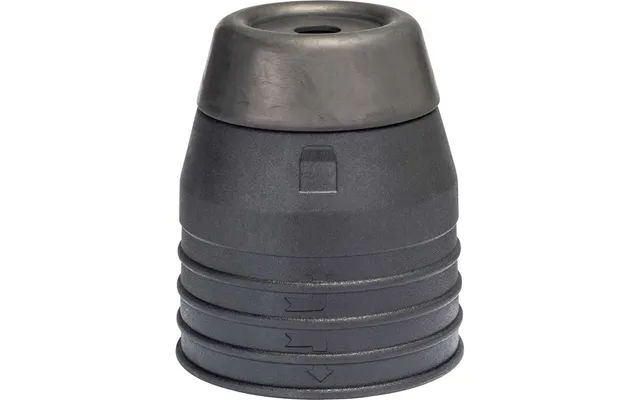
First, secure the drill in a bench vise or clamp to keep it steady. Open the jaws fully and look inside for a retaining screw — many chucks have a left-hand screw that must be removed before the chuck will unscrew. After removing any screw, grip the chuck and spin it off the spindle; some stubborn chucks need a sharp blow with a mallet while holding the drill steady.
Thread or press the new chuck onto the spindle according to the manufacturer’s instructions. Hand-tighten first, then use a chuck key or suitable wrench if it’s a keyed model. For taper fits, press firmly and test in low speed to ensure proper seating before full-speed use. Safety tip: always wear eye protection when working on power tools — a small part can become a high-velocity projectile if it comes loose.
Shopping for a chuck doesn’t have to be a guessing game. A few simple checks will help you get the best value and performance for your money.
Look for chucks with a warranty and solid build details like heat-treated jaws and corrosion-resistant finishes. If you use a drill all day, every day, prioritize heavy-duty or industrial-rated chucks. For occasional household use, a reasonably priced keyless chuck from a reputable brand will often do the trick without breaking the bank.
Deals pop up frequently, especially during seasonal sales. Comparison sites and deal aggregators help you spot real savings without hopping between stores. Also, watch for bundle deals that include a chuck and a quality bit set — sometimes bundles deliver better value than buying each item separately.
Keeping a chuck in top condition extends its life and keeps your drill performing at its best. Maintenance is simple but effective.
Dust, metal shavings, and grime will harshly shorten a chuck’s lifespan if left unchecked. Periodically open the jaws and clean the inside with a brush or compressed air. Apply a light machine oil sparingly to moving parts and wipe away excess. For keyed chucks, apply oil to the gear teeth of the key occasionally to keep action smooth.
If bits slip under load, inspect the jaws for grooves, nicks, or wear. Minor issues can be addressed by cleaning and tightening; severe wear might require jaw replacement or an entire chuck swap. Upgrading to hardened-jaw chucks reduces wear and keeps your bits gripping tighter for longer.
A chuck is only as useful as the accessories that go with it. Choosing complementary bits and holders makes your toolkit more versatile and efficient.
Invest in a good set of twist bits, spade bits, and masonry bits sized in inches for compatibility with your chuck. A compact bit holder or organizer keeps everything accessible and prevents dulling from loose contact in a toolbox. Look for sets that include hardened steel bits for drilling metal and coated bits for longer life.
Magnetic bit holders speed up bit swaps and make single-handed operation easier. Quick-change systems are excellent when you alternate between driving screws and drilling holes — they let you pop in a hex-shank driver without wrestling with the chuck each time.
Never underestimate the safety side of simple upgrades. A correctly mounted chuck reduces wobble and vibration, while secure bits and correct RPM choices prevent breakages and injuries. Always clamp your workpiece, start at low speed for new setups, and wear safety glasses — small metal chips and broken bits travel fast.
Choosing the right chuck boils down to matching your workstyle and projects. Want speed? Keyless is your friend. Need iron-clad grip for metal and long bits? Keyed or industrial chucks are the ticket. Pair the chuck with the right adapters, bits, and maintenance routine, and you’ll have a setup that feels custom-made — without spending a fortune. Don’t forget to compare offers and check reviews so you get the best balance of cost and performance for your toolbox.
Whether you’re a weekend DIYer or a full-time pro, the right chuck makes every job smoother. Think of it as upgrading the handshake between you and your drill — stronger, steadier, and a lot more reliable.
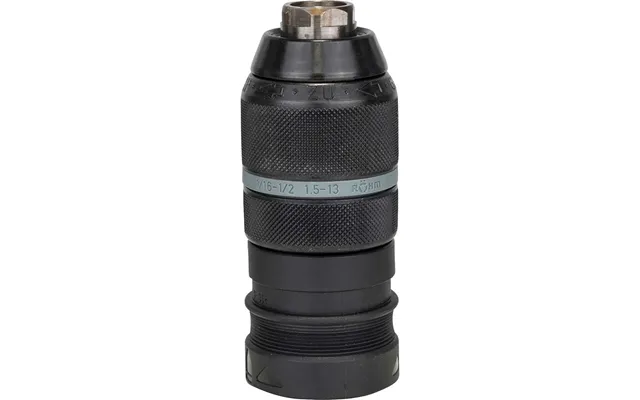
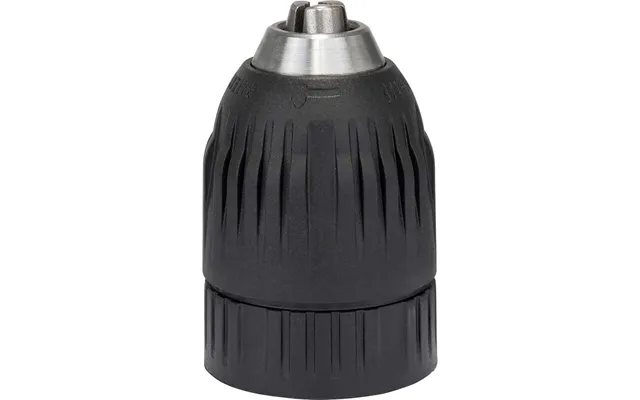
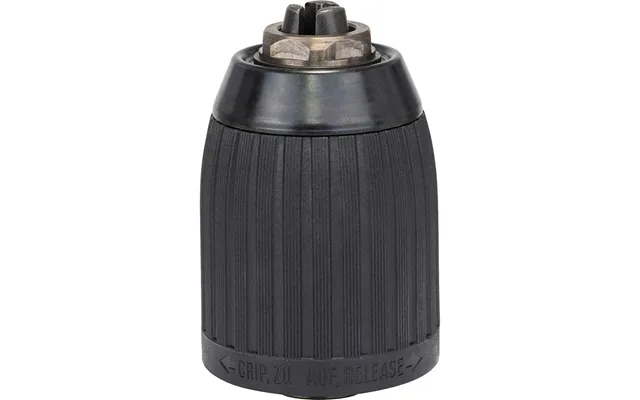
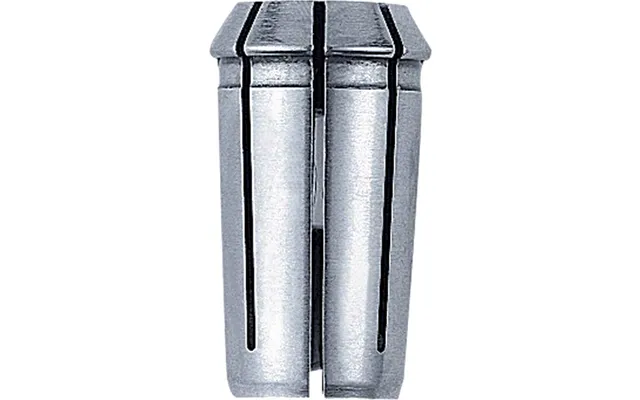
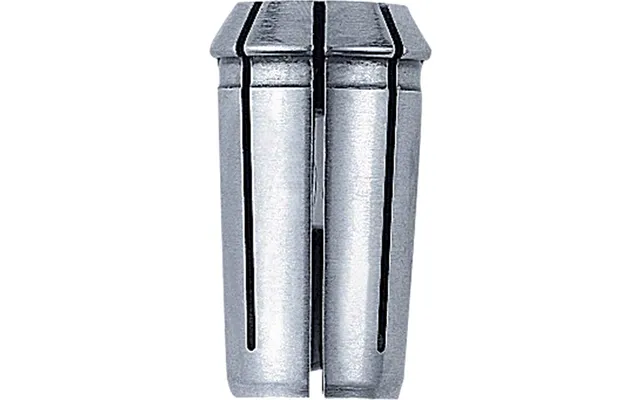
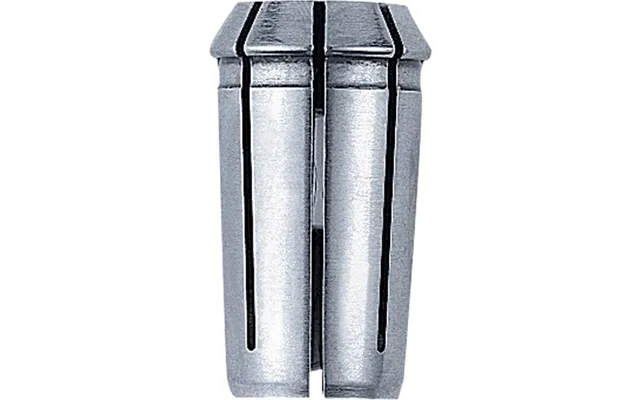
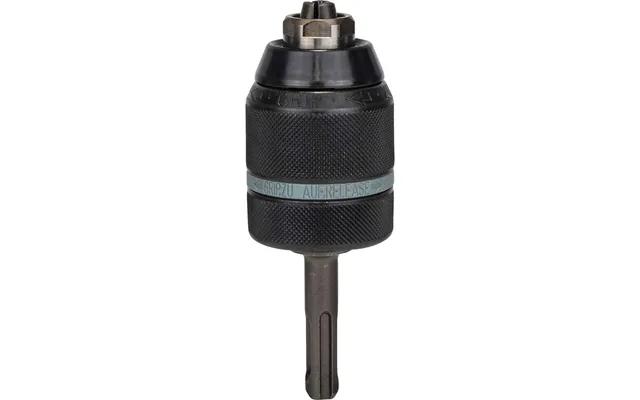
| Bosch Powertool Accessories Bosch 2608572227 Sds Plus Keyless Drill Chuck 1 |
| £ 69,76 |