All categories
Business & Offices
Electronics & Media
Fashion & Accessories
Groceries & Essentials
Health & Personal Care
Home & Living
Kids & Family
Sports & Outdoors
Search in ZoneOffer
Loading...
If you’ve ever watched a seasoned technician work, you’ll notice one thing right away: they rarely use the same tip for every job. That’s because the right soldering iron tip transforms a frustrating, finicky solder joint into a clean, reliable connection. Think of tips like paintbrushes — a fine-point brush for detail, a flat brush for filling. Using the wrong tip wastes heat, damages components, and leads to cold joints. Choosing the correct tip and the right accessories makes soldering faster, cleaner, and far less stressful.
Soldering tips come in many shapes and sizes, and each shape is optimized for a certain set of tasks. Let’s walk through the common tip families so you can pick the right one for hobby projects, electronics repair, or precision work on tiny components.
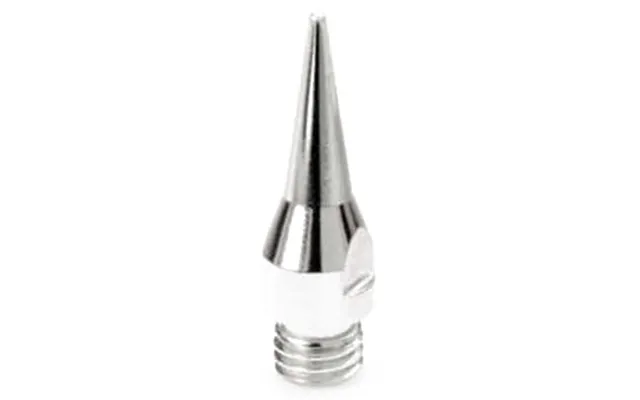
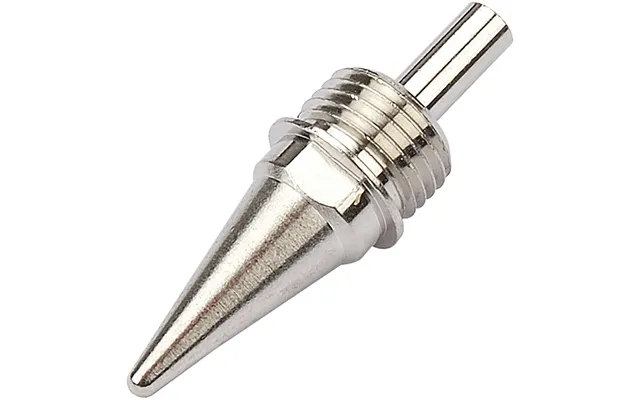
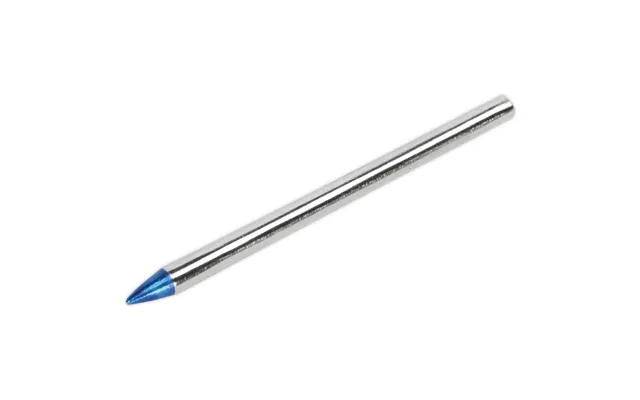
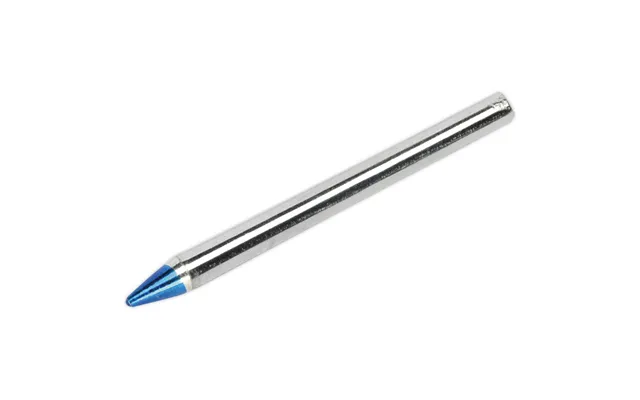
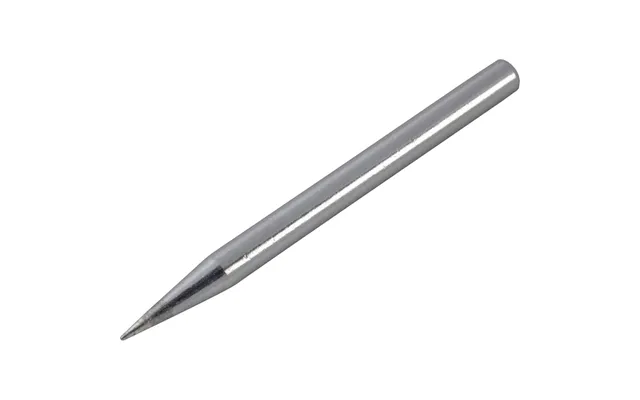
Conical tips have a pointed end and are ideal for precision tasks like soldering tiny through-hole leads and small surface-mount device (SMD) pads. If you’re working on fine-pitch ICs or delicate wiring, a conical tip with a 1/64" to 1/32" point will feel like a needle — precise but not great for heavy heat transfer.
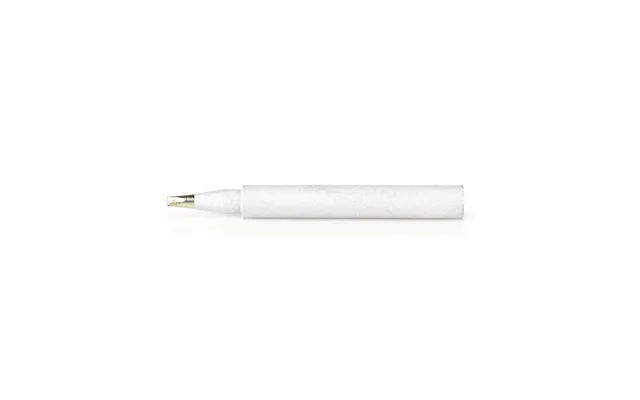
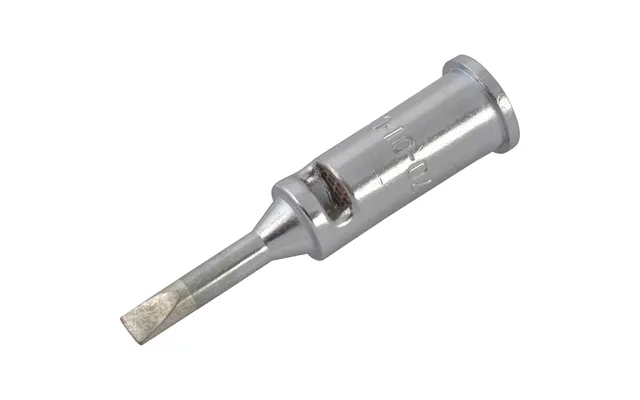
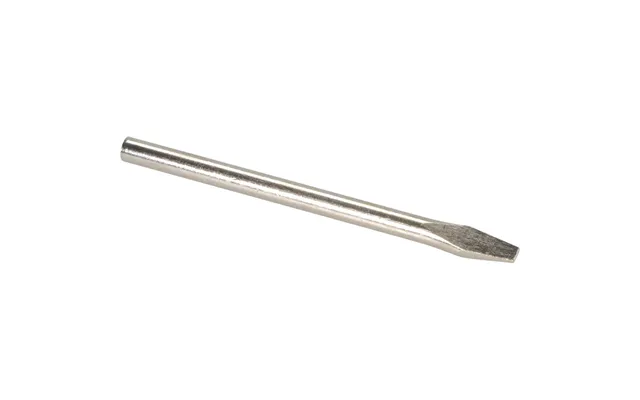
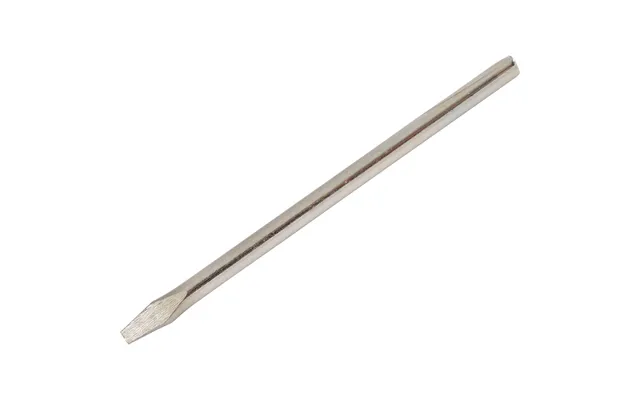
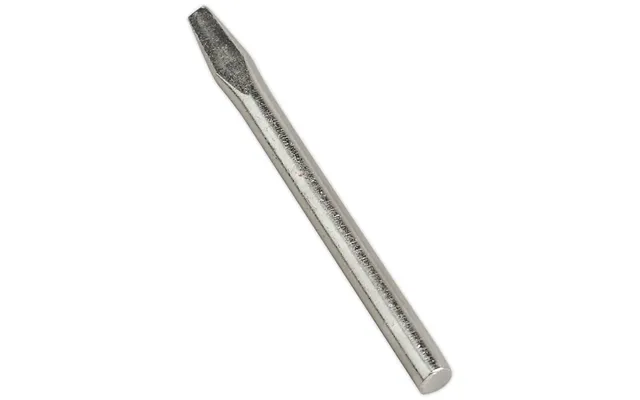
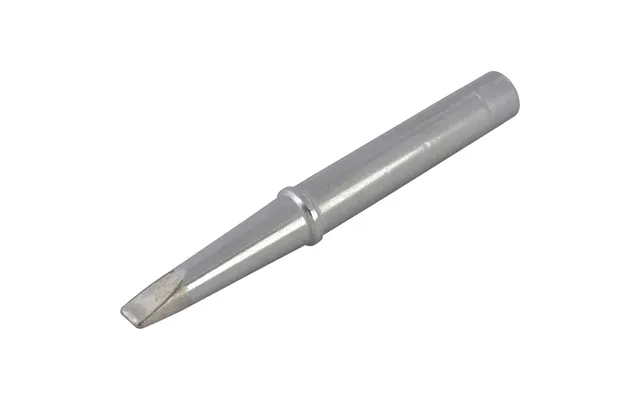
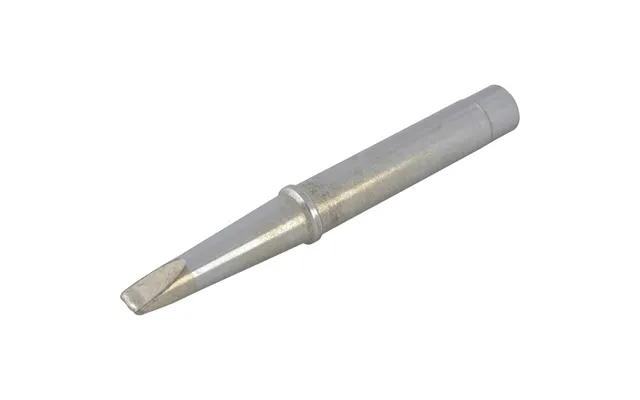
Chisel tips are the workhorses of most benches. Their flat edge provides a larger contact area, which helps transfer heat quickly to larger pads, ground pours, or connectors. A 1/16" or 1/8" chisel tip is versatile: great for component leads, general rework, and through-hole soldering where you need steady heat.
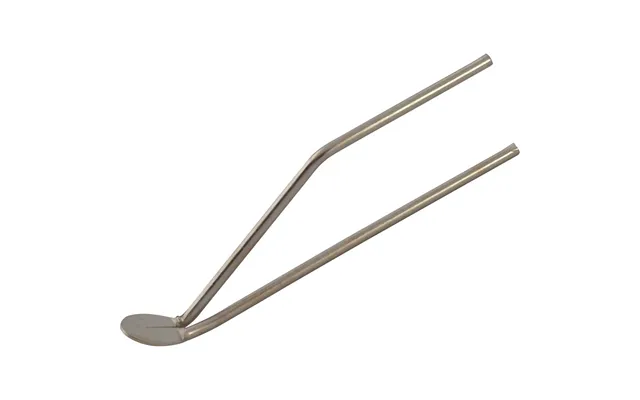
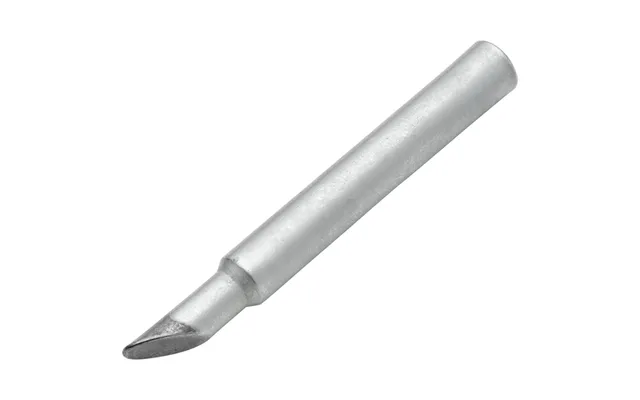
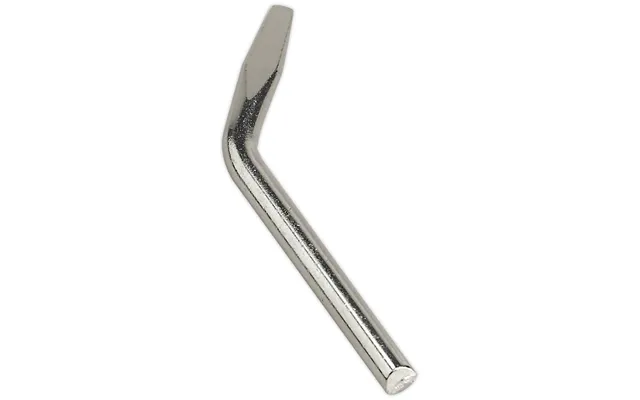
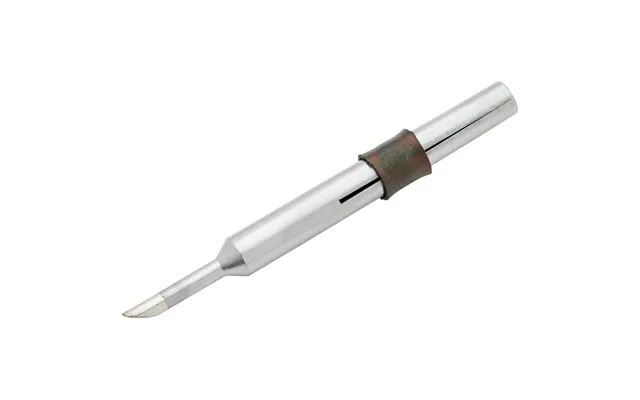
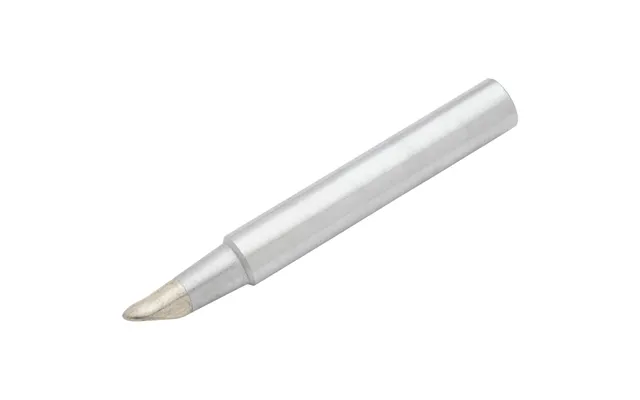
Bevel tips have an angled edge that’s useful for drag soldering and removing excess solder from larger joints. Knife tips are similar but narrower, giving a scraping action for specialized tasks. These are handy when you need to move molten solder across pins or strip solder from a pad, but they require a steady hand.
Micro tips are tiny versions of conical and chisel tips built for ultra-fine SMD work like 0402 resistors or BGA touch-up. There are also specialty tips for hot air stations and desoldering nozzles for specific IC packages. If your project involves microelectronics, investing in a selection of micro-tips pays off fast.
How do you choose between a 1/32" and a 1/8" tip? Start by matching the tip size to the pad or pin size. Small pads and fine leads need small tips so you don’t heat the whole board. Bigger pads, cables, and connectors benefit from wider tips that can carry more heat. If you’re unsure, a small set that includes a 1/64", 1/32", 1/16", and 1/8" tip will cover almost every electronics repair and hobby task without cluttering your bench.
Most tips are made from copper for excellent thermal conductivity, but bare copper erodes quickly when exposed to molten solder. That’s why tips are usually iron-plated — the iron layer resists dissolution by solder and prolongs tip life. Some tips have additional coatings like nickel or chrome for corrosion resistance. When shopping, prioritize iron-plated tips for durability, and avoid unplated copper unless you’re doing low-temperature, low-use jobs.
Temperature matters, but so does how you apply it. Soldering irons are rated by wattage — 15 to 30 watts is common for electronics, while heavier tasks might need 60 watts or more. A higher wattage iron recovers temperature faster when you’re heating larger joints. But don’t crank the heat just because you can; lead-free solder typically needs around 660°F to 700°F to flow well, while traditional leaded solder melts around 360°F to 420°F. The trick is balance: use enough heat to flow solder quickly, but not so much that you scorch components.
Tips are essential, but accessories make the difference between frustration and a smooth workflow. Here are the must-haves that will keep your tips working longer and your results consistent.
Choose solder wire with the right diameter for your work. For electronics, 0.015" to 0.031" solder is perfect — thin enough for precision, thick enough for occasional through-hole joints. Flux-cored solder simplifies wetting and reduces the need for separate flux. For heavy gauge wiring, step up to 0.062" or thicker wire to ferry more solder quickly.
Flux is the unsung hero of soldering. It cleans oxides and helps solder flow. For electronics, use a rosin or no-clean flux designed for circuit boards. Flux pens are lifesavers for microscopic jobs: a small dab where you need it prevents solder from beading up and improves joint quality without creating a mess.
Traditional sponges (damp) remove solder residue, but brass wool offers better cleaning without cooling the tip as much. Tip tinner or "tip rejuvenator" combines active flux with solder to recoat and restore worn tips. Combine a brass sponge and occasional tinner to keep tips shiny and fast-heating.
An iron stand with a coil cradle and cleaning area keeps your bench safe and organized. Add a heat-resistant mat to protect the work surface and collect stray bits of solder and flux. Think of these accessories as a safety net — they protect your hands and tools so you can focus on the work.
Desoldering braid (wick) and a solder sucker are essential for correcting mistakes and removing old joints. Wick is great for tiny pads and removing excess solder, while a pump is faster for through-hole components. Keep both within reach for efficient rework.
Solder fumes aren’t something to ignore. A basic fume extractor captures smoke and flux vapors, making long sessions safer and more pleasant. Add safety glasses and a small fan if you’re in a cramped space. Protecting your lungs and eyes should be as routine as cleaning your tip.
Tips are consumables, but good habits can double or triple their useful life. Regular maintenance keeps them tinned, corrosion-free, and ready to transfer heat efficiently.
Clean the tip after every few joints. Wipe lightly on a brass sponge or damp cellulose sponge — never grind against a rough surface. For stubborn oxidation, use a tip cleaner or tinner. Avoid abrasive cleaning that removes the iron plating; once the plating is gone, the tip will erode quickly.
Tinning means coating the tip with solder to protect the metal and improve heat transfer. Always tin a hot tip before storing or right after cleaning. If you see pits or rough spots, re-tin and use a tip tinner to restore the surface. Simple routine: heat, apply tinner, wipe, and store — it’s like oiling a bike chain.
Don’t leave the iron at maximum temperature for long periods, and avoid rapid thermal cycling from extreme heat down to cold surfaces. Thermal shock can crack plating. Use a temperature-controlled iron when possible, and match tip size to job so you can work quickly without excessive heat.
Store tips in a dry place and don’t bang them into hard objects. If you swap tips frequently, keep a small jar of tinner on the bench to recoat tips quickly. Label tips if you have many sizes — you’ll save time and frustration when hunting for that perfect 1/32" conical tip.
One of the trickiest parts of buying tips is matching them to your iron’s model. Many manufacturers use proprietary shapes and quick-change systems. Before you buy, check the shank diameter and the mounting style: is it a simple slip-on shank, a threaded fit, or a cartridge system? If you’re unsure, look for universal tips that list compatible models or buy from the iron’s manufacturer to guarantee fit. Comparison tools and review sites can help you spot the right tip quickly without guessing.
Want to nail every joint? A few habits will change everything. Use the correct tip and keep it tinned, preheat larger boards to avoid thermal shock, and apply solder to the joint — not the tip — so the pad and lead heat uniformly. Clean off excess flux and inspect joints with magnification; a shiny, smooth joint usually means good electrical and mechanical contact. Practice makes perfect, and a small, consistent setup reduces mistakes.
When you level up to more complex work, techniques like drag soldering, hot-air rework, and using flux dispensers become important. Drag soldering with a specially shaped chisel or bevel tip lets you solder many pins quickly on a fine-pitch IC. For component removal or reflow, a hot-air nozzle matched to the package size helps you lift an IC cleanly. Pair these techniques with the right nozzles and tips, and rework becomes fast and repeatable.
Cheap tips can save money up front but often wear out faster and give inconsistent results. Look for iron-plated tips, reputable brands, and dealers that list compatibility and tip dimensions in inches. Read user reviews that mention how long the tip lasted under real use, and consider buying tip sets with multiple shapes — a small investment in quality tips pays off in fewer ruined boards and less frustration. Comparison sites and technical forums are good places to spot reliable sellers and read firsthand experiences before buying.
Soldering iron tips are small, but they make a huge difference. Picking the right shape, size, and material is like choosing the right tool from a toolbox — it changes how well a job goes. Invest in a few quality tips, keep them clean and tinned, and match your accessories to the work you do. Whether you’re fixing a phone, building a gadget, or repairing a vintage radio, the right tip and a tidy bench will turn a fiddly task into something satisfying and reliable.
| Soldering Iron Tips | Price | |
|---|---|---|
| Nedis Soldering Tip 2.0 Mm Round Suitable For Universal Silver | £ 3,79 |