All categories
Business & Offices
Electronics & Media
Fashion & Accessories
Groceries & Essentials
Health & Personal Care
Home & Living
Kids & Family
Sports & Outdoors
Search in ZoneOffer

Loading...
If you've ever wrestled with a heavy miter saw on an uneven table or balanced a circular saw on stacked crates, you know the value of a proper saw stand. A sturdy, well-designed stand turns a tool into a reliable workstation, improves accuracy, and saves your back. Whether you're a weekend DIYer or a pro who moves from site to site, the right stand can shave minutes — and mistakes — off every cut.
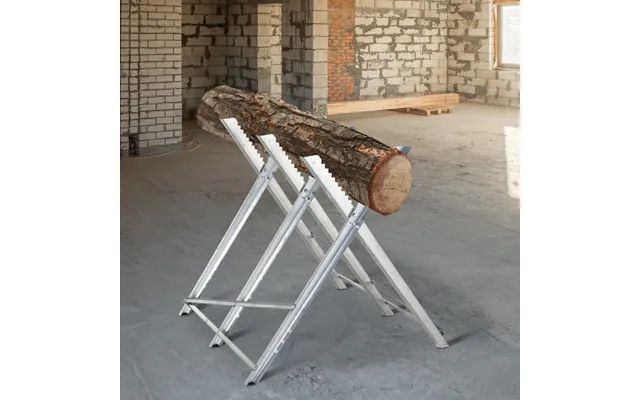
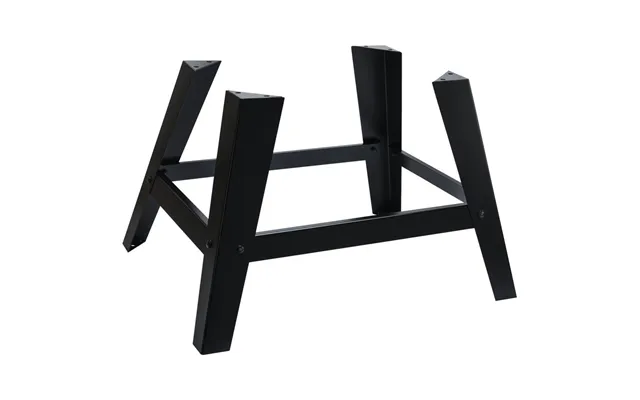
A saw stand is a dedicated support system for cutting tools like miter saws, table saws, and multi-material saws. It stabilizes the tool, adds outfeed support, and often includes wheels or fold-up legs for portability. If you make repetitive cuts, work on longer pieces, or travel to job sites, a saw stand is one of the best upgrades you can invest in.
Throughout the year, retailers and comparison sites run promotions on saw stands — especially around spring and holiday seasons. Keep an eye out for bundle deals that include the stand plus accessories like roller supports or clamps. Don’t chase the flashy price tag alone; a slightly higher-priced stand with durable materials and higher load capacity often pays for itself in longevity and performance.
Not all stands are created equal. Your choice depends on the saw you own, your work style, and how often you move between sites. Below are the major types and what they’re best for.
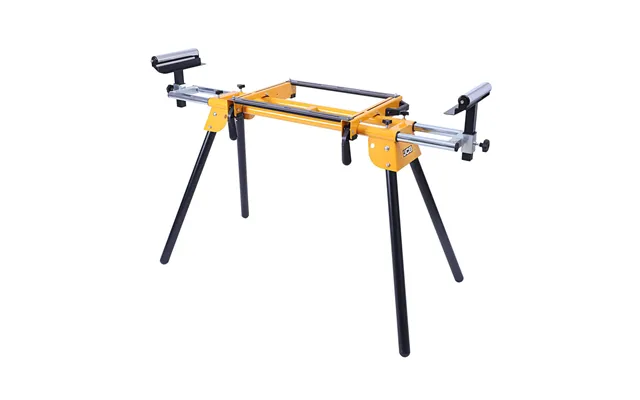
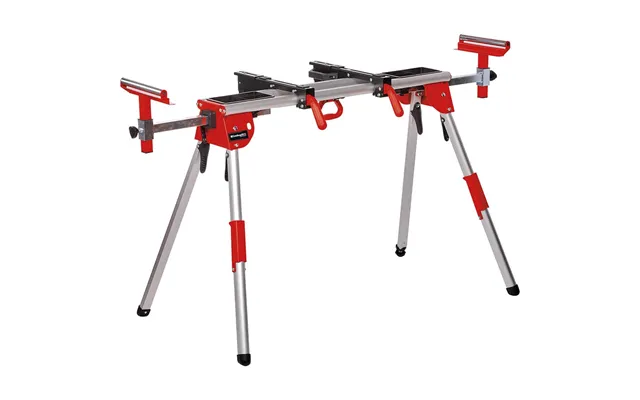
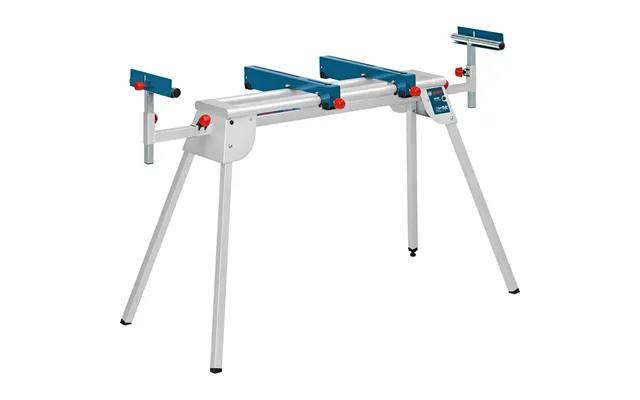
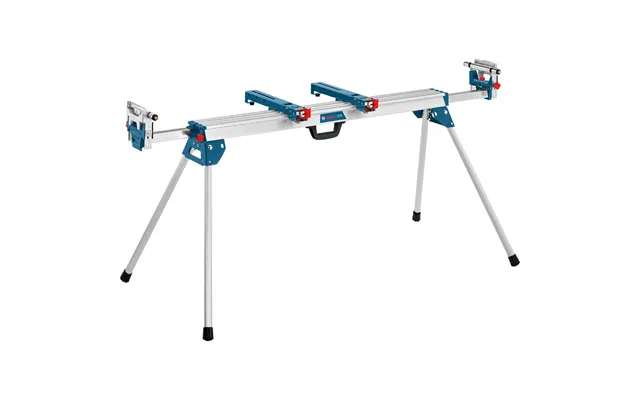
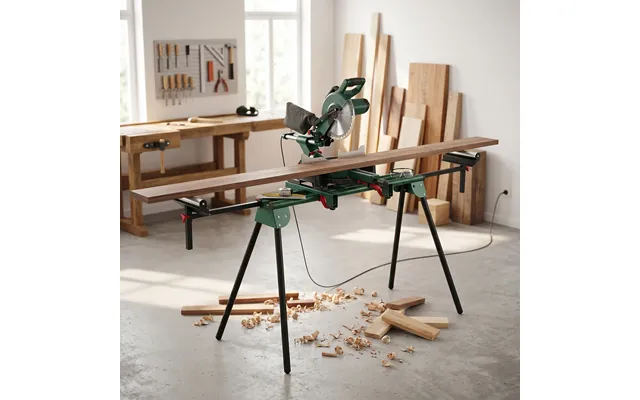
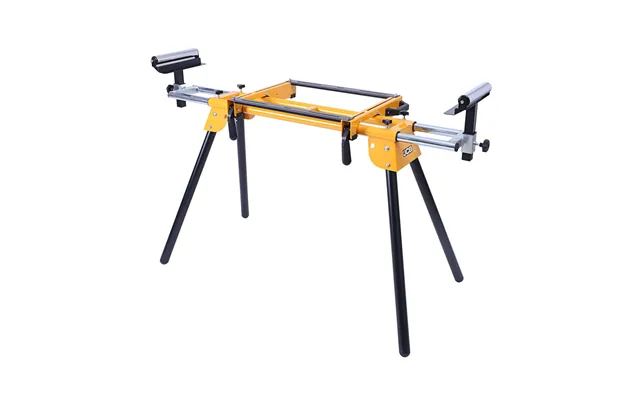
Miter saw stands are purpose-built for chop and compound miter saws. They typically feature mounting brackets, extension arms, and adjustable stops to handle long boards. If you frequently cut trim, framing lumber, or baseboards, a miter saw stand brings speed and repeatability to your workflow.
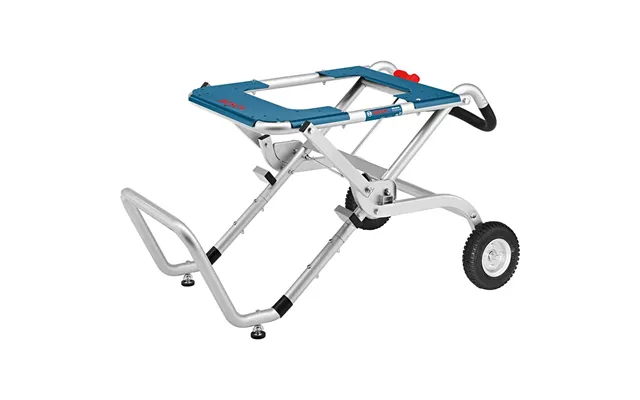
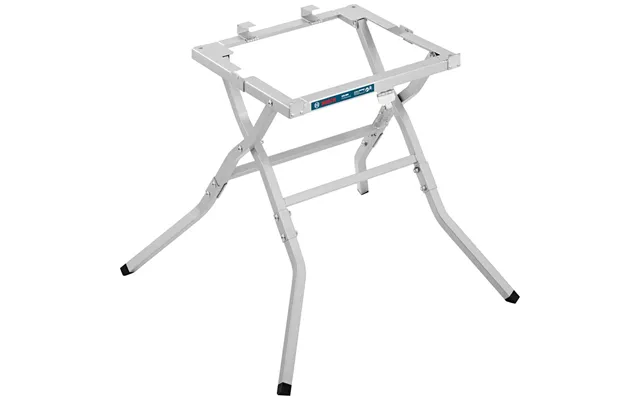
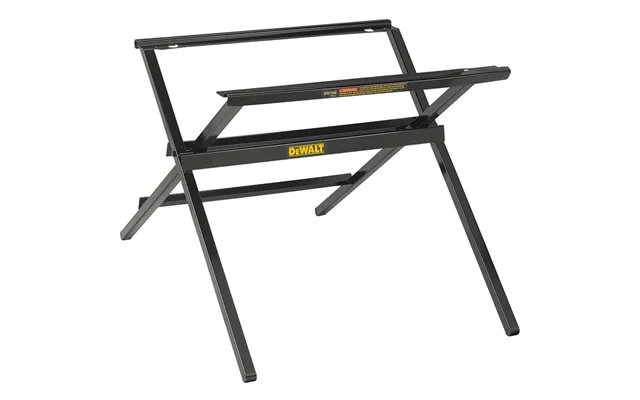
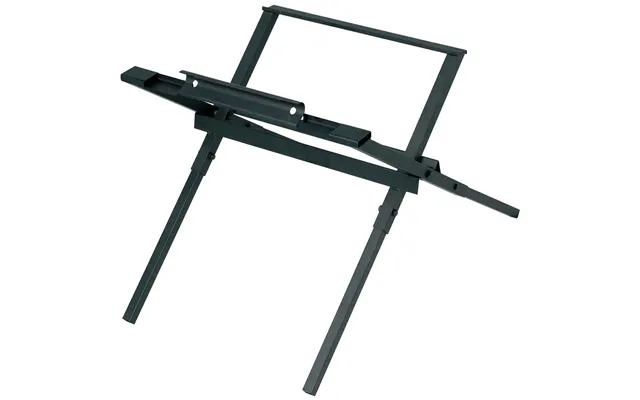
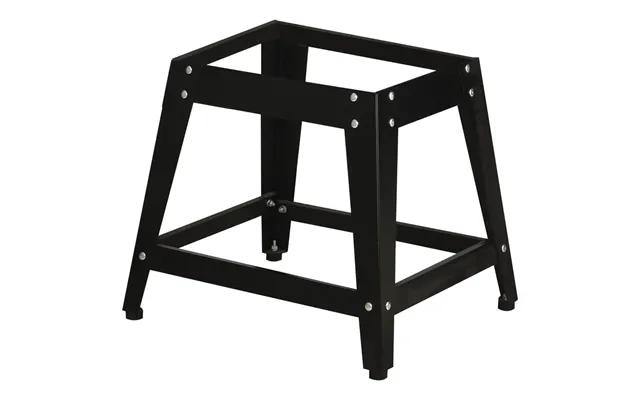
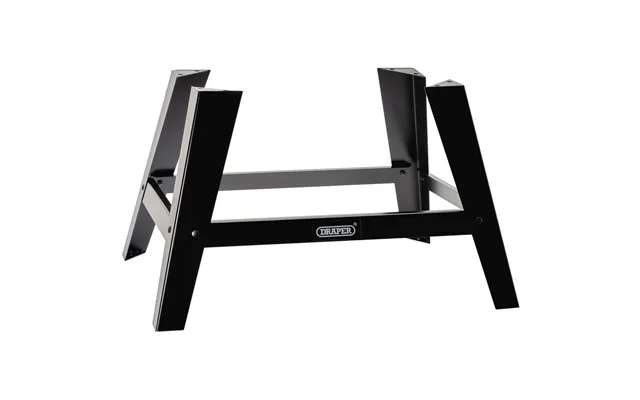
Table saw stands are designed to support the heavier footprint of a table saw and may include bracing for stability during rip cuts. Many table saws come as “jobsite table saws” that nest into folding stands with wheels, making them easy to transport to a job site in a pickup or van.
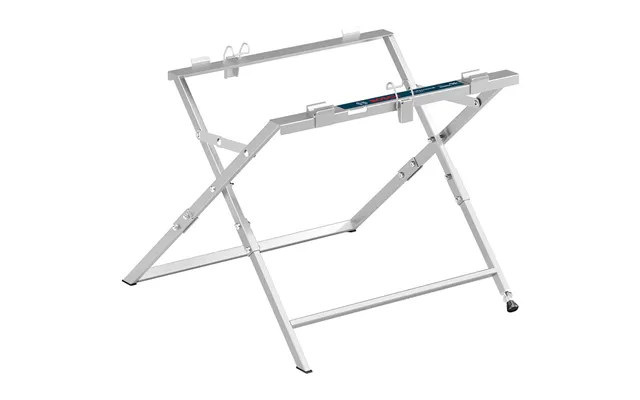
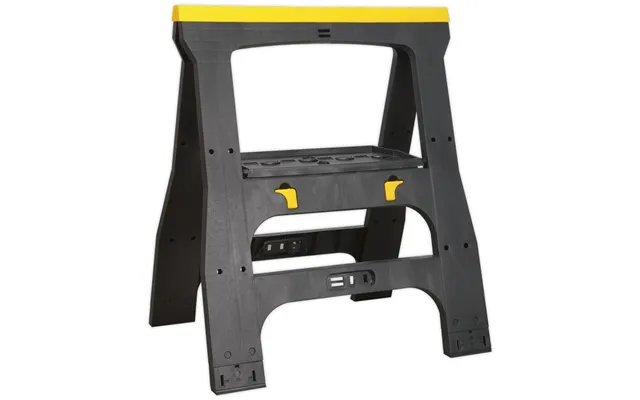
Portable folding stands collapse into a compact shape for transport and storage. They’re great for hobbyists or pros who need a compact solution that fits in a car trunk. Look for quick-lock mechanisms so setup is fast and tool alignment stays consistent.
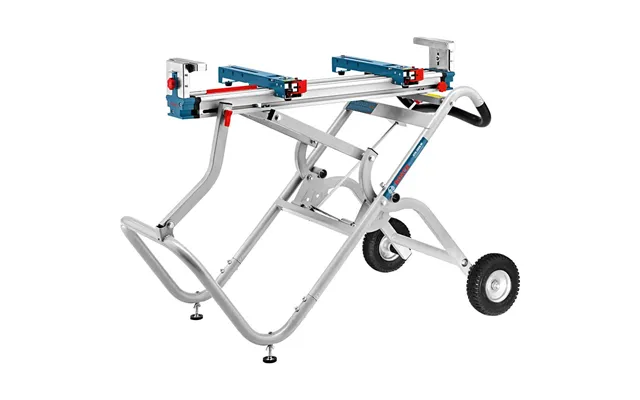
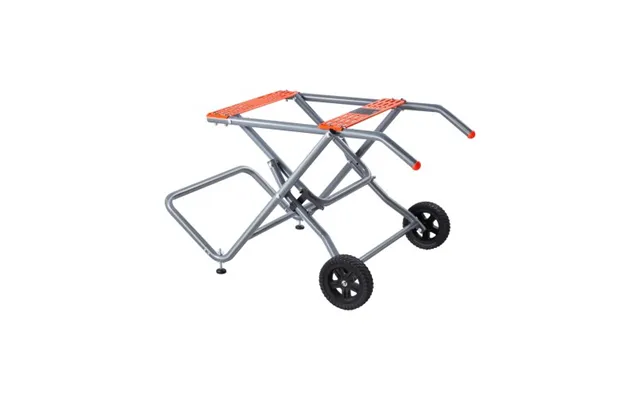
Rolling or wheeled stands are ideal for busy worksites. They let you move the saw around without lifting, and many include locking casters for secure cuts. If your work area is large or you frequently reposition the saw, wheels are a real time-saver.
When comparing stands, certain features have outsized impact on usability and long-term satisfaction. Here’s what matters most.
Always check the weight capacity — typically listed in pounds. A miter saw plus accessories can weigh 30–60 pounds or more, while some table saws are closer to 80–150 pounds. Choose a stand with at least 50% more capacity than your tool’s weight to account for dynamic loads during cutting.
Some stands have universal mounting plates or adjustable brackets, while others are tailor-made for a single brand or model. If you plan to swap saws, prioritize universal compatibility or look for adapter kits that allow different mounting patterns.
Extension arms support long workpieces and are often adjustable in length. Look for stands with extensions that reach at least 8–10 feet when fully extended if you cut long trim or lumber. Smaller jobs may be fine with extensions that support 4–6 feet.
Consider the stand’s folded weight in pounds and its folded dimensions in inches. A light, foldable stand that weighs 30–50 pounds is easy for one person to manage, while heavier models might be better shared. Wheels should be rugged enough for your jobsite surface — big wheels roll easier over rough ground.
Look for stands made from tubular steel or heavy-gauge aluminum. Steel tends to be sturdier and better for rugged jobsite use, while aluminum offers lighter weight and corrosion resistance. Powder-coating adds a layer of protection against scratches and rust.
Fast setup and teardown mean less wasted time on the job. Quick-release pins and robust locking levers keep everything secure during use but allow fast folding when you’re ready to move. Test the feel of locks to ensure they don’t loosen over time.
Several manufacturers are frequently mentioned in comparison reviews. Each marches to a slightly different rhythm, so here’s a quick guide to brands that consistently deliver quality.
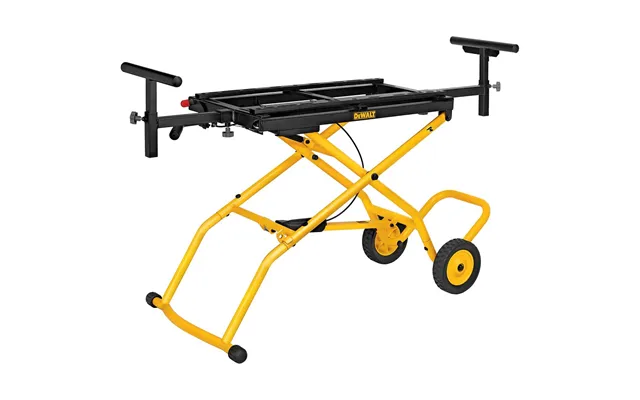
DeWalt stands are known for rugged build, easy setup, and handy features like adjustable stops and integrated clamps. They often pair seamlessly with DeWalt saws, but many models include adjustable mount plates for other brands.
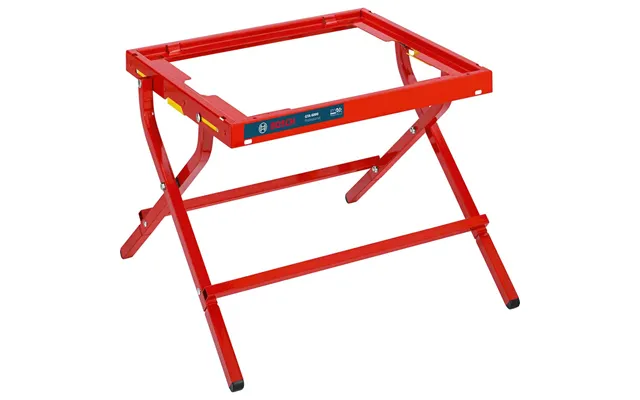
Bosch miter saw stands emphasize precise alignment and stability, often with larger wheels for jobsite mobility. Their products typically support long extension arms and are praised for durable hinges and locking systems.
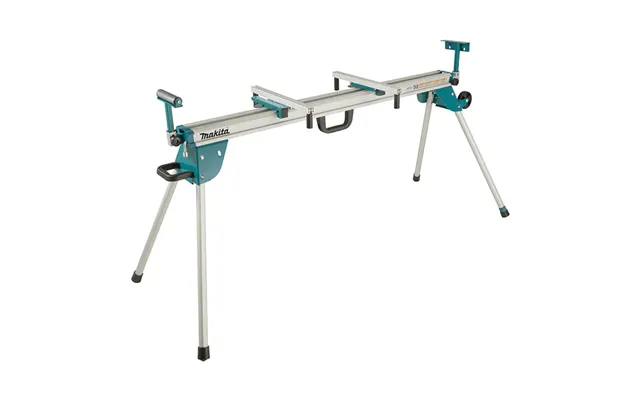
Makita stands balance lightweight design with serious capacity, making them ideal if you want a durable stand that won’t weigh you down at the end of the day. Look for models with good accessory compatibility.
Evolution is known for multi-material saws and compatible stands that handle varied cutting tasks. If you use a saw that cuts metal, plastic, and wood, check compatibility and capacity carefully — these stands often come with reinforced mounting options.
Milwaukee stands tend to focus on the professional user: high load capacity, rugged materials, and jobsite-ready features. They frequently pair well with heavy table or miter saws and offer stable platforms for repetitive, precision work.
Choosing a stand is about matching the tool to the task. Here are a few practical scenarios to help you decide.
If you mostly work in a home garage and do projects like shelving or cabinets, a light folding stand with extensions that support up to 8 feet is usually enough. Prioritize ease of storage and weight over extreme load capacity.
For daily use and larger lumber, choose a heavy-duty stand with 300–500+ pound capacity, robust wheels, and reliable locking mechanisms. A stand with integrated stops and measurement scales will speed up repetitive trim cuts.
If you move between sites, prioritize portability: fast setup, compact folded size, and wheels that handle gravel or rough surfaces. Consider how it fits in your vehicle — measure trunk or cargo area in inches to make sure it stores cleanly.
Accessories can expand a stand’s utility and make hard cuts safer and faster. Here are the few worth investing in.
Roller supports prevent long boards from sagging and keep cuts straight. Extension tables or legs that extend to several feet are essential for handling full-length boards without assistance.
Clamp systems built into stands secure the workpiece for safer, cleaner cuts. A dedicated hold-down reduces kick and improves accuracy, especially on small or thin pieces.
Improving dust capture keeps the workspace cleaner and prolongs blade life. Many stands include adapters or brackets that route a vacuum hose close to the blade or saw port.
If you plan to switch saw brands, adapter plates let you mount different tools to the same stand. This flexibility can extend the life of a stand if you upgrade your saw later.
Even the best stand underperforms when poorly set up. Here are steps to get accurate cuts and stay safe.
Start by placing the stand on a level surface. Use the built-in leveling feet or wedges to remove wobble. A level base is the single most important variable for accurate crosscuts and miters.
Align the saw’s mounting holes with the stand plate and tighten bolts to the manufacturer’s torque specs. Double-check that the saw’s fence and blade align perpendicular to the stand surface. Test with a scrap piece before you start your project.
Long boards can tip or sag; support them with roller stands or extension arms. For pieces more than 8 feet, consider using two supports spaced appropriately to prevent twisting.
Inspect pivot points, locking pins, and welds periodically. Tighten any loose hardware and lubricate moving parts with a light oil. Replace worn pins and cracked components immediately to maintain safety.
Price ranges for saw stands vary widely. A budget folding stand might be under $100, mid-range options sit around $150–$300, and pro-level stands can be $400 or more. Think in terms of cost per year: if a stand saves you even 15 minutes per job and you value your time, an upgrade quickly pays back in efficiency.
Comparison sites and review aggregators help you line up features, customer feedback, and pricing across multiple sellers. Look for recent user photos and long-form reviews that discuss weight capacity in pounds, folded dimensions in inches, and real-world durability. Don’t forget to search for accessory bundles — sometimes the best deal includes extension arms or rollers at a discount.
Before you click “buy,” run through this quick checklist: Is the stand compatible with your saw? Does it support the weight of your tool with headroom? Are the extension arms long enough for your typical stock length in feet or inches? Is it portable enough for your workstyle, and does it include or allow the accessories you need? If the answers line up, you’re ready to buy.
A quality saw stand is more than a convenience — it’s an investment in accuracy, safety, and efficiency. Whether you need a compact folding stand for weekend projects or a heavy-duty rolling platform for daily site use, the right features make a tangible difference. Take time to match capacity, compatibility, and portability to your workflow, and don’t forget to factor in accessories like rollers and clamps. With the right setup, even the most demanding cuts become straightforward, repeatable, and safe.
| Saw Stands | Price | |
|---|---|---|
| Bosch 0601b22700 Gta 560 Professional Saw Stand | £ 86,76 | |
| Evolution 0050001 Mitre Saw Stand With Extendable Arms | £ 88,36 | |
| Einhell 4310615 Mitre Saw Stand | £ 108,83 | |
| Bosch 0601b22001 Gta 600 Professional Saw Stand | £ 117,18 | |
| Evolution 0050002 Chop Saw Stand With Universal Fittings | £ 142,27 | |
| Bosch 0601b12300 Gta 2600 Professional Mitre Saw Leg Stand | £ 147,17 | |
| Makita Wst07 Mitre Saw Stand Blue Silver 4 Leg S | £ 182,99 | |
| Bosch Gta 60 W Professional Table Saw Stand | £ 255,72 | |
| Bosch 0601b24000 Gta 3800 Professional Universal Stand | £ 272,16 | |
| Bosch 0601b12100 Gta 2500 W Professional Mitre Saw Stand | £ 405,13 |