All categories
Business & Offices
Electronics & Media
Fashion & Accessories
Groceries & Essentials
Health & Personal Care
Home & Living
Kids & Family
Sports & Outdoors
Search in ZoneOffer
Loading...
Think of a tool stand as the foundation under your favorite power tool. If the stand wobbles, vibrates, or doesn’t support the workpiece, your cuts go off, your bits chatter, and your results suffer. A solid, adjustable stand adds accuracy, safety, and speed—three things every DIYer and pro wants more of. Whether you’re trimming baseboards on a miter saw, drilling precise holes with a bench-top drill press, or feeding sheet goods through a table saw, the right stand turns a tool into a system. Plus, with today’s folding, wheeled, and height-adjustable designs, you can pack up a jobsite in minutes or reclaim precious garage floor space just as fast.
Not all tool stands are built for the same tasks. Some are designed to support fast, repeatable cuts. Others prioritize fine control, vibration damping, or outfeed support. Let’s break down the most common types so you can match the stand to the job and the tool.
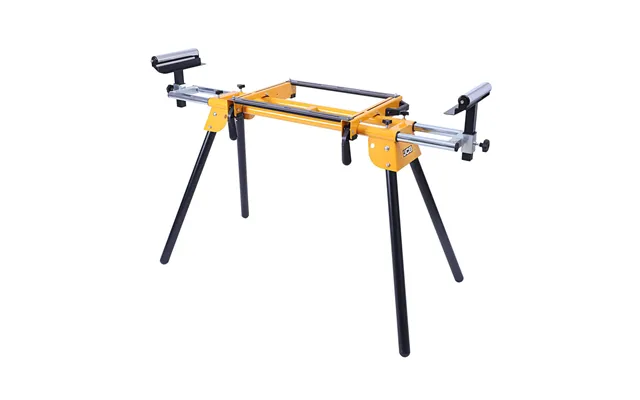
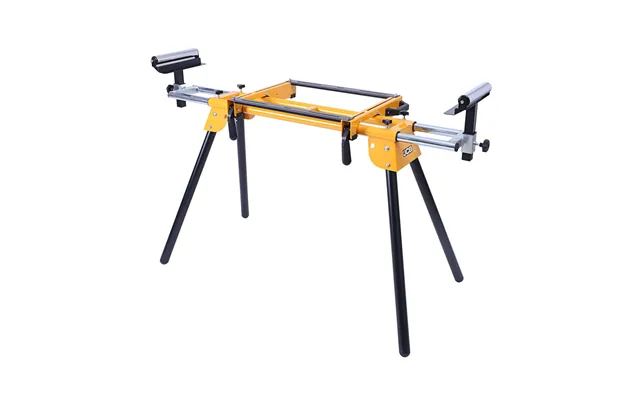
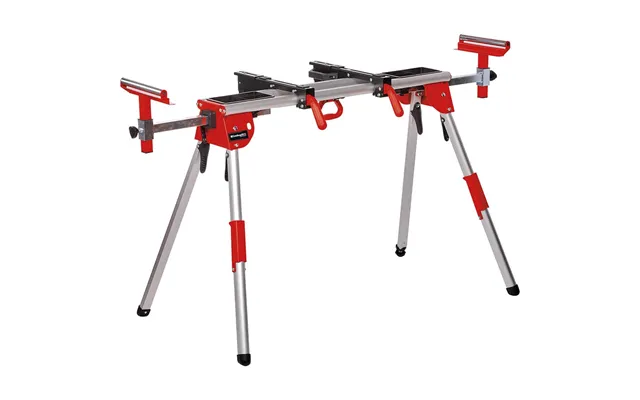
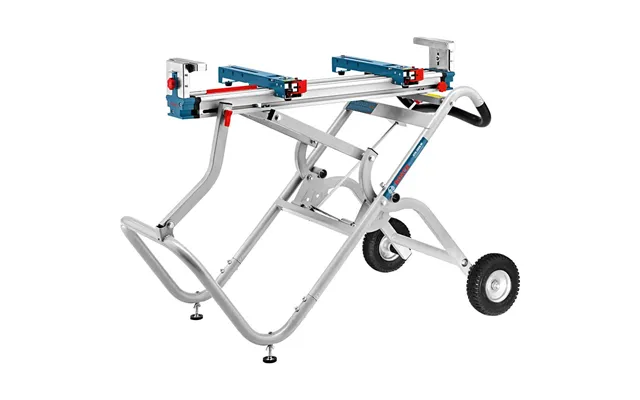
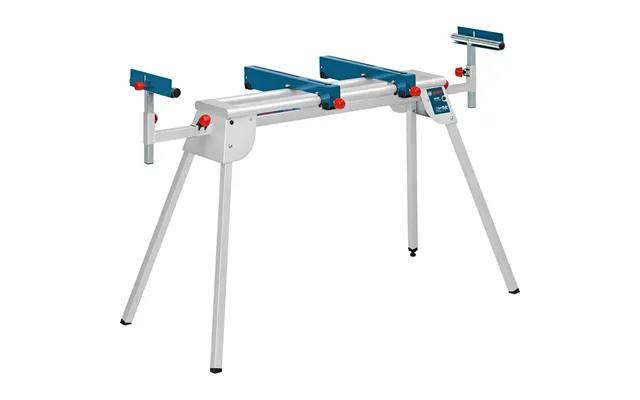
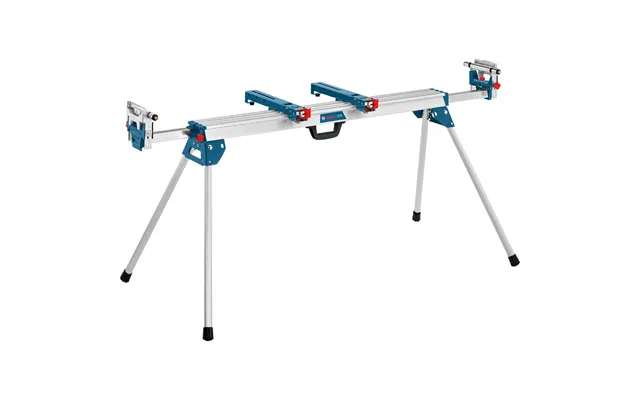
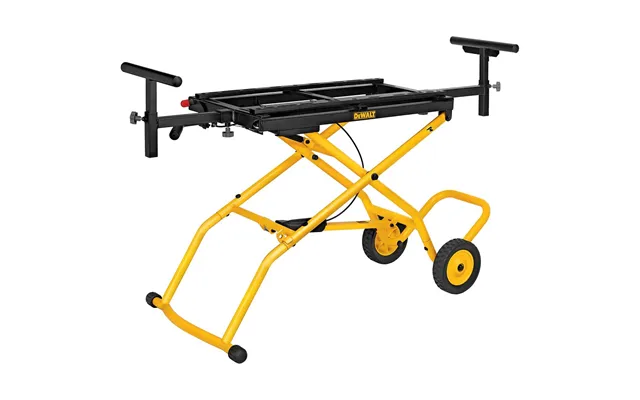
Miter saw stands are the workhorses of trim carpentry. The best models offer quick-release mounting rails so you can pop the saw on and off, telescoping support arms that stretch out to handle long baseboards or crown, and flip-up stops for repeatable cuts. Look for load capacities in the 300 to 500 pound range and support arms that extend to 8 to 12 feet. Some options include built-in power strips and material rollers to reduce friction. Pro-favorite designs feature gravity-rise mechanics or single-lever fold systems, making it easy to go from van to work in under a minute. Popular examples include designs from DeWalt, Bosch, Ridgid, Makita, and Evolution, each with their spin on portability, stability, and compatibility.
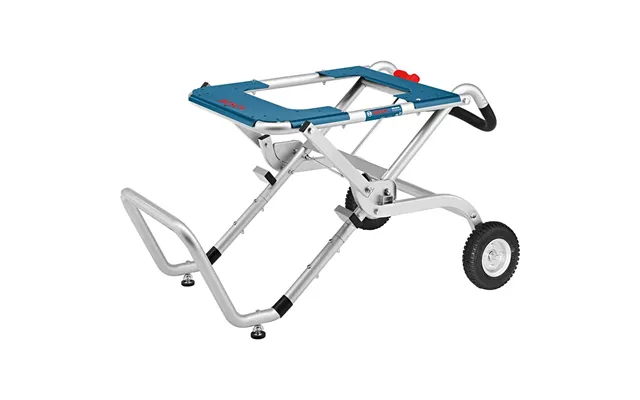
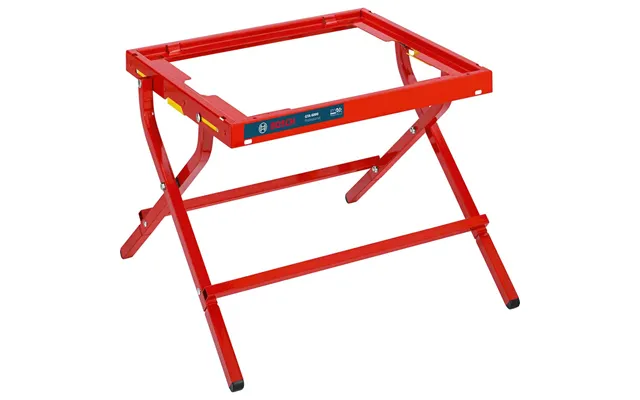
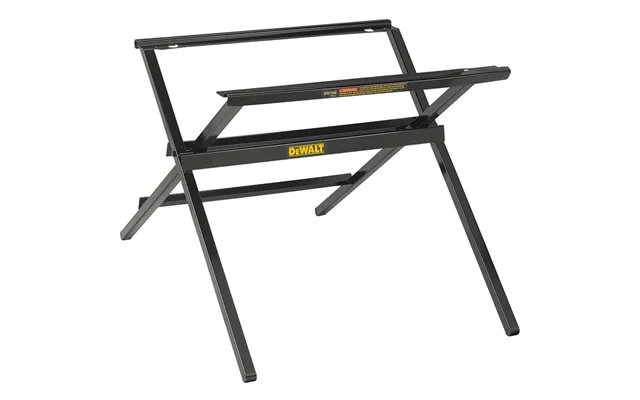
If you’ve ever wrestled a table saw onto a fixed bench, you know why wheeled jobsite stands exist. These stands often use a gravity-rise or foot-actuated lift that lets you tilt the saw from storage to working height in one smooth motion. Big tires help on rough ground, and wide wheelbases add stability. Check for stout locking mechanisms, strong cross-bracing, and large handles for control. A good stand should make moving a 60 to 90 pound saw feel manageable and keep the saw rock-solid during ripping. Bonus points for built-in outfeed support or easy attachment points for auxiliary outfeed tables.
Bench-top drill presses, planers, and small band saws live happily on sturdy cabinet-style or pedestal stands. Here, mass matters. Heavier, welded steel stands damp vibration, which boosts accuracy when drilling or edge-planing. Adjustable feet help you level on uneven floors, and lockable casters make repositioning painless without sacrificing stability. Look for spacious tops and pre-drilled patterns that suit your tool or allow simple custom mounting. A mid-height storage shelf keeps bits, wrenches, and jigs at arm’s reach.
Bench grinders and sharpening systems need rigidity above all else. A compact steel or cast-iron stand with a wide base, rubber feet, and through-bolting to the tool will reduce chatter. If you swap wheels or jigs often, consider a stand with a small drawer or hooks for accessories. Aim for a comfortable working height—typically around 36 to 40 inches—so your wrists and shoulders stay neutral while you grind.
Router tables get pushed and pulled from every direction, so the stand must resist racking. Look for cross-bracing, gusseted corners, and thick top plates. If you’re running larger bits, a heavier stand helps soak up vibration. A router table stand that accepts a dust bucket or includes a cabinet enclosure improves dust capture and reduces noise. Many woodworkers prefer a stand with adjustable feet and the option to add a mobile base so the setup stays level but can still roll when needed.
Band saws benefit from taller, stable stands that position the table at a comfortable rib-high height for control. Stands with triangulated braces and a broad footprint keep the machine steady during resawing. Scroll saws, on the other hand, reward a stand with vibration isolation: thick rubber feet, added mass, or sand-fillable legs can help keep the blade running true for delicate fretwork.
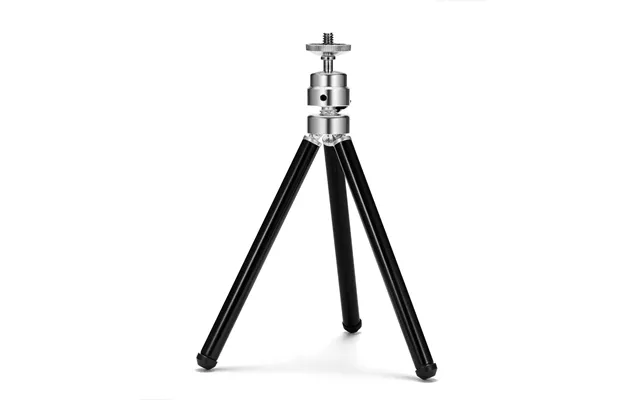
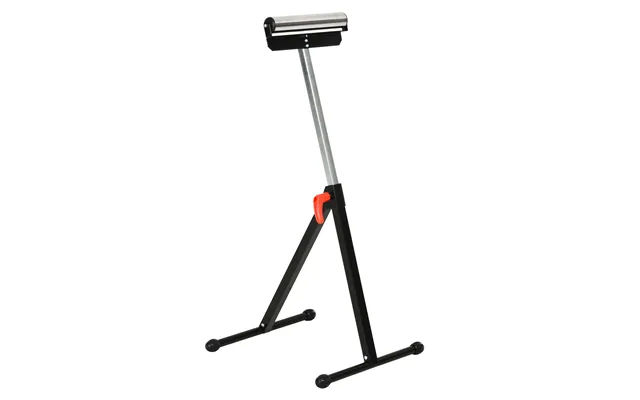
Sometimes the simplest “stand” is the hero. Roller stands and outfeed supports act like an extra pair of hands, perfect for long stock coming off a table saw, planer, or miter saw. Single-roller versions are lightweight and quick to deploy. Multi-roller and ball-transfer tops allow lateral movement for sheet goods. The crucial feature? A height adjustment range wide enough to align perfectly with your tool table—usually spanning roughly 22 to 44 inches. A stable, splayed leg design prevents tipping when supporting awkward loads.
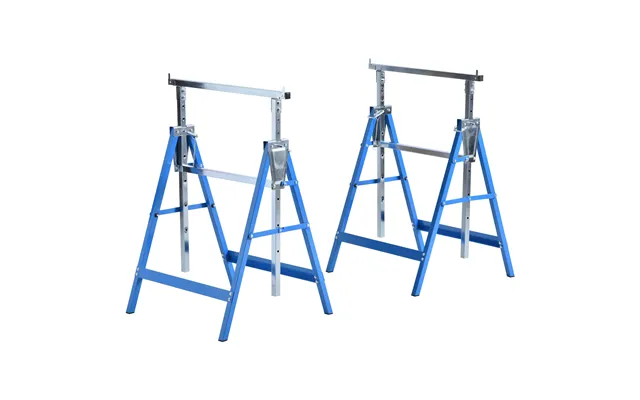
If you bounce between tasks, a multipurpose stand or pair of heavy-duty sawhorses might be the smartest buy. Newer designs offer quick-clamp rails, adjustable height, and jaw-style hold-downs. Pair them with a plank or a torsion box top, and you’ve got an instant assembly table, cutting station, or painting platform. Look for load ratings of 1,000 pounds per pair or higher and non-slip tops to keep sheet goods from skating around.
All the marketing in the world can’t replace a checklist. Keep these features front and center when comparing tool stands, and you’ll find the sweet spot between price and performance in no time.
Capacity ratings tell you how much weight the stand can support, but stability is the real-world test. A well-designed stand spreads the load, locks securely, and resists twisting. For miter saws, 300 to 500 pounds is common. For sawhorses, look for 1,000 pounds per pair or more if you plan to cut solid-wood slabs or stack sheet goods. If you work on uneven ground, a stand with independently adjustable feet or a wide splay on the legs will make a night-and-day difference.
Height range matters. You want your stand to match your body and your tool. Quick-release levers or indexed detents make repeatable setups easy, which is especially valuable when matching the height of a table saw to an outfeed support or aligning a miter saw bed with side wings. The less time you spend fiddling with knobs, the more time you spend cutting or drilling.
If you work in tight spaces or move tools frequently, prioritize wheels, telescoping legs, and folding frames. Large, treaded tires roll over gravel and thresholds. Upright-storage stands that fold slim—think under 12 inches thick—save precious space between jobs. Carry handles or balanced lift points help if you need to hoist the stand into a vehicle solo.
Steel is tough and affordable, while aluminum is lighter and resists corrosion. Many premium stands blend both: aluminum where weight savings matter and steel where strength is critical. Powder-coated finishes protect against scratches, and stainless hardware avoids rust. If you’re working outside in damp conditions, those details pay off over years, not months.
Universal mounting rails are your friend. They let you secure tools from different brands without drilling new holes every time. Look for sliding or adjustable brackets, elongated slots, and rubber isolation pads to cut vibration. On miter saw stands, tool-free latches save time. For bench tools, through-bolting with washers and lock nuts beats wood screws for long-term hold.
No one wants to spend an afternoon assembling a stand with 100 tiny parts. Clear instructions, preassembled subframes, and tool-free adjustments reduce setup time. If you do assemble from scratch, aim for stands with captive fasteners and labeled hardware. That first build is your shakedown—how it goes often predicts how the stand will treat you down the road.
Safety starts before the first cut. Level the stand and lock every leg. For wheeled stands, engage both wheel locks, and if possible, chock them with a scrap. Keep your stock supported on both sides of a cut—especially on a miter saw—to prevent pieces from dipping and binding. Avoid “tip points” by keeping heavy tools centered over the stand’s footprint. When lifting a saw onto a stand, keep it close to your body and lift with your legs. And never exceed the stand’s rated capacity—those numbers exist for a reason.
“Popular offer” doesn’t always mean “best fit.” The trick is to compare features and specs side by side and make sure the offer includes what you need—like mounting rails, material stops, or extension arms—instead of paying extra later. Comparison sites make this simple by surfacing specs, bundle differences, and warranty details in one place. Scan for seasonal promos, multi-buy deals with accessories, and clearance versions of last year’s models. If a discounted stand combines solid capacity, quick-fold mechanics, and proven brand support, that’s real value.
Tool stand pricing is driven by material, mechanism, and brand support. Aluminum-heavy frames and complex folding systems cost more because the engineering is tougher. Add-ons like in-rail power outlets, material stops, and multi-position wheels move the needle too. Professional-grade stands tend to include better welds, thicker steel, and replaceable wear parts, which protects your investment over years of daily use. Budget stands can absolutely deliver—especially for lighter-duty or occasional work—but make sure they tick the boxes on stability and safety first.
Several brands consistently show up in workshops for good reason. DeWalt’s miter saw stands are known for robust rails and simple, reliable locks. Bosch’s gravity-rise mechanisms on jobsite saw stands are famously smooth and durable. Ridgid and Makita deliver stout frames with user-friendly latches. Bora Portamate builds nimble work stands and sawhorses that punch above their weight. ToughBuilt’s sawhorses are favorites for their high load ratings and clever add-ons. Evolution and Triton offer strong, value-forward stands compatible with a range of tools. While each has a different flavor, they all focus on stable platforms, fast setup, and practical features that matter on site.
A fast, repeatable setup pays dividends. Start by clearing a flat area and extending the legs fully. If your stand allows, level it using adjustable feet, checking against your tool bed or using a small torpedo level. Mount your tool with through-bolts, washers, and lock nuts, then snug fasteners evenly to avoid twisting the base. Set height so your forearms are roughly parallel to the floor during use—usually in the 36 to 40 inch range for most users. For miter saws, extend support arms to match the bed height, then lock material stops where you need repeat cuts. Before your first pass, simulate the cut with the tool off and the stock in place to check for clearance, binding, and tipping points.
Dust, grit, and vibration are hard on moving parts. After dusty jobs, wipe down rails and legs, then hit sliding surfaces with a light dry lubricant. Keep wheel axles free of debris and check that locks engage positively. Tighten bolts quarterly, especially on folding joints and casters. If your stand uses plastic feet or end caps, inspect them for wear; replacing a $5 part beats having a leg chew through your shop floor. Finally, store the stand folded and upright to minimize dings, or hang it on stout wall brackets to clear floor space.
Match the stand to your heaviest tool and your smallest storage gap. If you’re a trim pro who moves daily, a lightweight aluminum miter stand with quick-release rails will save your back and your clock. If you’re a home woodworker with a garage shop, a heavier steel stand that folds to a slim profile might be ideal. For table saws, prioritize gravity-rise mechanisms and big wheels. For precision bench tools, choose mass and locking feet. If you regularly work with 8 to 12 foot stock, ensure your support arms extend far enough or pair your main stand with a roller stand for outfeed. Think of your stand as part of a workflow—every feature should reduce steps, not add them.
The right tool stand turns good tools into great systems: steadier cuts, safer handling, and faster setups. Focus on stability, height range, portability, and real compatibility with your tools. Compare offers with a critical eye for included accessories and proven mechanisms, and balance budget against the kind of work you do. Whether you’re outfitting a mobile crew or upgrading a home workshop, a durable, adjustable stand is one of those investments you appreciate every single time you power up a tool.
| Tool Stands | Price | |
|---|---|---|
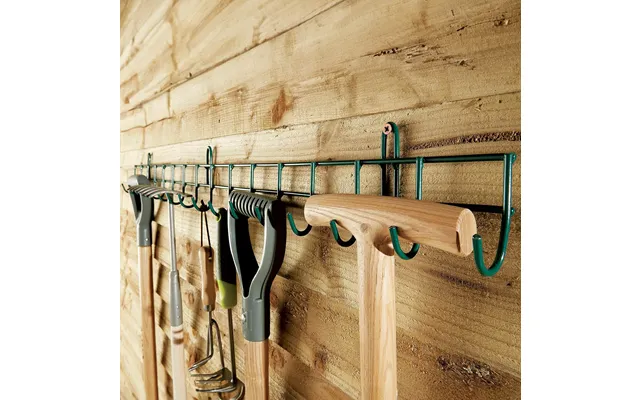
| Hanging Tool Rack Single Tier | £ 19,99 | |
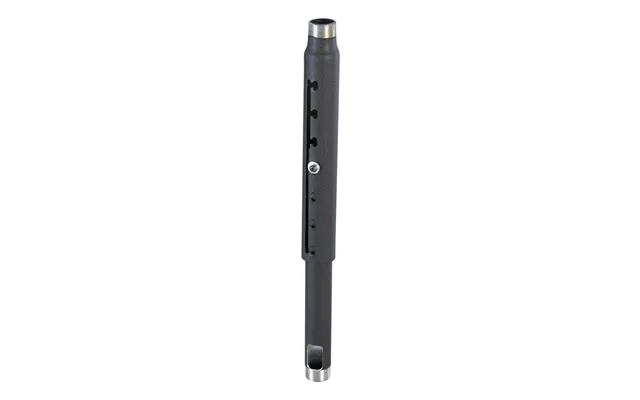
| Chief Cms018024 Projector Mount Accessory Metal Black | £ 130,- | |
| Chief Cms018024 Projector Mount Accessory Metal Black | £ 130,- | |
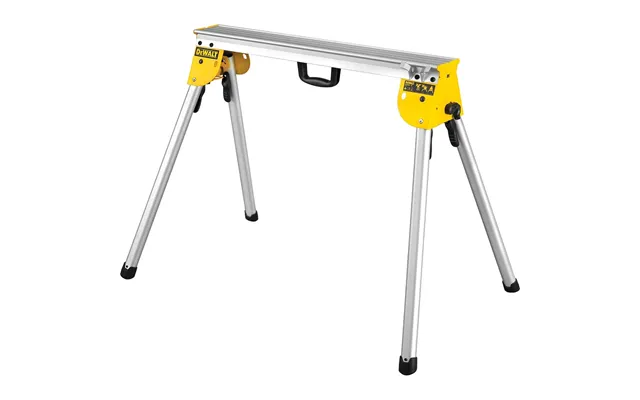
| Dewalt Power Tools Dewalt Dwe74912xj Scissor Leg Stand | £ 165,11 | |
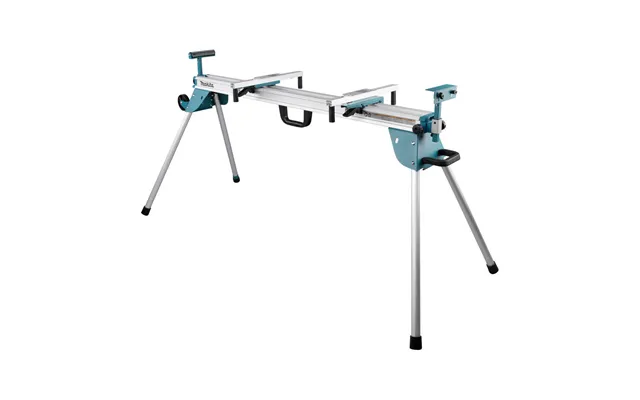
| Makita Wst07 Mitre Saw Stand Blue Silver 4 Leg S | £ 182,99 | |
| Stand For S One D60 | £ 201,55 | |
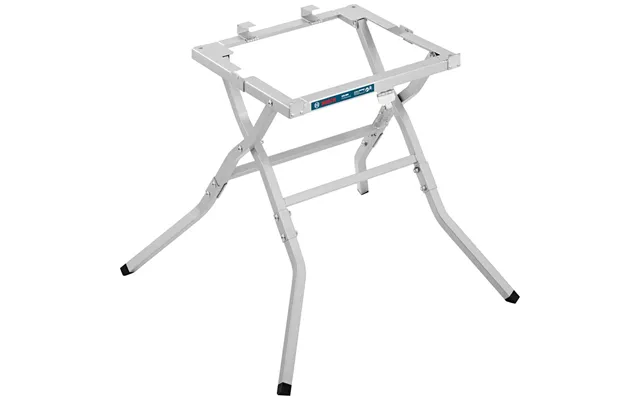
| Bosch Gta 60 W Professional Table Saw Stand | £ 255,72 |