
Wedge Tools price list
Last updated Friday, 18 Sept 2026





View 6 Offers
Loading...
Last updated Friday, 18 Sept 2026
Wedge tools are the quiet heroes of home, garden, and build projects. Whether you’re splitting firewood, nudging a door into alignment, or guiding a tree’s fall, a wedge turns your swing or twist into a decisive, controlled push. It’s one of the oldest simple machines—a shape so basic it feels obvious, yet so effective it’s hard to beat. In the UK, wedge tools are everywhere: in sheds, trucks, toolbelts, and pro kits. If you’ve ever felt stuck on a job that needs a little force in a tight spot, there’s a wedge for it.
Think of a wedge like a ramp turned on its head. Instead of rolling something up the ramp, you drive the ramp into the material. Your strike spreads the load sideways, cracking wood fibers, shifting heavy materials, or easing things apart. That’s mechanical advantage in action. A thicker wedge drives more force outward; a slimmer wedge penetrates easier. The right balance depends on your task, your tool, and your comfort swinging a hammer or maul.
Most splitting wedges are forged steel for sheer toughness. Felling wedges are often high-impact polymer so they won’t damage a chainsaw chain if you nick them. For stonework, feather-and-wedge sets and masonry shims are hardened steel for accuracy and wear resistance. You’ll also see rubber or wood in doorstop wedges and leveling shims for a softer, no-scratch grip. Each material solves a different problem: strength, safety, grip, or protection.
If you’re hunting for value, comparison sites in the UK help you line up features, specs, and prices at a glance. You can quickly sort splitting wedges by weight, felling wedges by length, or stone sets by hole size. That bird’s-eye view is handy when you want to balance budget with performance. Pay attention to multi-pack deals for wedges and shims—they’re lifesavers when you need multiple contact points or backups on the job.
Need a wedge for firewood? Late winter into spring often brings promotions as stock rotates. For landscaping and decking shims, spring and early summer see fast-moving deals. Tree pros typically stock up before storm season and leaf fall, so mid-to-late summer can be smart timing for felling wedges. Watch for clearance on last year’s colors or minor packaging changes—those rarely affect performance.
Multipacks are more than a budget move—they’re practical. Two polymer felling wedges let you alternate blows to keep the kerf open. A three or four pack of plastic leveling wedges covers long runs of decking or cabinetry. Feather-and-wedge sets for stonework often sell as matched sizes, simplifying drilling and spacing. Bundles with a sledge or protective pouch also add value you’ll actually use.
When you see wedge listings side-by-side, it helps to decode why one costs more. Price reflects material quality, finish, hardness, and brand support. Steel wedges with anti-mush heads, flutes to reduce popping out, or anti-slip textures usually command more. Polymer felling wedges with reinforced spines and aggressive barbs are pricier than smooth, basic models. Stone sets priced higher often deliver consistent tapers and tougher steel for cleaner splits. You’ll feel the difference in use and see it in longevity.
Budget wedges work well for occasional DIY and light jobs. Mid-range options bring better materials, grip, and lifespan for regular use. Pro-grade tools are built to be hammered day-in, day-out—think forged steel with smart geometry, polymer wedges that shrug off cold, and stone sets that stay true. If you rely on wedges weekly, the step up pays back fast in fewer mis-hits and less downtime.
If you’re felling trees, splitting dense hardwood, or drilling stone for precise breaks, don’t skimp. Better wedges track straighter, resist mushrooming, and hold edges longer. You’ll swing fewer times, keep your hands safer, and protect your other tools. On the flip side, a basic door wedge or plastic shim for a one-off job can be a perfectly sensible save.
“Wedge tools” sounds singular, but the family is huge. The right wedge depends on the material and the motion you need. Let’s break down the common types so you can pick with confidence and skip the guesswork.
Classic steel splitting wedges are your go-to for rounds that refuse to crack. Common weights range from about 2 lb to 5 lb, with lengths from 6 in to 10 in. Some designs have cross or diamond patterns to multiply cracks; others are simple single-bevel profiles for smoother entry. If you burn seasoned hardwood, a 4 lb wedge with a broad back and fluted sides is a tough, versatile choice.
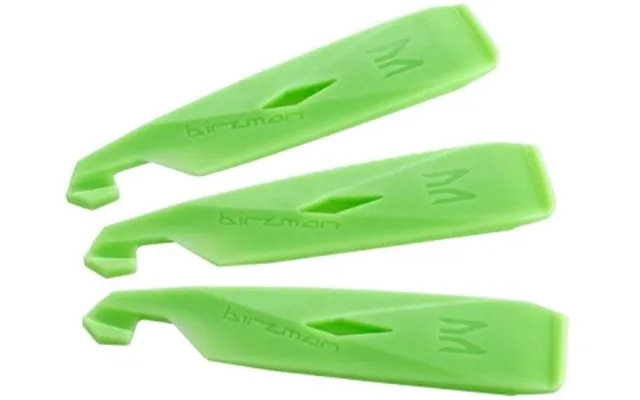
Polymer felling wedges, typically 5 in to 12 in long, keep the kerf open and guide a tree to fall where you plan. They’re bright for visibility and tough enough to take repeated strikes with a maul or axe. Look for textured faces, serrated ridges, and a slight curve for superior hold. The polymer body is chainsaw-friendly, so a slip won’t wreck your chain like steel would.
This traditional stone-splitting kit uses two “feathers” (shims) and one wedge per hole. You drill a line of holes—often 3/8 in to 5/8 in diameter—drop in the feathers, then drive the wedges evenly across the row. The stone responds with a clean, controlled split. It’s old-school, precise, and surprisingly satisfying when you hear that gentle crack.
For aligning lintels, setting block, or truing up brickwork, steel or composite shims and thin wedges are ideal. They offer minute adjustments, won’t compress easily, and can be trimmed or left in place as needed. If you’re supporting weight, pick shims rated for load and verify thickness and slope in inches so you know your exact adjustment range.
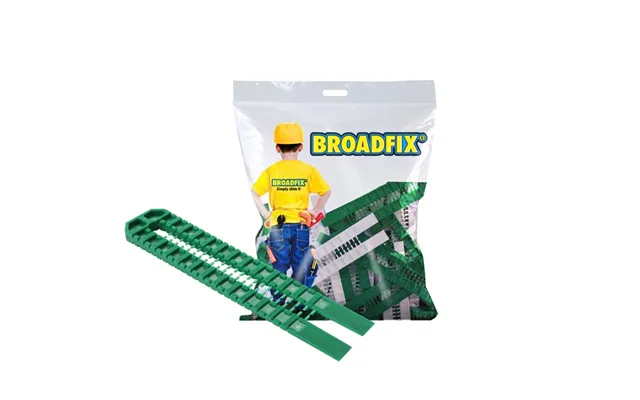
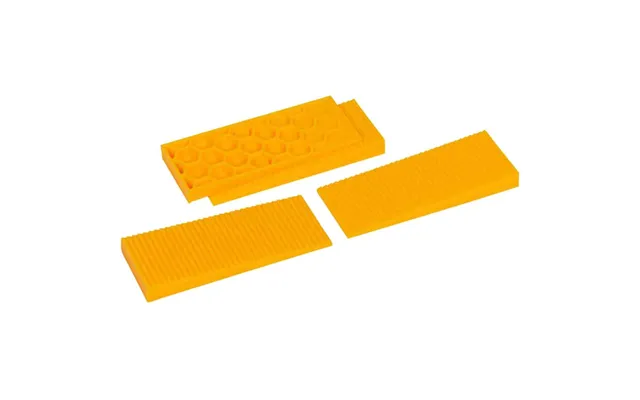
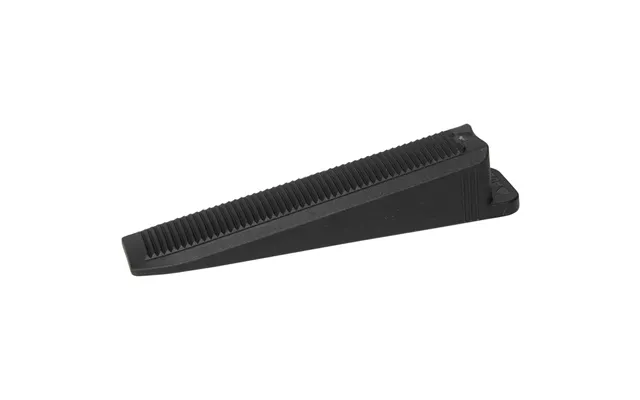
Decking, flooring, and cabinetry often demand micro-adjustments. Plastic leveling wedges step in with a gentle taper—great for nudging surfaces flat without crushing or staining. Packs often include a mix of small and larger shims from about 1 in up to 6 in. Their non-slip ribs are underrated; they stop everything from sliding while you fasten up.
Door wedges are basic but brilliant. A good rubber or wood wedge, about 4 in to 6 in long, keeps a door still against drafts or foot traffic. Utility wedges cover odd jobs: prying, spacing, or holding parts during glue-ups. Keep a couple in your toolbag—you’ll use them more than you think.
Start with your material—wood, stone, masonry, or interior finishes—and match the wedge style to that task. Then consider the space you have, the tool you’ll hit it with, and your comfort level. Big wedges move material faster, but they also demand a confident swing. Small wedges are nimble in tight spaces and cabinetwork, where finesse beats brute force.
Sharper entry angles bite into material but can bind in tough fibers. Blunter profiles drive splits wider with less risk of sticking. Splitting wedges often have a robust, blunt face for force, while felling wedges use slim edges to slip into a kerf without bouncing out. In stonework, the wedge taper must match the drilled hole spacing for an even, predictable crack.
If you’re new to splitting, a 3 lb to 4 lb steel wedge is a friendly balance of power and control. Pair it with a 6 lb to 8 lb sledge and you’re set for most backyard rounds. For felling, keep at least one 8 in to 10 in polymer wedge handy—two is better for tricky leans. In leveling, pocket-size shims and 4 in wedges cover a surprising range of needs without bulk.
Good wedges make jobs safer by controlling force and direction—but only if you use them right. Wear eye protection, snug gloves, and boots with grip. Keep your striking tools in good shape, and replace wedges with damaged faces or cracked bodies. A little discipline here prevents a lot of drama later.
Stand the round on a flat, solid base. Set your steel wedge on an existing check (or make a starter notch), then tap it until it holds. Switch to stronger blows, letting the wedge sink and the wood do the work. If it stalls, add a second wedge along the same split to continue the crack. Rotate stubborn rounds and target the edges instead of the heart—why fight the wood when you can outsmart it?
After your notch and back cut, slip a polymer wedge into the kerf on the fall side. Light taps seat it; firm blows start leaning the tree. Add a second wedge on the same side or stagger them to fine-tune direction. Never use steel wedges in an active chainsaw kerf. Keep clear escape routes, communicate, and don’t rush—calm beats strong every time in the woods.
A little care extends a wedge’s life by years. Clean off sap, grit, and dust after use. Check for cracks, bent edges, and excessive mushrooming. If in doubt, retire it. Your sledge and your shins will thank you.
For steel wedges, use a file to dress burrs and maintain a smooth, slightly rounded striking face. Keep the working edge even, not razor-thin—splitting wedges need durability more than knife-like sharpness. Feather-and-wedge sets should slide smoothly without jagged spots that chew up drilled holes.
Dry storage is essential. Wipe steel with a light oil film, wrap polymer wedges to keep UV off, and stash everything in a toolbox or pouch so edges don’t bang together. Silica gel packs are a cheap hedge against damp air, especially in sheds and vans.
Wedges shine brightest when teamed with the right partners. Choose a sledge or maul that fits your swing, drill clean holes for stonework, and keep a holster or pouch so wedges stay close at hand. Smart pairings reduce wasted effort and increase precision.
A 6 lb to 8 lb sledge with a 36 in handle delivers heavy hits for splitting wedges. For mixed work, a 3 lb to 4 lb drilling hammer with a 10 in to 16 in handle is nimble and accurate. Splitting mauls combine an axe blade and a wedge-like poll—great for initial cracks before setting a wedge to finish the job.
Stone splitting starts with straight, consistent holes. Use quality masonry bits sized to your wedges—commonly 3/8 in, 1/2 in, or 5/8 in. Keep your holes aligned and at uniform depth so the wedge line shares stress equally. It’s cleaner, faster, and looks professional when the break follows your drill line.
Brand isn’t everything, but it can hint at quality. Look for forged steel wedges with clean finishes from long-standing toolmakers. Polymer felling wedges from forestry-focused brands often show thoughtful details—grippy ridges, bright colors, reinforced spines. In the UK, you’ll see names known for dependable metalwork and no-nonsense price-to-performance ratios. Read specs, skim user reviews for real-world abuse, and pick the design features that solve your exact jobs.
Value lines can be excellent for occasional use or as backups. If you’re buying on a budget, confirm weight, length, and material up front. A 4 lb steel wedge that holds shape under repeat blows is a better buy than a lighter piece that mushrooms fast. For felling, make sure the polymer feels dense and solid, not brittle or overly soft.
Durability is a quiet eco-win. A wedge that lasts for years means less waste and fewer replacements. Ergonomically, wedges that enter cleanly require fewer strikes, saving energy and reducing fatigue. For frequent users, handle comfort on sledges and the balance of your striking tools matter as much as the wedge itself. Small tweaks—like choosing a wedge length that suits your stance—add up over a long day.
Wedge work is physical, but it doesn’t have to be punishing. Use smooth, controlled swings rather than sheer force. Keep contact surfaces clean so energy goes into the split, not into bouncing. If your elbows complain, step down to a lighter hammer and let multiple, accurate taps replace a few wild hits.
To find the best fit for your budget and needs, use UK-based comparison sites that bring listings together in one place. You can filter by wedge type, length in inches, or weight in pounds and see ratings and specs side-by-side. That way, you spend less time tab-hopping and more time picking a model that actually suits your jobs. Remember, comparisons are about clarity: the right wedge at the right value, not just the lowest price.
Scan for the essentials first: material, size (inches), weight (pounds), and pack quantity. Look at the wedge geometry—any fluting, barbs, or grooves? Check recommended uses: wood species, type of stone, or interior applications. Finally, read a few user comments focused on durability and real-world results, not just unboxing impressions.
DIYers and pros often use the same tools, but how often—and how hard—they’re used differs. If you split a few rounds on weekends or level a cabinet twice a year, a dependable mid-range wedge is perfect. If you’re on site daily, pro-grade gear pays for itself in fewer headaches and fewer replacements.
A single 4 lb steel splitting wedge, an 8 in polymer felling wedge, and a mixed pack of plastic shims cover most home jobs. You’ll handle logs for the firepit, nudge a door, or level a workbench without breaking stride. Keep them within reach, and you’ll be surprised how often they solve problems on the spot.
Pros benefit from redundancy and specialization: two polymer felling wedges in 8 in and 10 in, a 4 lb and a 5 lb steel splitter for different woods, a full feather-and-wedge set matched to 1/2 in and 5/8 in holes, plus heavy-load shims for stone and block. Add a quality sledge, a sharpening file, and a tough pouch, and you’ve built a work-ready wedge kit.
Wedge tools are simple, powerful, and endlessly useful—from the woods to the workshop to the living room trim. When you understand how wedges multiply force and how different designs suit wood, stone, or fine adjustments, choosing becomes easy. Compare options, match size and material to your task, and invest where safety and precision matter most. With a few smart picks and a little care, your wedges will turn hard jobs into satisfying wins, swing after swing.