All categories
Business & Offices
Electronics & Media
Fashion & Accessories
Groceries & Essentials
Health & Personal Care
Home & Living
Kids & Family
Sports & Outdoors
Search in ZoneOffer

Loading...
Think of your air purifier like a car: the motor matters, but so do the tires, oil, and filters. Accessories and replacement parts keep the unit running efficiently, extend its lifespan, and ensure the air you breathe is actually cleaned. Skipping the right filter or neglecting sensors is like driving with bald tires — it might go, but it won’t be safe or efficient.
Adding the right activated carbon cartridge, swapping in a true HEPA module, or fitting a high-quality pre-filter can dramatically change how well your purifier captures odors, smoke, and allergens. Small investments in the right parts often pay off with better indoor air quality, lower operating costs, and fewer surprises down the road.
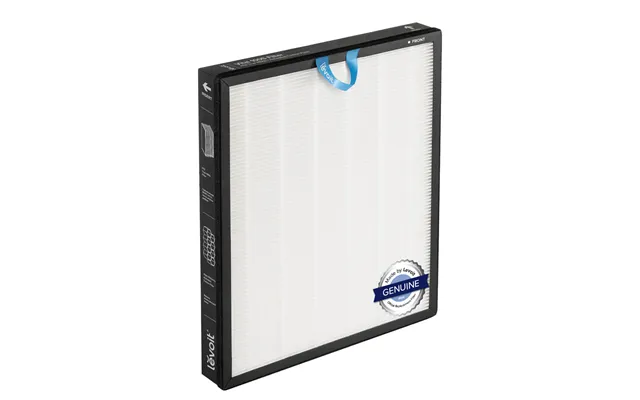
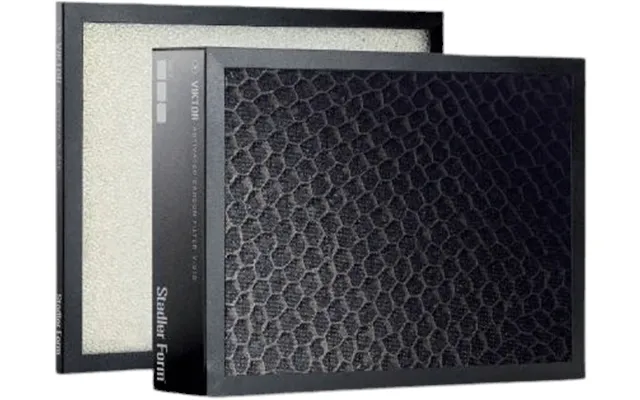
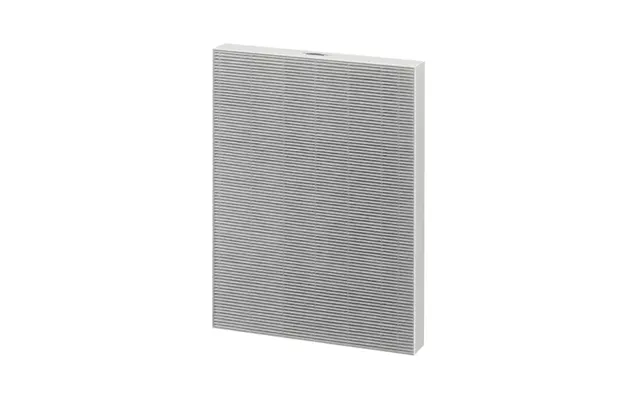
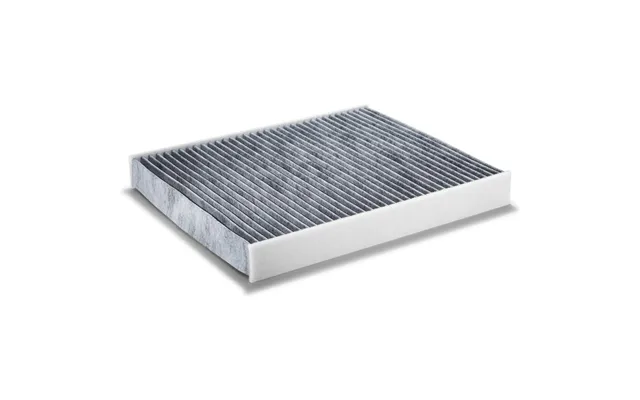
If you only remember one rule, remember this: replace your filters on schedule. The most common filter trio is a pre-filter, a HEPA-style particle filter, and an activated carbon layer for gases and smells. Each plays a specific role, and skipping one weakens the whole system like missing a puzzle piece.
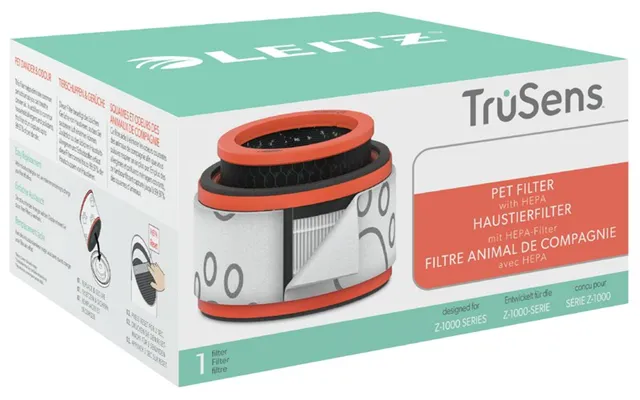
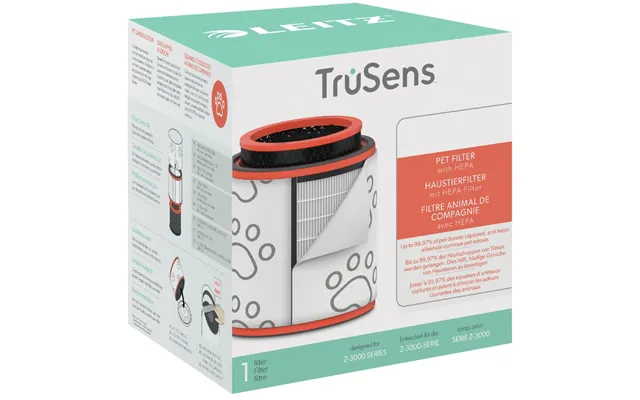
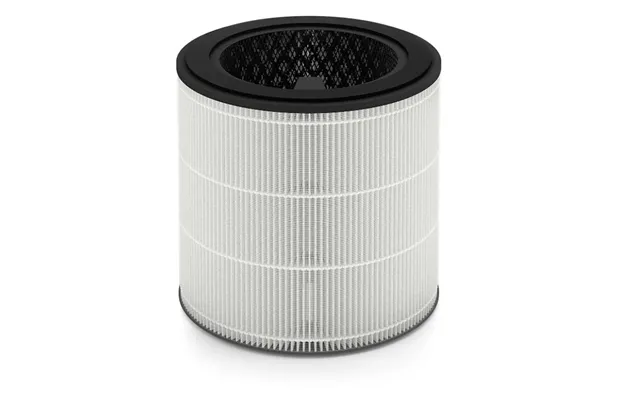
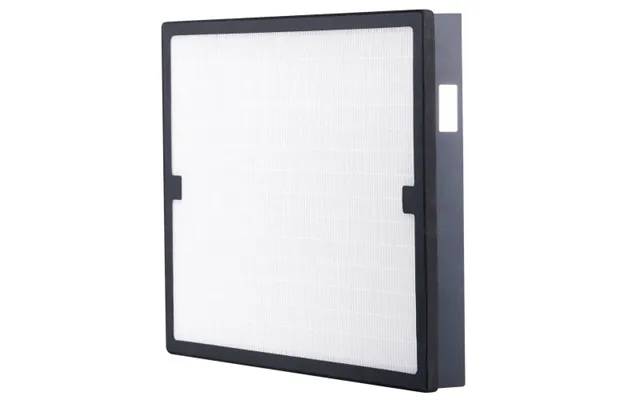
A true HEPA filter captures at least 99.97% of particles down to 0.3 microns; that’s where pollen, mold spores, and many dust particles live. HEPA-type or HEPA-like filters may fall short of that standard but can still help with larger particles. If allergy control or smoke removal is your priority, look for true HEPA. Think of it like choosing between a high-grade coffee filter and a loosely woven cloth — the finer the filter, the cleaner the result.
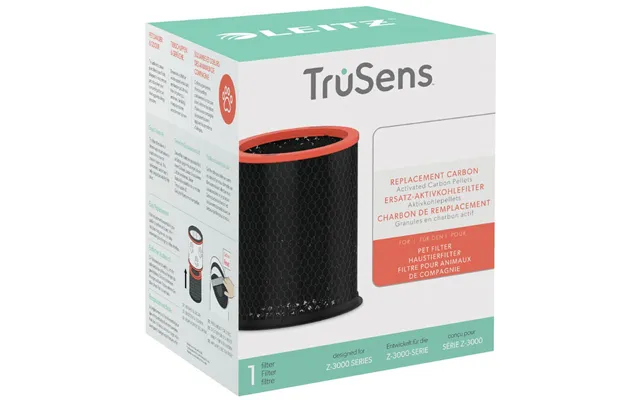
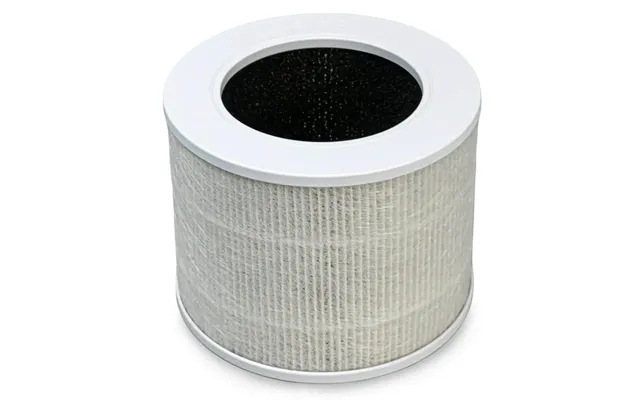
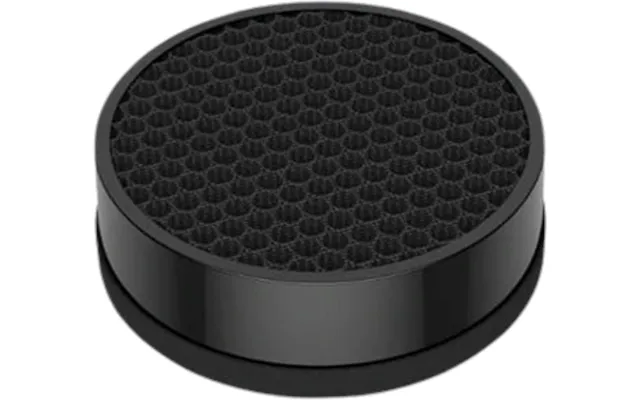
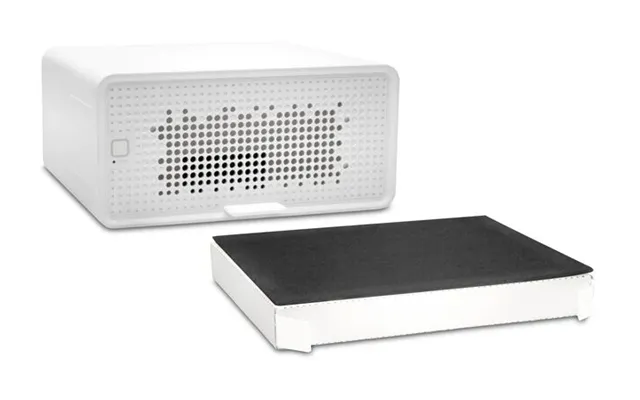
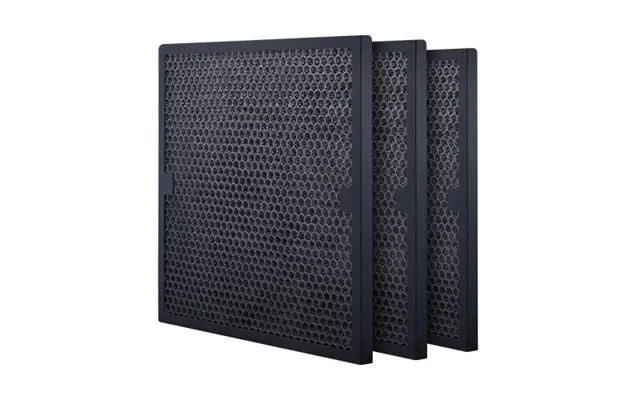
Activated carbon is the go-to for VOCs, cooking smells, and volatile gases. The more carbon and the higher its surface area, the better it adsorbs smells. If you live with smokers, cook frequently, or have a pet that brings unique scents inside, a thick carbon layer or replaceable carbon pellet cartridge is a must. Look for cartridges measured in inches across or specified by weight for a practical gauge of capacity.
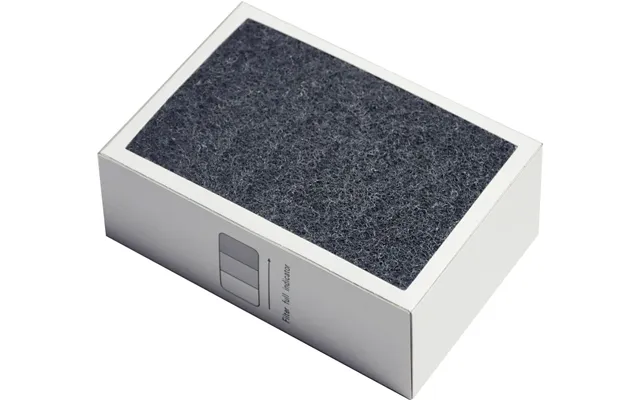
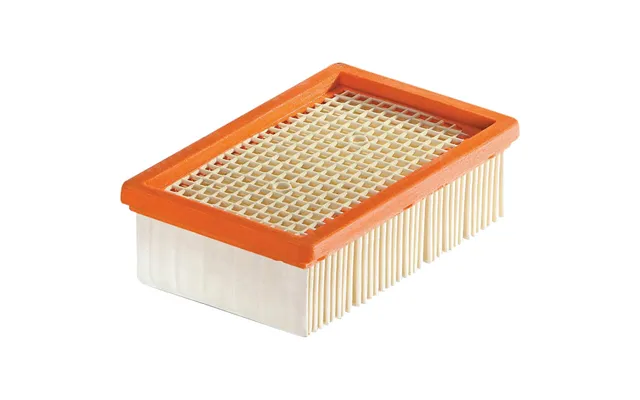
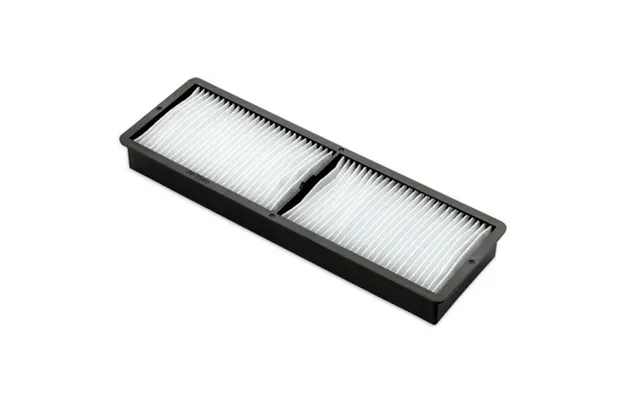
Pre-filters trap hair and large dust before they reach the HEPA or carbon stages, extending the expensive parts’ life. Many pre-filters are washable and should be cleaned every 2–6 weeks depending on use. Machines that lack a pre-filter are like houses with no doormat — more dirt gets dragged inside.
Modern purifiers benefit hugely from sensors and connectivity. A good particle sensor tells the unit to ramp up when smoke or dust spikes, while a formaldehyde or VOC sensor targets gases. Wi‑Fi modules and apps let you track air quality in real time, schedule runs by the hour, and get filter change alerts — convenience that often translates into better performance.
Particulate matter (PM2.5) sensors and combined VOC sensors are often the most useful. PM2.5 sensors help manage haze and smoke, while VOC sensors detect off-gassing from paints, cleaners, and some furnishings. If you’re sensitive to smoke or live in a city with frequent pollution, a PM sensor is essential; for new homes or renovation projects, VOC detection is a smart investment.
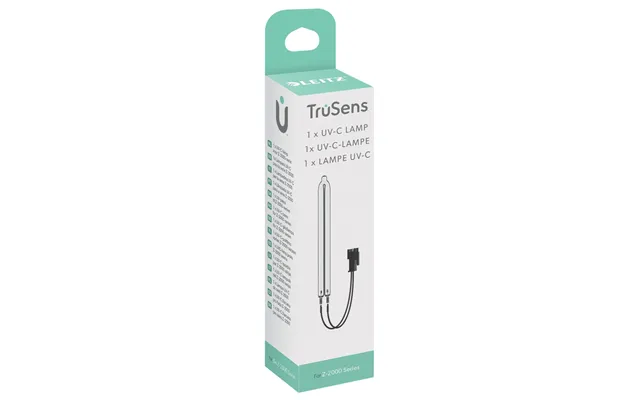
Maintenance accessories are the unsung heroes that keep your purifier user-friendly and effective. UV-C bulbs (where used), brushes for grills and intake, replacement casters for portable units, and gasket kits for sealed models all help keep the machine functioning as intended. Small parts may seem boring, but they prevent performance decay.
UV-C lamps and certain ionizer elements have limited lifespans. Manufacturers usually list hours — for lamps this might be several thousand hours — but a practical schedule is to check performance every 6–12 months. Wheels and casters should be replaced when movement feels sticky; a stuck caster can result in awkward lifting and accidental damage.
Buying the right accessory often comes down to size. Filters and cartridges are usually described in inches, and room coverage is listed in square feet. Make sure the replacement filter matches your purifier’s dimensions — a filter that’s 10 x 10 x 1 inches won’t fit a cylinder designed for a 9-inch diameter. Measure the unit or inspect the manual before ordering.
CADR (Clean Air Delivery Rate) is commonly used to indicate how fast a purifier cleans air — expressed in cubic feet per minute (CFM). A higher CADR or CFM rating means the unit can handle larger rooms. For example, a purifier rated for 300 sq ft will have a higher CFM than one rated for 100 sq ft. When choosing accessories, match their rated throughput to your unit so the upgrade doesn’t become a bottleneck.
Confused by long model codes? You’re not alone. Manufacturers often use cryptic part numbers for filters. A safe route is to note the purifier model number and look for filters explicitly listed as compatible. If you’re buying generic replacements, compare the physical dimensions in inches and check the seal style — gasket, snap-in, or clip — to avoid leaks that reduce efficiency.
Fit matters. A loose filter allows bypass where unfiltered air slips through, so inspect edges for rubber gaskets and sealing clips. Measure the filter in inches — height, width, and depth — and compare the dimensions to the original. If the specs match and customer photos show proper installation, you’re likely safe. When in doubt, lightweight adapters or foam sealing strips can close small gaps without harming airflow.
Replacing filters can become a recurring expense, so balance cost against expected life and performance. Premium true HEPA and thick carbon cartridges cost more but may last longer and filter better. Budget filters can be fine for occasional use or smaller rooms. It’s like choosing running shoes: for daily marathon training you buy higher grade; for casual walks you pick something more economical.
Estimate annual cost by dividing the filter price by its lifespan in months, then multiplying by 12. For instance, a filter that costs $60 and lasts 6 months is $120 per year; a $90 filter that lasts 12 months is $90 per year. Don’t forget the cost of washable pre-filters, replacement bulbs, or extra carbon pouches when comparing total ownership cost.
If you cringe at the idea of tossing filters every few months, look into washable pre-filters and reusable carbon pouches. These won’t replace HEPA media, but they cut down on waste and recurring purchases. Just remember: washable means rinsable, not machine-washable, and they still need drying completely before reuse to avoid mold.
Most disposable HEPA and carbon filters can’t be recycled through household routes, but some manufacturers offer take-back programs or trade-in rebates. Treat used filters like used dust catches — seal them in a bag before disposing to reduce airborne dust. If you handle filters with allergies, wear a mask and gloves when removing them to avoid stirring up trapped particles.
Whether you’re upgrading an old unit or buying replacements for a new one, certain accessories consistently deliver value: true HEPA replacement modules, high-capacity activated carbon cartridges, washable washable pre-filters, PM2.5 sensors, Wi‑Fi control modules, and sturdy replacement casters for portability. Having these on hand can turn a good purifier into a great one.
Start with a genuine or high-quality HEPA replacement, add activated carbon if you deal with odors, keep a washable pre-filter for pet hair, and choose a sensor module if you want automation. After those essentials, maintainers' items like brushes and casters complete the toolkit. This priority list keeps your spend practical and focused on performance.
Comparison sites and review aggregators are valuable for spotting deals and corroborating real-world performance. They compile price lists, user reviews, and compatibility information so you can compare different replacement filters and accessories side-by-side. Use them to check which cartridge lasts longer, which sensor is more accurate, and how customer experiences align with specs.
When using price comparison pages, filter by your purifier model, sort by customer ratings, and look for photos of installed filters to confirm fit. Pay attention to filter lifespans in months and whether the seller includes installation guides or videos — a little help can save time and reduce mistakes.
DIY solutions can buy time, but they come with tradeoffs. Cutting pre-filters to size, using foam to fill small gaps, or placing carbon pouches behind a filter can improve life or performance temporarily. However, avoid modifying HEPA media or bypassing sealing systems — that can compromise particle capture and safety. Treat DIY as a stopgap, not a permanent replacement for the right part.
When replacing bulbs, fans, or wiring, always unplug the purifier and consult the manual. If a repair requires soldering or exposes high-voltage components, let a professional handle it. Even seemingly simple fixes, like replacing a fan motor, can introduce risk if the unit isn’t reassembled correctly.
Air purifier accessories are more than spare parts — they’re the upgrades and maintenance items that determine real-world performance. From true HEPA filters and thick carbon cartridges to sensors, pre-filters, and maintenance tools, the right accessories keep your air cleaner, your unit quieter, and your costs under control. Measure carefully in inches, match capacity to your room in square feet, and use comparison resources to find the best balance of price and longevity. Treat maintenance as a routine, not an afterthought, and your purifier will reward you with cleaner, healthier air all year long.

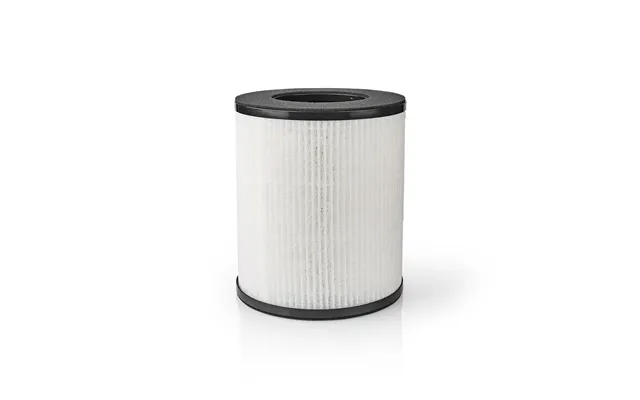
| £ 39,61 |
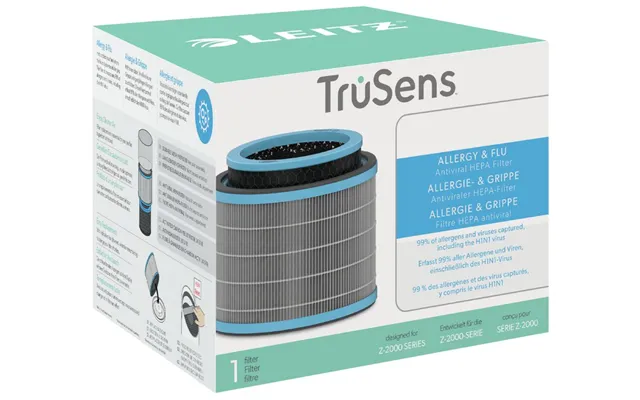
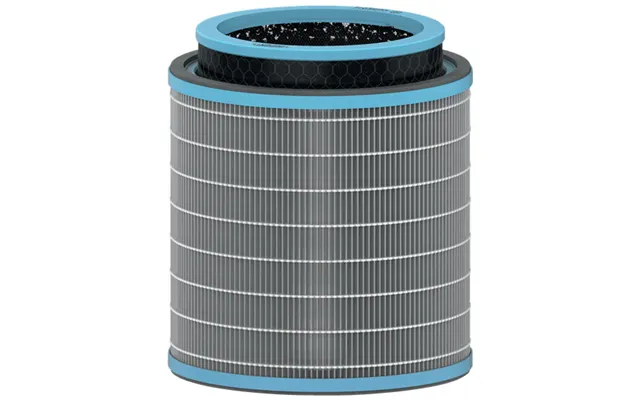
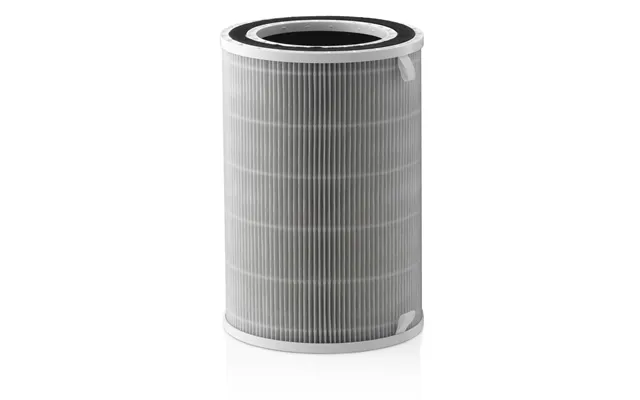
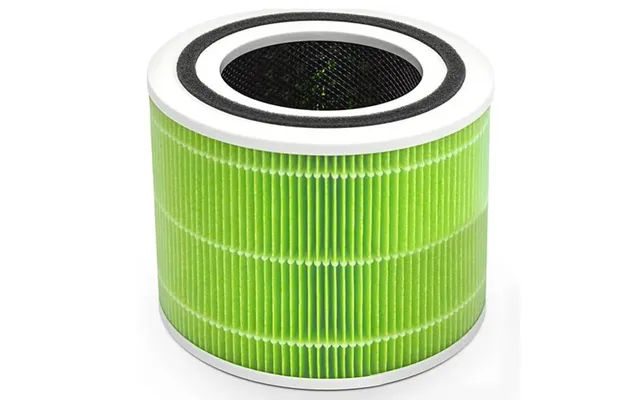
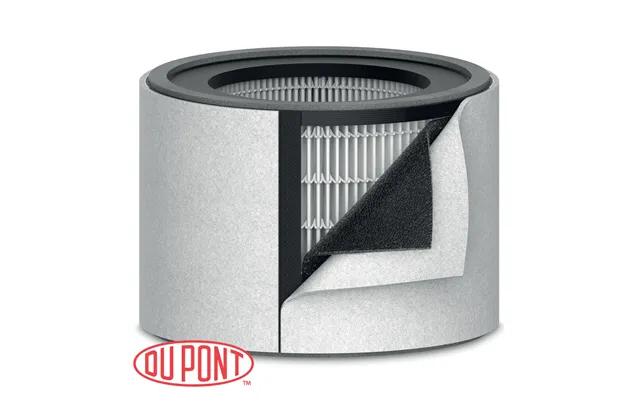
| Allergy And Flu Anti-viral 3-in-1 Hepa Filter Drum For Leitz Trusens Z-3000 Z-3500 Large Air Purifier | £ 52,34 |
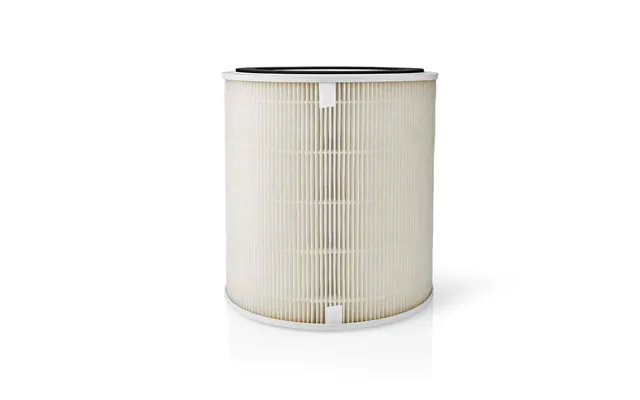
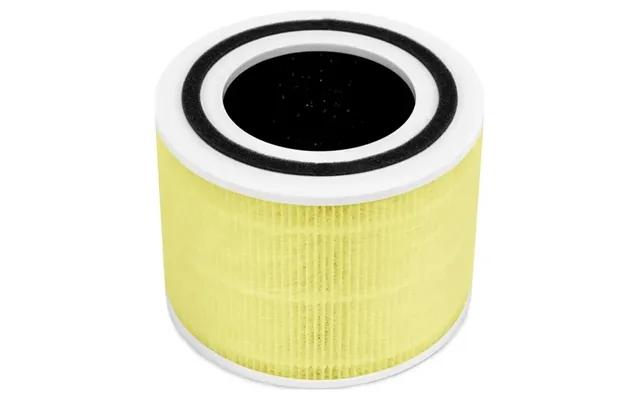
| Nedis Air Purifiers Filter Replacement Suitable For Purifier Model Aipu300cwt | £ 58,79 |