

Air Purifier Accessories - Other price list
Last updated Tuesday, 20 Oct 2026


View 4 Offers
Loading...
Last updated Tuesday, 20 Oct 2026
If you own an air purifier, you already know it can make a room feel like a breath of fresh air — literally. But the real magic isn’t just the machine itself; it’s the small parts and accessories that keep it working at peak performance. Think of accessories as the routine tune-ups for a car: change the oil, replace worn parts, and you avoid bigger problems down the road. The right accessories improve air quality, extend the life of your purifier, and save you money in the long run.
From filters to sensors and replacement fans, accessories fall into a few clear categories. Those categories include primary filters like HEPA and activated carbon, pre-filters, UV-C bulbs for germ reduction, ionizer modules, replacement motors and fans, and maintenance tools such as brushes and storage covers. Each plays a distinct role and choosing the right mix depends on your needs: allergy control, smoke removal, pet odors, or simply dust reduction.
HEPA filters trap tiny particles that other filters miss. A true HEPA filter typically captures particles down to 0.3 microns, which includes pollen, mold spores, and many dust particles. If you suffer from allergies or want the cleanest possible indoor air, a high-quality HEPA replacement is a non-negotiable accessory.
Match filter dimensions — pay attention to inches for width, height, and thickness — and check compatibility using your purifier model number. HEPA filters often come in 1-inch or 2.5-inch thicknesses; thicker panels usually last longer and have higher dust-holding capacity. Also consider HEPA rating: H10–H12 are useful but for medical-grade capture, H13 or higher is preferable.
Activated carbon traps gases, smoke, and volatile organic compounds (VOCs) that HEPA filters can’t handle. If you cook often, live with smokers, or have pets, a dense carbon layer is like a sponge for smells — it absorbs odors rather than just capturing particles.
Look for carbon filters with thick layers or pelletized carbon for better performance. Some units combine carbon and HEPA into one cartridge; others use separate layers you can swap. For persistent odors, choose a replacement carbon filter every 3–6 months depending on usage.
Pre-filters trap large particles like hair and coarse dust, protecting the HEPA and carbon layers from rapid clogging. Think of pre-filters as a first defense — cheap to replace and easy to clean, they dramatically extend the life of more expensive filters behind them.
Many pre-filters are washable; others are disposable. If yours is washable, rinse it every 2–4 weeks depending on dust load. Disposable pre-filters are inexpensive and should be replaced every 1–3 months. If your household has pets, lean toward more frequent maintenance.
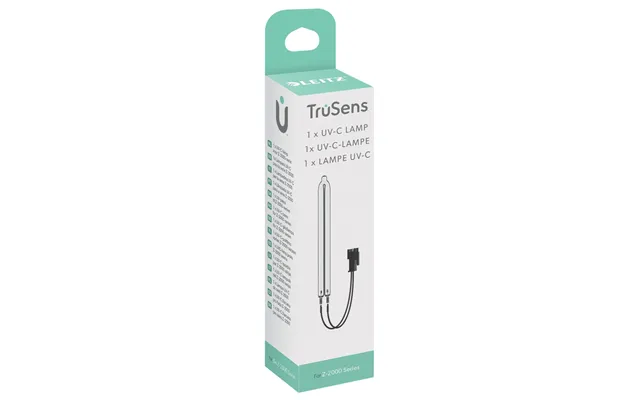
UV-C modules disinfect air by inactivating bacteria and viruses. They’re not a replacement for filters, but they add a layer of protection in environments where germ control matters, like nurseries or shared living spaces. UV-C is a targeted tool — best used alongside HEPA and carbon filters.
UV-C bulbs should be replaced by the manufacturer’s recommended schedule, usually every 9–12 months, and you should avoid directly exposing skin or eyes to the light. Always unplug the unit and follow safety guidance when replacing bulbs or servicing UV modules.
Ionizers release charged particles that attach to airborne pollutants, causing them to settle out of the air or be attracted to a collector plate. They can be effective for reducing airborne dust but aren’t ideal for everyone — some ionizers produce small amounts of ozone, which can irritate sensitive lungs.
If you have asthma or respiratory sensitivities, look for ozone-free or low-ozone-rated ionizer modules. Many modern purifiers offer ionizer settings that can be turned off, or “plasma” tech that minimizes ozone output while still improving particulate capture.
Listen and feel for changes: noisy operation, reduced airflow, or rattling are red flags. A worn fan or motor can reduce the unit’s CADR (clean air delivery rate) and make filters work harder, shortening their lifespan. Replacing worn mechanical parts restores performance and often saves money compared to replacing the entire unit.
Always match replacement parts to model numbers and dimensions in inches. If possible, buy OEM-style replacement motors or high-quality aftermarket parts designed for your purifier’s brand. Check reviews for longevity and noise level to avoid surprises.
Air quality sensors track particulate levels and VOCs to set fan speeds automatically. When sensors drift or fail, the purifier may run too long or not ramp up when needed. Replacing faulty sensors brings back accurate automation and can reduce energy waste.
Some sensors require calibration after installation; others are plug-and-play. Ensure replacement sensors are compatible with your unit’s control board and that you follow calibration steps in the manual. Good replacement sensors often improve responsiveness and can lower operating time.
Accessories such as soft brushes, lint-free cloths, vacuum attachments, and compressed air are simple but essential. A small utility vacuum with a brush attachment helps clean intake grilles and pre-filters. For metal collector plates, specialized cleaning pads or dish soap and water can keep performance high.
If you move your purifier seasonally or store it in a garage, consider a breathable cover sized in inches to protect it from dust. Travel cases are handy for portable purifiers, especially if you take one to a workshop or travel frequently. Make sure any cover allows airflow when in use to avoid overheating.
Replacement schedules vary by use and environment. As a rule of thumb: pre-filters every 1–3 months, HEPA every 6–12 months, carbon filters every 3–6 months for heavy odor use, and UV-C bulbs every 9–12 months. Sensors and mechanical parts may last several years but replace them when you notice diminished performance. Regular inspection in inches of dust buildup — like visible dust on grilles or reduced airflow — helps you decide when to act.
Prices for accessories range widely. A basic pre-filter might cost less than a few dollars, while a premium HEPA-carbon combo cartridge can cost tens of dollars or more. Replacement motors and sensors may be more expensive but fix performance issues that would otherwise force you to buy a new unit. Comparing compatibility and reading reviews will help you find parts that deliver the best value per dollar.
Prioritize H13 (or higher) HEPA replacements, a washable pre-filter for frequent dust, and a reliable sensor that prompts higher fan speeds during spikes. Combine this with a carbon filter if pets or cooking odors are an issue.
Choose a thick activated carbon filter or a pelletized carbon cartridge, and consider a higher airflow purifier to cycle the room air faster. Replace carbon more frequently in smoky conditions — sometimes every month or two if smoke is heavy.
Pair HEPA with UV-C modules and ensure your purifier supports germ-reduction modes. Replace UV-C bulbs annually and confirm the unit has closures or shields to prevent direct exposure to the bulb’s light.
Most replacements are straightforward: power down, remove the old part, and insert the new one matching the orientation markings. Keep the unit unplugged and follow safety steps for electrical parts. When in doubt, take a photo of the original before removing it — a quick visual reference saves time and frustration. For complex replacements like motors, consult the manual or a professional.
Some accessories are washable or reusable, cutting waste and long-term cost. Reusable pre-filters and washable collector plates reduce landfill-bound filters. Also, buy filters in multi-packs when storage space allows to lower the per-unit cost. Remember to dispose of used filters according to local guidelines if they’ve been exposed to hazardous contaminants like wildfire smoke.
Comparison tools and product aggregators help you match your model number to compatible accessories and see price ranges in one place. Use model numbers and exact dimensions in inches when searching. Check user reviews for fit accuracy and longevity before purchasing replacements or upgrades.
Accessories are not a one-size-fits-all purchase. Think about your priorities — particle capture, odor control, germ reduction, or simply quiet operation. Replacing small parts on schedule is a cost-effective way to keep the purifier working like new. Treat accessories as investments in your indoor air quality; a few smart purchases each year can make your home noticeably healthier and more comfortable.
Air purifier accessories are the unsung heroes that keep your indoor air clean and your unit performing well. From HEPA and activated carbon filters to UV-C bulbs, replacement motors, and cleaning tools, the right accessories matched to your needs make a real difference. Regular maintenance, timely replacements, and careful selection based on compatibility and usage will reward you with better air quality, lower long-term costs, and a device that runs smoothly for years. Think of accessories as the tune-ups and spare parts for an appliance that protects your health — a small investment that pays off every breath you take.