

Fly Swatters price list
Last updated Monday, 19 Oct 2026





View 5 Offers
Loading...
Last updated Monday, 19 Oct 2026
Flies are more than a nuisance; they’re a public-health reminder that little pests can carry big problems. Even with sprays, zappers, and screens, a trusty fly swatter remains one of the quickest, cheapest, and most satisfying ways to deal with a single insect buzzing around your kitchen island or backyard grill. Think of a fly swatter as your first line of defense—lightweight, low-tech, and always ready. If you want instant results without chemicals, a well-designed swatter still beats many high-tech gadgets for one-off encounters.
Not all fly swatters are created equal. The market breaks down into several categories, each with pros and cons depending on where and how you plan to use it. Understanding the main types helps you buy smarter instead of buying louder.
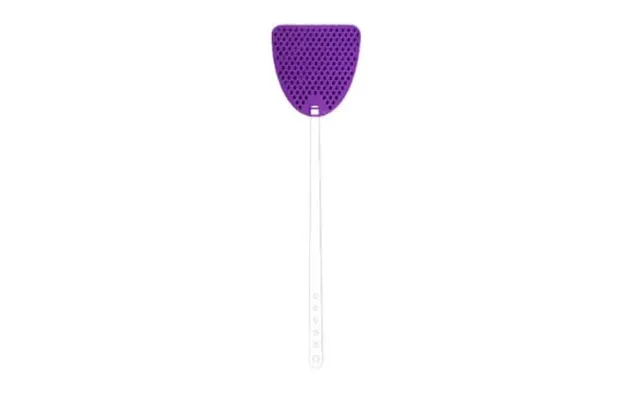
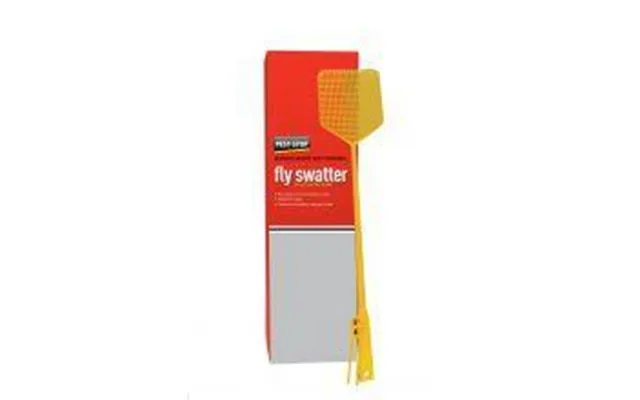
These are the classic hand-held models with a perforated plastic head attached to a short handle. They’re light—often under 4 ounces—and inexpensive, which makes them ideal for kitchens and indoor use. The perforations reduce air resistance so you can swing faster and aim more precisely. For indoor jobs, a 10 to 12 inch length is common, giving you good control without being awkward.
Rubberized heads add flexibility and durability. They can absorb impact better than hard plastic, which reduces the risk of a messy splatter on delicate surfaces. If you’re dealing with indoor décor or fragile countertops, silicone or rubber options are gentler while still being effective. They also last longer—wear and tear show up more slowly than on cheap plastic models.
For ceilings, eaves, and unreachable spots, telescopic handles extend from around 12 inches up to 3 or 4 feet. These are perfect for attic corners or porch ceilings where flies like to hide. Look for models with a secure locking mechanism and a head size between 4 and 6 inches for better maneuverability.
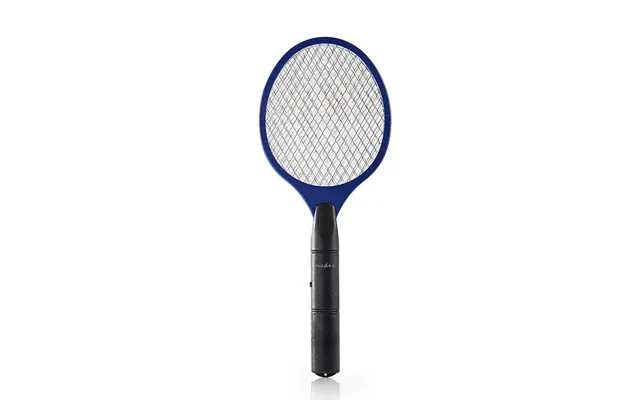
Electric swatters, often shaped like tennis rackets, deliver an audible zap and a quick kill. They’re popular because they combine the aim of a conventional swatter with an electrified grid that neutralizes the insect on contact. Modern models are rechargeable and lightweight—typically 8 to 12 ounces—and provide dozens of charges per full battery life. They’re especially useful for fast-moving insects and work well both indoors and out.
When shopping for an electric racket, pay attention to the grid voltage (common ranges are a few hundred to a couple thousand volts, enough to kill flies but generally safe when used properly), battery type (AA vs. internal rechargeable lithium), charge indicator lights, and a safety mesh to prevent accidental shocks. A handle that doubles as a stand is handy for quick storage and charging.
UV zappers attract and electrocute flying insects using a light source. They’re great for kitchens, garages, and outdoor patios where you want continuous protection without swinging a racket. Sizes vary from compact units for counters to larger outdoor traps that can cover several hundred square feet. These devices are best used away from food prep areas because they can create charred insect residue that needs regular cleaning.
Indoor UV units are usually smaller and designed to be less bright, while outdoor models are built to withstand the elements and often come with larger catchment trays and stronger bulbs. If your patio is the main problem area, choose an outdoor-rated unit that covers at least the square footage of your seating area—something rated for 100 to 300 square feet typically suffices for casual gatherings.
Sticky traps and baited containers offer a chemical-free and passive approach. Hang strips of glue-coated paper near windows or use baited traps that lure flies inside but prevent escape. Sticky traps are unobtrusive and quiet, but they need replacing every few days to every few weeks depending on fly pressure. They work well in enclosed spaces like barns, garages, and near trash bins.
Place sticky strips 1 to 3 feet from the ground in areas where flies tend to land. Avoid direct sunlight for sticky paper since excessive heat can reduce tackiness. Bait traps containing protein or sweet baits should be checked every few days—the bait attracts and the trap contains the problem. These traps are low effort and ideal when you want a “set and forget” solution for ongoing fly pressure.
Match the tool to the task. Do you need a quick kitchen fix or all-night protection on the patio? For quick indoor use, a lightweight plastic or silicone swatter is a solid choice. For fast-moving insects or outdoor use, an electric racket is more effective. For continuous coverage, consider a UV trap or sticky strips. Also think about ergonomics: a comfortable handle and balanced weight reduce wrist fatigue if you’re doing extended swatting.
Before you buy, check size (10–24 inches for handles, 4–6 inch heads are common), weight (5–12 ounces for handheld), battery life, IP rating for outdoor units, and whether replacement parts (bases, bulbs, sticky rolls) are readily available. If noise is a concern, avoid large electric grid units that make a loud crack when they zap insects.
Keeping your swatters and traps in good condition extends their life and keeps them effective. For plastic or rubber swatters, wipe the head clean after use to avoid residue buildup. Electric rackets should be powered off and wiped gently with a dry brush to remove debris—never submerge in water. UV zappers need occasional tray cleaning and bulb replacement, typically every 6 to 12 months depending on usage.
Electric devices should be stored out of reach of children and curious pets. Look for safety features like double-layer mesh on electric rackets and lock switches on larger zappers. If you live with pets that might chew cords, choose battery-powered or cordless models to avoid chewing hazards. Always read safety labels and follow manufacturer recommendations.
If you prefer to avoid insecticides, several effective non-toxic options exist. Sticky traps, electric swatters, and physical exclusion like screens and doors are chemical-free. For outdoor areas, consider adding natural deterrents: plants like basil, lavender, and citronella can reduce pest pressure around seating areas, and fans create airflow that makes it harder for flies to settle.
There are situations—severe infestations, agricultural settings, or where disease vectors are a concern—where targeted insecticide use is appropriate. In those cases, choose products rated for the specific pest, and follow label instructions closely. For most household scenarios, non-toxic tools combined with sanitation (trash management, covered compost, clean counters) are the first line of control.
Fly control tools vary widely in price. Basic plastic swatters can cost under $5, while premium electric rackets and UV traps range from $15 to $100 or more depending on features and coverage. Sticky traps and rolls are inexpensive per use but require periodic replacement. Always consider long-term cost: a rechargeable electric racket may cost more up front but saves on batteries over time, and replaceable bulbs for UV traps can be factored into yearly operating costs.
Compare models by features rather than price alone. Look at power source (disposable batteries vs. rechargeable), warranty, and availability of replacement parts. Read user reviews to understand real-world durability and ease of cleaning. Comparison sites and price lists can help you spot popular offers and seasonal discounts so you get the best value for the features you actually need.
Different settings call for different tools. For kitchens and small apartments, compact silicone or plastic swatters and a small electric racket are sufficient. For patios and outdoor gatherings, a combination of baited traps and an outdoor-rated UV zapper gives continuous protection. Barns and agricultural settings often require heavy-duty traps and regular sanitation to address larger fly populations. And for travel, packable telescopic swatters or small rechargeable rackets are handy in rental cabins and campsites.
Fly pressure tends to peak in warmer months. Plan ahead: clean trash cans and drains in spring, set out traps before peak season, and switch to higher-capacity outdoor zappers for summer gatherings. During colder months many insects slow down, but indoor populations can persist if food or waste is left accessible.
Fly control isn’t just about killing insects; it’s about making your space less attractive to them. Keep food sealed, clean up spills immediately, cover trash cans, and maintain screens on windows and doors. Compost bins should be well-sealed and located away from entrances. A few simple habits can reduce fly pressure dramatically and make any swatter or trap you buy more effective.
Fly swatters may seem simple, but choosing the right one—or the right combination of tools—can make a big difference for comfort and hygiene in the home. From inexpensive plastic swatters to rechargeable electric rackets, UV zappers, and sticky traps, there’s a solution for every situation. Consider where you’ll use the device, how often you’ll need it, and whether you prefer non-toxic methods. With the right selection, basic maintenance, and a bit of prevention, you can keep your living spaces calm and fly-free all season long.