






All categories
Business & Offices
Electronics & Media
Fashion & Accessories
Groceries & Essentials
Health & Personal Care
Home & Living
Kids & Family
Sports & Outdoors
Search in ZoneOffer

Loading...
Ever opened a lunch bag and found your soup lukewarm or your salad soggy? A well-chosen canteen or food carrier can turn that midday disappointment into a mini meal triumph. Whether you’re commuting to the office, packing a school lunch, or heading out for a hike, a reliable canteen keeps food and drinks at the right temperature and prevents leaks and spills that can ruin the rest of your day.
Insulation matters more than you might think. Vacuum-insulated stainless steel flasks trap heat or cold using a double-wall design, often keeping contents hot for 6–12 hours and cold for 12–24 hours, depending on the brand. Foam-insulated containers are lighter and cheaper but don’t hold temperature as long. If you want a lightweight option for short trips, foam or single-wall stainless could work; for longer outings, choose vacuum insulation.
How much do you actually eat? Canteens and food jars come in sizes from small 8 fl oz snack jars to large 64 fl oz or more family flasks. For a single lunch, a 16–24 fl oz food jar plus a 20–24 fl oz water bottle is a sweet spot. If you want to share or pack meals for two, look for 48–64 fl oz carriers or cooler bags that can handle multiple containers. Also think about dimensions—if your backpack’s bottle pocket is 3 inches wide, a bulky 4-inch flask won’t fit.
There’s a surprising variety of options out there. From classic thermoses to modern bento-style systems, each type addresses different needs. Knowing what you’ll use it for makes picking the right design straightforward rather than overwhelming.
Thermos-style vacuum flasks are the go-to for hot beverages and soups. They typically feature stainless steel interiors and screw-top lids that double as cups. Brands like the old-school vacuum flasks are known for durability; if you want coffee that stays piping for hours, this is the choice. Look for wide-mouth designs if you want easier filling and cleaning.
Insulated food jars are ideal for solid meals and stews. They come in wide-mouth shapes that let you spoon directly from the jar. Bento boxes, with compartmentalized sections, are great for variety — think rice, veggies, and a protein kept separate until mealtime. Some modern lunch boxes combine a vacuum-insulated base with a separate room for dry items like crackers, giving you more flexibility.
Not every canteen works for every occasion. Let’s match up the most common activities with the right types of carriers so you don’t overpack or underperform.
If you sit at a desk eight hours a day and like a hot lunch, a 20–24 fl oz vacuum food jar and a 16–20 fl oz thermal mug are usually perfect. These fit into a lunch tote or briefcase and are compact enough to store in a desk drawer. Spill-proof lids and compact footprints keep your workspace neat and shame-free.
When you’re out on the trail, ruggedness and weight matter. Stainless steel vacuum flasks and insulated bottles in the 20–32 fl oz range strike a balance between capacity and portability. For multi-day trips, a larger 48–64 fl oz insulated jug or a soft-sided cooler bag with a few ice packs will keep group meals chilled. Look for models with carabiner-ready caps or handles that attach to a pack.
Material affects taste, weight, durability, and cleaning. The three most common materials are stainless steel, plastic, and glass—each with pros and cons depending on how you plan to use the product.
Stainless steel is tough, retains temperature well, and won’t stain or retain odors as easily. Food-grade 18/8 stainless is common and safe for hot liquids. Plastic is lighter and often cheaper, but can retain flavors and may warp with hot foods; choose BPA-free plastics if you go that route. Glass won’t leach flavors and is excellent for storage, but it’s heavier and can break—so it’s less suited for rough outdoor use.
Some small features make a big difference in daily use. Think beyond looks and consider ergonomics, lid design, and smart extras that boost convenience.
Nothing spoils a bag like a leaky thermos. Screw-top lids with silicone gaskets usually provide solid leak protection. Flip-top lids with locking mechanisms are handy for one-handed drinking but check reviews for longevity—plastic locks can degrade over time. Wide-mouth lids help with filling, eating, and cleaning, while narrow-mouth bottles are better for sipping on the move.
Dishwasher-safe parts save time, but not every insulated item is dishwasher-friendly. The safest route is to look for removable gaskets and wide openings that allow a brush to reach the bottom. Some stainless flasks are top-rack dishwasher safe, but repeated dishwasher cycles may reduce insulation performance over the years. Hand-washing often extends a product’s life.
Although canteens and food carriers come in many shapes and price points, some brands consistently deliver quality. Think classic names for thermal performance and newer brands for innovative designs.
Stanley and Thermos are synonymous with durability. Stanley’s heavy-duty vacuum bottles often come in sizes like 16 fl oz and 40 fl oz, and their rugged design stands up to repeated use. Thermos offers lightweight, high-performance flasks and food jars, often with easy-to-clean wide mouths that suit soups and stews.
Hydro Flask and Yeti are favorites for cold retention and lifestyle appeal, with insulated water bottles commonly ranging from 18–32 fl oz. Zojirushi excels in hot retention for both beverages and rice bowls; their food jars keep food hot for hours while remaining compact. These brands tend to balance performance with ergonomics and style.
Choosing reusable canteens and carriers helps cut single-use waste and often saves money over time. Reusables also allow you to control what touches your food—no mystery lining or chemicals.
Disposable containers are convenient, but the cost adds up and they crowd landfills. A good reusable system pays for itself in a few months if you pack lunch daily. Plus, you avoid the environmental guilt of yet another plastic container. Stainless steel and glass are the most recyclable long-term choices.
Want your canteen to last for years? A little care goes a long way. Simple routines keep odors away and preserve insulation performance so your flask performs like new.
Start with hot water and baking soda for most stubborn smells. Fill the container with hot water, add a tablespoon or two of baking soda, let it sit overnight, then scrub with a bottle brush. For coffee stains, a mixture of white vinegar and hot water is very effective. Avoid bleach on stainless interiors, as it can damage seals and gaskets over time.
Store canteens with lids off to allow airflow and prevent trapped moisture from generating mildew. If you won’t use a container for a while, give it a quick wash, dry thoroughly, and store it disassembled—remove gaskets and keep them in a small bag so they don’t warp in storage.
Comparison sites are great for narrowing choices—here’s what to focus on so you don’t get lost in specs and star ratings.
Don’t buy the cheapest thing you find; prioritize features that matter to you. If you commute with hot soup daily, invest in strong vacuum insulation and a wide-mouth lid. For occasional use, a mid-range product might be fine. Compare real-world tests—how long does it keep liquids hot, how much does it weigh, and is it comfortable to carry?
Look for brands that offer replacement gaskets and lids. A cracked gasket can ruin a bottle’s performance, but replacing it is a cheap fix if parts are available. Warranties are a sign that a brand stands behind its product; even a one-year warranty can offer peace of mind for a higher-priced item.
Accessories can turn a good canteen into a great one. Consider items that simplify transport and enhance versatility so your carrier adapts to your life.
A strap or protective sleeve increases portability and prevents dents. Soft cooler bags with ice pack inserts expand a canteen into a multi-meal system for picnic days. If you frequently carry mixed hot and cold meals, modular systems with stackable jars and insulated sleeves make packing cleaner and more efficient.
Often overlooked, replacement lids and gaskets extend product life. Some brands sell cup lids, straw lids, and auto-seal tops that adapt a single bottle to multiple uses. If you love a particular flask model, buy an extra lid as backup—then you won’t be stranded when one wears out.
Avoid buying a canteen because it “looks cool.” Function over form wins when you rely on the container daily. Don’t underestimate cleaning needs—narrow-neck bottles are harder to scrub. And don’t ignore leak tests; a spill-proof claim doesn’t always hold up with soups or dressings.
Many people buy tiny jars for big appetites. If you’d rather have leftover room than an empty stomach, choose a slightly larger capacity. Conversely, don’t lug a massive 64 fl oz jug if you only need a morning coffee—comfort matters, too.
Choosing the right canteen or food carrier is a small decision with outsized daily benefits. Think about your routine—commute length, meal type, storage space—and pick features that match. The right carrier keeps your meals fresh, makes packing easier, and saves you time and money over takeout. It’s a tiny upgrade that pays off every day.
Now that you know what to look for, take a few minutes to compare models and read tests that measure real-world temperature retention and durability. You’ll soon find a model that becomes part of your daily routine—like your favorite travel mug but better.
Enjoy fresher meals and fewer spills. Your future self (and your lunch) will thank you.
| Canteens | Price | |
|---|---|---|
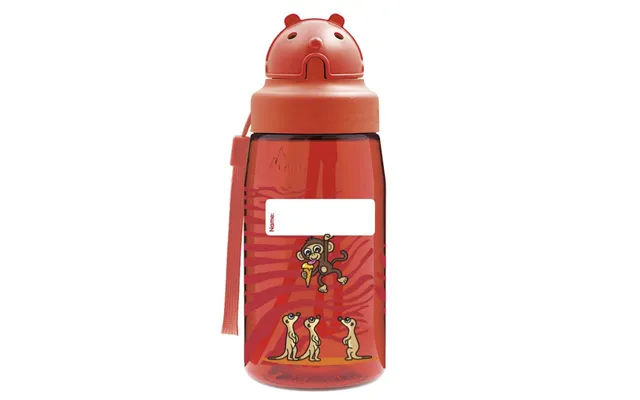
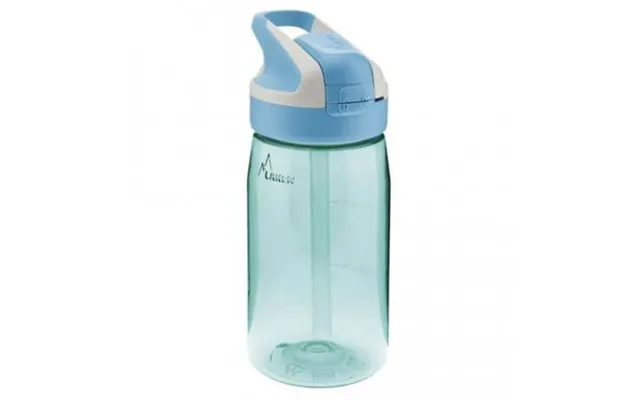
| Tritan Container Oby - Chupi | £ 14,50 | |
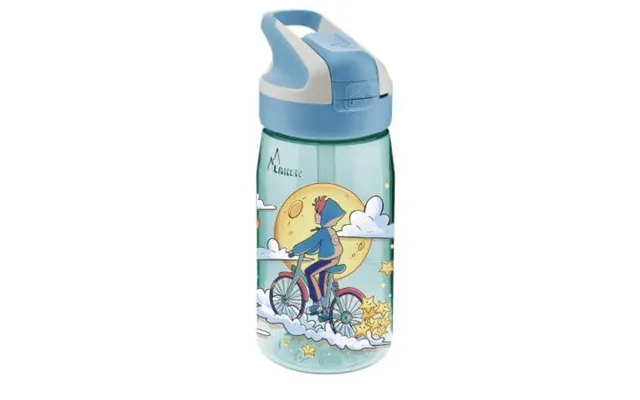
| Summit Tritan Container - To The Moon | £ 17,- | |
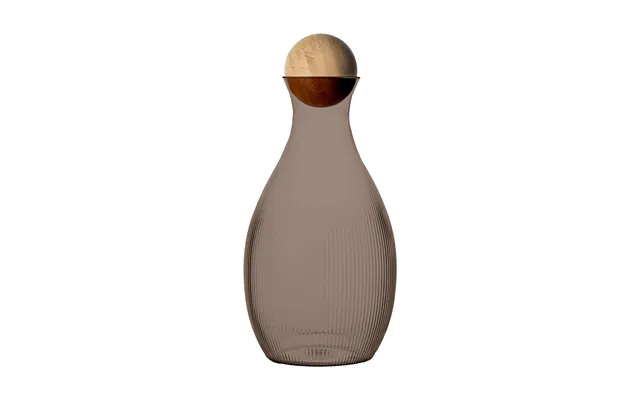
| Sagaform Billi Carafe 1,4 L Brown | £ 23,- | |
| Hay - Indian Steel Pitcher X-large Stainless Steel | £ 57,- |
