
Pinback Buttons price list
Last updated Monday, Sep 14, 2026
| Pinback Buttons | Price |
|---|---|
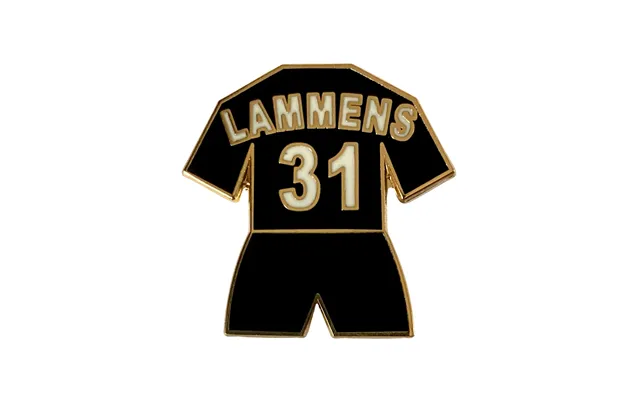
| Senne Lammens 31 Shirt Badge | £4.00 |
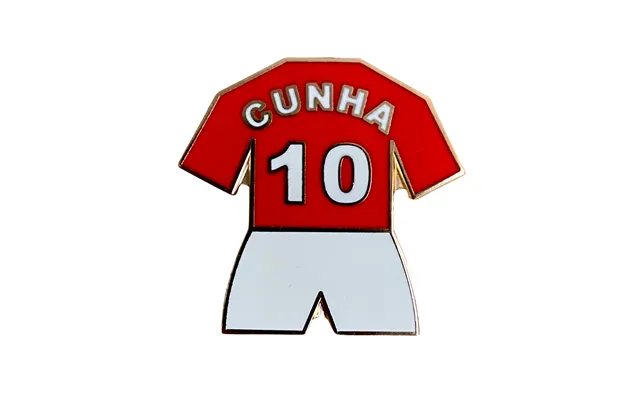
| Matheus Cunha 10 Shirt Badge | £4.00 |



Loading...
Last updated Monday, Sep 14, 2026
| Pinback Buttons | Price |
|---|---|
| Senne Lammens 31 Shirt Badge | £4.00 |
| Matheus Cunha 10 Shirt Badge | £4.00 |
Pinback buttons have quietly slipped back into the spotlight, and for good reason. They’re small, cheap, and carry personality—like a tiny billboard pinned to your lapel or backpack. Whether you’re into vintage looks, band merch, brand promotions, or subtle political statements, a pinback button is a simple way to personalize your outfit. They’re the fashion equivalent of a signature scent: unobtrusive, memorable, and oddly revealing. Want to stand out without shouting? A few carefully chosen buttons can do that more effectively than an over-the-top jacket.
Not all pinback buttons are created equal. Materials, finishes, and backing mechanisms vary, and the differences matter when it comes to how they look and how long they last. Choosing the right type depends on where you’ll wear the button and what vibe you’re after—classic, edgy, or refined.
These are the bread-and-butter of the button world: metal shell, printed paper face, and a metal pin on the back. Sizes commonly range from 1" to 3" in diameter, making them versatile for jackets, hats, and bags. If you want durability and a classic glossy finish, metal pinback buttons are hard to beat. They’re ideal for everyday wear and for mass-production runs like event promos.
Enamel-style buttons and die-cut shapes offer a more premium look. These are often thicker, have richer color saturation, and can be cut into non-circular shapes—think skulls, logos, or minimal icons. Because of their craft-focused production, they typically cost more per piece but reward you with a higher-end feel that looks great on a blazer or backpack flap.
For the environmentally conscious dresser, there are eco options made from recycled metals and biodegradable paper faces. These maintain the same basic style as standard buttons but with a smaller footprint. If sustainability matters to you, look for suppliers that list recycled content or use water-based inks—small details that can add up when you’re buying in bulk.
Size influences both impact and comfort. The most common sizes are 1" (often used for subtle branding), 1.25", 1.5", 2.25", and 3" (a bold statement piece). A 1" button sits discreetly on a shirt pocket, while a 2.25" or 3" button is perfect for outerwear or tote bags. Think of size like volume control: a 1" button whispers, a 3" button shouts.
Price varies widely depending on size, material, and quantity. Here’s a practical price guide to give you a sense of what to budget for, whether you’re buying one for a collection or ordering in bulk for an event. Remember that ordering larger quantities almost always brings the unit price down.
Typical price ranges: 1" buttons often cost between £0.25 and £1.00 each; 1.25" designs fall in the £0.30 to £1.50 range; 1.5" buttons commonly sit around £0.40 to £2.00; 2.25" buttons are usually £0.60 to £3.00 each; and 3" buttons can range from £1.00 to £5.00 depending on finish and customization. Premium enamel or die-cut pieces can push higher, especially for smaller runs or more intricate artwork.
Worried buttons will look juvenile? Think again. The trick is placement and pairing. On a tailored blazer, a single tasteful button near the lapel buttonhole can read like a curated accent, much like a pocket square. On a denim jacket, cluster three to five buttons on one chest for a retro, rocker vibe. On a beanie or baseball cap, one well-placed button can be the finishing touch that turns a plain cap into a conversation starter.
For outerwear, larger buttons—2.25" to 3"—make the best statement because they’re visible from a distance. Place them above the pocket or near the collar to keep the look purposeful, not cluttered. If you’re wearing layers, remember the button will sit on the outermost fabric, so make sure the pin’s post is long enough to pierce the material comfortably without pulling or warping.
Shirts and bags call for smaller buttons. Use 1" or 1.25" sizes on shirt pockets or collars for a subtle pop. On backpacks and messenger bags, mix sizes and textures—combine a metal button with a soft fabric patch or woven label for depth. Buttons here add personality without compromising function, because they don’t interfere with zippers or fastenings.
If you like accessories, you’ll notice overlap between pinback buttons, lapel pins, enamel pins, and badges. Each has its strengths and use cases. Knowing the differences helps you choose the right piece for the right moment—business meeting, concert, or casual weekend.
Lapel pins tend to be smaller, more formal, and often metal with enamel or intricate metalwork. They’re typically used with suits and blazers where subtlety is key. While pinback buttons can mimic lapel pins stylistically, real lapel pins usually have sturdier backs like butterfly clasps and a cleaner, dressier finish.
These are in a different accessory lane—functional and formal. They don’t compete with buttons but can complement them. If you’re dressing up, opt for coordinated tones: a brushed metal tie clip with a subdued metal-finish button can create cohesion without looking like you tried too hard.
Shopping for buttons is part design, part logistics. Here are practical considerations to keep in mind so you don’t end up with pins that tear your shirt or fade after a wash. Look at the pin mechanism, fastening length, print quality, and edge finish. Pay close attention to how the button will be attached; a strong clasp matters if you plan to wear the button on heavier fabrics.
If you’re ordering for an event or promotional run, ask about minimum order quantities and proofing. Many suppliers offer sliding scale pricing: the unit price drops significantly at larger quantities. Also ask about turnaround times and whether they provide a digital proof. For custom art, submit high-resolution images sized to the final button in inches to avoid awkward cropping or blurry prints.
Buttons are low-maintenance, but a little care keeps them looking their best. Wipe glossy surfaces with a soft, slightly damp cloth, and avoid soaking or machine-washing buttons attached to clothing—remove them first. Store buttons flat in a dry place to prevent bending or scratching. For vintage or delicate pins, house them in small plastic sleeves or a shadow box to protect enamel and prints.
To build a complete accessory wardrobe, mix pinback buttons with a few well-chosen pieces: pocket squares for color, a quality watch for structure, and a leather belt for grounding. If you’re into pins, enamel pins, patches, and woven labels are natural companions. They allow you to layer textures and tell a more complex style story—like mixing spices in a recipe to get the flavor profile just right.
A quick rule of thumb: balance is everything. If a button is loud—bright colors, large size—keep other accessories quiet. If your outfit is minimalist, use multiple small buttons as the focal point. Think of your outfit like a playlist: one loud track is memorable, but two competing hits can clash. The same principle applies to accessories.
Because pinback buttons range from pocket-change trinkets to artisan collectibles, comparison shopping pays off. Comparison sites list multiple sellers, price ranges, and sometimes user reviews so you can weigh cost against quality. If you’re buying custom buttons, collect a few quotes and proof mockups—this helps you compare not just price, but value in terms of materials and turnaround.
Pinback buttons are a flexible, affordable way to personalize your look without committing to permanent changes. They’re great for collectors, event organizers, and anyone who wants to communicate identity or taste in a small, visible way. With a bit of thought about size, placement, and pairing, buttons can elevate everything from a worn-in denim jacket to a tailored blazer. Start small, experiment, and let your pins tell a story.
Whether you’re a longtime collector or a first-time buyer, pinback buttons offer huge style returns for a small investment. They’re a low-risk way to experiment with trends, show support for causes, or add a personal signature to everyday clothing. Pay attention to size and material, compare prices on reputable comparison sites, and don’t be afraid to mix and match with other accessories like lapel pins and pocket squares. In the world of men’s fashion accessories, buttons are proof that sometimes the smallest details make the biggest impact.