All categories
Business & Offices
Electronics & Media
Fashion & Accessories
Groceries & Essentials
Health & Personal Care
Home & Living
Kids & Family
Sports & Outdoors
Search in ZoneOffer

Loading...
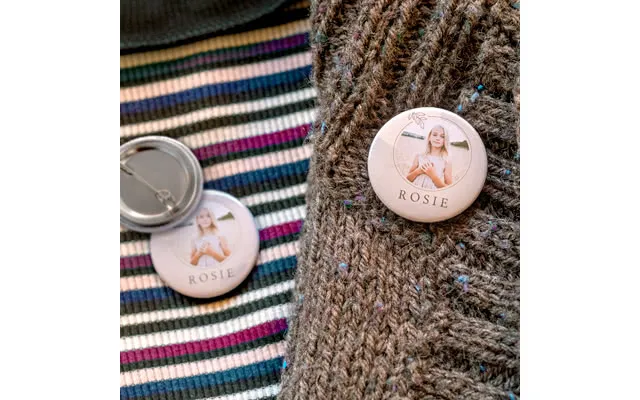
Remember the thrill of finding the perfect badge on a market stall or tucking a quirky button onto your favorite denim jacket? Pinback buttons are back, and they’re more versatile than ever. Whether you’re into retro vibes, political statements, band merch, or just a splash of personality, these small discs—typically 1 to 3 inches across—can transform an outfit in seconds. They’re affordable, collectible, and an easy way to personalize everything from backpacks to beanies. Think of them as wearable stickers that say, “this is me,” without shouting.
Not all buttons are created equal. From budget-friendly printed buttons to high-end enamel pieces, there’s a style for every taste and budget. Knowing the differences helps you choose buttons that last, look good, and suit the way you wear accessories.
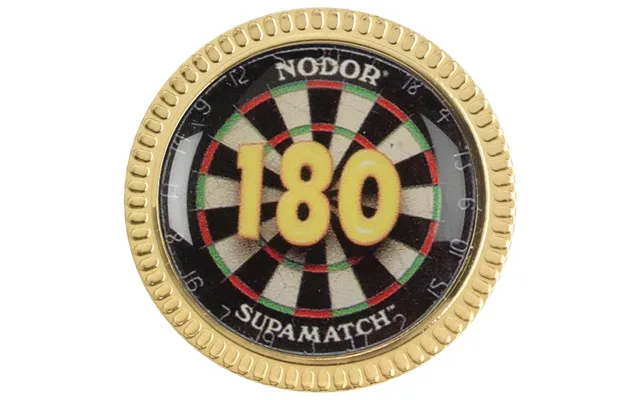
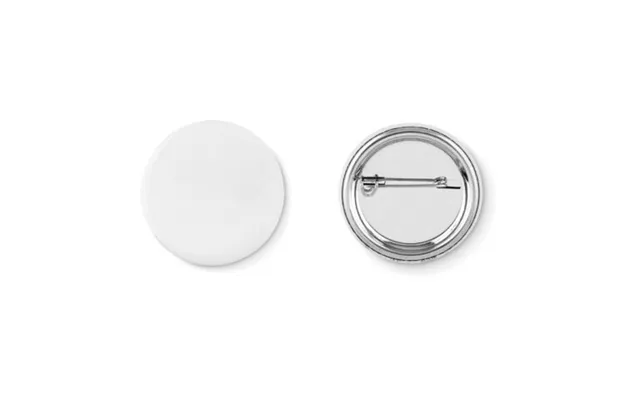
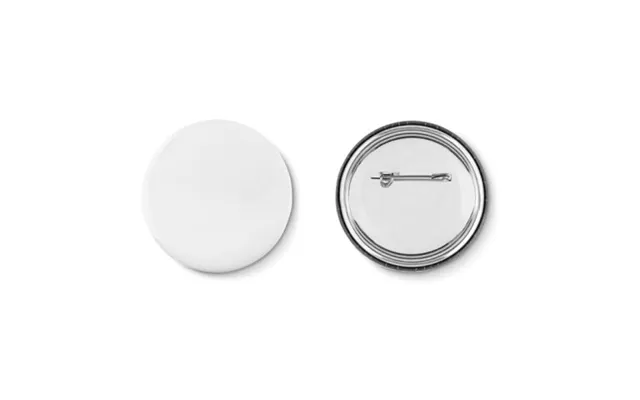
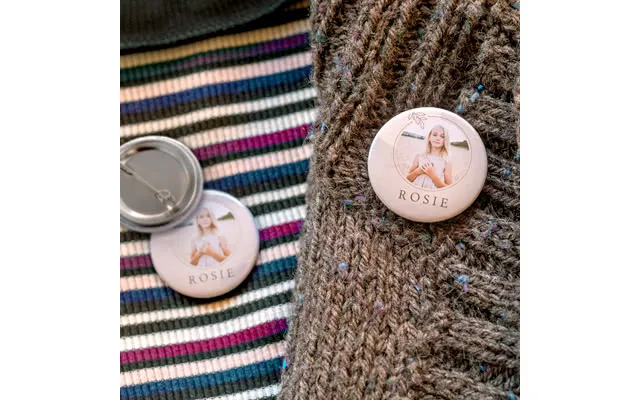
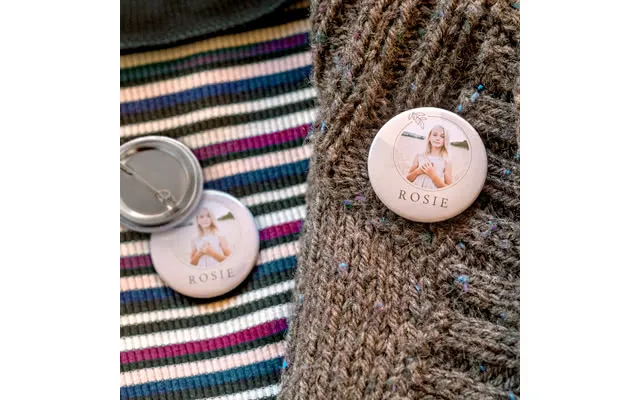
These are the ones most of us picture: a thin metal shell with a safety-pin-like backing. They often feature printed artwork under a protective mylar coating and are commonly made in sizes like 1.25 inches or 2.25 inches. They’re lightweight—often just a few tenths of an ounce—durable enough for everyday wear, and excellent for bulk runs like campaign badges or event giveaways.
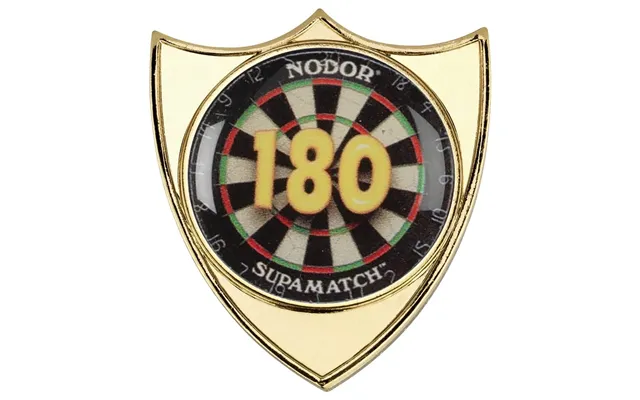
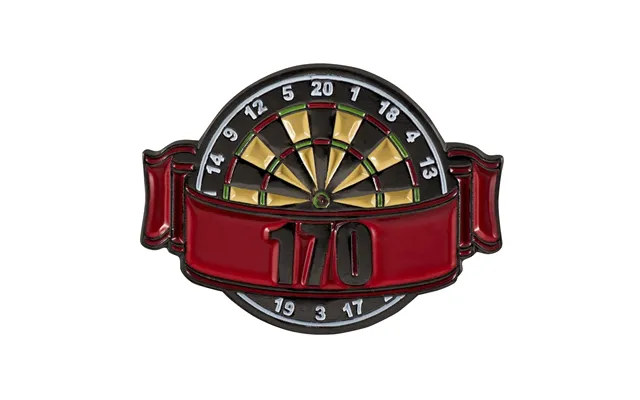
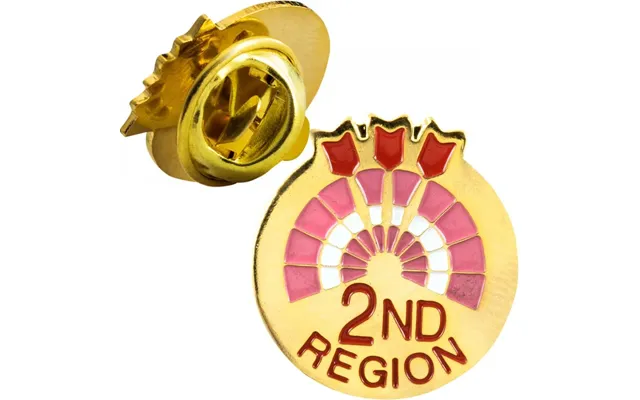
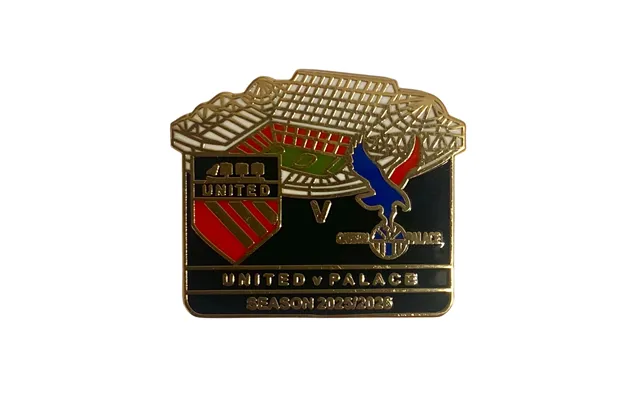
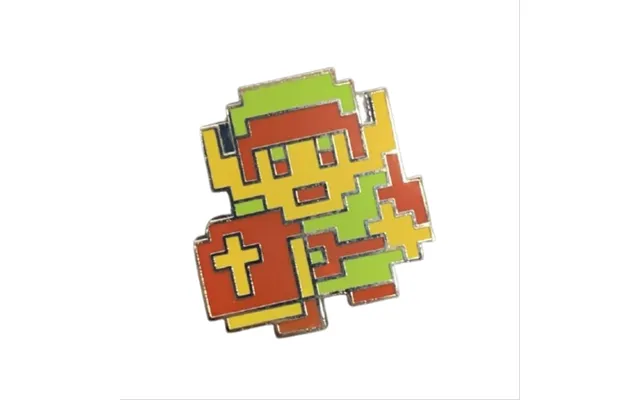
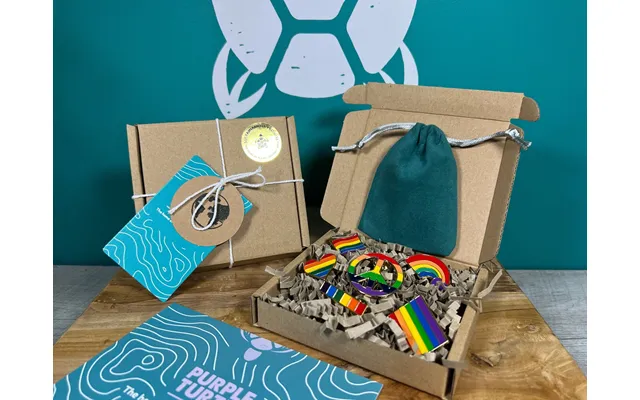
Enamel pins are the fashion-forward cousins of the classic button. They’re usually metal with colored enamel filled into recessed areas, giving a raised, glossy finish. These pins range from tiny 0.5-inch studs to statement pieces around 2 inches and often come with butterfly clutches or locking backs. Enamel pins are pricier but more collectible; they feel substantial in the hand and can last for years without fading or peeling.
If you want to avoid piercing fabric, magnetic backs are a smart workaround. Two magnets sandwich the cloth, holding the design in place. Sticker-back or adhesive buttons are another option for surfaces like notebooks, though they aren’t ideal for clothes. Magnetic versions are heavier—sometimes an ounce or two depending on magnet size—but they’re gentle on delicate fabrics and great for temporary displays.
Pinback buttons are small but mighty styling tools. They can be subtle or loud, coordinated or chaotic. The trend right now blends nostalgia with modern minimalism: think vintage logos paired with sleek, monochrome enamel pins. Want to create a coherent look? Pick a color story or theme—music, activism, or travel—and build from there.
Denim is a classic canvas for pins. Start with a cluster near the lapel or pocket, balancing sizes so a large 2.5-inch pin anchors the group while 1-inch pins fill the gaps. Leave some breathing room; a crowded cluster can look chaotic. On heavier coats, you can go bold—mix metal buttons with enamel pins and even small chains for a punk-rock effect.
Why limit yourself? Mix pins with patches, brooches, or sewn-on ribbon. Place a pin on a beanie, next to a scarf knot, or staggered across a tote bag strap. For jewelry lovers, try a small enamel pin on a lapel alongside a delicate necklace—contrast makes both pieces pop. The key is balance: pins add texture, so use them like a dash of spice, not the whole meal.
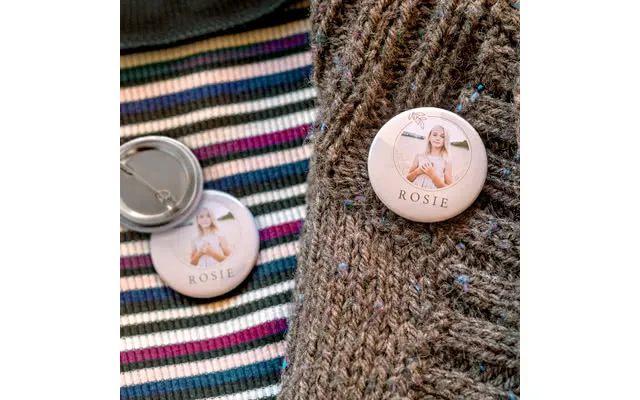
Custom buttons are a favorite for events, small businesses, bands, and creatives. They’re inexpensive to produce in bulk—often under a dollar apiece for basic printed buttons—and let you share a logo or slogan in a tangible way. You can opt for glossy coatings, matte finishes, or even holographic effects to stand out. Want a run of 100 buttons for a launch? Choose consistent sizing—1.25 inches is popular for giveaways, while 2.25 inches works well for promotional visibility.
Picking the right size and material affects both function and style. Do you want a subtle accent or a statement piece? Will the button sit on thin fabric or a heavy jacket? Answering those questions narrows your options quickly.
Pin sizes are almost always given in inches. Common sizes include 0.75 inch for delicate lapel accents, 1.25 inches for standard badges, 1.5 to 1.75 inches for school or team pins, and 2.25 to 3 inches for bold, visible statements. If you’re designing artwork, make sure it scales cleanly—fine details can disappear on a 0.75-inch pin but shine on a 2.25-inch piece.
Metal-backed buttons with mylar domes are light and low-cost, typically weighing less than 0.2 ounces for a 1.25-inch piece. Enamel pins are heavier—anywhere from 0.1 to 1 ounce depending on size and metal thickness—but they’re also more robust. If you plan to wear a bunch together, check total weight so the fabric doesn’t sag or the pins don’t pull through. For delicate garments, consider magnetic backs to reduce stress on the cloth.
Pinback buttons aren’t just for aesthetics. They’re practical tools for events, advocacy, and small-business marketing. Volunteers at a festival? Buttons distinguish teams. A political campaign? Buttons are a classic grassroots tool because they’re cheap to produce and easy to distribute. Retail brands use limited-edition buttons to reward loyalty, while artists sell small runs as affordable merch. In short: they’re tiny billboards you can wear.
You’ve got choices—online customizers, craft marketplaces, local print shops, and specialty pin makers. Online providers often offer competitive pricing for bulk orders and helpful mockup tools. Local shops may have higher per-piece costs but can be faster and allow you to inspect proofs in person. For collectors, boutique enamel makers offer higher quality and attention to detail, with prices that reflect the artisanal nature of the work.
Proper care keeps pins shiny and prevents loss. Clean metal pins with a soft cloth and mild soap if needed; avoid abrasive cleaners that scratch finishes. For enamel pins, a microfiber cloth removes fingerprints without dulling the sheen. Store pins on foam boards or in small compartments to prevent scratches—especially important if you collect multiple metal pieces. If a clutch loosens over time, replace it with a locking back to secure rare or expensive pieces.
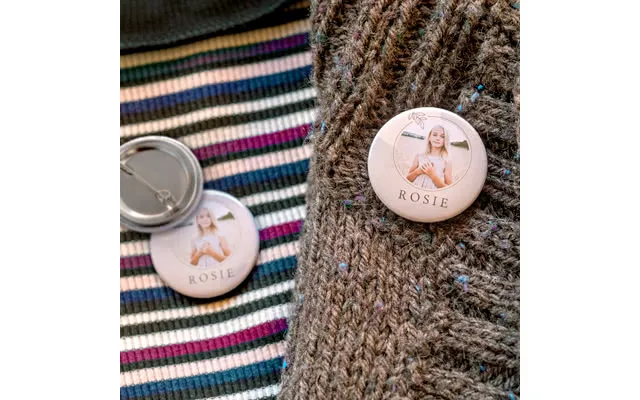
Feeling crafty? Button makers and kits are inexpensive and perfect for workshops or school projects. A basic tabletop press can produce hundreds of 1.25-inch buttons per hour once you get the hang of it. Kits usually include shells, pinbacks, mylar covers, and a circle cutter. If you’re making enamel-style pins at home, note that you’ll need metalworking tools and enamel supplies, which is a bigger investment but lets you create truly unique pieces.
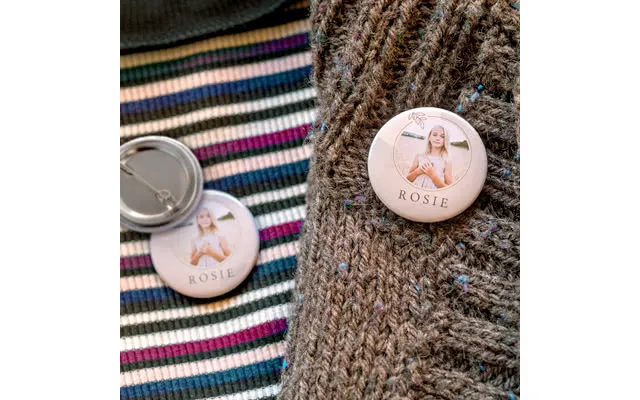
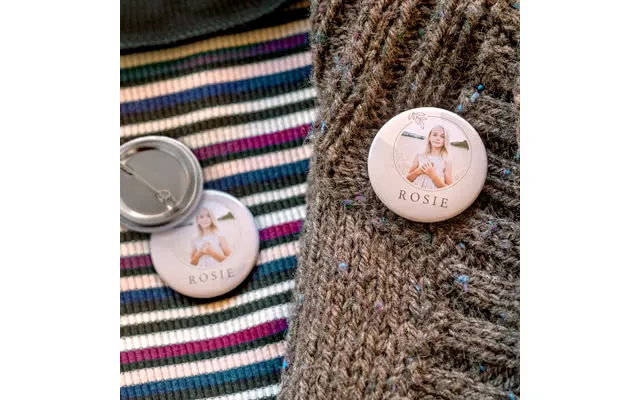
The best pin collections feel curated rather than random. Start with a theme—favorite bands, travel memories, or pop-culture icons—then choose a focal pin and build around it with smaller, complementary pieces. Mix textures: combine a glossy 2-inch button with a small matte enamel pin for contrast. Want a vintage vibe? Use muted colors and metal finishes that imitate age. For bold, modern looks, go high-contrast with black-and-white designs and metallic accents.
If sustainability matters to you, look for pins made with recycled metals or vegetable-based inks. Some manufacturers offer eco-friendly printing and packaging, reducing plastic use and waste. Enamel pins tend to be more durable—so they’re less likely to end up in the trash—while mass-produced plastic badges might not last as long. Ask suppliers about their materials and production practices if you want ethically sourced accessories.
Collecting pins can be rewarding, but like any hobby, it has pitfalls. Limited-edition runs and artist-signed enamel pins often retain value, while generic mass-produced badges generally don’t. Store rare pieces in anti-tarnish pouches and keep documentation like numbered certificates if available. If you plan to resell, track your purchase price and condition carefully—small scratches can affect value more than you’d expect.
Newcomers often pick pins that are too small for their design or use weak backs for heavy pieces. Another common mistake is overcrowding—too many pins in one spot can make the arrangement look messy and weigh down clothing. Start with a balanced layout, choose appropriate backing types for fabric weight, and consider mixing in magnetic options to protect delicate garments.
Pinback buttons are more than tiny discs of metal and plastic—they’re portable mood boards, mini billboards, and wearable memories. Whether you’re promoting a cause, accessorizing a wardrobe, or launching a merch line, there’s a button style to fit your aims and budget. Start small, experiment with placements and materials, and have fun curating a collection that truly reflects who you are.
| Pinback Buttons | Price | |
|---|---|---|
| Promotional Mirror Button Metal Matt Silver Branded With Your Logo | £ 0,23 | |
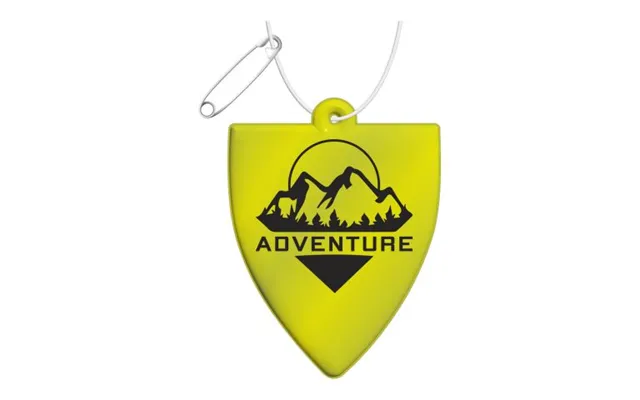
| Promotional Rfx Badge Reflective Tpu Hanger Neon Yellow Branded With Your Logo | £ 0,73 | |
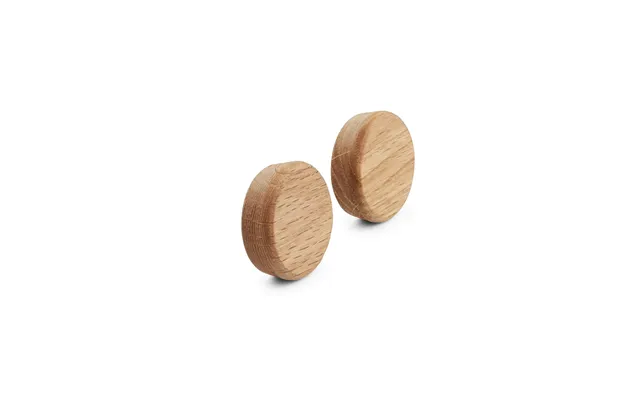
| Gejst Flex Button Knobs For Magnetic Strip 2-pack Oak | £ 9,80 | |
| Smartphoto Pin Badge Small - Set Of 12 | £ 13,99 | |
| Smartphoto Pin Badge Large - Set Of 12 | £ 17,99 |