All categories
Business & Offices
Electronics & Media
Fashion & Accessories
Groceries & Essentials
Health & Personal Care
Home & Living
Kids & Family
Sports & Outdoors
Search in ZoneOffer

Loading...
Everyone talks about “buy less, buy better,” and when it comes to men's suits that phrase couldn't be more true. A well-made suit isn't just fabric stitched together — it's an investment in confidence, professionalism, and versatility. Think of a premium suit like a classic watch: you may pay more upfront, but it lasts longer, looks sharper, and works in more situations than a fast-fashion alternative. Whether you're dressing for business meetings, weddings, or nights out, a quality suit holds its shape, breathes better, and drapes more flatteringly over your frame. Over time, the cost per wear drops dramatically, especially if you rotate pieces, get proper tailoring, and care for the garment. If you've ever noticed how a perfectly fitted jacket can change your posture and presence, you already know why a premium suit repays its price in looks and durability.
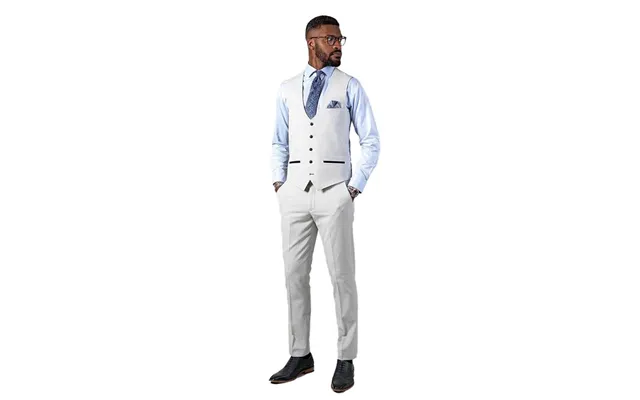
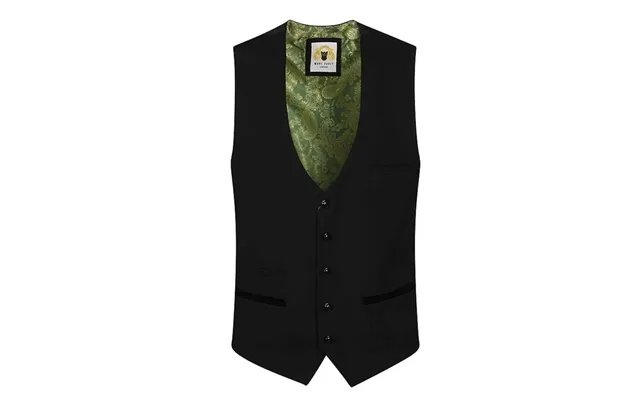
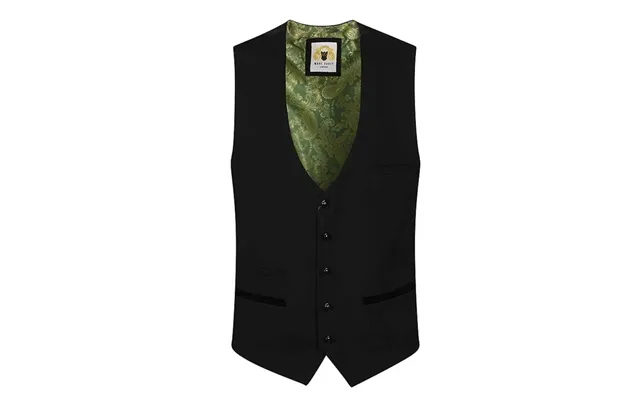
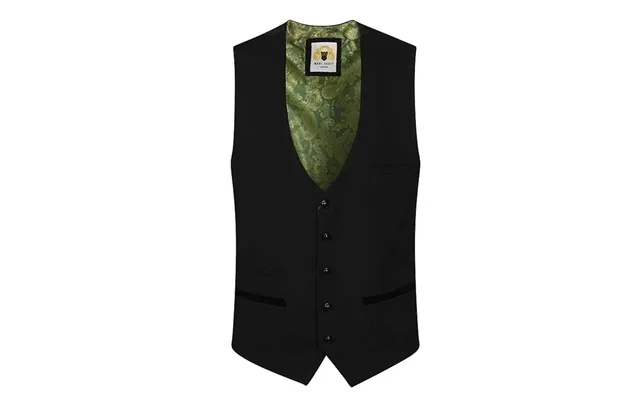
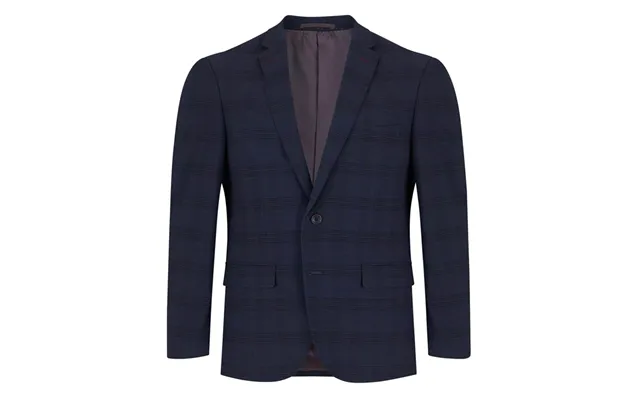
Think of a premium suit as the foundation of many outfits. A navy or charcoal suit can split into separates: jacket with jeans, trousers with knitwear, waistcoat under a sport coat — the possibilities are many. This flexibility turns one purchase into a dozen stylish looks, saving you money and closet space in the long run. Fabrics like 100% wool or wool blends maintain their weave and resist pilling, so the suit looks newer for longer. Add simple swaps like different ties, pocket squares, or shoes, and you have tailored outfits for everything from interviews to weekend dinners. Buying better reduces the need for frequent replacement, which is eco-friendlier and easier on the wallet over time.
Choosing a style comes down to personal taste and the image you want to project. Classic suits favor structured shoulders, a slightly longer jacket, and more room through the chest and waist, giving a timeless silhouette that works in formal and conservative environments. Modern or slim-fit suits trim those lines: narrower shoulders, tapered waist, and shorter jackets for a sleeker, contemporary profile. Neither is objectively better — classic suits can be modernized with slimmer trousers, and slim suits can be relaxed with softer tailoring. Consider your body type: a taller person might prefer classic lengths, while someone shorter often benefits from a slightly cropped jacket to elongate the legs. Ultimately, think of style like a language: speak the one that suits your lifestyle and face-to-face interactions.
Single-breasted jackets are the everyday workhorses: versatile, easy to layer, and suitable for most occasions. They typically have one to three buttons and flatter many body shapes. Double-breasted jackets make a stronger fashion statement — they can look more formal and authoritative with overlapping front panels and a structured chest. Choose double-breasted when you want to stand out at events or adopt a vintage-inspired aesthetic. Keep in mind that double-breasted jackets usually fit closer to the torso, so precise measurements and tailoring are more important.
Fit is the non-negotiable when it comes to suits. A great fabric only looks excellent when it fits well. The jacket should sit comfortably across the shoulders without pulling; the seam should align with your natural shoulder line. Sleeve length typically ends where the thumb meets the wrist, showing about 1/4 to 1/2 inch of shirt cuff — a small detail that conveys polish. Trouser length depends on the look: go for a no-break or slight-break for a modern feel, or a fuller break for traditional formality. Tailoring can transform an off-the-rack suit — small adjustments to the waist, sleeves, and trouser hem can make an instant difference. Even spending a modest amount at a local tailor can turn a good suit into a great one.
When getting measured, always use inches for consistency. Key measurements include chest (around the fullest part of the ribcage), waist (at your natural waistline), sleeve length (from shoulder seam to wrist in inches), and inseam (from crotch to hem for trousers). For chest, common ranges might be 38", 40", 42" and so on; know yours and write it down. Also measure shoulder width and neck size for shirts — a well-fitting shirt complements a suit. If you're buying online, compare those measurements against the brand’s size chart in inches and allow for tailoring adjustments. When in doubt, choose a slightly larger size to tailor down rather than a tight fit that can’t be let out.
Fabric choice shapes comfort, drape, and how a suit performs throughout the year. Wool is the gold standard: it breathes, insulates, and resists wrinkles better than many alternatives. Lighter-weight wools work well year-round in milder climates, while heavier wool and flannel are perfect for colder months. Linen and cotton offer a relaxed summer alternative but crease more easily — linen suits have a lived-in, tropical look that’s perfect for outdoor events. Blends, like wool-polyester or wool-silk, can offer durability, sheen, or stretch at a lower price point. Consider the cloth weight measured in ounces per yard (for reference, lightweight summer wool often runs around 6–8 oz per yard), but remember this article uses imperial-lengths and common sense; try the suit on to feel how a fabric sits on you.
Wool: breathable, drapes well, resilient — great for formal and business suits. Cotton: casual and sturdy, but can hold creases. Linen: airy and comfortable in heat but wrinkles easily, giving a relaxed vibe. Blends: combine benefits (less wrinkle, more stretch) but may lack the full natural feel of pure fabrics. If you want a year-round wardrobe staple, a mid-weight worsted wool suit in navy or charcoal is the safest bet. For summer events, a lightweight linen or cotton suit in lighter colors immediately signals seasonal appropriateness. Remember that fabric choice also affects care: pure wool often needs less frequent washing, while linen may require more pressing to keep it looking crisp.
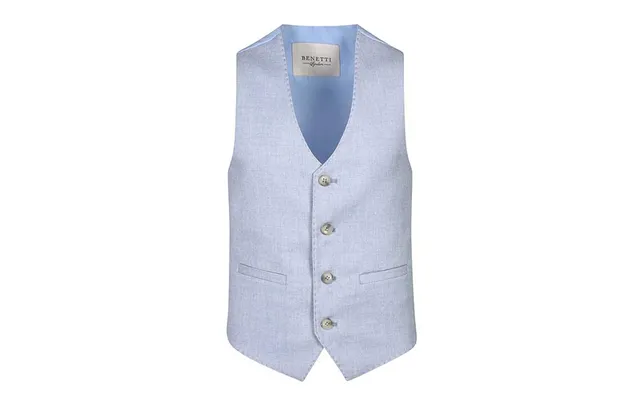
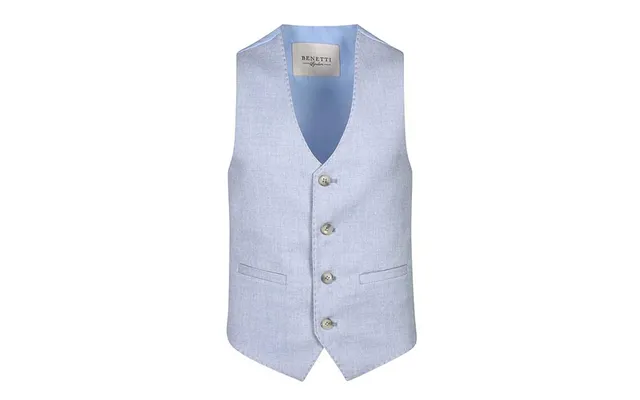
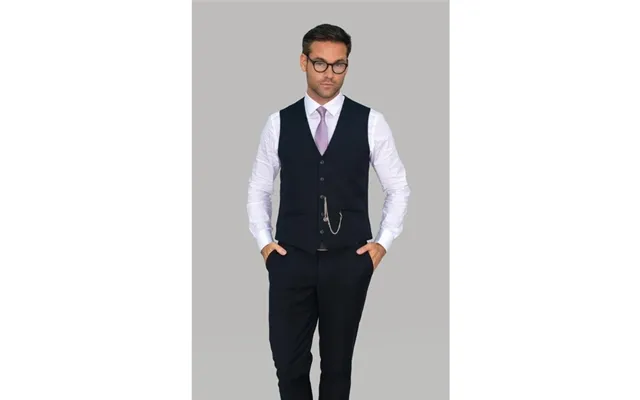
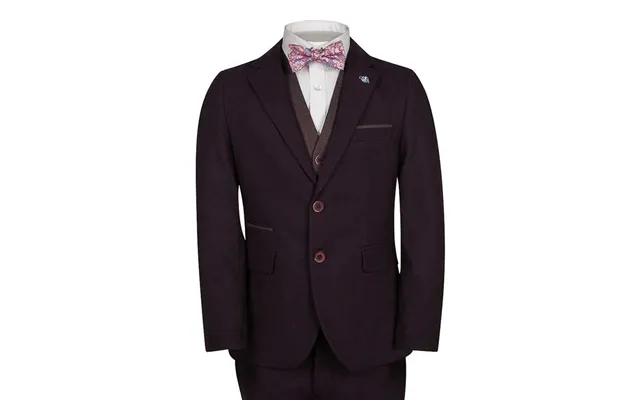
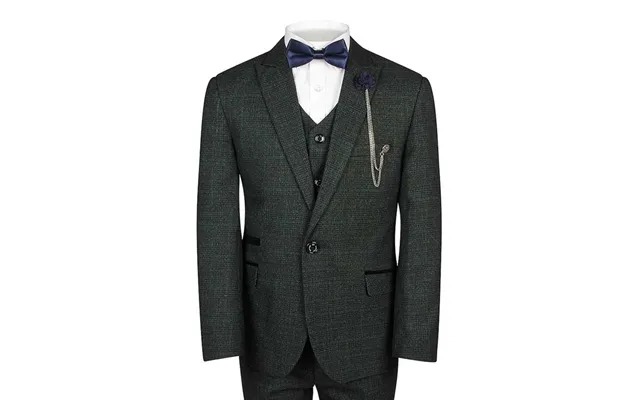
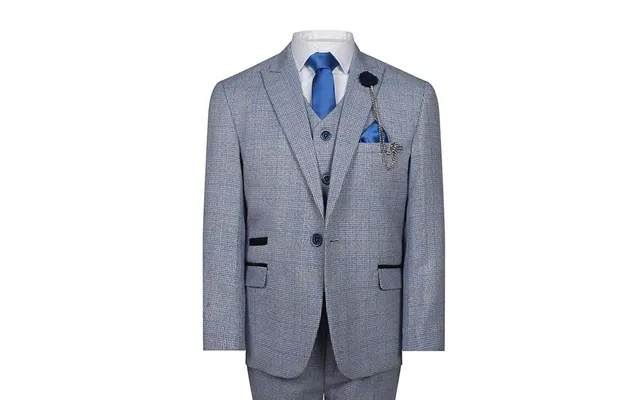
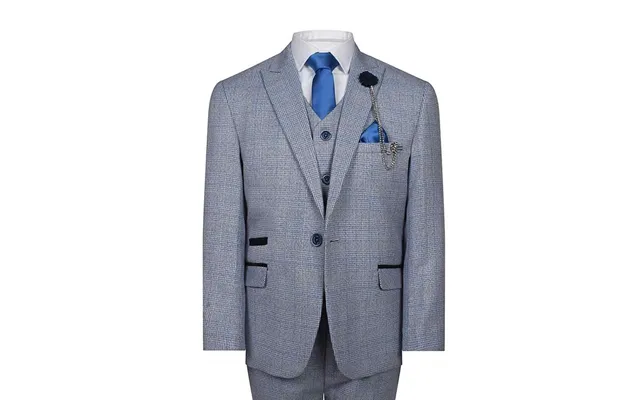
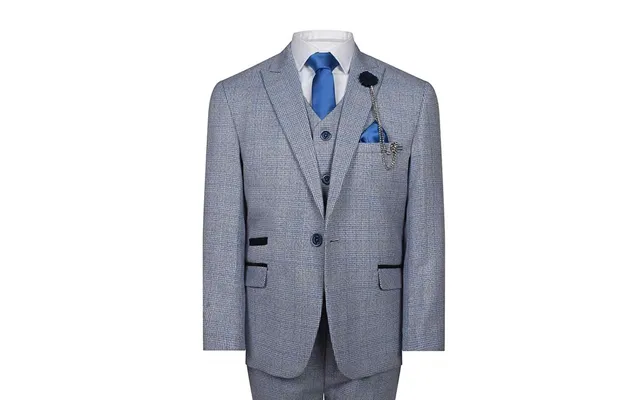
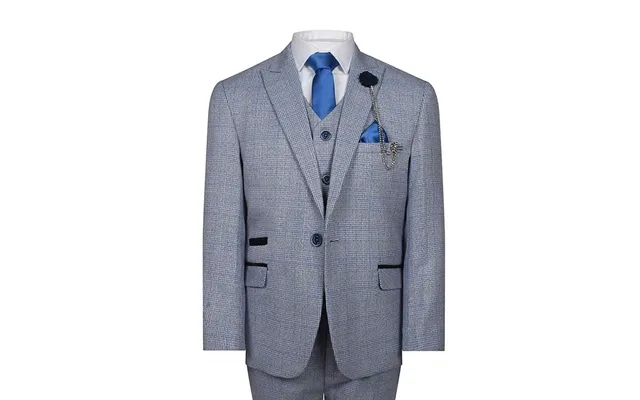
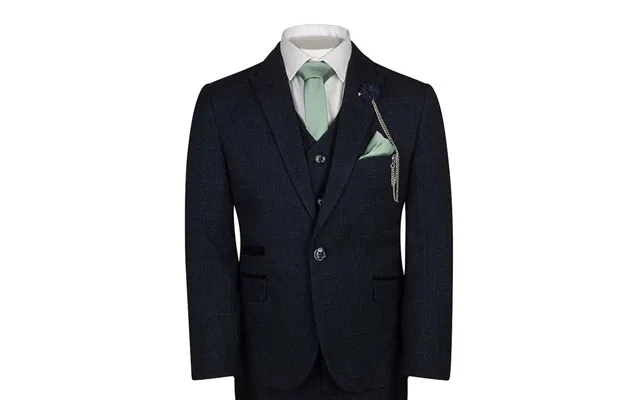
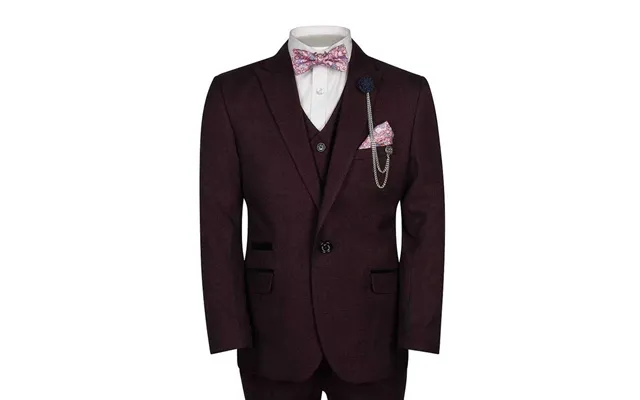
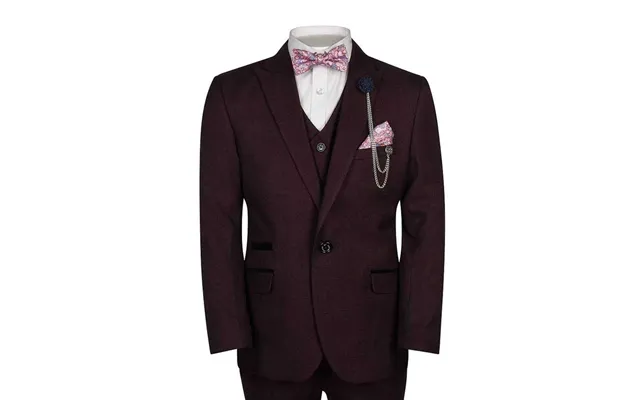
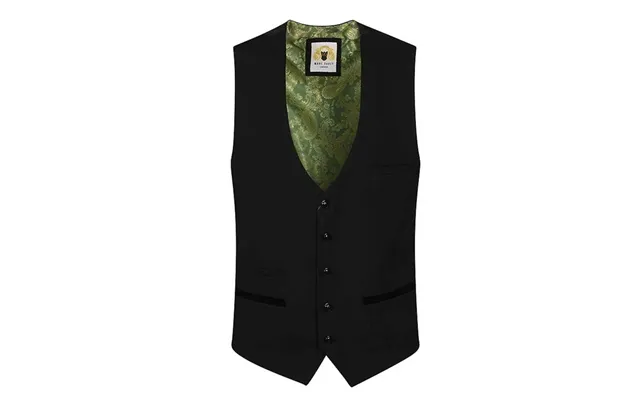
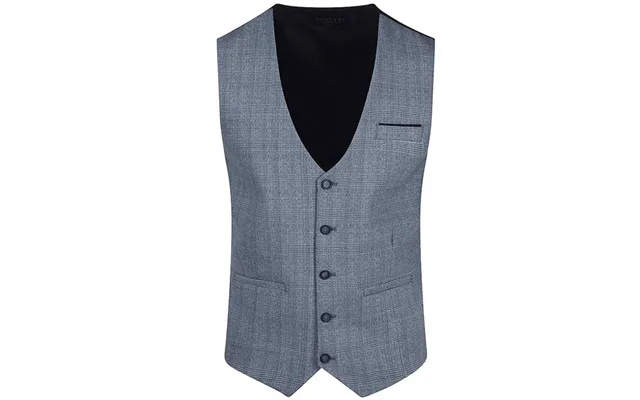
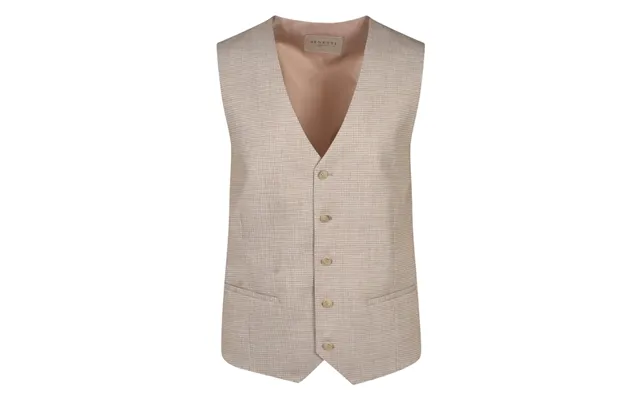
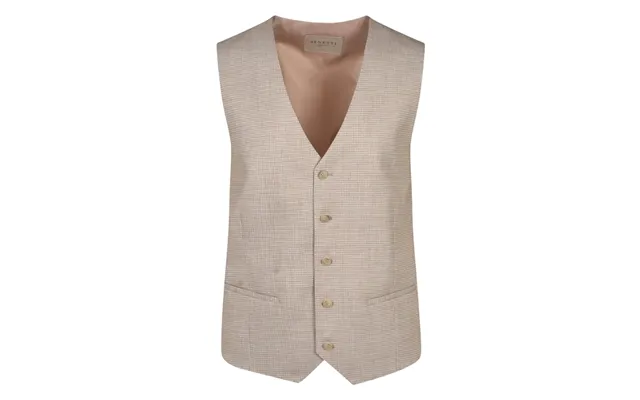
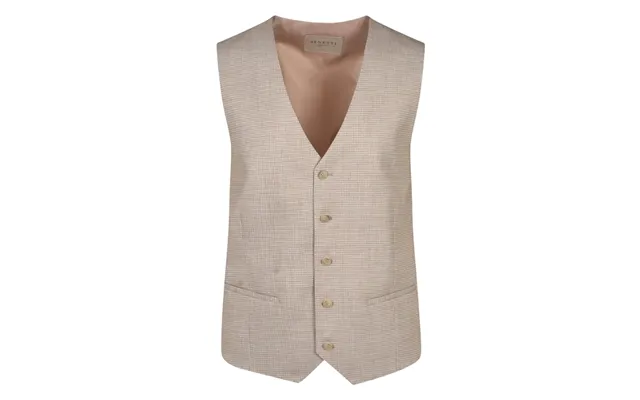
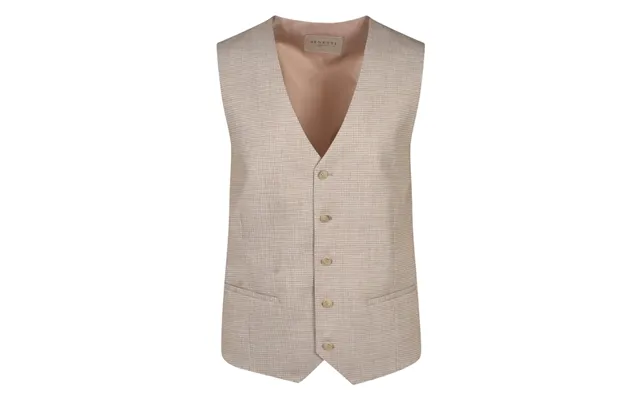
Different suits serve different social roles. A navy or charcoal two-piece suit is your everyday business option — reliable, adaptable, and easy to accessorize. A three-piece suit (jacket, trousers, waistcoat) elevates formality and is excellent for weddings, award nights, or important presentations. Tuxedos are reserved for black-tie events and demand classic accessories like a bow tie and patent leather shoes. Casual blazers pair well with chinos or dark jeans for business casual or smart-casual scenarios. If you're building a wardrobe, prioritize one versatile navy suit, one lighter suit for daytime events, and optionally a tux or dinner jacket for formal affairs. That triad covers most event types without overwhelming your closet.
For business: choose structured shoulders, neutral colors, and durable wool blends that hold up during travel. For weddings: coordinate with the event's dress code — a lighter grey or patterned suit can work beautifully for daytime ceremonies, while darker tones suit evening events. For casual: unstructured blazers in cotton or linen paired with chinos and loafers create a relaxed but intentional look. Accessories like a silk tie for formal affairs or a knit tie for business casual instantly change the suit’s tone. Pack a compact travel steamer or fold-proof garment bag when travelling to keep your suit crisp between events.
Finding a good offer on suits is part timing and part research. Comparison sites and curated lists can point you to seasonal sales, clearance items, and outlet pieces that would otherwise be hard to find. When comparing prices, look beyond the sticker: check fabric composition, construction (canvas vs fused), and whether tailoring is included or extra. A suit listed at a discount but made from low-quality fused fabric might look worse after a few wears than a slightly pricier canvas suit built to last. Also, compare total cost including alterations — a cheaper jacket that needs extensive tailoring can become more expensive overall. Keep an eye on end-of-season sales and sign up for alerts from reputable sellers to hear about flash offers.
Shopping online gives you access to wider selections and user reviews; in-store shopping offers touch-and-feel confidence and on-the-spot measurements. A hybrid approach often works best: shortlist brands and styles online, then try samples in-store to assess fabric and fit. Use comparison tools to scan offers across retailers, but always verify the product specifics — construction type, exact fabric, and available sizes. If you buy online, confirm the return policy before purchase (but note: this article won't cover return details) and measure in inches to match the retailer size charts precisely. Tailors and alteration shops can be a final stop to perfect the fit after purchase.
The devil’s in the details. A well-chosen tie, pocket square, and pair of shoes can transform a suit from good to memorable. For shoes, classic styles like oxfords, derbies, or loafers in black or brown are versatile; match the shoe color to the suit's formality and the belt. Cufflinks, a quality watch, and a textured tie add personality without overwhelming the outfit. For colder months, wool overcoats and cashmere scarves add luxury and warmth. Remember, accessories are like spices: a small pinch enhances the dish; too much can overpower it. Aim for balance and purpose when choosing finishing touches.
Proper care extends the life of your suit. Use wooden hangers with wide shoulders to preserve jacket shape and avoid wire hangers that deform the garment. Brush your suit after wear to remove surface dirt, and spot-clean minor stains quickly. Air suits between wears to let the fibers recover, and limit dry cleaning to avoid damaging delicate fabrics — many menswear experts recommend dry cleaning only a few times a year unless heavily soiled. A breathable garment bag protects against dust without trapping moisture, while cedar blocks repel moths and add a fresh scent. Little habits like these pay off in longevity and presentation.
There are lots of myths around suit sizes — like the idea that a suit should feel rigid or that one label fits all. Ignore those. Your suit should allow free movement without excess fabric. When trying on a jacket, button it and raise your arms; the jacket should move with you comfortably. If a jacket pulls at the buttons or causes wrinkling across the chest, it's too small. Trouser fit depends on desired style: flatter with a slimmer cut or comfortable with a straight leg. If buying off the shelf, always clip a tailor's card with your exact chest, waist, and inseam in inches so alterations are easier. And remember: a small tailoring investment can dramatically improve the look of even a modestly priced suit.
Alteration costs vary, but plan for basic adjustments: sleeves shortened can run from $15–$30, trouser hems from $10–$25, and waist adjustments $20–$50 depending on complexity. More involved work like re-cutting the jacket or taking in the shoulders will cost more. Even a standard budget for a couple of minor tweaks will make the suit look custom without breaking the bank. Factor this into your decision when comparing offers so you’re evaluating the true cost to get the suit fit you want.
Choosing the right suit is part practical decision, part personal expression. Focus on fit first, then fabric, then style. A mid-weight wool suit in a classic color will carry you through most occasions, while targeted pieces like linen suits or tuxedos fill specific needs. Use comparison tools and seasonal offers to find good value, but don’t cut corners on tailoring — small alterations make a big difference. Invest in care routines and quality accessories to maximise your suit’s lifespan and style impact. With the right choices, one well-selected suit can become the backbone of a smart, flexible wardrobe for years to come.

| £ 99,73 |