All categories
Business & Offices
Electronics & Media
Fashion & Accessories
Groceries & Essentials
Health & Personal Care
Home & Living
Kids & Family
Sports & Outdoors
Search in ZoneOffer

Loading...
Ever sit at a cluttered desk and feel your brain fog up like a rainy window? A good desk organizer clears that visual noise and lets your focus breathe. Think of an organizer as a small but mighty friend that keeps pens, papers, and gadgets in their lanes so you can get things done faster. Whether you work from a tiny apartment desk or a large home office, the right layout can shave minutes off routine tasks and add a touch of calm to your day.

If you want specific pieces that blend style and utility, there are a few eye-catching items making waves. The products below are mentioned in curated lists and are perfect if you’re after a tidy, Instagram-friendly workspace without sacrificing function.
The Rig-tig Your Tree Pot With Seeds in Blue Pine is a playful take on a desk planter that doubles as a tiny decor focal point. It’s ideal for small succulents or a mini herb cutting, and the included seeds mean you can start green with minimal fuss. On a desk, it acts like a soft visual anchor—put it near your monitor or on a stack of books to break up straight lines and add life to your workflow.
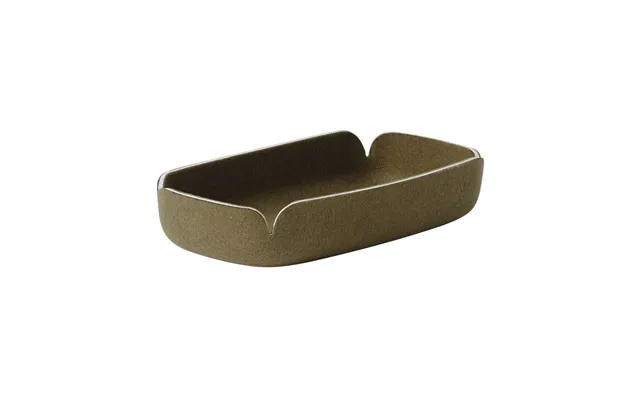
The Yellow Beech variant of the Rig-tig Tree Pot brings a warmer color palette to your desk. If your desk accessories skew toward wood tones or neutral shades, this pot creates contrast and visual interest. It’s compact enough to sit on a narrow shelf or beside a desk lamp and can be used as a multipurpose holder for paper clips, rubber bands, or loose sticky notes when you want green-free organization.
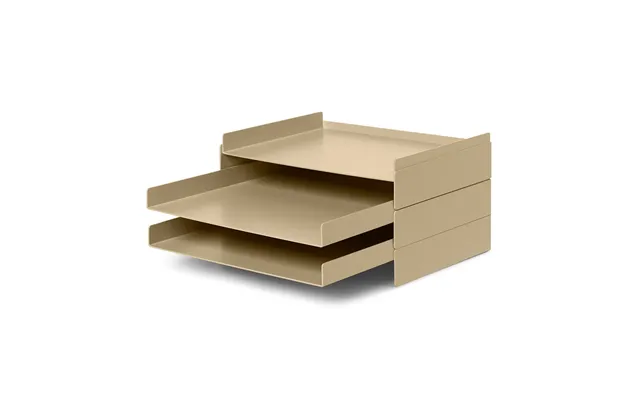
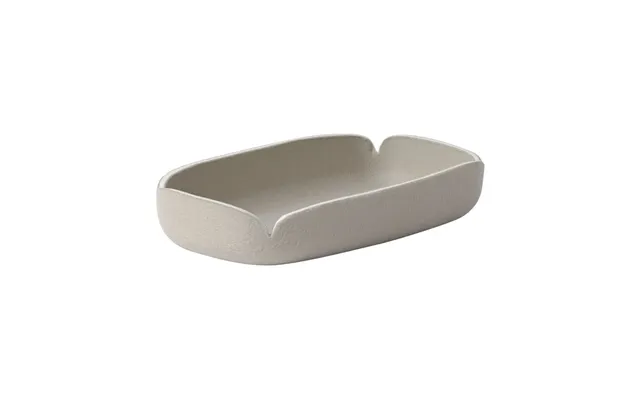
Ferm Living’s 2x2 Document Organiser in Cashmere is a sleek way to keep papers, folders, and incoming mail sorted. The “2x2” layout implies multiple compartments so you can separate documents by priority or project. Finished in a soft cashmere tone, it fits modern, Scandi, and minimalist schemes and is a great pick if you prefer papers visible but not piled on your desktop.
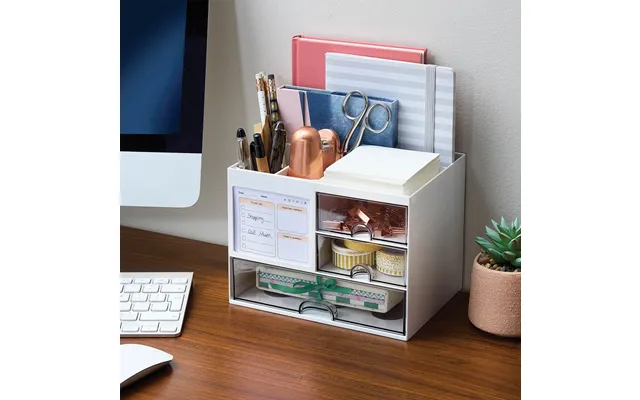
Desk organizers come in dozens of shapes, but categories help you match needs to solutions. The basic types include pen holders, document trays, drawer organizers, monitor risers with storage, cable management clips, and multi-compartment desk tidies. Knowing which style solves your pain point is half the battle.
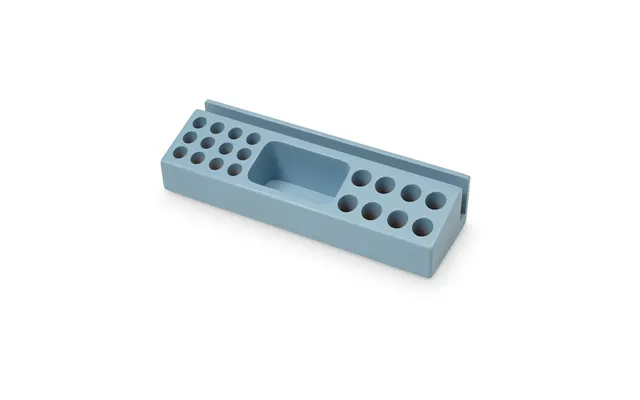
Pen holders are simple but essential. Aim for a cup that’s about 3 to 4 inches across and 4 to 6 inches tall so it holds a dozen pens without toppling. Metal mesh cups are breathable and light, while ceramic or wooden cups add a handcrafted feel. Use one for writing tools and a second, smaller cup for scissors or rulers to keep things easy to find.
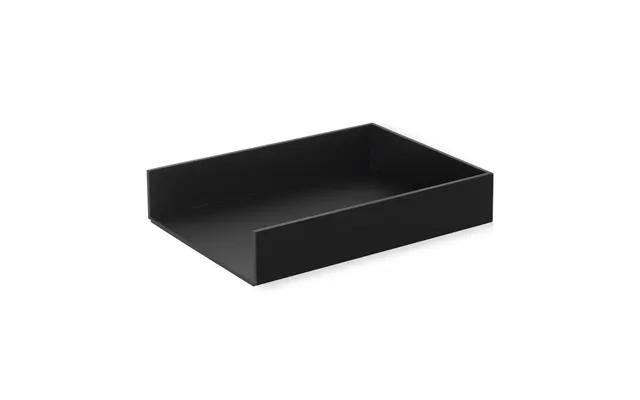
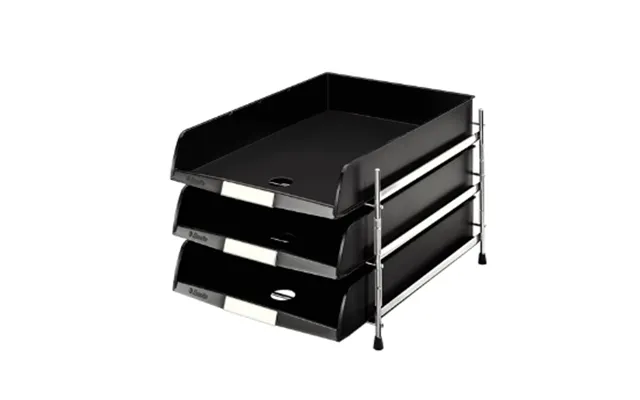
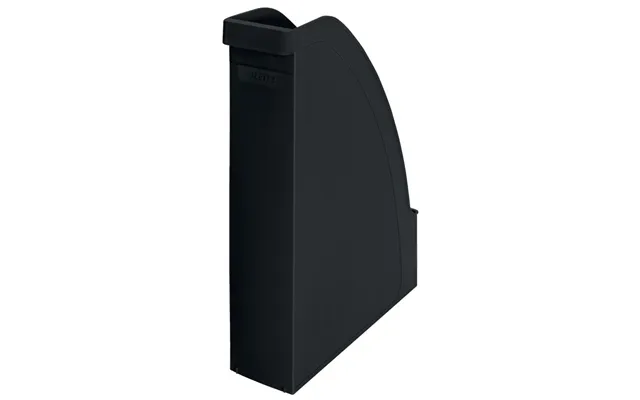
Document trays typically measure about 11 x 8.5 inches to fit letter-size paper horizontally; stackable trays help you sort “to do,” “in progress,” and “file.” Vertical file organisers, on the other hand, take up less desk footprint and allow you to separate binders, folders, and magazines in an upright orientation—great if you often reference papers while sitting at your desk.
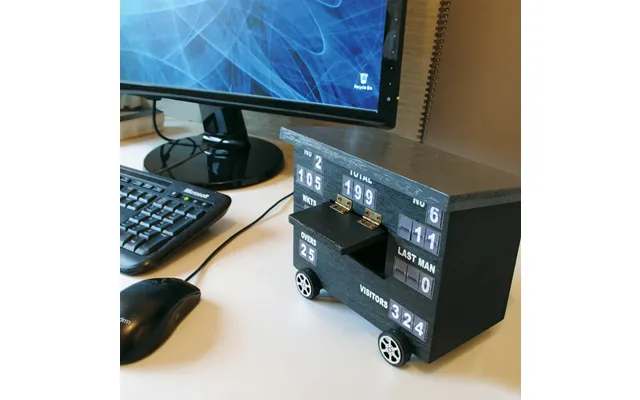
If you’re lucky enough to have a desk with drawers, compartment trays transform the inside into a toolbox. Look for modular inserts or ones sized to your drawer—2 to 3 inches deep is common for stationery. These keep small items like binder clips, sticky notes, and USB sticks from playing hide-and-seek under loose cables and receipts.


A monitor stand raises your screen to a more ergonomic height, usually around 4 to 7 inches, which helps reduce neck strain. Many risers include a drawer or open shelf underneath for keyboards, notebooks, or a slim storage box. This dual function is a space-saver: your desk gains surface area and storage simultaneously.
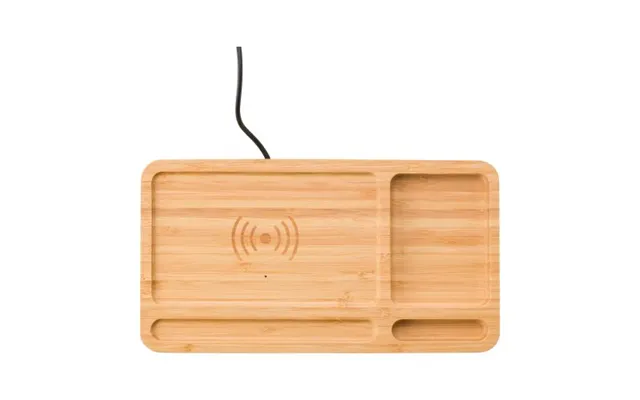
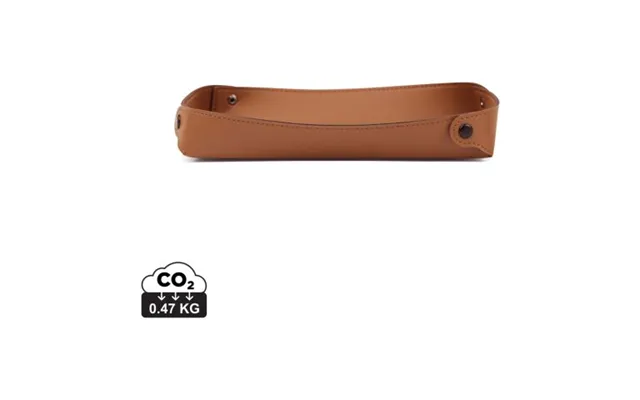
Material choice affects both looks and longevity. Metal mesh and steel are durable and fit industrial or modern decors, while wood and bamboo bring warmth. Acrylic offers a clear, minimalist vibe that visually lightens your desk, and leather or faux-leather trays add a premium touch. Consider surface maintenance—wood may need occasional polish, while acrylic benefits from a soft microfiber to avoid scratches.
Before you add anything to your desk, measure the available area in inches. Start with the total desk width and depth—note where cords enter, where your monitor sits, and where your keyboard lives. For example, if you have a 48-inch wide desk, reserving a 24-inch central workspace leaves 12 inches on each side for organizers. For monitor risers, check the monitor base and aim for a riser width that’s about 2 inches wider than the base for stability.
Here are some quick size guides to keep in mind: a document tray that holds letter paper should be roughly 12 x 10 inches, a pen holder around 3.5 inches across, and a small drawer organizer about 11 inches long to fit standard drawers. If you’re storing heavier items, look for solutions with solid bottoms or built-in reinforcements—these can support a few pounds without sagging.
Your desk organizer is part utility, part accessory. Want a cohesive look? Pick two finishes—say wood and brass—or maintain a single color theme like cashmere or muted blue. Layer items in odd numbers for visual appeal: one monitor riser, two small planters (like the Rig-tig pots), and three stacked trays create rhythm. Adding personal items—photos in 4 x 6 inch frames or a small clock—keeps the space yours without turning it into a collection.
Combining function with a bit of life is smart. The Rig-tig tree pots are a great example: they bring a pop of color and can function as a small caddy for loose items. A 4-inch pot or caddy can hold paper clips, earbuds, or a handful of pens while keeping your desk feeling fresh. Live plants also improve air quality and mood, so a planter that doubles as organization is a clever multitasker.
Not every desk needs designer pieces. A basic metal mesh pen cup and a plastic three-tier tray will do the job for under $20, while premium items like leather trays, solid wood organisers, or branded pieces from designers can run significantly more. Consider where you’ll notice the difference: premium materials often mean longer life and a feeling of luxury, but budget picks can be swapped easily if your needs change.
When comparing options, ask yourself a few quick questions: Is it the right size for my desk? Does it fit my workflow (pens, papers, gadgets)? Is it easy to clean? Does it match my decor? Small practical features like non-slip feet, removable compartments, and stackability can make a big difference in daily use. Also check weight capacity if you plan to store heavier tools or multiple books on a shelf or riser.
Different materials need different care. Wipe wood with a damp cloth and a dab of mild soap when needed, then dry immediately to avoid swelling. Acrylic benefits from a microfiber cloth and mild detergent; avoid abrasive cleaners that scratch. Metal mesh should be dusted regularly; a soft brush helps remove debris from holes. For leather or faux-leather trays, use a small amount of cleaner or conditioner—about 1 ounce when needed—to preserve suppleness.
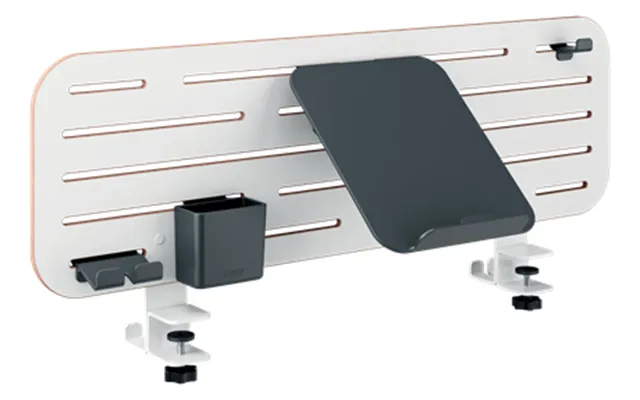
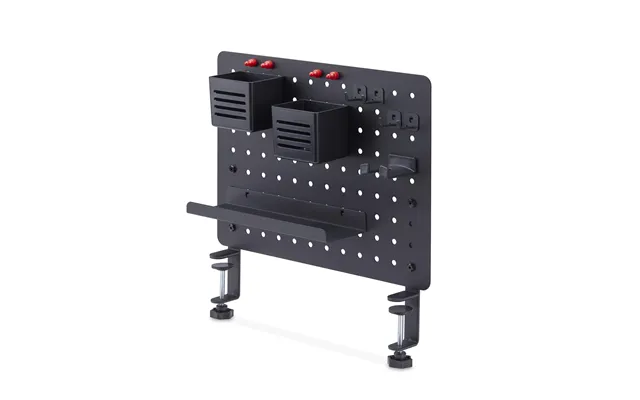
Short on desk real estate? Go vertical. Wall-mounted pockets, magnetic strips for scissors and keys, and vertical file organisers free up the desktop. Use under-monitor drawers to tuck away the keyboard at the end of the day—this clears roughly 15 to 20 inches of front-of-desk space. Another trick: place a slim rolling cart beside the desk to hold a printer or papers; it slides out of the way when not in use.
Think of your desk like a stage. Place your most-used tools—keyboard, mouse, a small pen cup—front and center. Secondary items like a document organiser or inbox tray should be within easy reach but slightly to the side. Less-used items such as a label maker or spare notebooks can live in drawers or on shelves. This layered approach creates clear zones and reduces the mental friction of switching tasks.
If you want the best value, comparison sites and review roundups make sense—they help you see price, specs, and consumer feedback side by side. Look at photos from real buyers to confirm size and finish, and check multiple listings to spot seasonal discounts. Remember that a higher price doesn’t always mean better fit; prioritise what you need, and you’ll find options that balance cost and quality.
Eco-conscious shoppers should look for bamboo, reclaimed wood, or recycled metal and plastic. These materials often have lower environmental footprints and can outlast cheap, single-use organizers. Buying a durable piece that lasts several years is one of the most sustainable choices: it avoids replacement cycles and reduces waste over time.
When you choose the right desk organizer, you’re not just buying a container—you’re buying a small upgrade to your daily routine. Measure first, think about what you use most, and select materials that match both your style and maintenance preferences. Whether you go for a practical 2x2 document organiser in cashmere tones or a playful plant pot that also holds paper clips, the goal is the same: less clutter, more clarity.
Conclusion: A neat, thoughtfully organized desk can change how you work. From compact planters that double as storage to sophisticated document organisers that tidy up paper chaos, the right mix of pieces tailored to your space and habits will make your desk a calmer, more productive place.

| £ 284,77 |