All categories

Business & Offices
Electronics & Media
Fashion & Accessories
Groceries & Essentials
Health & Personal Care
Home & Living
Kids & Family
Sports & Outdoors
Search in ZoneOffer

Loading...
Have you ever arrived at a meeting with papers folded, pens rolling around, and a tablet peeking out of a bag that’s seen better days? A good portfolio changes that first impression instantly. It’s more than a place to stash documents — it’s a compact command center that says you care about your work and how you present it. Whether you’re heading to an interview, a client pitch, or a creative review, the right padfolio keeps everything tidy, accessible, and professional.
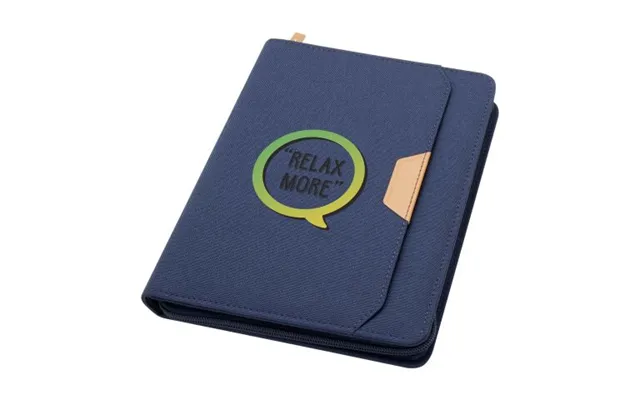
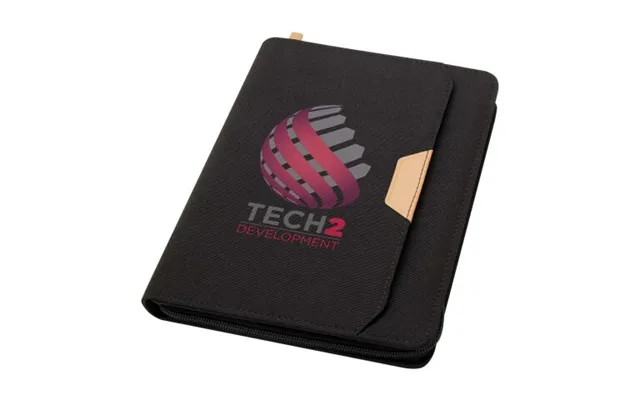
Materials can make or break a portfolio. Leather exudes professionalism and ages well, while faux leather gives you a similar look at a friendlier price. Nylon and canvas options are lighter and often more durable against scrapes and moisture. Look for strong stitching, reinforced corners, and quality zippers or snaps — these small details determine how long your portfolio will last.
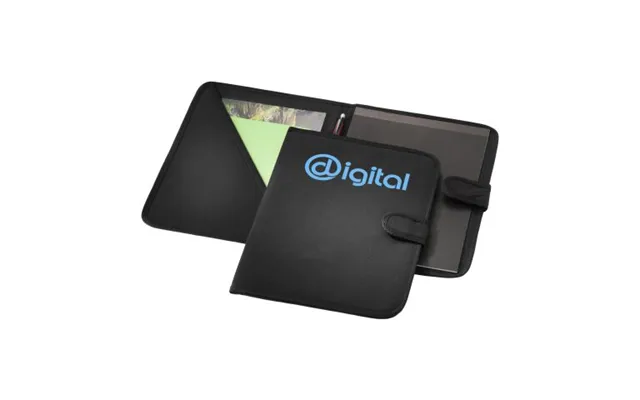
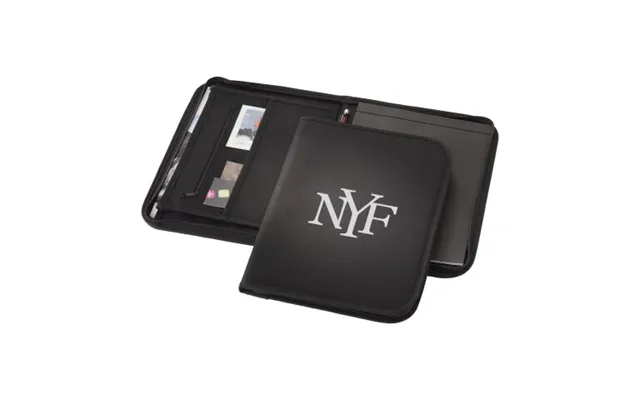
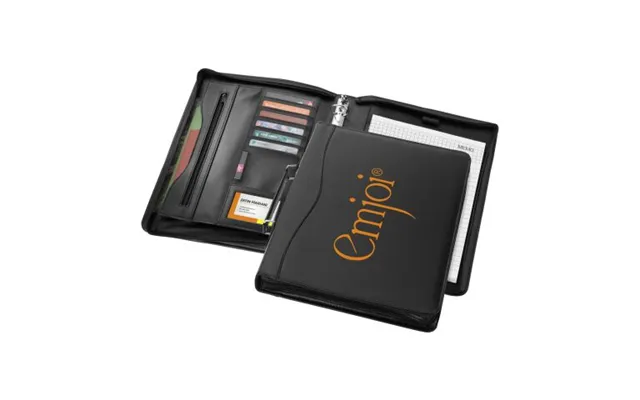
Think about how you use your documents daily. Do you need a slot for business cards, a compartment for a notepad, or a pocket for receipts and loose notes? The best portfolios strike a balance: a clear compartment for a legal pad (8.5 x 14 in) or letter pad (8.5 x 11 in), card slots, pen loops, and zippered pockets for loose items. Removable or modular inserts can be a bonus if you want to switch between meeting and presentation setups.
If you carry a tablet, phone, or confidential documents, security matters. Zippered padfolios keep everything inside, while portfolios with a flap or magnetic closure offer faster access but slightly less protection. For tech-conscious users, consider portfolios with RFID-blocking card slots to protect contactless cards and identity information.
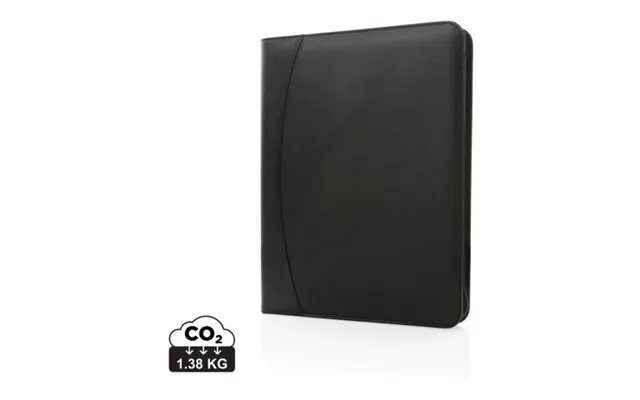
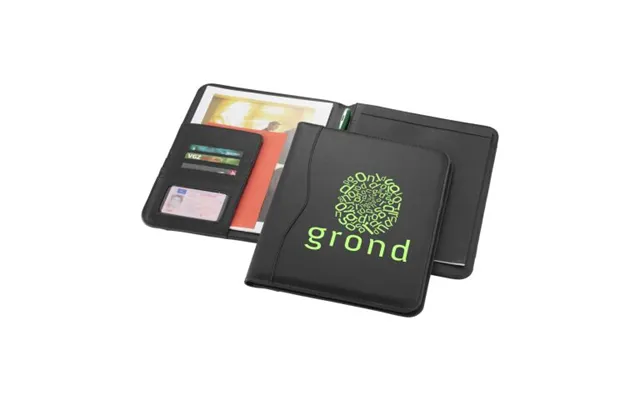
Classic and timeless, leather padfolios are a go-to for executives and professionals who want a polished look. They typically include a notepad holder, card slots, and a pen loop. Real leather develops a patina over time, giving it character; just be prepared for a higher upfront cost and occasional maintenance with leather conditioner.
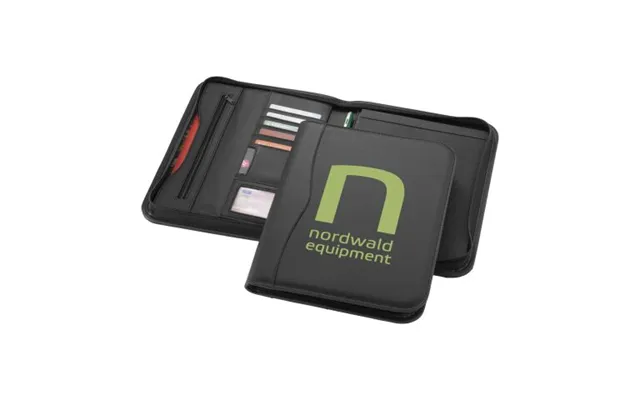
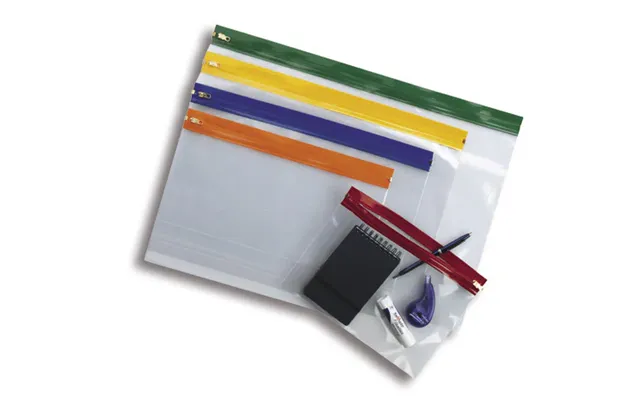
Zippered portfolios are like closing the lid on chaos. They fully encase your items, preventing papers from slipping out and keeping tech protected. These are ideal for travel or commuting and often include multiple compartments for chargers, cables, and portable drives. For frequent flyers, a zippered model that fits a 10-inch tablet or an 11-inch tablet is especially useful.
If you work with lots of forms, a ring binder portfolio can save time. These are perfect for training sessions, workshops, or managing projects where you want to rearrange pages frequently. Choose a model with durable rings and a reinforced spine if you plan to carry heavy inserts.
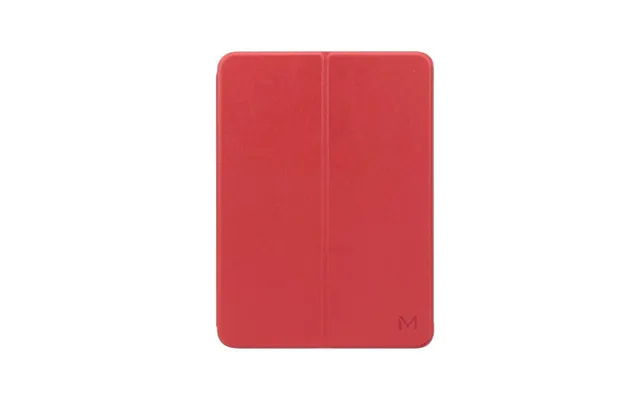
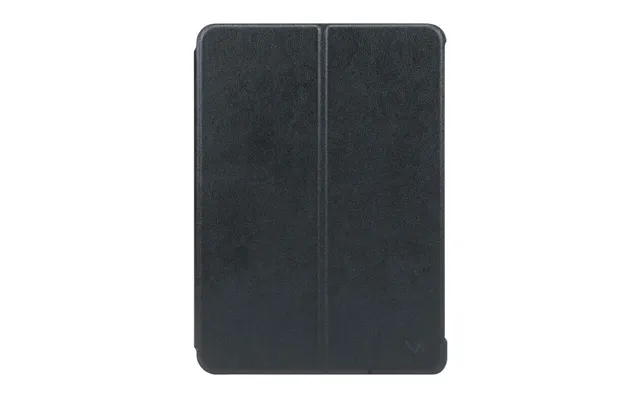
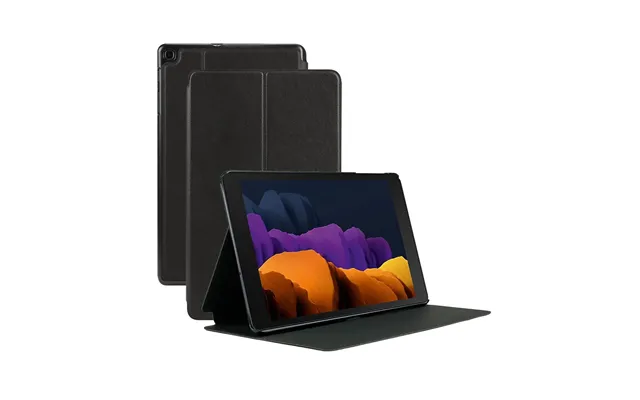
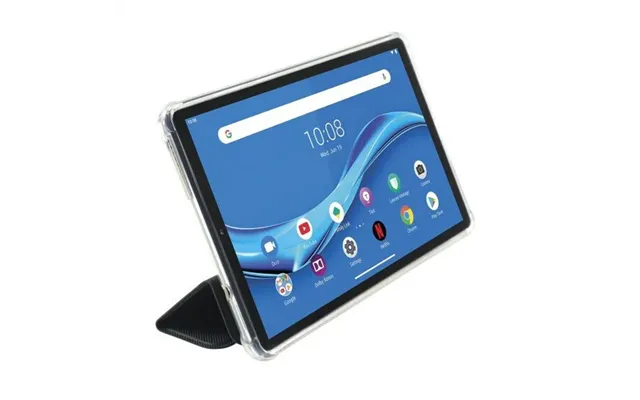
Want to combine your notepad with tech? Tablet-friendly portfolios include padded pockets or sleeves sized for common tablet dimensions — for example, sleeves for a 9.7-inch or 11-inch tablet — plus cutouts or flexible pockets for charging cables. They make it easy to switch between digital and handwritten notes without fumbling between devices.
Size matters. Most padfolios are built around standard paper sizes: letter (8.5 x 11 in) and legal (8.5 x 14 in). If you use letter pads, pick a portfolio that accepts 8.5 x 11 in pads and has a snug fit so pages don’t flop. Creative professionals often prefer larger portfolios to accommodate sketches, prints, or photographs; look for portfolio dimensions that allow at least a 0.5-inch margin around your documents to prevent creasing. And if you plan on carrying a tablet, check the internal pocket dimensions — a 10-inch tablet sleeve should be about 10.5 x 7.5 in to allow for a case and a bit of padding.
First impressions count, and your portfolio is part of that handshake. For interviews, a slim leather padfolio that holds a resume, a notepad, and a couple of business cards is perfect — it’s professional without feeling bulky. For client meetings, consider a portfolio with presentation features: a clear pocket for leave-behind materials, a pen loop, and a sturdy outer shell to keep prints pristine. Neutral colors like black, brown, or navy are safe bets, while a tasteful accent color can signal creativity.
Designers, photographers, and artists need space for larger, fragile pieces. Presentation portfolios with removable rings or padded sleeves protect prints and offer easy display options. Look for acid-free pockets and materials if you’re carrying photographic prints or archival materials. Some portfolios are designed to open flat and act like a mini presentation board — ideal when you want to spread materials out on a table and guide a viewer through your work like turning pages in a book.
Commuters have different needs than office-based professionals. If you’re on public transit or bike commuting, lightweight materials and a zippered closure can save the day. Check the weight of the portfolio itself — lighter nylon models can shave ounces off your bag while still protecting contents. For air travel, slim portfolios that slide into a carry-on or under-seat compartment are convenient. Also consider quick-access pockets for boarding passes and ID so security lines move faster.
Not every great portfolio needs to cost a fortune. Budget padfolios offer practical layouts, basic stitching, and faux leather finishes that look good for everyday use. They’re perfect for students or people who need something functional without a big investment. Premium options, on the other hand, bring superior materials, handcrafted details, and features like RFID protection or bespoke interior layouts. Ask yourself how often you’ll use it and whether you want a long-term companion — sometimes spending a bit more up front pays off in durability and style.
Organization is a habit, and a portfolio makes it easy to build that habit. Always keep a fresh resume or portfolio sheet in the front clear pocket, a notepad or tablet in the center, and business cards readily accessible. Use color-coded dividers or labeled pockets if you handle multiple clients or projects in one day. Keep a small pouch for tech essentials like a charger or flash drive, and reserve a zippered section for receipts and smaller loose items that could otherwise escape. Think of your portfolio like a cockpit: arrange controls so everything you need is within arm’s reach.
Little care goes a long way. For leather portfolios, use a leather cleaner and conditioner every few months to prevent drying and cracking. For fabric and nylon models, a gentle wipe with a damp cloth usually does the trick, and spot-clean stubborn marks with mild soap. Always unzip or unfasten before folding to avoid stressing seams, and store your portfolio flat or upright like a book — never stuffed into a cramped corner. If your portfolio gets wet, blot and air dry; avoid direct heat, which can warp materials.
Accessories can turn a good portfolio into a great one. Consider add-ons like refillable notepads, portable chargers that fit into a companion pocket, or magnetic business card holders. Pen loops are underrated; a solid pen that stays put keeps you from digging for a writing instrument in the middle of a meeting. Modular inserts let you convert a standard padfolio into a tech hub with cable organizers and pocket sleeves, so you’re adaptable for different roles and occasions.
If sustainability matters to you, look for portfolios made from recycled materials, vegetable-tanned leather, or certified sustainable fibers. Many brands now produce vegan leather alternatives that avoid animal products while still delivering a refined appearance. Buying fewer, better-quality pieces also reduces waste — a durable portfolio that lasts years is a greener choice than replacing cheap ones seasonally.
Before you buy, it’s smart to compare models side by side. Look for comparison tools that let you filter by size, material, and features so you can quickly narrow down options that fit your needs and budget. Read a range of reviews — professional write-ups often highlight build quality, while customer reviews reveal how the portfolio performs in real-life scenarios like commuting or travel. Pay attention to recurring positives or complaints; one-off remarks can be noise, but consistent feedback paints a clear picture.
Here’s a quick checklist before you hit "buy": confirm the internal dimensions match your paper and tablet size (letter 8.5 x 11 in or legal 8.5 x 14 in), check closure type (zipper vs magnetic), verify the number and type of pockets you need, ensure material quality is acceptable, and read user reviews for durability. If possible, test a portfolio in person to feel the weight, check zipper smoothness, and confirm the notepad sits flush. Buying right the first time saves hassle later.
Choosing the perfect portfolio is part logic, part style — think of it as a tiny mobile office that reflects who you are. Whether you want a sleek leather padfolio for interviews, a rugged zippered portfolio for travel, or a roomy presentation case for creative work, there’s a solution that will keep your documents safe and your image polished. With the right features and a little care, a portfolio can serve you for years and help you make better, more confident first impressions.
Conclusion: Investing in the right portfolio is a small decision with a big payoff. It organizes your life, protects your work, and elevates how you present yourself. Consider your daily routine, the documents and devices you carry, and pick a model that balances durability, functionality, and style. When chosen well, a portfolio becomes a reliable partner in your professional life.

| £ 66,82 |