All categories
Business & Offices
Electronics & Media
Fashion & Accessories
Groceries & Essentials
Health & Personal Care
Home & Living
Kids & Family
Sports & Outdoors
Search in ZoneOffer

Loading...
Have you ever started a drawing only to find your pencil dull and stubborn? A good pencil sharpener is the unsung hero of every artist's kit, classroom, and office drawer. It’s not just about a sharp point; it’s about consistency, speed, and preserving the life of your pencils. Choosing the right sharpener can feel like picking the perfect pair of shoes — it needs to fit your routine, support your work, and last through daily wear and tear.
Sharpener designs vary widely, so it helps to know what you need before you buy. Are you after a compact everyday tool or a heavy-duty machine for high-volume use? Below are the main types to consider so you can find a perfect match for your pencils and workflow.
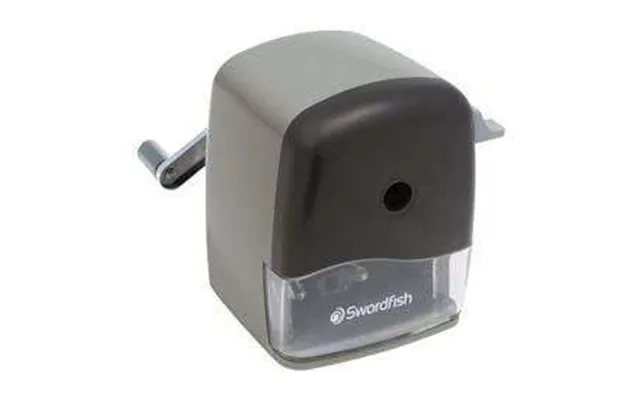
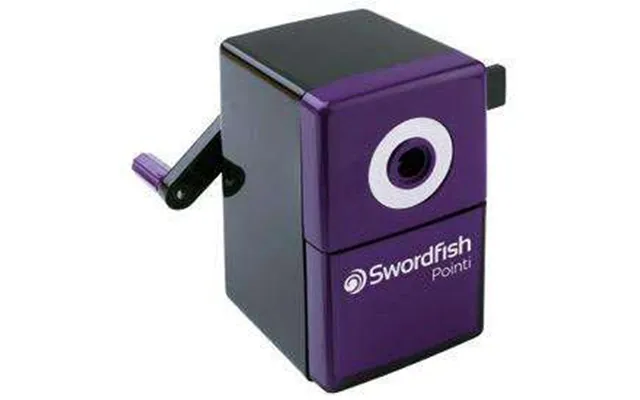
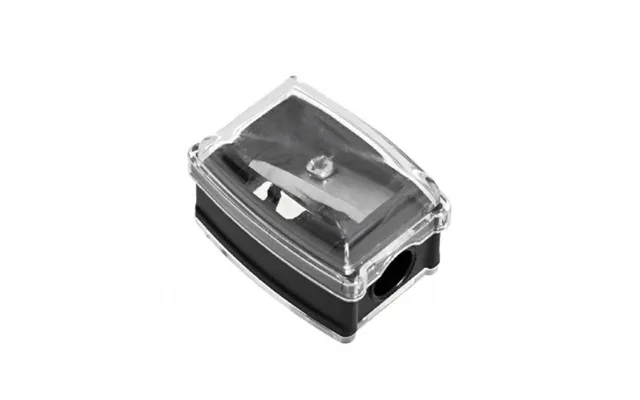
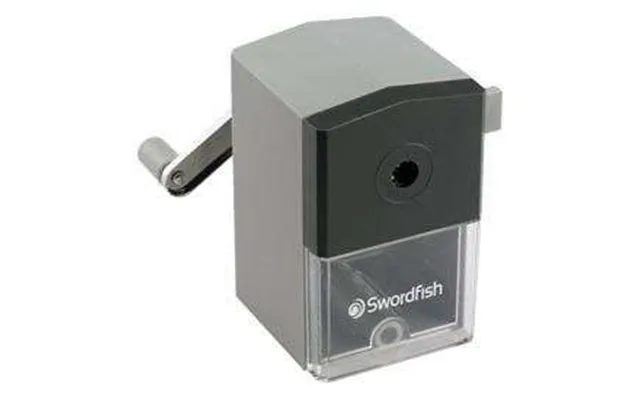
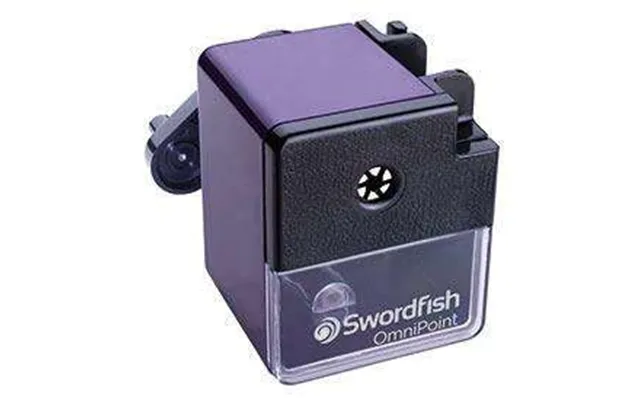
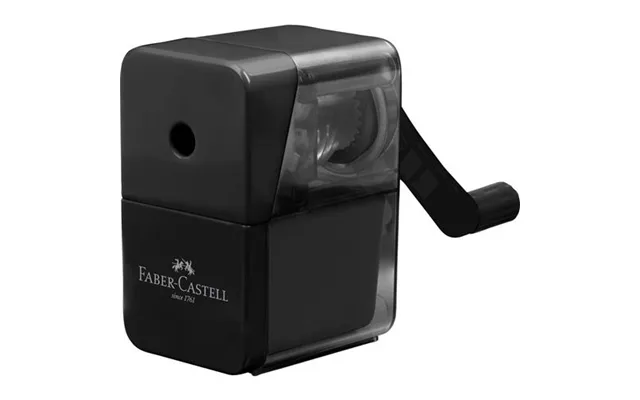
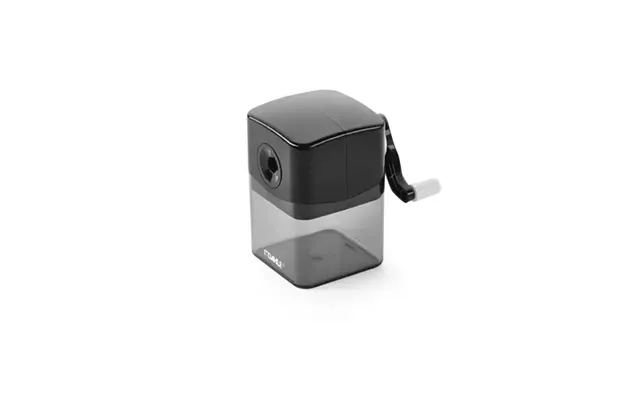
Manual sharpeners are simple, portable, and usually affordable. From tiny handheld models to crank-operated desk sharpeners, they are great for travel, quick touch-ups, and kids’ pencil cases. A quality hand sharpener with a hardened steel blade can give you clean results and minimal waste, and it won’t run on batteries or electricity — ideal for eco-conscious users.
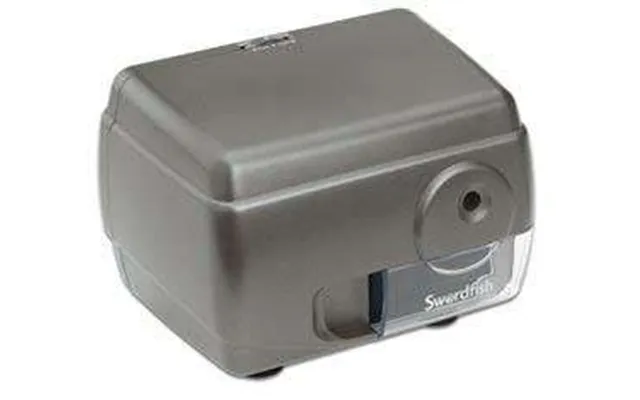
Electric sharpeners are perfect when you need speed and consistency. They’re commonly found in offices and art studios because they handle dozens of pencils without slowing down. Look for models with automatic shut-off to avoid over-sharpening, and choose units with replaceable blades so maintenance is easy. Some electric models are designed to be whisper-quiet, which is a huge bonus in shared spaces.
If you want the convenience of an electric sharpener but don’t have a plug nearby, battery-operated units offer a nice compromise. They’re lightweight and portable, making them suitable for trips or outdoor sketching. Keep an eye on battery type — AA batteries are common and easy to replace, but rechargeable units can save money and cut waste over time.
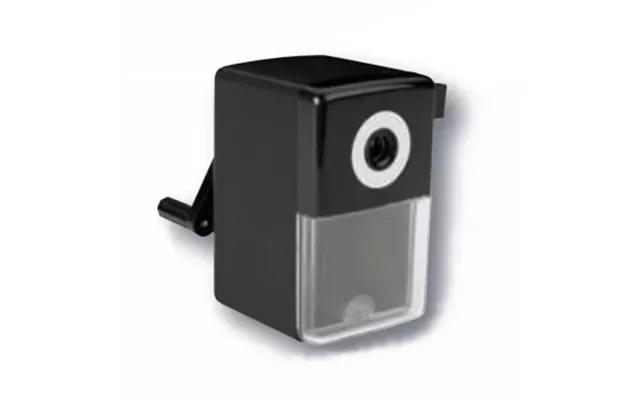
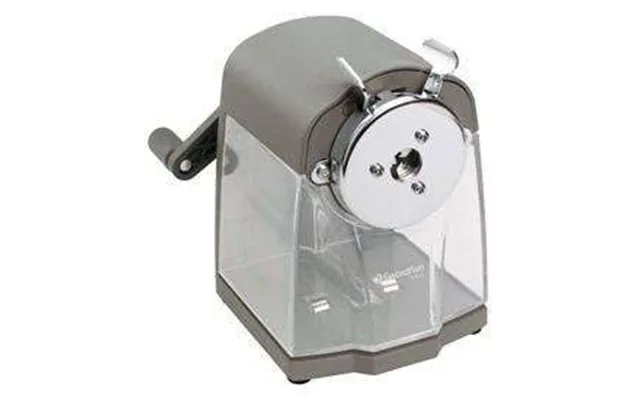
Think about how and where you use your sharpener. A handheld sharpener is like a pocketknife — small, handy, and always ready. Desktop sharpeners, on the other hand, are like a trusted blender in the kitchen: bulkier but built for frequent use and heavy-duty performance. If you’re sharpening many pencils every day, a stable desktop model with a good waste compartment will be more time-efficient.
Not all sharpeners are created equal. When shopping, focus on features that affect performance and longevity. Consider blade materials, sharpening angle, waste collection, and safety features. These details might seem minor now, but they’ll determine how your pencils perform and how often you’ll need replacements.
Blades come in hardened steel, stainless steel, and sometimes carbon steel. Hardened steel tends to hold an edge longer. The sharpening angle matters too: a steeper angle gives a stronger, stubby point ideal for writing, while a sharper angle gives a fine point preferred by artists for detailed work. Most standard sharpeners use a middle-ground angle that suits general use.
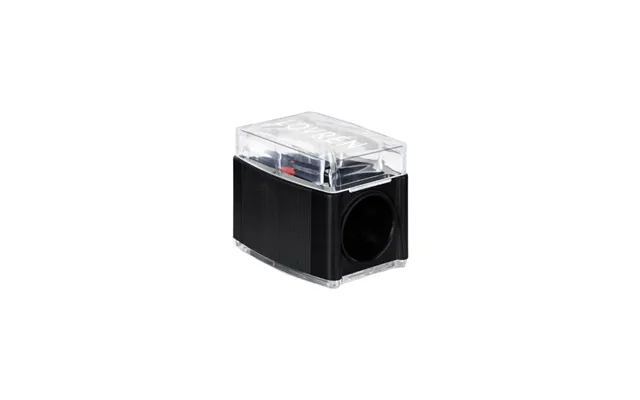

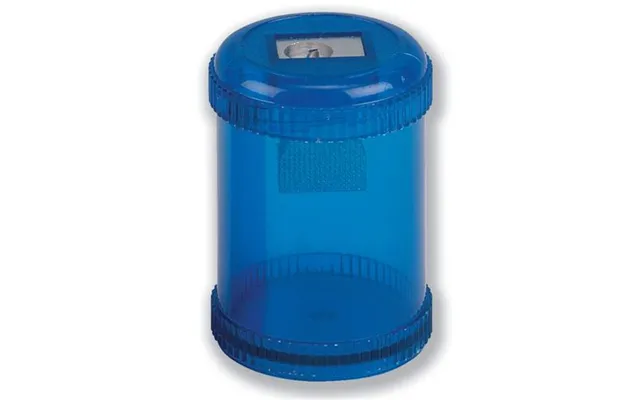
A roomy shavings tray is a simple pleasure. If you’re in a classroom or busy studio, choose a sharpener with a larger compartment so you’re not emptying it every few pencils. Transparent trays help you see when it’s time to empty, and removable trays make cleaning quick and mess-free.
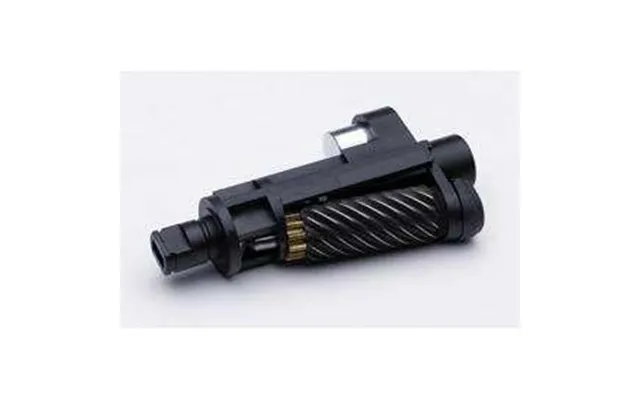
Plastic housings are lightweight and cheap, but metal-bodied sharpeners will usually outlast them. For a long-lasting pick, look for models with reinforced housings and replaceable blades. That way you can swap out blades instead of tossing the entire unit when performance drops.

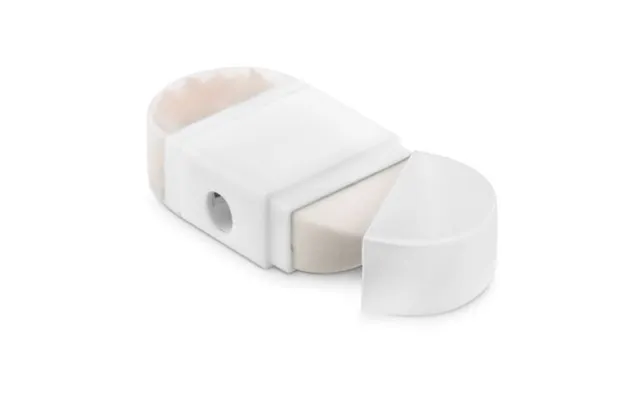
Electric models vary in noise level — some hum loudly while others operate quietly. If noise matters, look for models advertised as “low-noise” or “quiet.” Safety features such as automatic shut-off when the tray is removed are essential in classrooms and homes with children. Overload protection helps prevent the motor from burning out if small objects get jammed.
The UK market has a solid mix of international and local brands known for reliability. While you’ll find budget-friendly options, some brands are especially trusted by artists and educators. Here’s a quick guide to brands you’ll see frequently and what they’re best for.
Artists often reach for sharpeners from Derwent and Prismacolor because they’re built to handle soft, waxy colored pencils without crumbling. These brands often offer specialty sharpeners that create long, consistent points ideal for blending and sketching. If you work with expensive artist-grade pencils, investing in a sharpener designed for them pays off in cleaner tips and less wasted material.
X-ACTO and Bostitch are staples in classrooms and office supply cupboards. Their desktop electric sharpeners are rugged, reliable, and designed for repeated use. Many models from these brands feature replaceable steel blades and spacious shavings containers, making them cost-effective for environments where pencils are constantly being sharpened.
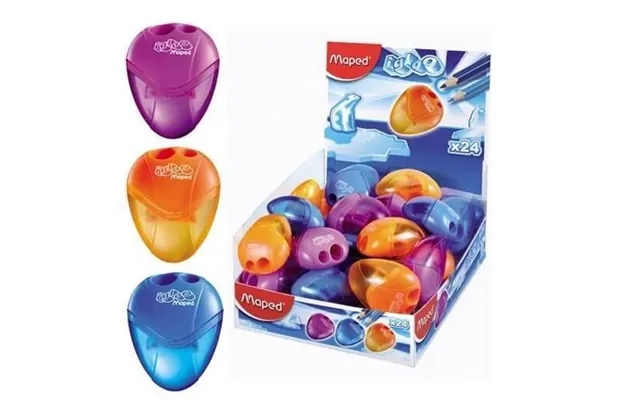
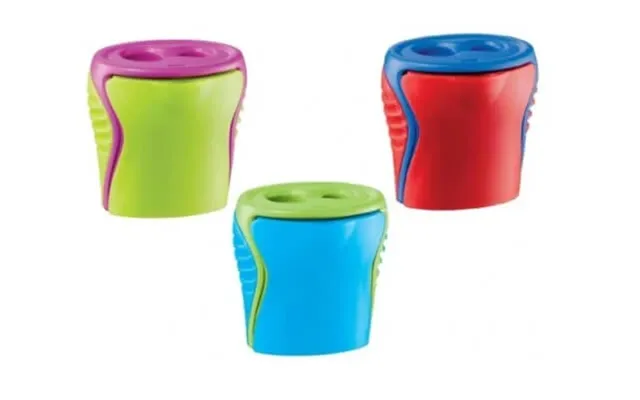
If you’re after an inexpensive solution for home use or kids, Maped and Deli offer functional manual sharpeners that do the job without breaking the bank. They’re compact, lightweight, and often come in colorful designs that kids appreciate. For light daily use, a budget handheld sharpener is a perfectly good choice.
Buying the right sharpener boils down to how you use pencils. Are you sharpening multiple pencils each hour, or do you just need occasional touch-ups? Below are tailored recommendations depending on your main use case.
In a classroom, durability, safety, and capacity matter most. Choose a rugged electric model with a large shavings tray, safety shut-off, and replaceable blades. It should withstand daily use by many users and be easy to maintain so teachers aren’t constantly repairing or replacing equipment.
Artists need control and precision. Look for sharpeners with adjustable angles or specialty models designed for colored pencils and charcoal. A two-stage sharpener — one for shaping the tip and another for refining — can give you studio-quality points. Consider a sharpener that accommodates thicker pencils if you use chunky graphite sticks or soft-bodied colored pencils.
If your main need is occasional sharpening for notes, letters, and sketches, a compact electric or a dependable manual sharpener will suffice. Choose something with a tidy shavings compartment and low noise, especially if you’ll use it near others. If you prefer low-maintenance gear, a desktop electric with a replaceable blade is a small investment that lasts.
Want your sharpener to live a long, productive life? A little maintenance goes a long way. Empty the shavings tray regularly, clean the blade housing carefully, and replace blades when they start to dull. For electric models, avoid forcing oversized pencils into the hole, and unplug before doing deeper cleaning or blade changes.
Use a small brush or a can of compressed air to loosen dust and shavings. For metal and stainless-steel blades, a drop of light machine oil can prevent rust and reduce friction — just wipe away excess to avoid staining pencils. When blades are dull, replace them rather than sharpening them yourself; replacements restore the original performance and extend the lifespan of the unit.
Store sharpeners in a dry place away from direct sunlight and moisture to prevent corrosion. Keep battery-operated models out of reach of small children unless they have safety locks. Treat blades with respect; even a handheld model has a sharp edge that can cut fingers if mishandled.
If you care about the planet, manual sharpeners are the greener choice because they don’t require electricity and usually have simpler materials. Look for sharpeners made from recycled plastics or metal housings that are easier to recycle later. Choosing replaceable blades instead of disposable units reduces waste, and rechargeable battery sharpeners cut down on single-use batteries.
Price comparison tools and comparison sites are great for finding offers and price lists on sharpeners sold across the UK. These platforms aggregate deals from multiple retailers so you can compare features, prices, and user reviews in one place. They’re especially useful when you want to spot seasonal discounts before stocking a classroom or upgrading a studio.
Picking the right pencil sharpener is about more than getting a point; it’s about choosing a tool that complements how you work. Whether you’re an artist chasing the perfect fine tip, a teacher needing a classroom workhorse, or someone who wants a sleek desktop model for the home office, there’s a sharpener that fits your life and budget. Remember to consider blade type, sharpening angle, capacity, and build quality, and don’t forget maintenance — a little care goes a long way. Explore comparison sites to find current offers, read reviews, and match the features to your needs so you get the most value for your money.