All categories
Business & Offices
Electronics & Media
Fashion & Accessories
Groceries & Essentials
Health & Personal Care
Home & Living
Kids & Family
Sports & Outdoors
Search in ZoneOffer

Loading...
You might think everything’s gone digital, but poster boards remain a go-to for projects, presentations, and eye-catching displays. They’re tactile, immediate, and they demand attention in a way a screen sometimes can’t. Think of a poster board as a billboard in miniature—simple, bold, and effective. Whether you’re a student crafting a science fair display or a marketer preparing a trade-show booth, the right board can make your message pop.
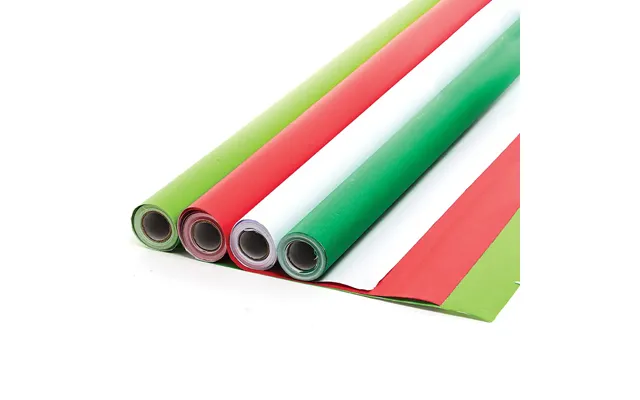
Physical poster boards are durable, portable, and easy to customize. They don’t rely on power, they resist glare under bright lights better than some screens, and you can layer materials—photos, fabric, printouts—directly onto them. Plus, they’re inexpensive compared to renting digital signage. In short: poster boards are practical, tactile tools that still have a major role in communication.
Not all poster boards are created equal. The material, thickness, and finish affect durability, printability, and overall presentation. Below are the main types you’ll encounter and when to choose each.
Foam core boards are lightweight yet rigid, usually with a foam center sandwiched between paper faces. They’re perfect for professional presentations and photo mounting. Typical sizes include 20 x 30 inches and 24 x 36 inches, and you’ll find thicknesses from 3/16 inch to 1/2 inch. They’re easy to trim with a craft knife and ideal when you need a clean, flat display.
Corrugated poster boards are made of fluted plastic or cardboard and are great for outdoor signs or budget-conscious displays. They’re water-resistant if made from corrugated plastic and are commonly used for yard signs, political campaigns, and short-term retail displays. Lightweight and durable, they handle rough handling better than thin paper boards.
Mounting boards and Bristol boards offer a smooth, firm surface for drawing, ink, and marker work. These are thicker paper boards—often used by artists and architects—available in sizes like 11 x 17 inches and 18 x 24 inches. They’re excellent for ink, watercolor, and detailed graphic layouts.
For quick installations or re-usable displays, self-adhesive boards or magnetic backings are lifesavers. They let you stick printed sheets on cleanly without messy glue and attach easily to metal surfaces. Ideal for pop-up retail or rotating displays where you’ll swap content frequently.
Choosing the right size is about visibility, transport, and the space you’ll display in. Here’s a practical rundown of common sizes in inches so you can pick exactly what you need without converting units.
These sizes are perfect for classroom projects, small notices, and tabletop displays. An 11 x 17-inch board fits neatly on a desk and is easy to carry, while an 18 x 24-inch board gives more visual space without being awkward to transport.
If you need more presence—say for a science fair or gallery wall—20 x 30 inches and 24 x 36 inches are tried-and-true. They’re large enough to include charts, photos, and readable text from a few feet away, yet still portable in most cars or with a poster tube.
For trade shows, retail windows, or event signage, think big. A 36 x 48-inch board commands attention and is visible across a room. These require more careful handling and might need an easel or frame for support, but they’re unbeatable for high-impact visuals.
Thickness is usually measured in inches for foam boards or in mils for plastic corrugated boards. Thicker boards are sturdier but heavier and often more expensive. A 1/4-inch foam core is a sweet spot for many uses—rigid enough for presentation, still light enough to carry. If you need long-term durability or outdoor use, opt for corrugated plastic at 4 mm or thicker, but remember to look at the product specs in inches or ask a supplier for equivalents to avoid confusion.
Choose lighter boards for school projects and quick displays where portability is key. Go heavier for large trade-show pieces or permanent installations where wind or handling could damage a thin board. Consider the final use: if you’ll be shipping the board, a lighter option reduces cost; if you’ll reuse it for multiple events, splurging on sturdier materials pays off.
The board’s surface dictates how well ink, paint, or adhesives adhere. Matte finishes reduce glare and are ideal for photographs and text-heavy layouts. Glossy finishes make colors pop and are great for vibrant graphics, but they can reflect overhead lights. If you plan to print directly onto the board, check whether the material is printer-compatible—many foam boards accept UV flatbed printing, while corrugated plastic often requires vinyl printing or affixed prints.
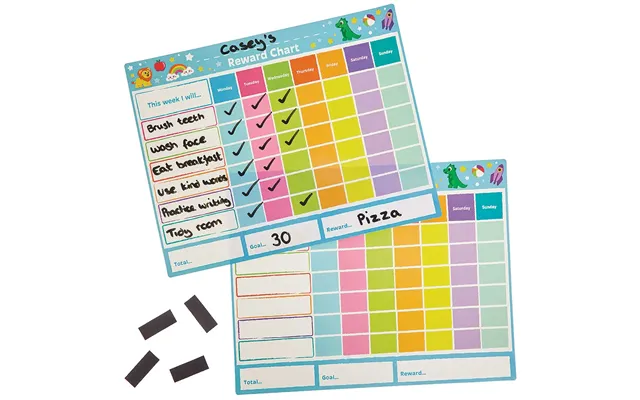
If your board is photo-heavy, a satin or glossy surface helps colors look vivid; for long blocks of text or classroom displays, a matte finish preserves legibility. Lamination can protect finishes from fingerprints and moisture but adds weight and cost.
When comparing poster boards, keep an eye out for a handful of practical features: pre-scored fold lines for easy transport, self-healing surfaces that resist dents, archival-quality materials for long-term preservation, and edge sealing to prevent fraying. If you’ll mount photos, look for acid-free and lignin-free boards to prevent yellowing over time.
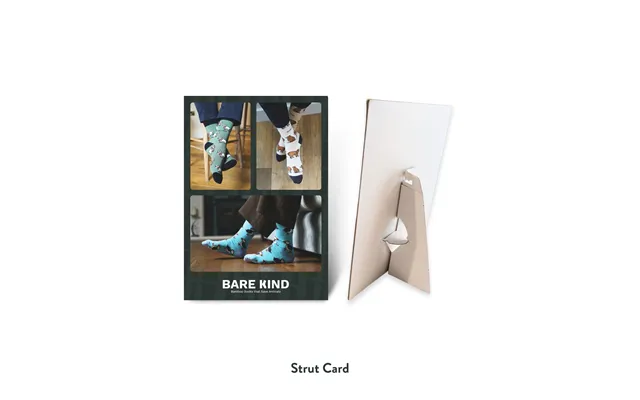
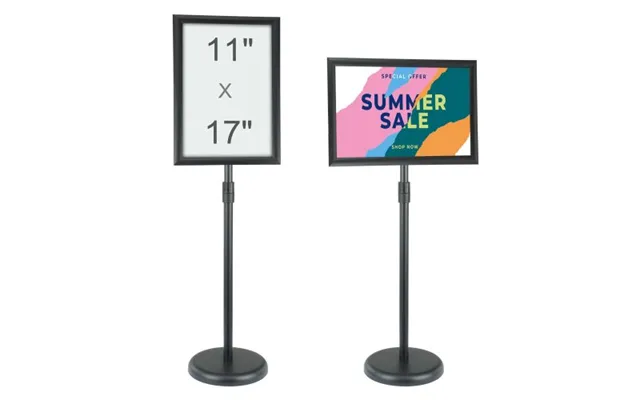
Magnetic backing, peel-and-stick layers, and UV-resistant coatings add convenience and longevity. Many premium boards offer tear-resistant surfaces or reinforced corners to survive frequent handling—useful if your board will be stored or transported between events.
Different tasks call for different materials. Below are tailored recommendations so you can match the board to the job without guesswork.
Choose lightweight foam core or standard display boards in 20 x 30 inches or 24 x 36 inches for easy transport. They’re stiff enough to stand on an easel and forgiving for cutting and pasting. If students will reuse boards year after year, consider slightly thicker foam or corrugated plastic for added durability.
For a polished look, choose a smooth-surfaced foam board in 24 x 36 inches or larger, and consider UV flatbed printing for crisp logos and charts. Add edge finishing or framing to elevate the presentation. For trade shows, corrugated plastic backed by a display stand gives weather resistance and reusability.
Corrugated plastic and self-standing poster boards are ideal here. They withstand customer handling and store environments. If you’ll display pricing or rotating promotions, pick a magnetic or peel-and-stick option for fast swaps.
Archival foam core or museum-quality mounting board keeps prints and photos flat without risking acid damage. Look for boards labeled “archival” or “acid-free” and choose a thickness that prevents warping—usually 1/4 inch or thicker for larger pieces.
Poster boards don’t work in isolation—easels, frames, cutting tools, adhesives, and laminators all play a role. The right accessories save time and make results look professional.
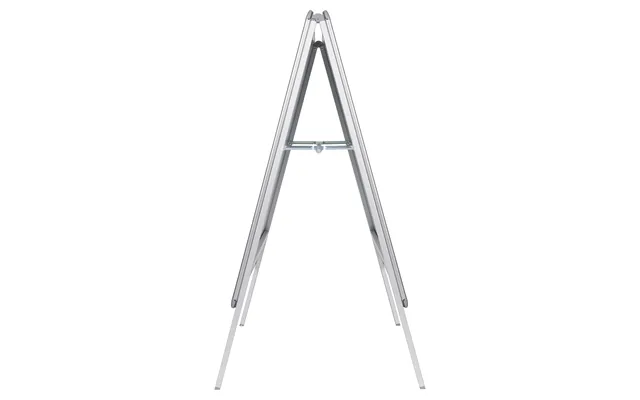
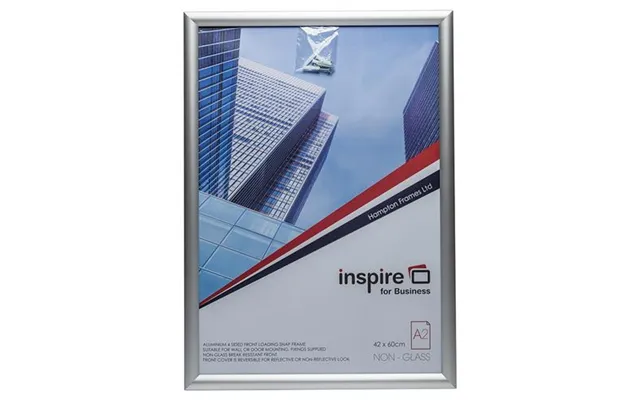
Invest in a sturdy easel for presentations, a metal ruler and craft knife for clean cuts, clear spray adhesive or double-sided tape for neat mounting, and a laminator for waterproofing. For trade shows, consider lightweight folding frames and quick-release mounts for rapid setup and teardown.
Shopping for poster boards? Compare price per board, material specs, dimensions in inches, thickness, and included features. Watch for bundled deals that include cutting tools or easels—those can add value. If you’re browsing multiple sellers, a comparison site can help you line up specs side-by-side so you don’t miss hidden differences like non-archival papers or unclear print compatibility.
How heavy is the board in pounds? Is the surface matte or glossy? Is it suitable for direct printing, or does it need a vinyl print applied? Is it labeled acid-free? Answering these questions will help you match the product to your use case without surprises.
Price varies widely based on size, thickness, and material. Basic student-grade boards can be inexpensive, while archival or specialty foam boards command a premium. Think in terms of cost-per-use: paying a bit more upfront for durability often saves money if you’ll reuse the board several times. Also, buying in packs is usually cheaper per unit if you need several boards.
Buy off-season when possible (e.g., away from back-to-school rushes), purchase packs instead of singles, and check comparison sites to spot limited-time offers. If you only need short-term use, consider renting or borrowing higher-end boards rather than buying.
If sustainability matters to you, look for recycled-content boards or those made from sustainably sourced paper. Corrugated cardboard boards are often recyclable, and some manufacturers offer recyclable or biodegradable options. Avoid single-use items when a reusable board can do the job.
Remove any non-paper attachments like metal fasteners before recycling cardboard or paper-based boards. Corrugated plastic usually requires specialized recycling—check local facilities. If in doubt, choose materials labeled recyclable or made from recycled content.
Before you hit “buy,” run through a quick checklist: confirm the size in inches, check thickness and weight in pounds, verify surface finish and print compatibility, and ensure the material suits indoor or outdoor use. If durability matters, choose archival or plastic options; if cost and portability matter, pick lighter foam or paper boards.
Measure your display space, decide how portable the board needs to be, choose between matte and glossy finishes based on lighting, and compare cost-per-unit if you’re buying multiples. That simple approach will steer you to the right poster board quickly.
Poster boards are simple tools, but choosing the right one can dramatically improve how your message is received. With a clear idea of size, material, finish, and intended use, you’ll make better decisions and create displays that look professional and last for many uses.
For price comparisons and side-by-side spec checks, consider using a reliable comparison site that lists popular poster board options and current offers—this helps you find the board that matches your needs without sifting through dozens of single-seller pages.
Happy presenting—may your visuals be bold, your edges be clean, and your message land loud and clear.

| £ 33,69 |
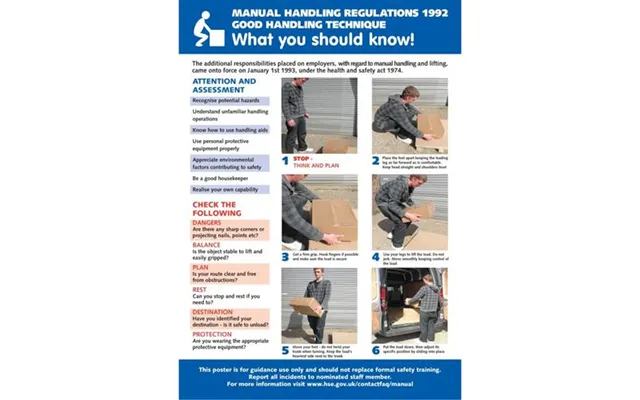
| Seco Awareness Manual Handling Regulations Poster A2 - Hs102 | £ 39,13 |