

American Football Protective Gear price list
Last updated Friday, 9 Oct 2026





Loading...
Last updated Friday, 9 Oct 2026
Gear isn't fashion; it's armor. Whether you're a weekend warrior, a high-school lineman, or a veteran receiver, the right protective equipment reduces injury risk and boosts confidence. Think of gear as a second skin — it absorbs shocks, stabilizes joints, and gives you permission to play hard. With the right choices, you get better practice sessions, fewer missed games, and a longer playing life. It’s not just about avoiding big hits; it’s about protecting against the repetitive collisions that wear down shoulders, ribs, and knees over seasons.
Always check for recognized safety certifications like NOCSAE for helmets and ASTM standards for other pads. These badges mean the product met independent testing thresholds for impact attenuation and fit. In practical terms, a certified helmet will often reduce linear and rotational acceleration in a crash scenario. When you’re shopping, a quick glance at the label can save you from buying novelty gear that looks tough but fails under pressure.
Helmets are the centerpiece of football protection. A good helmet protects the skull and reduces the force transmitted to the brain. Modern helmets combine a durable outer shell, energy-absorbing liners, and adjustable padding to tailor the fit. Don’t assume a more expensive helmet is automatically better—fit matters most. Look for a helmet that sits level on your head, doesn't rock back and forth, and has even contact around the crown and temples.
Shell materials vary from lightweight polycarbonate to reinforced composites. Inside, you’ll find foam liners, air bladders, or a mix of both. Air-fit systems let you fine-tune fit in small increments—valuable when you’re between sizes. Measure head circumference in inches, and compare against manufacturer sizing charts. A helmet that’s too loose increases rotational motion during impact; one that’s too tight causes pressure points and distraction.
Shoulder pads protect the collarbones, ribs, and upper torso. They come in different builds—bulkier models for linemen and low-profile versions for skill players. Key fit points: the pads should sit over your shoulders without pinching the neck, and they shouldn’t ride up when you raise your arms. Try them with the jersey on, and simulate game movements. Correctly fitted pads let you tackle and block with confidence while preserving mobility.
Receivers and defensive backs usually prefer lighter, narrower pads that keep shoulders free. Linebackers want a balance: durable coverage with enough flexibility to make tackles. Linemen typically use larger pads with reinforced straps to absorb repeated impacts in the trench. Think about how often you’ll be engaging in collisions and pick a design that matches both your play style and body type.
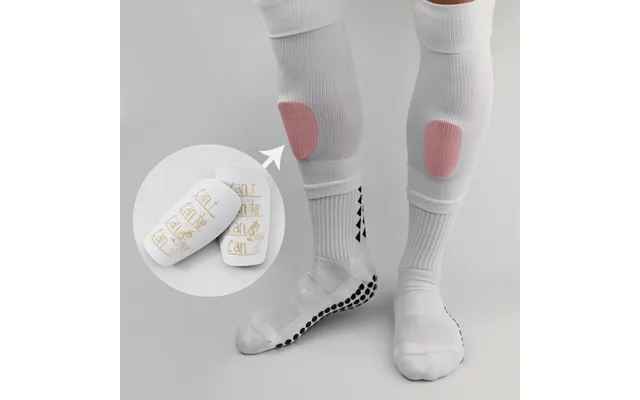
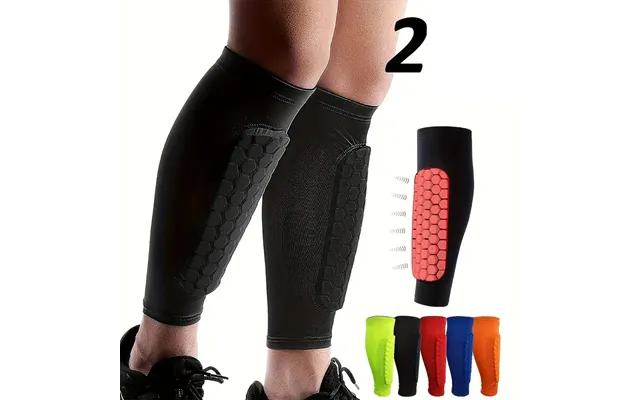
Lower body pads are often overlooked until someone takes a nasty thigh bruise. Proper hip and thigh pads slip into pockets in game pants and add a cushion between bone and turf. Knee pads can be molded or soft; molded options provide more impact resistance but can restrict movement. Choose pads that stay in place during cuts and sprints—slippage reduces protection and becomes a distraction in-game.
Compression shorts with integrated pads are great for players who want low-profile coverage. They stabilize hips and thighs while preventing chafing. Rib protectors are essential for players with prior rib injuries or those who get targeted on contact. Many rib guards wrap around the torso under the jersey, adding a layer of shock absorption without limiting breathing. Measure waist and torso length in inches to ensure a secure fit.
Mouthguards reduce the risk of dental injuries and can lower concussion risk by absorbing jaw forces. Boil-and-bite models let you form a custom fit at home, while professional dental options provide premium comfort. Chin straps secure the helmet and must be adjusted so the helmet doesn’t shift; they should be snug but not painfully tight. Facemasks come in multiple bars and designs—choose one that balances visibility and protection for your position.
Visors protect eyes from glare, debris, and fingers during collisions. Tinted visors can be great on sunny days but may be restricted in some leagues, especially for youth players. Polycarbonate lenses resist shattering and are typically measured in thickness; prioritize coatings that reduce scratches and fog. Always check league rules before fitting a tinted or mirrored visor to your helmet.
Cleats are vital for quick cuts and secure planting. For turf surfaces, select low-profile cleats with shorter studs; for grass, use longer studs with a mix of conical and bladed designs for balance. A proper cleat fit feels snug in the heel and roomy in the toe—measure foot length in inches and account for socks. Gloves enhance grip and protect fingers; look for tacky palms, breathable backs, and reinforced fingertips for durability.
Weather changes everything. On wet fields, you want cleats that dig in without locking you to the turf. Many gloves have sticky palms that perform well in dry conditions but lose grip when muddy. Some players prefer liquid grip treatments for rainy games, but these are temporary fixes. If you play year-round, consider two pairs of cleats and gloves—one optimized for wet conditions and one for dry—to stay competitive regardless of forecast.
Buying protective gear online is tempting, but fit is king. When trying on gear, wear the layers you’d normally wear under a jersey—compression shorts, base layers, and socks. Move through football-specific motions: run, cut, reach for a high pass, and simulate a tackle. If a helmet moves more than an inch when you shake your head, it’s too loose. For pads, check for gaps around the chest and neck, and ensure straps lock securely without impeding breathing.
Use a soft tape measure to capture head circumference in inches, chest and waist in inches, and body weight in pounds for padding recommendations. Helmet sizes often correlate with head circumference: adult small might be around 21 1/2 to 22 7/8 inches, medium may be 23 to 24 1/8 inches, and large upwards of 24 1/4 inches—always verify the brand chart. For shoulder pads, measure chest width and shoulder span in inches to match manufacturer guidance.
Protective gear needs care. After each session, wipe down helmets and pads with an antibacterial cloth to remove sweat and grime. Remove liners if possible and air-dry to prevent mildew. Inspect plastic shells for cracks, foam liners for compression, and straps for fraying. Replace helmets after significant impacts or once foam shows permanent compression—manufacturers often recommend replacing helmets every 3 to 5 years depending on use.
Retire helmets after hard impacts even if damage isn’t visible; internal liners can be compromised. Replace shoulder pads when straps fail, foam loses resilience, or hard plastic pieces crack. For cleats, look at sole wear—if studs are rounded off or the sole flexes abnormally, it’s time for new boots. Keeping a simple checklist and recording purchase dates in inches and pounds of expected wear can extend gear life responsibly.
Several brands dominate the protective gear market: Riddell and Schutt are widely known for helmets, offering air-fit and traditional padding systems; Douglas and Xenith bring innovation in fit and damping. For pads, brands like Douglas, Xenith, and All-Pro deliver durable options across price ranges. Gloves from Cutters, Nike, and Under Armour offer excellent grip technology. Don’t chase logos—compare features, certifications, and fit.
Budget gear can provide adequate protection for casual play, especially if you prioritize certified helmets and well-built shoulder pads. Premium gear adds comfort features—custom liners, lighter shells, and advanced damping technologies—that appeal to high-level competitors. If you’re on a budget, invest heaviest in your helmet and shoes; these items most directly affect safety and performance.
Comparison sites let you scan specs, certifications, and user reviews quickly. When browsing online, filter by certifications, size charts in inches, and customer-rated durability. Pay attention to return policies and fitting guides—some retailers include free exchanges for size mismatches. Be wary of deep discounts on last-season models; they can be smart buys if the fit and certification are the same as current models.
Use comparison tools to check impact ratings, warranty length, and average user ratings. Look for detailed photos that show interior liners and strap systems. Cross-check model numbers against certification lists to ensure you’re not buying an untested variant. A good comparison gives you side-by-side measurements and weight in pounds so you can make an informed decision without trying on gear in person.
Small accessories add comfort and protection: replacement cheek pads for helmets, anti-slip tape for gloves, or gel inserts for knee pads. You can also add mouthguard straps to prevent loss and specialized laces for cleats to adjust tension across the foot. These extras are inexpensive relative to major gear items and can solve fit issues or comfort problems you didn’t know you had.
Experienced players recommend breaking in helmets gradually and using soft helmets or skull caps in non-contact practices to save the full-shell lifespan. Coaches advise rotating two sets of cleats across a season to even out wear. Always tape straps securely and re-check before each game. Little habits—like drying gear immediately after use—extend the life of pads and reduce smell and degradation.
Choosing the right American football protective gear is a balance of fit, safety, and comfort. Prioritize certified helmets, well-fitted shoulder pads, secure lower-body protection, and the right footwear and gloves for your surface. Use measurement charts in inches and weight recommendations in pounds to dial in the fit, and rely on comparison tools to find the best blend of price and performance. With proper care and smart upgrades, your gear will protect you through many seasons of hard play—letting you focus on what matters most: the game.