





All categories
Business & Offices
Electronics & Media
Fashion & Accessories
Groceries & Essentials
Health & Personal Care
Home & Living
Kids & Family
Sports & Outdoors
Search in ZoneOffer
Loading...
Looking to level up your American football training sessions? Whether you're coaching a youth squad, prepping for college tryouts, or sharpening skills for weekend leagues, the right training equipment can make the difference between practice that’s just busy and practice that actually builds winners. This guide walks through the most useful gear—from tackling sleds to agility ladders—explaining what to buy, why it matters, and how to stretch every dollar without sacrificing results.
Think of training equipment as the toolbox for sculpting game-ready athletes. You wouldn’t build a house with a butter knife, so why expect players to improve with subpar gear? The correct tools teach technique, reduce injury risk, and create repeatable drills that speed up muscle memory. Good equipment lets coaches isolate skills like footwork, hand placement, and tackling angles—so practice translates directly to on-field success.
Every practice should cover fundamentals, and a small set of versatile items will cover a surprising number of drills. Agility equipment, contact pads, and a few quality balls allow coaches to run stations that build speed, power, and technique. Investing in these basics pays off: drills stay organized, progress is trackable, and players stay engaged.
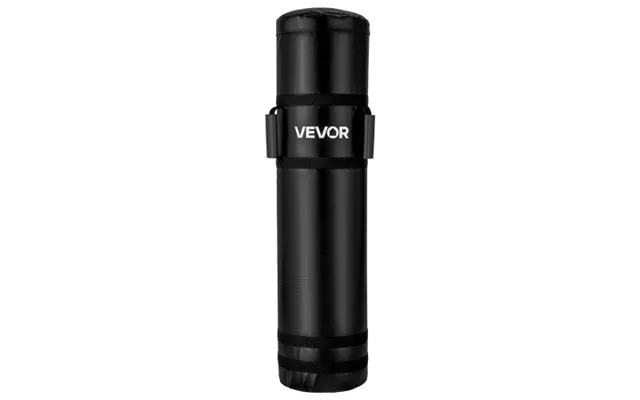
Want to build power at the point of attack? Training sleds and tackling dummies are staples for linemen and ball carriers alike. A sled that weighs around 40–80 lb to start (addable plates let you progress) offers realistic resistance for blocking and drive drills, while tackling dummies let players practice form tackles without the unpredictability of live contact. A wheeled sled or a compact knockdown dummy can also be moved easily across turf or grass, making setup quick and painless.
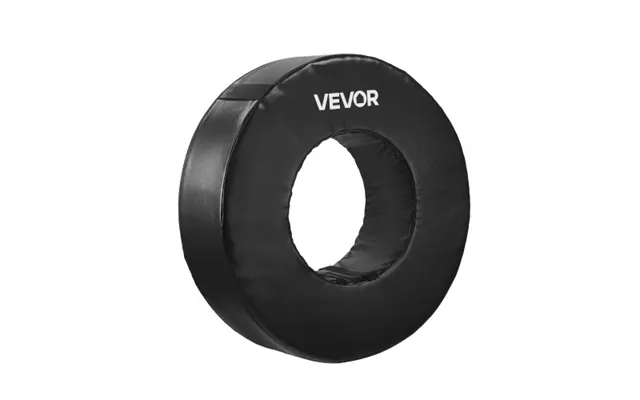
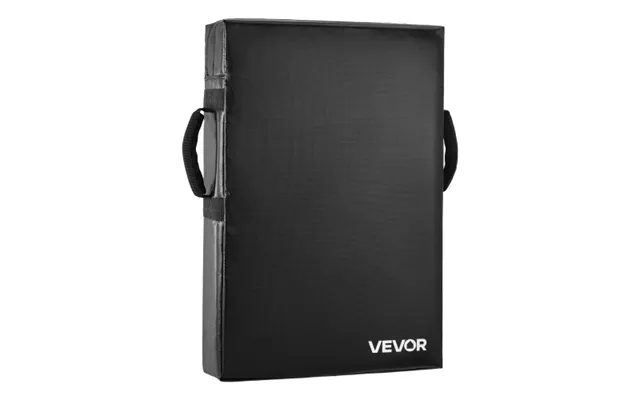
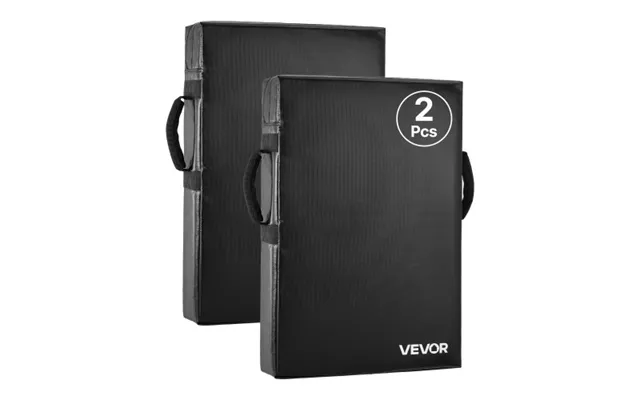
Blocking shields, double-stacked pads, and hand shields protect players while simulating game contact. These pads come in varying thicknesses; for youth teams look for lighter pads (under 10 lb each) to prevent fatigue, while high school and adult squads often use denser models for real resistance. Pads are like seatbelts for practice—allowing full-speed work without the same risk as player-on-player collisions.
Footwork wins matchups. Agility ladders sharpen quick feet and stride patterns, cones set up route-running and cutting drills, and mini-hurdles reinforce knee drive and explosiveness. These items are compact, inexpensive, and ridiculously versatile. Lay out a ladder for 10–15 minutes of footwork, then switch to cone drills to practice breaking on a route—simple, efficient, and effective.
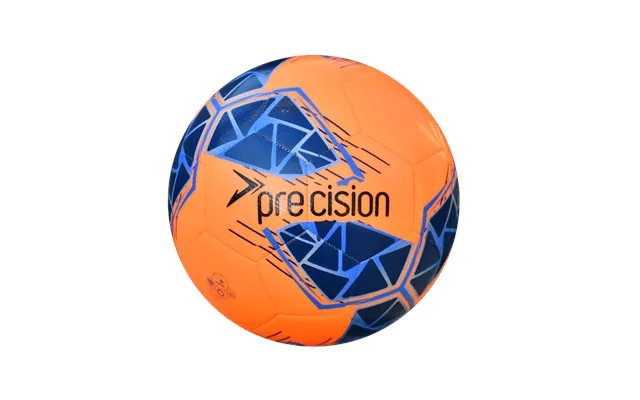
Repetition is the mother of consistency, and that’s especially true with ball handling and kicking. Practice footballs—available in youth and adult sizes—should feel the same as the game ball to produce transferable skills. Weighted footballs help quarterbacks build arm strength and improve spiral tightness; a 1–2 lb weighted ball is typical for throwing drills. Kicking tees and holder devices let kickers replicate game day setups for field goals and kickoffs, making technique sticky under pressure.
Even during non-contact reps, protective gear is critical. Helmets and shoulder pads reduce impact and let players hit with confidence, which improves the quality of training. For youth teams, properly fitted helmets and mouthguards are non-negotiable—fit matters more than brand. A good rule of thumb: if a helmet shifts when you shake your head or straps feel loose at the chin, it’s time for adjustment or replacement.
Protective pieces come in sizes typically labeled youth, small, medium, and large; fit should be snug but not restrictive. Shoulder pads should cover the collarbone and shoulder cap without pinching the neck; a proper fitting allows 1–2 inches of movement for gear layering. When in doubt, follow the manufacturer’s fitting guide and have a coach or trainer check the fit before live reps.
Carl Lewis didn’t jump in dress shoes—so don’t train in the wrong cleats. Choosing the right pair depends on field type and position. Mid-distance sprinters and receivers prioritize lightweight cleats with responsive soles for quick change-of-direction, while linemen often choose heavier, sturdier cleats with additional ankle support. For wet fields, opt for longer studs or molded spikes that provide better traction and reduce the risk of slips.
Speed and power are built with progressive overload. Resistance parachutes and sleds add horizontal resistance to sprinting, forcing athletes to drive through their hips and stay low—exactly the movement pattern that creates game-changing burst. Speed bands and resistance cords are portable, inexpensive ways to add load to sprint starts and agility drills; look for bands offering 10–50 lb of resistance so you can scale as athletes improve.
Organization makes practice efficient. A coach’s toolbox includes cones in multiple colors for lane and route marking, a reliable whistle, and dry-erase field markers for quick drill changes. For teams focused on measurable improvement, GPS trackers and athlete monitoring systems provide data: sprint distances, top speed, and load metrics help tailor recovery and minimize overtraining. These tools transform gut-feel coaching into evidence-based improvements.
GPS units may sound high-tech, but they’re as useful as the coach is willing to be with the data. Start small—track top speed and total sprint distance in practice—and use trends to adjust load. If a player’s sprint volume spikes by 30% week-over-week, you might dial back high-intensity reps to avoid fatigue. These are small course corrections that pay big dividends in durability and performance.
Youth equipment isn’t just smaller—it’s tuned to match developmental needs. Youth footballs are lighter and slightly shorter so younger hands can control them. Protective gear for kids often includes softer shells and extra padding to absorb impacts appropriate for younger bodies. Coaches should emphasize fundamentals and limit full-contact drills for players under a certain age to reduce injury risk while still developing vital technique.
Implement progressive contact: begin with form tackling using pads, move to controlled live drills, then to full contact as players demonstrate consistent technique. In weight training, begin with bodyweight and light resistance bands before introducing heavier sleds or weight plates; a steady ramp reduces injury risk and builds confidence.
Not every team can buy the top-of-the-line sled or the most expensive GPS system, and that’s okay. For many programs, durability and versatility matter more than brand prestige. Budget-friendly agility ladders, a couple of good blocking pads, and a sturdy practice football will cover 80% of training needs. Invest heavily in items that see daily use—cleats, helmets, and blocking pads—and choose affordable accessories for less frequent drills.
Spend on safety and contact gear—helmets, pads, and well-constructed tackling equipment—to protect your players. Save on cones, agility ladders, and disposable accessories where functional parity between budget and premium options is often high. Look for gear with replaceable parts or warranties to extend lifespan; a well-chosen mid-range sled with replaceable straps can outlast several cheap, disposable versions.
Designing an effective practice isn’t about having every gadget; it’s about using the right tools consistently. Start with a warm-up area (ladders, hurdles), a skills station (cones, footballs), a contact station (pads, sleds), and a special teams area (kicking tees, holders). Rotate players through these stations so everyone gets a balanced workout—speed, technique, contact, and ball skills—within a single session.
Try a three-day focused week: Day 1: Speed and footwork (ladders, parachute, short sprints); Day 2: Technique and contact (blocking sled, pads, tackling dummies); Day 3: Ball skills and special teams (practice footballs, kicking tees, route work with cones). This structure balances load and provides predictable progression so players and coaches can measure improvement over time.
Equipment lasts longer when cared for. Wipe down pads and dummies after practice to remove sweat and turf debris, store balls at room temperature and inflate to recommended pressure (check each brand), and keep sleds dry to prevent rust. Use racks or bins to keep cones, ladders, and small accessories organized—less time hunting for gear means more reps for players.
When shopping, read reviews and prioritize durability and warranty. Look for gear with reinforced stitching, high-density foam in pads, and replaceable straps and covers. Upgrades worth considering later include a portable timing gate for 40-yard dash precision, a high-quality weighted football for quarterback development, and a GPS vest if you want objective workload data. Buy with a plan: prioritize safety, then essentials, then extras.
Choosing the right American football training equipment doesn't need to be overwhelming. Start with a few high-impact purchases, keep practices structured, and use drills that translate directly to game situations. With the right mix of contact gear, agility tools, and smart coaching aids, you'll see measurable gains in power, speed, and technique.
Ready to update your gear list? Think about which piece of equipment will give the biggest win for your current team—sometimes a single sled or a better set of cleats is all you need to kick off a season of improvement.
Conclusion: Gear matters, but so does how you use it. Equip your team with the essentials, focus on technique, and iterate your setup as athletes grow. The result is smarter practice, stronger athletes, and more wins on game day.
| American Football Training Equipment | Price | |
|---|---|---|
| Football Training Agility Ladder Step Training Rope Resistance Parachute Jumping Ladder Training Set Ground Nail | £ 20,55 |

