

Foam Roller Accessories price list
Last updated Monday, 19 Oct 2026



View 11 Offers


Loading...
Last updated Monday, 19 Oct 2026
If you use a foam roller regularly, you know it can feel like a magic wand for sore muscles — but the wand works even better when it's fitted with the right attachments. Foam roller accessories transform a simple roll into a targeted recovery routine that hits stubborn knots, speeds up circulation, and helps you move freely again. Think of accessories as the toolkit that upgrades a basic hammer into a full workshop: each piece has a purpose and makes the job easier, faster, and less painful.
Not every roller is built the same, and accessories should match the roller’s design and your goals. Rollers come in soft foam, medium-density, high-density, and even hollow-core models, and lengths range from short 6-inch travel rollers to long 36-inch bars used for full-body stretches. Picking the right accessories means thinking about firmness, size, and whether the roller vibrates. Below are the common roller types and the accessories that pair best with each.
Short rollers are great for on-the-go work and targeting calves, upper back, and glutes. A soft carrying case and a set of massage balls make these small rollers even more versatile. Look for compact straps that keep the roller attached to your luggage or backpack — you’ll thank yourself after a long flight or intense travel day.
These are the all-purpose rollers most people own. Pair them with a foam roller strap for stretching, a pair of lacrosse or rubber massage balls for trigger points, and a stick massager for quick calf and shin work. If your roller is hollow-core, check for replacement covers or end caps that protect the inside if you plan to use accessories frequently.
Longers rollers are perfect for alignment work, yoga routines, and physical therapy-style exercises. Accessories that help include straps for anchor-based stretches, an anchor point for door-frame exercises, and thicker anti-slip mats. A foam roller with a grippy cover is ideal here; otherwise add a textured sleeve to prevent sliding during long, controlled moves.
Vibrating rollers take myofascial release to the next level by adding percussion that can reach deeper layers of muscle with less pressure. Accessories that enhance vibrating rollers include battery extenders or replaceable battery packs, silicone sleeves to muffle noise and protect surfaces, and remote controls or apps for customizable routines. Note: Always match accessories that can tolerate vibration — cheap straps or ragged covers can rattle loose.
There are a handful of accessories that make the biggest difference in recovery outcomes. Whether you’re a runner, weightlifter, desk-worker, or weekend warrior, these add-ons will expand what your roller can do and save you time in your self-care routine.
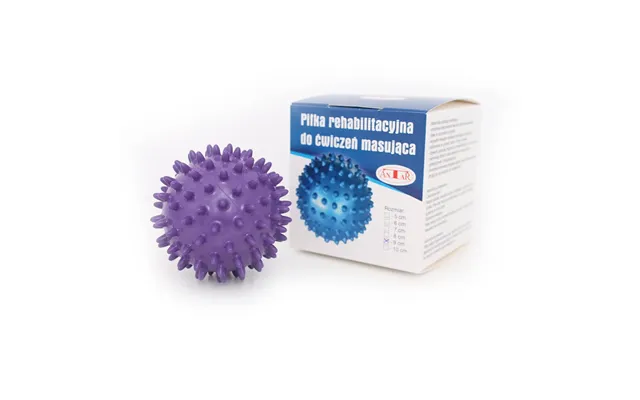
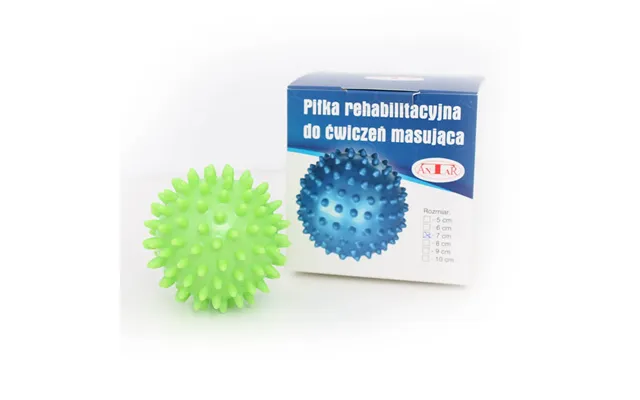
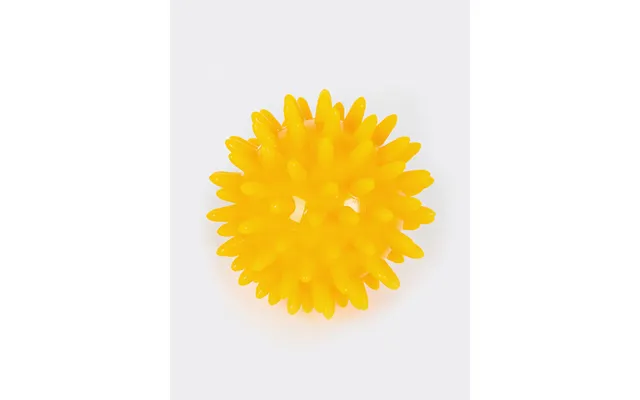
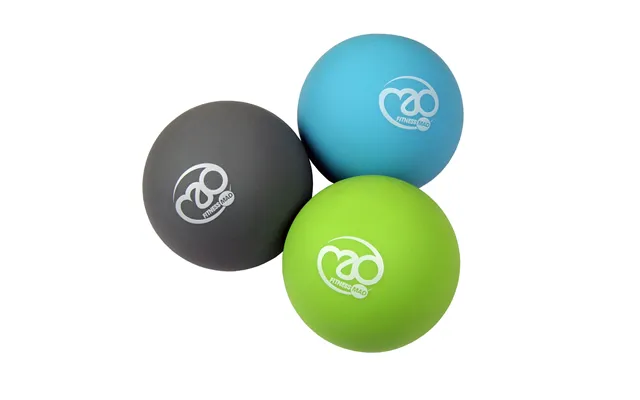
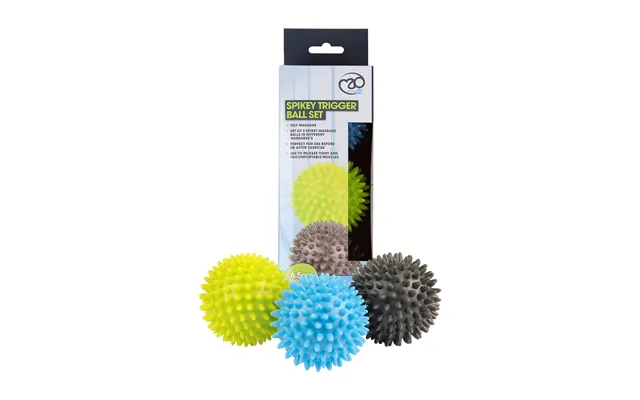
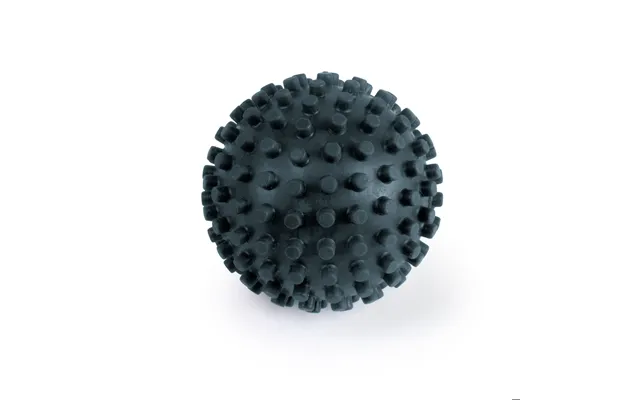
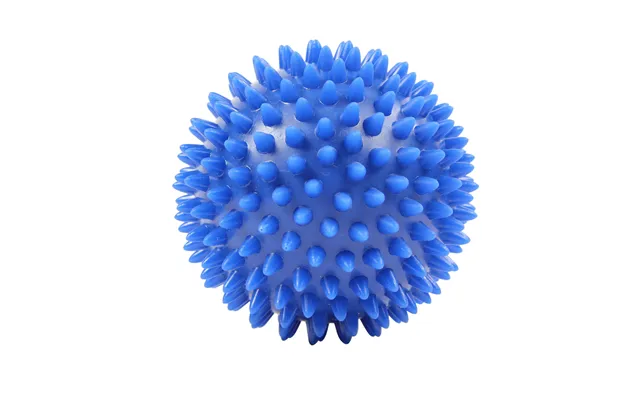
Small massage balls — lacrosse, spiky, or rubber — are essential for targeting points your roller can’t reach, like the feet, around the shoulder blade, and the inner thigh. Trigger point tools with handles give you leverage to isolate knots and apply steady pressure without bruising the surrounding tissue. These are cheap, portable, and shockingly effective.
Stick rollers are perfect for quick warm-ups or post-run maintenance. Unlike foam rollers, a stick lets you modulate pressure precisely and is ideal for calves, quads, and hamstrings. If you prefer a hands-on approach, a lightweight stick that’s around 18 inches long and weighs a pound or two will fit in your gym bag and handle most muscle groups.
Massage guns and vibrating attachments can be used before or after foam rolling to loosen tissue and enhance blood flow. When used together, start with the massage gun at lower intensity to prime the muscle, then follow with rolling to flush the area. Choose a gun with multiple heads and adjustable speed — softer heads for sensitive areas, firmer heads for dense muscles.
Straps allow you to anchor a roller to a door or a heavy object so you can perform assisted stretches and traction-based movements. They’re especially helpful for hamstring stretches and hip mobility work. Look for straps with sturdy buckles and padded handles so you can maintain a secure grip without pain in your hands.
If you travel or commute with a roller, a padded carry bag is a must. Cases protect the foam and keep dirt out of textured surfaces. For at-home use, wall hooks or compact racks keep rollers off the floor where they collect dust and break down faster. A sleeve or cover also extends the life of textured rollers by reducing wear from friction.
Alternating heat and cold is an age-old recovery trick. Gel packs sized to wrap around calves or thighs pair nicely with rolling to reduce inflammation and speed recovery. A compression sleeve or wrap can be added after rolling to support circulation and reduce swelling. Just be mindful of timing — use heat for tight, stiff muscles and ice for recent soreness and inflammation.
Rollers pick up sweat, oils, and skin cells — keeping them clean matters. A spray that’s safe for foam and a microfiber cloth will keep your roller hygienic and smelling fresh. For hollow or textured rollers, replacement covers and end caps are practical because foam breaks down over time and covers extend life considerably.
Choosing accessories comes down to three questions: What are you trying to fix? Where do you want to use it? And how much pressure do you tolerate? Answer these and you’ll pick tools that work together instead of cluttering your shelf.
If you’re chasing out deep knots, invest in firmer tools: high-density rollers, spiky massage balls, and a robust massage gun. Pair these tools with a stride of patience — deep-tissue work takes time and consistent sessions. Use short, focused treatments of 60 to 120 seconds per trigger point and expect gradual improvement rather than instant eradication.
Before a workout, use softer tools and dynamic rolling to prime muscle groups. A vibrating roller at low settings and a stick roller for the calves can improve range of motion without dulling performance. Think of this like warming up a car in cold weather: you don’t want to race the engine immediately, but you want it responsive when you do.
Travel-friendly accessories prioritize size and durability. Compact travel rollers, collapsible stick rollers, and small massage balls fit easily in carry-ons. Look for lightweight cases or straps that double as luggage attachments so your recovery gear doesn’t become a burden while you’re away from home.
Rolling and accessory use is simple, but people often push too hard or use the wrong tool at the wrong time. Here are practical safety tips so you get better, not bruised.
Don’t roll over broken skin, open wounds, or acute injuries with swelling and redness. Avoid rolling directly on bones, joints, or the lower back spine unless directed by a clinician. If you experience sharp pain that radiates or a feeling of numbness and tingling, stop and consult a professional — those are red flags, not badges of progress.
A good rule: aim for discomfort that’s tolerable — like a firm pressure that you can breathe through — but not pain that takes your breath away. Start with 30 to 90 seconds on each area and repeat 2 to 4 times, working up to longer sessions as tolerance improves. If an area needs more focus, use a smaller tool like a ball for targeted work rather than smashing the whole limb with intense pressure.
Think of recovery like cooking a multi-course meal: each step builds on the last. Start with gentle activation, move to targeted release, then finish with restoration. A simple routine could look like this: 1) 3 to 5 minutes of light rolling with a soft roller to increase blood flow; 2) 1 to 2 minutes per knot with a lacrosse ball or trigger tool; 3) 30 to 60 seconds with a vibrating roller on the larger muscle groups; 4) apply heat or cold depending on soreness, and 5) finish with a compression sleeve or gentle stretch. That combination gives you warm-up, targeted therapy, and recovery in one streamlined session.
There are reliable names that keep popping up because they build durable, effective tools. Brands like TriggerPoint, RumbleRoller, Therabody, RAD Roller, and Gaiam offer a range of rollers and accessories. For massage guns, look at models with multiple speed settings and a variety of heads. When buying, compare roller lengths — 12 inches for portability, 18 inches for general use, 36 inches for alignment and full-body stretches — and check the weight in pounds if you’ll be carrying it around.
Deals pop up often, and comparison shopping helps you spot differences in warranty, materials, and accessory bundles. Search for packages that include balls, straps, and cases if you want an all-in-one solution, and pay attention to customer reviews about durability. Price matters, but so does build quality: a cheaper roller that flattens or cracks in a few months costs you more in the long run. Use price comparison tools and look for seasonal sales to get the most value.
Taking a few minutes to care for your roller and accessories extends their life and keeps them hygienic. Wipe down rollers after sweaty sessions, air-dry them completely before storing, and replace covers or end caps as soon as foam starts to crumble. For vibrating devices, follow battery care guidelines to extend run time — remove batteries if you won’t use the unit for a long time. Treat your accessories like tools: clean, store, and rotate them to avoid overusing a single item.
On a tight budget, start with a basic 18-inch medium-density foam roller and a lacrosse ball; these two items cover most needs. If you can invest a bit more, a vibrating roller and a quality massage gun can change your recovery game. Premium rollers often have better finishes, stronger cores, and longer warranties, which means they can be more economical over the long haul. Decide what you use most and spend accordingly — it’s better to get one well-made item you’ll use daily than five cheap things that sit in a drawer.
Accessories aren’t just extras; they’re the tools that tailor foam rolling to your body and lifestyle. Mix and match rollers, balls, sticks, and vibrating tools to create a recovery kit that fits your routine and your goals. Start small, learn how your body responds, and expand your toolkit as you get more specific about the areas that need attention. With a few smart accessories, foam rolling stops being a chore and becomes a quick, effective part of how you feel every day.
Conclusion: Investing in the right foam roller accessories pays off in fewer aches, faster workouts, and better mobility. Whether you’re a weekend warrior, desk commuter, or elite athlete, choosing accessories that fit your needs — and using them safely — makes recovery more effective and enjoyable. So pick one or two additions to your roller, stick with a short routine, and notice the difference over a few weeks.