

Reaction Balls price list
Last updated Monday, 19 Oct 2026




View 12 Offers


Loading...
Last updated Monday, 19 Oct 2026
If you’ve ever watched a pro athlete make a split-second save or a lightning-quick return, you’ve seen the benefits of training with reaction tools. Reaction balls are small, inexpensive training aids that force your brain and body to get faster together. They’re like a pocket coach that never takes a break—bounce one against a wall and suddenly you’re chasing unpredictability, sharpening reflexes, and having fun at the same time. Whether you play football, tennis, cricket, or you just want to sharpen everyday hand-eye coordination, reaction balls are a brilliant first step.
A reaction ball is usually a small rubber sphere or multi-lobed ball designed to bounce erratically. Instead of sending a straight, predictable rebound like a tennis ball, the uneven shape makes the ball ricochet in random directions. That randomness forces you to read, react, move, and catch—over and over. Think of it as the training equivalent of surprise quizzes: the more surprises you face, the quicker and more accurate your responses become.
These are often the first type most people try. They look like miniature sea urchins with short rubber spikes and are roughly the size of a ping-pong ball to a small orange—usually around 2 to 3 inches in diameter. The spikes give extra grip and add to the erratic bounce. They’re great for quick hand drills and are pocket-friendly for on-the-go practice.
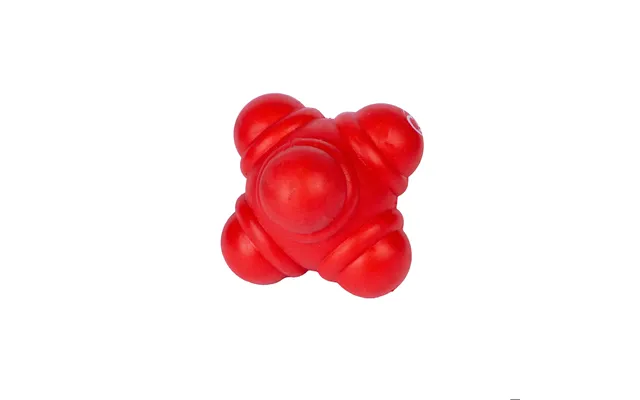
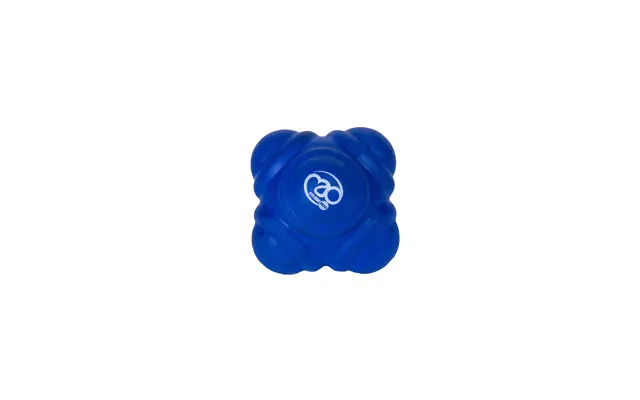
Multi-lobed reaction balls, typically with three or four lobes, are known for extreme unpredictability. They’re slightly larger—often about 2.5 to 3 inches across—and bounce off corners and lobes at strange angles. These are ideal for athletes who want to mimic game-like reactions, simulating awkward ricochets off another player, a turf seam, or a wet spot on the field.
For indoor use or to train young children, mini or softer reaction balls are perfect. These are lighter and softer, often under an ounce in weight, so they won’t damage furniture or windows if used inside. They’re also less intimidating for beginners, allowing you to build confidence and coordination before moving to harder, faster bounces outdoors.
Hand-eye coordination isn’t just for catching a ball; it’s essential in everyday tasks like driving, cooking, or typing. Reaction balls force your eyes, hands, and feet to synchronize under unpredictable conditions. That translates directly to sharper catches, faster racquet returns, and more confident movement in tight plays.
When the ball hops off at odd angles you can’t predict, your feet have to move faster and smarter. That small, awkward scramble builds lateral quickness and short-burst speed in a way static drills often miss. It’s like teaching your legs to improvise dance moves—they get coordinated, nimble, and ready for the unexpected.
Reaction balls create micro-decisions every time they bounce: where to step, when to reach, how to position the hands. Over time, those split-second choices become faster and more accurate. You’re not just training muscles; you’re training the connection between perception and action—essential for goalies, batters, and anyone facing fast-moving play.
Goalkeepers love reaction balls because they mimic deflections and ricochets off studs, turf seams, and other players. Quick hands and explosive lateral movements translate directly to better saves during chaotic penalty-box scenarios. Outfield players use them to improve first-touch reactions and quick passes under pressure.
Racquet players rely on split-second timing and precise hand-eye coordination. Reaction balls sharpen reflexes for unexpected net cords, fast volleys, and tricky returns. Practicing with a reaction ball can make that forehand return feel calmer and more controlled when the opponent clips the net or the ball takes a weird spin.
Batsmen and fielders benefit from drills that mimic bad hops and unpredictable throws. Reaction balls help catchers and infielders handle wild bounces with confidence, reducing errors and improving overall fielding agility. They’re also useful for batting drills focused on reaction to late movement.
One of the simplest but most effective drills: stand about 6 to 10 feet from a sturdy wall, throw the reaction ball at a medium pace, and react to the rebound. Catch it with one hand, alternate hands, or let it bounce twice and chase it down. Do sets of 30 to 60 seconds. It’s short, intense, and incredibly effective for improving reaction time.
With a partner, stand 10 to 15 feet apart and toss the reaction ball back and forth without letting it touch the ground more than once. Mix in pop tosses—low, high, fast, slow—to keep things unpredictable. This drill builds both reaction speed and passing accuracy under pressure.
Place a reaction ball inside a small square marked with cones or tape. Bounce the ball out, sprint to it, and perform a controlled catch or touch before placing it back. Repeat from different starting positions to incorporate lateral movement and short sprints, turning reaction training into a full agility workout.
Size matters: smaller balls are faster and more challenging, while larger ones are easier to track. For adults aiming to simulate game-like unpredictability, go for balls about 2 to 3 inches across. If you’re training kids or working indoors, choose a mini or softer option that won’t cause damage or pain.
Reaction balls are commonly made from rubber, foam rubber, or thermoplastic. Solid rubber balls give a quick, firm bounce and last longer outdoors, while foam options are gentler on surfaces and players. If you train on rough terrain, look for heavy-duty rubber that can handle scrapes without splitting.
Not all reaction balls are equally unpredictable. Multi-lobed designs create wild ricochets; spiky balls add grip and slight directional change. Choose a level of unpredictability that matches your skill: beginners should start with gentler randomness and progress to more chaotic bounces.
Reaction balls are affordable, but prices vary according to material and brand. Expect basic balls to cost just a few dollars, while premium sets or specialty designs are higher. Don’t chase the cheapest option—look for a balance of durability, performance, and warranty if possible.
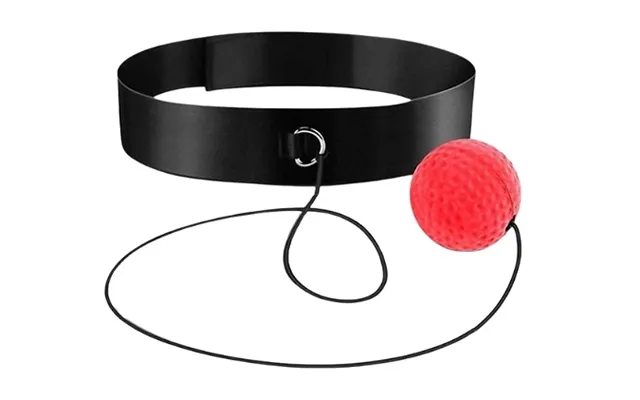
Reflex headbands attach a small ball to an elastic and are fantastic for timing and coordination. They’re portable and great for improving jaw-eye coordination and timing. Use them alongside reaction balls for fuller training—think of headbands as the finesse work and reaction balls as the real-world chaos drills.
Reaction balls sharpen reactive vision; ladders and cones build precise footwork. Combine them: perform a ladder drill, then immediately react to a reaction ball thrown by a coach or partner. This combo trains fast feet and fast brains at once—like teaching your body to read and react while sprinting through a maze.
For solo high-intensity work, a rebounder net lets you practice passing and receiving with more predictability while still controlling speed and angle. Pair nets with reaction balls for hybrid sessions—some passes predictable, some chaotic—to simulate real match conditions.
Keep your reaction balls in a dry place away from direct sunlight; rubber can degrade with prolonged UV exposure. Wipe them down with mild soap and water after muddy sessions and let them air dry. For foam balls, avoid oils and solvents that can break down material. Proper care will keep them performing consistently for months or years.
Always warm up the wrists, shoulders, and legs before intense reaction drills to reduce the risk of strains. Start slow—especially for kids—using softer balls at a short distance, then build intensity. Wear eye protection if you’re doing very close-range high-speed work to prevent accidental hits to the face.
Reaction balls are widely available online and at sports stores. Prices range depending on quality: simple rubber or spiky balls typically cost under $15, while premium multi-lobed or branded training sets can go up to $30 or more. If you’re comparison-shopping, look for sets that include multiple sizes or types—those often deliver the best value per dollar and broaden your training options.
Before you click buy, ask yourself: What sport am I training for? Will I use this indoors or outdoors? Do I need a soft ball for kids? How unpredictable do I want the bounce? Choose a size you can handle, a material that lasts where you train, and a price that fits your budget. A simple checklist keeps decision fatigue low and ensures you get a tool you’ll actually use.
Reaction balls are one of the most efficient, affordable, and enjoyable training tools you can add to your routine. They target core athletic skills—reaction time, hand-eye coordination, agility—while being versatile enough for solo sessions, partner drills, and warm-ups. Start with a soft or single-lobed ball if you’re new, then progress to multi-lobed or heavier rubber options as your speed and confidence grow. A little regular practice turns those surprise bounces into reliable reflexes, and before long you’ll notice quicker hands, smarter footwork, and a sharper game.