All categories
Business & Offices
Electronics & Media
Fashion & Accessories
Groceries & Essentials
Health & Personal Care
Home & Living
Kids & Family
Sports & Outdoors
Search in ZoneOffer
Loading...
If you’re serious about strength gains, the bench is more than a padded board — it’s the foundation of your upper-body work and a hub for attachments that multiply the value of your gym space. Adding the right accessories turns a simple bench into a versatile training station, letting you hit chest, back, legs, and isolation movements without buying an entire machine for each exercise.
Imagine converting your workout bench into a leg press, dip station, or preacher-curl setup in minutes. That’s the power of accessories: they add multiple training options while keeping your footprint small. If space is tight, these modular add-ons are like carrying a toolbox for every lift you want to master.
Bench attachments come in all shapes and sizes, and some are practically essential for a serious home gym. Below are the most common and useful accessories that expand what you can do on a bench.
Leg developers attach to the front of a bench and let you do leg extensions and hamstring curls. Look for foam rollers that are at least 3 to 4 inches thick to protect your shins and knees, and a durable bracket that supports at least 300 pounds of resistance when used with weight plates or machine cable systems.
A preacher curl attachment or standalone pad gives you stability and isolates the biceps for cleaner reps. Choose a pad width that matches your bench — typically 10 to 14 inches wide — and a sloped surface that supports your upper arms without forcing your elbows out of position.
Dips are a compound test for chest, triceps, and shoulders. Compact dip handles clamp onto benches to let you perform bodyweight or weighted dips safely. The handles should be at least 18 inches long and have textured grips to prevent slipping during heavy sets.
Spotter arms or safety catches increase safety on heavy bench presses, especially if you train alone. Ideally, these should be height-adjustable in 1- to 2-inch increments and rated for heavy loads — think 500 to 1,000 pounds — so you can push near your limits with confidence.
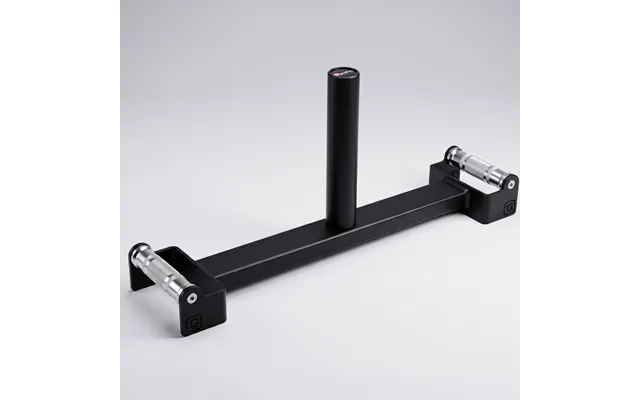
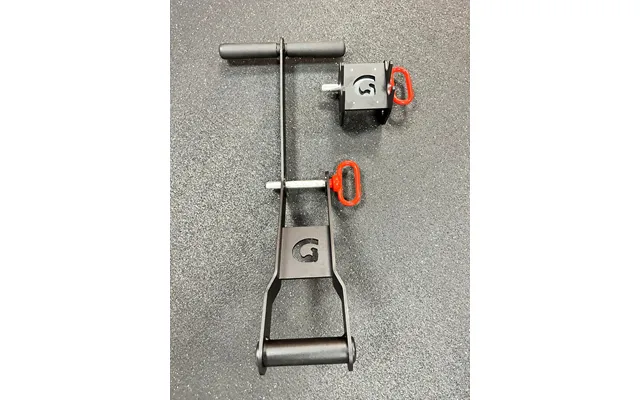
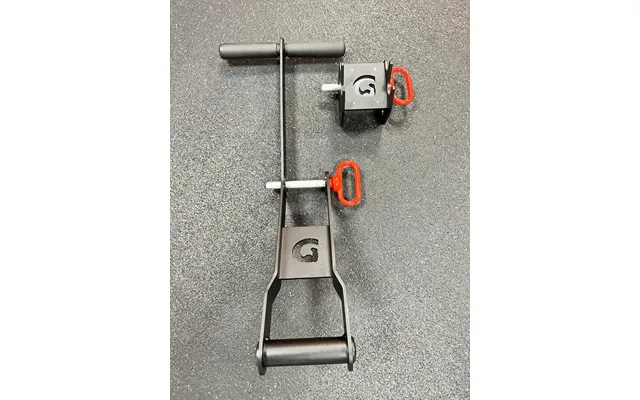
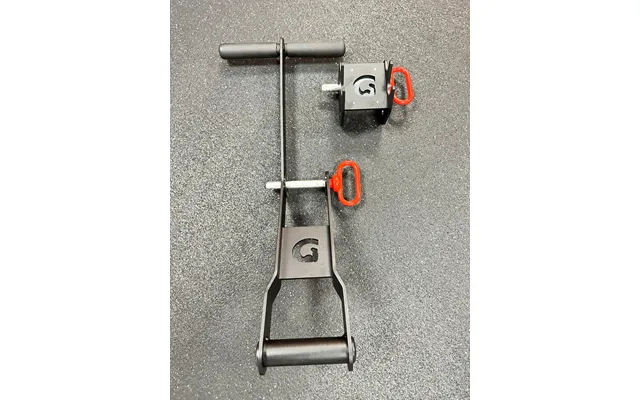
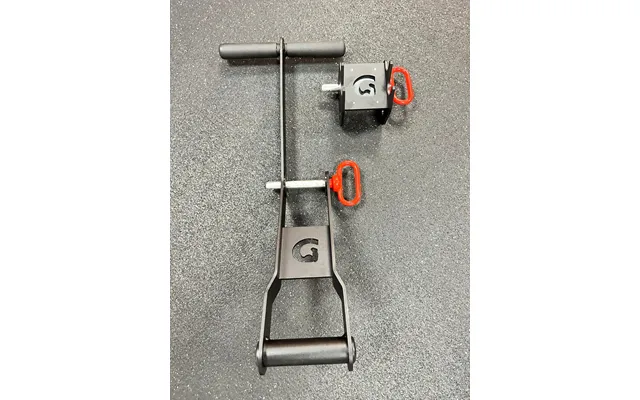
Landmine attachments let you perform rows, presses, and rotational core work with an anchored barbell. Paired with a T-bar handle, you can hit unilateral strength moves and explosive lifts in a compact, space-saving way. A good landmine base will accept standard or 2-inch Olympic bar sleeves and withstand heavy loading.
Not all adjustable benches are created equal. The best benches balance sturdiness, adjustment range, and comfort — and those features determine which accessories will fit and function properly.
Look for benches with multiple incline and decline settings. A quality bench should offer near-flat, 30-, 45-, and 60-degree inclines, plus a 15-degree decline if you plan to do decline presses or sit-ups. The range lets you pair the bench with preacher pads, T-bar rows, and incline accessories for complete upper-body coverage.
Frame gauge matters. For a home gym, a bench built from 11- to 14-gauge steel with a rated capacity of 600 to 1,000 pounds will handle heavy Olympic lifting and attachments. Consider footprint too: benches that are 48 to 56 inches long and 12 to 18 inches wide tend to be stable while still fitting in most rooms.
Quality padding keeps you comfortable and stable during heavy presses. Look for high-density foam (1.5 to 2 inches thick minimum) and durable vinyl that resists tearing and sweat. A slippery bench top kills your confidence mid-rep, so textured upholstery is a plus.
Benches work hand-in-hand with barbells and plates. Accessories here improve safety, convenience, and versatility for bench-based and attachment-based lifting.
Olympic bars (2-inch sleeves) and plates are the best choice if you plan to push heavy loads or use landmine/T-bar setups. Olympic plates typically come in 2.5, 5, 10, 25, 35, and 45-pound increments. Standard bars and plates are cheaper but limit maximum loading and attachment options.
Collars prevent plates from sliding during presses, dips, and landmine movements. Quick-release collars save time between sets, while spring clips are inexpensive and reliable. For heavy bench pressing, invest in sturdier, locking collars rated for heavy lifts.
Plate horns attach to racks and benches to keep plates organized and reduce clutter. A single horn should hold at least three to four plates (up to 180 pounds total) and be easy to mount or remove as your setup changes.
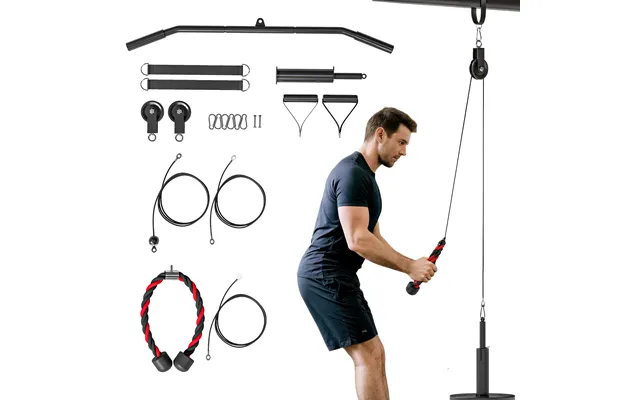
Cable attachments bring constant tension and a variety of angles to bench work. If your bench sits inside a rack or near a weight stack machine, pulleys let you perform chest flyes, cable rows, and triceps extensions from a stable bench platform.
Check whether an attachment requires a low or high pulley. A low-pulley setup is great for seated rows and upright rows, while a high pulley is essential for lat pulldowns and overhead tricep extensions. Compatibility with standard pulleys (1-inch sheave) and enough cable length — typically 8 to 12 feet — prevents awkward limitations during exercises.
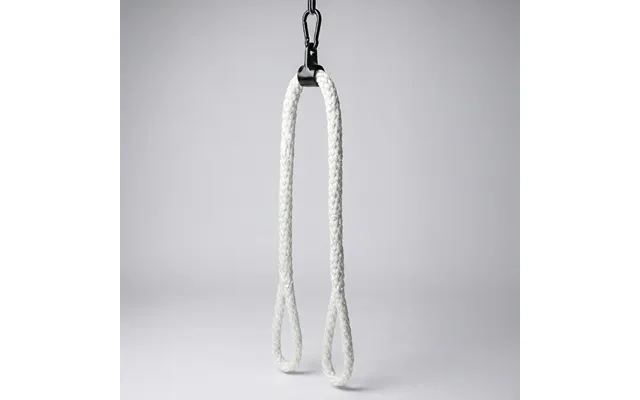
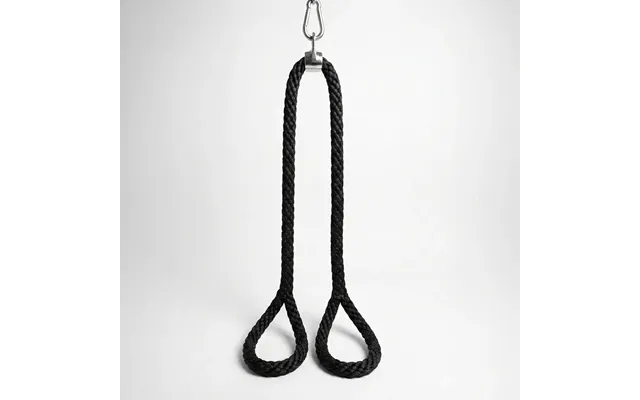
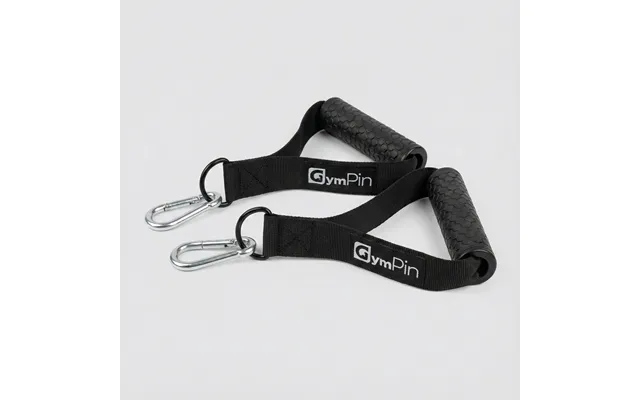
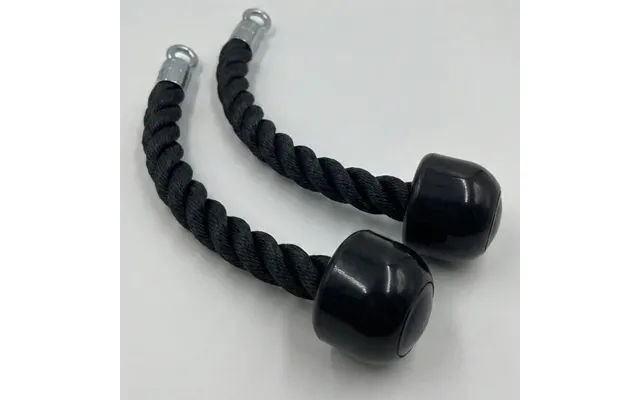
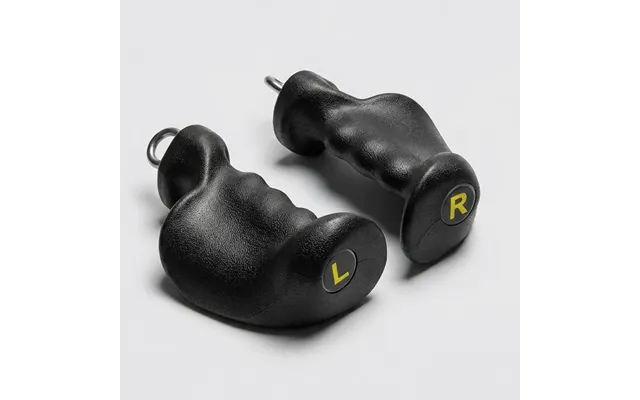
Different handles change the movement pattern and muscle loading. A rope handle is great for triceps and face pulls; a single D-handle is excellent for single-arm movements and preventing muscle imbalances, and a lat bar expands pulling options when paired with a bench for supported rows.
Beyond direct bench attachments, several accessories improve your entire home-gym experience and make bench-based training safer and more efficient.
Heavy rubber mats protect floors and dampen noise when dropping plates or moving benches. Bench anchors or anti-slip pads keep the bench from sliding during dynamic movements. Use mats at least 1/2 inch thick under benches and racks to protect flooring from dropped plates and to stabilize gear.
Organization keeps your training area safe. A small plate tree that holds 4 to 6 plates and a compact dumbbell rack improve access and reduce trip hazards around bench workouts. Well-organized gear means faster transitions and longer, more productive sessions.
Adding bands or chains to barbell lifts changes resistance curves, making the top of a lift harder and encouraging stronger lockouts. Bands are compact and portable; chains add serious mass but require barbell space. Both are excellent for bench press variations and for accommodating progressive overload.
Your budget determines whether you prioritize cost, durability, or feature-rich designs. Here’s a quick guide to help you decide where to invest.
Items like handles, cables, and basic bench mats can be budget-friendly and still do the job. Look for well-reviewed brands that balance quality and price for accessories that don’t directly carry maximal weight loads.
Invest in a strong, adjustable bench, spotter arms, and a solid barbell if you plan to lift heavy. These are safety and longevity purchases — a better bench frame, thicker padding, and heavier-rated attachments pay off in confidence and performance.
Accessories last longer when you care for them. Regular maintenance reduces unexpected failures and keeps performance consistent over time.
Wipe down pads and upholstery after every session to remove sweat; inspect pins, bolts, and welds monthly. Lubricate moving parts like pivot points and pulleys every few months, and replace worn-out foam rollers before they compromise comfort or safety.
Store bands, collars, and cables away from direct sunlight and heat, which can degrade rubber and vinyl. If you live in a damp environment, keep metal parts dry and apply a light coat of anti-rust spray to exposed steel annually.
Start with a clear idea of what you want to achieve: size, strength, or conditioning. Pick attachments that directly support those goals, and plan accessory purchases over time so you don’t overwhelm your budget or space.
If your goal is hypertrophy, pick preacher pads, leg developers, and multiple bench angles to target muscles from different vectors. For raw strength, prioritize a sturdy bench, spotter arms, heavy plates, and an Olympic bar. For functional or athletic training, landmine attachments and cable systems provide dynamic movement patterns.
Many bench accessories are bolt-on or clamp-on, but some require a compatible frame or mounting plate. Before buying, measure your bench: note the distance from the floor to the bench top, the width of the frame rails (in inches), and how far the bench extends forward and back.
With basic tools, you can often bolt on plate horns or a small landmine adapter to a solid bench frame. Use grade-8 bolts for strength, and always double-check load ratings. If a kit requires welding or significant modification, it’s better to choose a bench designed for that accessory.
Here are a few pairing ideas that cover most training needs without filling a garage with machines.
Start with an adjustable bench rated for 1,000 pounds, add spotter arms, an Olympic bar, 2 x 45-pound plates, and locking collars. Throw in a landmine and T-bar handle for rows and presses, and you’ve got a compact powerhouse.
Combine an adjustable bench with a preacher curl pad, leg developer, rope attachment for cable work, and several pairs of dumbbells or adjustable dumbbell sets. This setup maximizes muscle targeting without requiring a huge space.
Comparison sites and product aggregators make it easier to spot deals, check compatibility, and read user reviews before you buy. Look for product pages that list load capacities in pounds, dimensions in inches, and clear photos showing attachment points.
Avoid listings that don’t state weight ratings, omit hardware details, or show vague photos of attachments. If an accessory looks like it’s designed for light home use but is priced like a commercial model, ask sellers for specs in writing.
Before you click buy, run through this checklist: Will the accessory fit my bench frame width in inches? Is the rated capacity in pounds adequate for my heaviest planned lift? Are mounting bolts and hardware included? Does the return policy allow testing the fit? These small checks save headaches later.
Investing in weight lifting machine and exercise bench accessories is one of the smartest moves you can make for a home or garage gym. The right attachments expand exercise variety, improve safety, and let you progress without buying multiple standalone machines. Prioritize a solid adjustable bench, choose attachments that match your goals, and pay attention to load ratings and fit measured in inches and pounds. With thoughtful choices, your bench can become a multi-tool that supports years of gains.
| Weight Lifting Machine & Exercise Bench Accessories | Price | |
|---|---|---|
| Condor Dual - Spare Rubber Belt | £ 3,25 |