All categories
Business & Offices
Electronics & Media
Fashion & Accessories
Groceries & Essentials
Health & Personal Care
Home & Living
Kids & Family
Sports & Outdoors
Search in ZoneOffer

Loading...
Weighted clothing refers to garments and accessories designed to add extra load to your body during exercise or daily activities. Think of them as wearable resistance — like strapping a small, controllable dumbbell to your torso, wrists, or ankles. The idea is simple: by increasing the weight your body works against, you boost effort, calorie burn, and strength adaptations without changing your basic movements. Whether you’re walking, doing push-ups, or practicing sports drills, weighted clothing quietly makes the session tougher and more effective.
Why put on extra weight when you could just lift heavier dumbbells? Because weighted clothing adds resistance in real-world, movement-friendly ways. It forces stabilizer muscles to work, improves posture under load, and increases the intensity of aerobic sessions without needing a gym. For athletes, it’s like training with a subtle performance multiplier — you get stronger, faster, and more power-packed. For everyday fitness fans, it’s a way to squeeze more results into the same workout time.
Weighted clothing isn’t one-size-fits-all; there are several types, each built for different goals. Popular options include weighted vests, ankle and wrist weights, weighted shirts or compression tops, and belts with removable weights. Knowing the differences helps you pick what fits your routine, whether you’re a runner, a home-gym lifter, or someone who wants a better burn on daily walks.
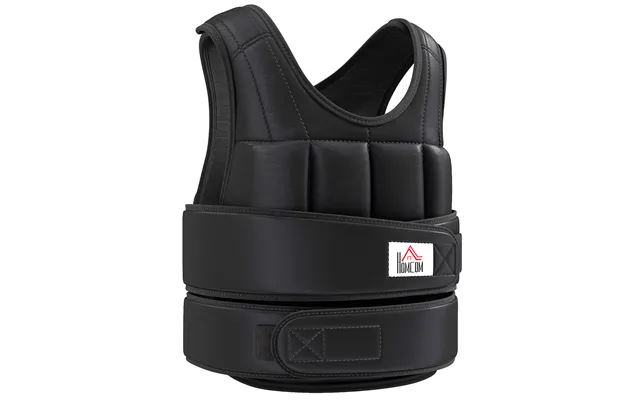
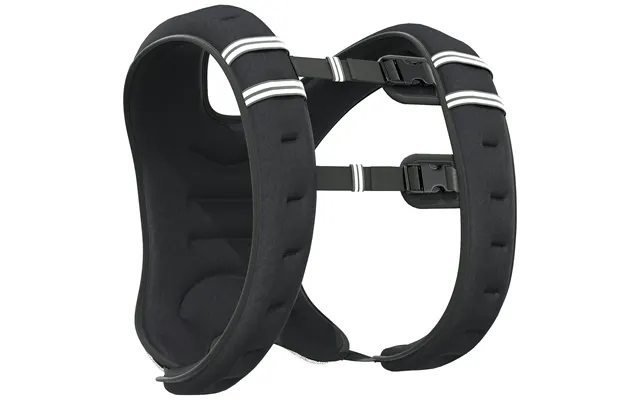
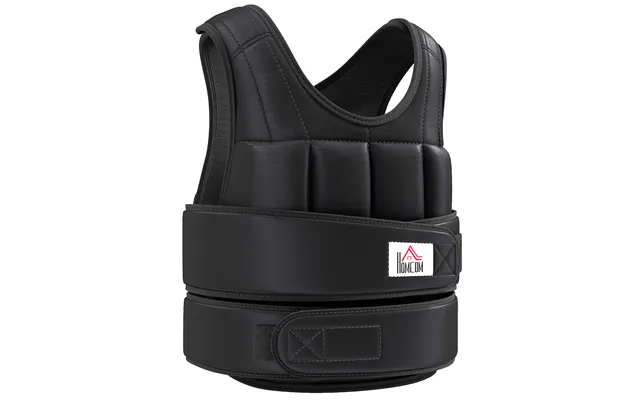
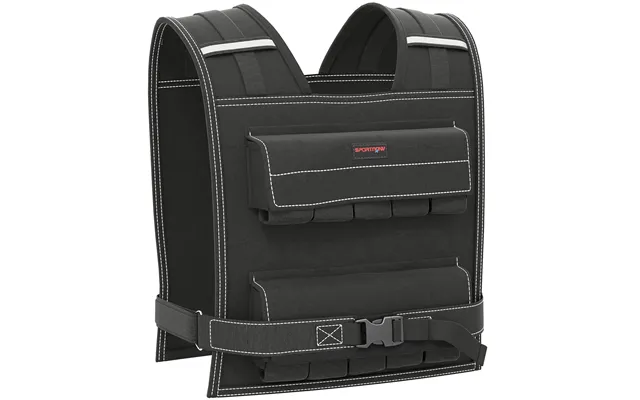
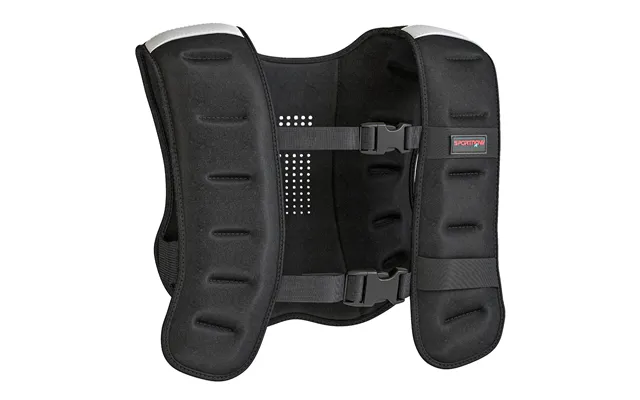
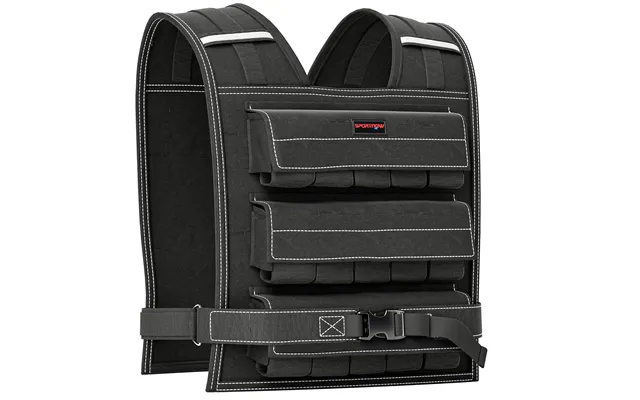
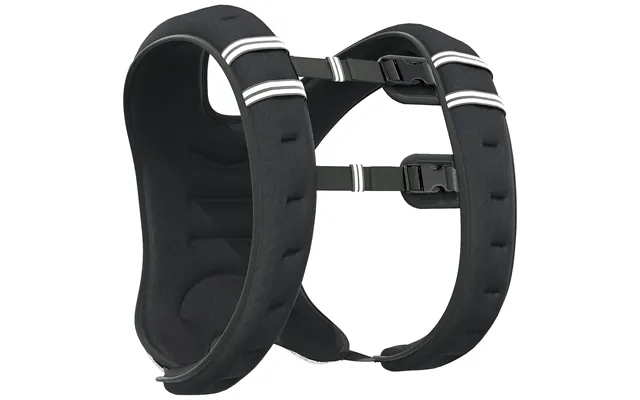
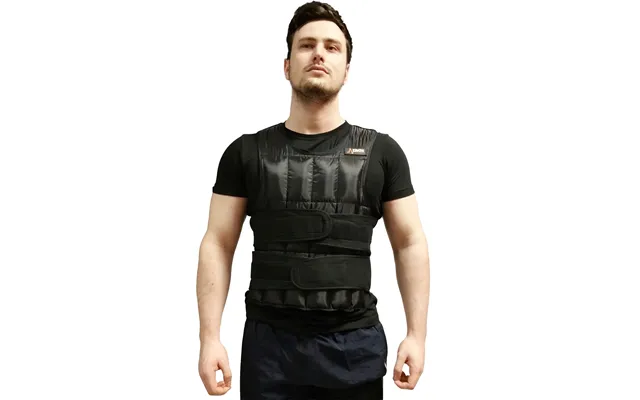
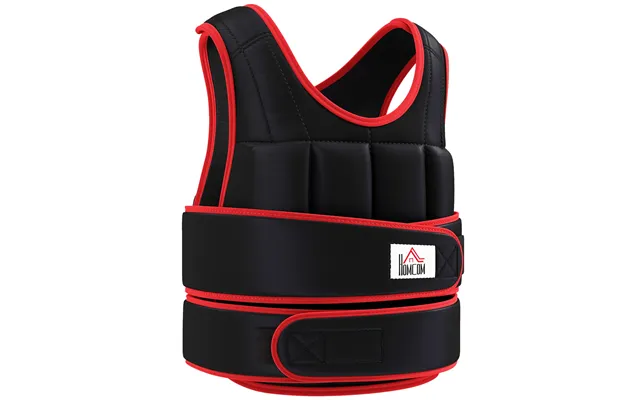
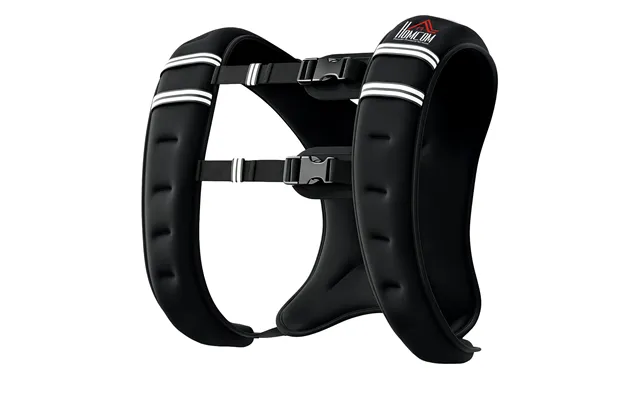
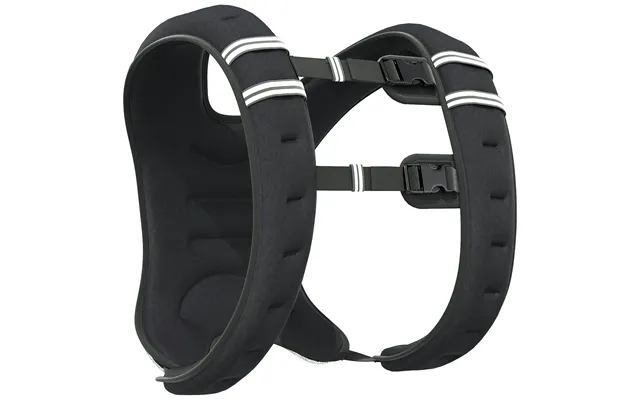
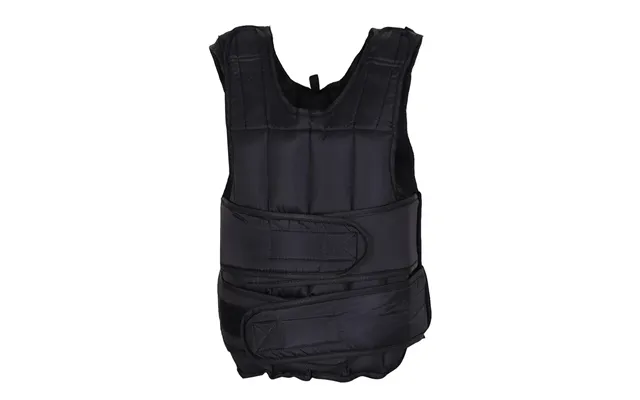
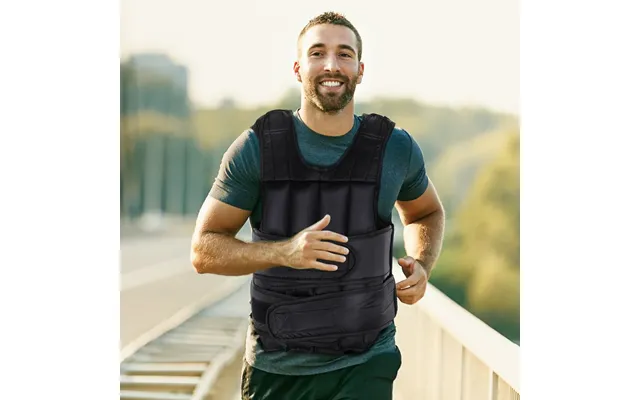
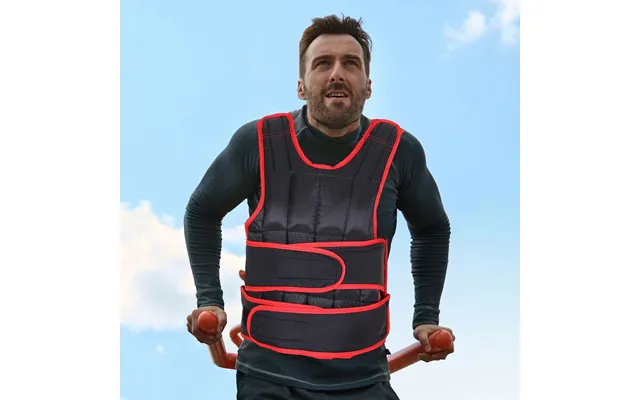
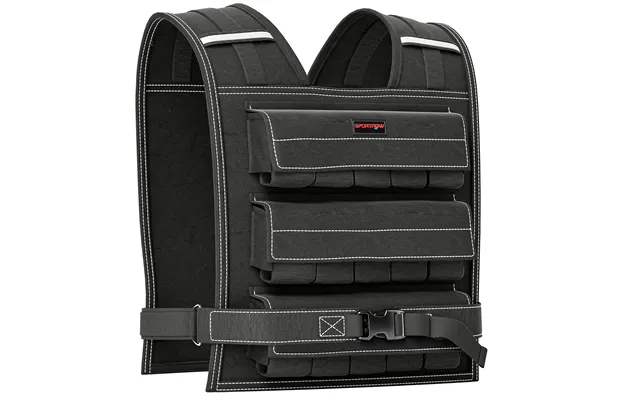
Weighted vests are the most versatile and common option. They distribute weight across your torso, keeping your center of gravity close to your natural movement patterns. Adjustable vests that range from 5 lb to 40 lb are especially useful: you can add or remove plates as you progress. Vests are great for bodyweight exercises, hill sprints, walking, and even general daily wear if you’re slowly building endurance.
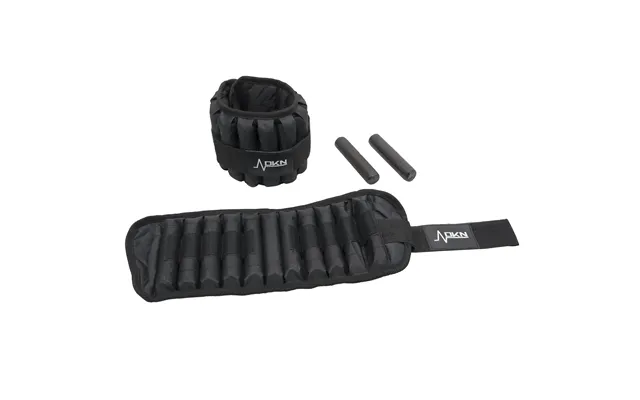
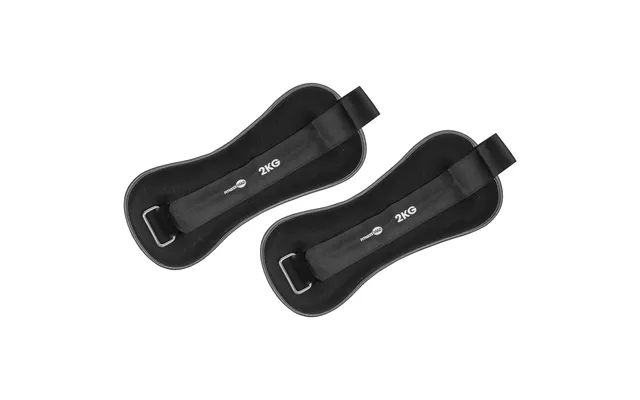
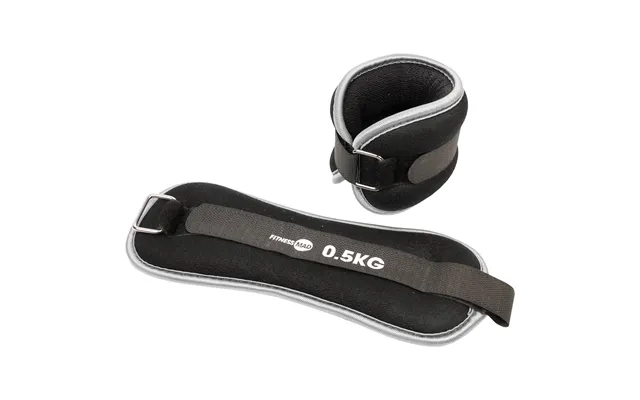
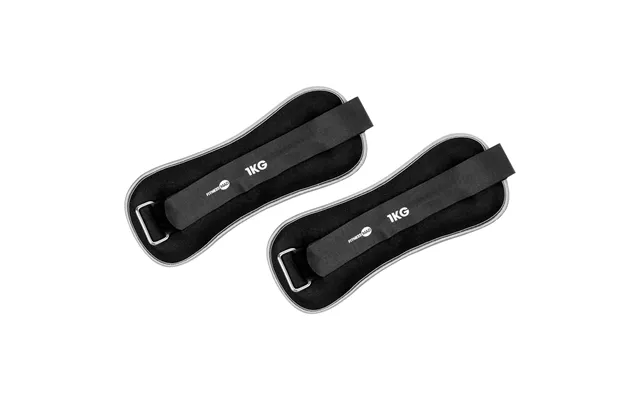
Ankle and wrist weights concentrate load at the extremities, increasing the effort needed for leg lifts, walking, kicking, or arm raises. These usually come in lighter increments — 1 lb to 5 lb per piece — and are fantastic for rehabilitative work, walking, and adding intensity to low-impact routines. Use them carefully; uneven or excessive weight at the limbs can alter movement patterns if overused.
Weighted shirts and compression tops integrate weight discreetly into the fabric or inner pockets. They offer a snug, low-profile option for athletes who want resistance without bulky plates. These garments are often designed for sports-specific training like sprint drills or agility work, where Freedom Of Movement is essential. They blend wearability with resistance more seamlessly than heavy vests.
Belts with removable weights or clothing with built-in pockets let you target load around the hips or specific muscle groups. These are handy for carrying smaller amounts of weight during running or for attaching weights for specific lifts. The hip area is a natural spot for carrying load without affecting upper-body mechanics too much, making belts a good compromise between vests and limb-specific weights.
Weighted clothing offers several measurable benefits beyond just making workouts feel harder. It improves muscular endurance, increases strength when used progressively, and can boost cardiovascular demand in aerobic workouts. It also helps with bone density over time by providing extra impact and loading during weight-bearing exercises. Plus, the metabolic spike after a weighted session can translate into better calorie burn and recovery adaptations.
When your muscles face a higher load during everyday movements, they adapt by getting stronger. Weighted clothing is particularly useful for bodyweight trainees who have hit a plateau; adding a 10 lb vest to push-ups or pull-ups can quickly elevate intensity and lead to meaningful strength gains. It’s a subtle way to overload without changing exercise mechanics drastically.
Walking, hiking, or jogging with a light weighted vest — say 5 lb to 15 lb — raises heart rate and breathing rate without altering stride too much. That’s a great way to increase aerobic conditioning for the same time spent moving. Even short bursts like hill sprints with a vest can improve power output and recovery between intervals.
Athletes use weighted clothing to simulate resistance in sport-like movements. Sprinters, soccer players, and basketball players can add short-duration weighted runs or agility drills to improve acceleration, change of direction, and explosive strength. The key is moderation: short, targeted sessions with lighter loads often yield the best sport-specific gains.
Choosing the correct weight is crucial. Too light, and you won’t progress; too heavy, and you risk form breakdown and injury. Start conservatively. If you’re new, a 5 lb to 10 lb vest or a pair of 1 lb to 3 lb ankle weights is a sensible starting point. For experienced strength athletes, adjustable vests that allow you to dial up to 20 lb or more can be a smart investment for progressive overload.
If you’re just starting, think in small increments. Add 5 lb to your walking routine and see how your posture and joints respond over a week. For bodyweight moves like squats and lunges, start with 5 lb to 10 lb on the torso. Pay attention to breathing and form — if either suffers dramatically, step back to a lighter load or shorter intervals.
For seasoned trainees, aim to increase weight in 5 lb increments for vests and 1 lb to 2 lb for limb weights, while keeping sets and reps challenging. Use weighted clothing strategically: add it to the last set of an exercise, use it for interval sprints, or wear it for timed conditioning circuits. The trick is to progress slowly and prioritize technique over ego.
A poorly fitting piece of weighted clothing will ruin your workout faster than anything else. Look for adjustable straps, breathable fabrics, and evenly distributed weight pockets. Padded shoulder straps and curved plates reduce chafing and pressure points. A snug fit keeps the load stable so you’re not fighting shifting weights mid-movement.
Choose gear that lets you customize the load and fit. Adjustable vests that accept removable plates are versatile because they serve beginners and advanced users alike. Check size guides and measurement ranges in inches for chest or waist measurements to ensure a good fit. If you’re between sizes, opt for the larger one with more strap adjustment to avoid constriction.
High-quality weighted clothing uses moisture-wicking fabrics and mesh panels to improve airflow. Look for padding around contact points like shoulders and hips to prevent bruising and discomfort. Long workouts with a non-breathable vest can become a sweaty, chafed mess, so prioritize comfort if you plan to wear the weight for 30 minutes or more.
Weighted clothing expands what you can do with bodyweight and cardio training. It’s useful for everyday moves as well as athletic drills. Below are some effective ways to use weighted gear without turning every session into a maximal-lift day.
Walking with a 5 lb to 20 lb vest adds meaningful resistance to outdoor and treadmill sessions. For hiking, a light vest helps simulate a loaded back but keeps the load closer to your center for better balance. It’s a practical way to boost calorie burn on low-impact days.
Push-ups, pull-ups, dips, lunges, and squats benefit from added torso weight. Attach a 10 lb vest for pull-ups to increase the challenge, or wear ankle weights for leg lifts to target hip flexors. These small changes can dramatically increase time under tension and drive strength gains.
Short sprints and shuttle runs with light weighted clothing — often 5 lb to 15 lb — can help develop power and speed. Use intervals and keep the load low so sprint mechanics aren’t compromised. Weighted agility ladders or cone drills can enhance foot speed and change-of-direction strength.
Contrary to intuition, a light weighted vest can make some yoga sequences more challenging and effective by increasing core demand and balance. Stick to very light loads like 1 lb to 5 lb so you maintain flexibility and full range of motion.
Weighted clothing is powerful, but it can be misused. The main rule: never sacrifice form for extra weight. Poor technique under load is an injury waiting to happen. Gradually progress, listen to your body, and avoid long-duration wear with heavy loads — your spine and joints need periodic relief from constant extra stress.
Adding weight changes the forces on your joints. If you notice forward lean, knee caving, or rounded shoulders, reduce the load immediately. Use mirrors or record your movements to check form. When in doubt, dial back to lighter weight and higher reps to retrain proper mechanics.
Heavy ankle or wrist weights can alter gait and lead to joint issues during high-impact or repetitive movements like running. Reserve heavier limb weights for controlled strength work and use lighter options for cardio. Think of limb weights as precision tools, not a one-size-fits-all solution.
Weighted clothing needs routine care to stay effective and hygienic. Many vests have removable weights so the fabric can be washed separately. Wipe down plates after sweaty sessions, air garments out, and follow manufacturer instructions for cleaning. Proper care extends the life of your gear and keeps odors and bacteria at bay.
When shopping, prioritize adjustable systems with good fit and breathable materials. Popular and reliable options include adjustable plate vests, purpose-built compression weighted shirts, and small, secure ankle/wrist weights for mobility work. If you prefer versatility, choose a vest that allows incremental weight additions from 5 lb to 30 lb so it grows with your strength.
If you’re testing the waters, look for lightweight vests in the 5 lb to 15 lb range with removable weights and simple adjustability. These typically offer good value for walking and beginner strength work without a big investment. Minimalist ankle/wrist sets in 1 lb to 3 lb packages are also cost-effective ways to add intensity to cardio routines.
Higher-end vests and compression shirts use curved steel plates, reinforced stitching, and advanced fit systems to minimize movement and maximize comfort during high-intensity sport work. These products often come with modular loading options so athletes can precisely dial in weight distribution for sprinting and agility training.
Some systems combine a light vest with detachable limb weights and a belt, giving you multiple training configurations. These are great for those who switch between running, bodyweight strength, and mobility sessions. Versatility saves space and money in the long run.
When comparing products, focus on weight range in pounds, adjustability, material quality, and customer reviews that note fit and durability. Look for clear size charts in inches and images showing weights distributed in typical exercises. If a product offers a removable weight design, that’s often preferable for washing and progression.
Weighted clothing is a highly practical tool for anyone looking to get more out of their workouts without drastically changing their routine. From light ankle weights that tone hip flexors to heavy-duty adjustable vests that push your strength limits, there’s a solution for almost every goal. Remember to start light, prioritize form, and choose gear that fits comfortably and breathes well. With thoughtful use, weighted clothing can be the simple change that unlocks better strength, more endurance, and smarter training.
| Weighted Clothing | Price | |
|---|---|---|
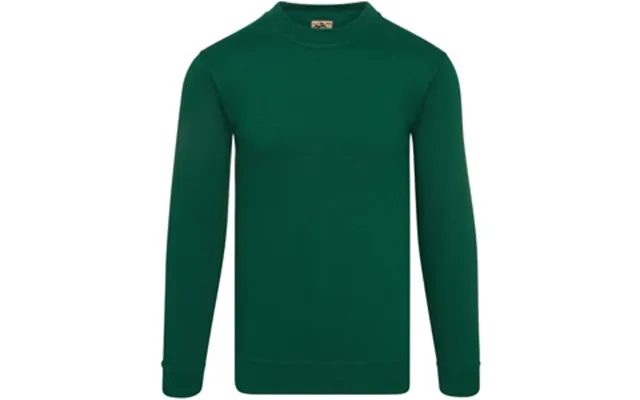
| Orn Kestrel Earthpro Grs Sweatshirt - Bottle | £ 13,38 | |
| Enorsia Womens Blue Sleeveless Curve Hem Workout Top - Uk 16 | £ 15,- | |
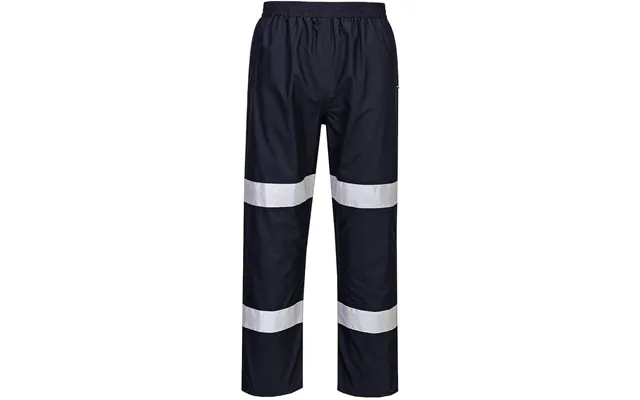
| Portwest Iona Enhanced Lightweight Packable Trousers - Dark Navy | £ 20,50 | |
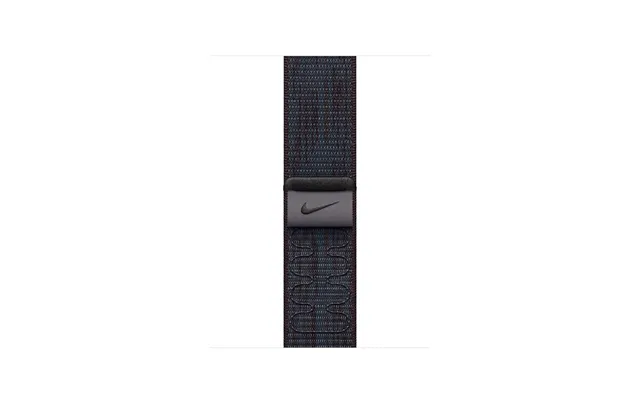
| Apple 42mm Black Blue Nike Sport Loop | £ 29,93 | |
| Invisible Thongs 3-pack | £ 35,- | |
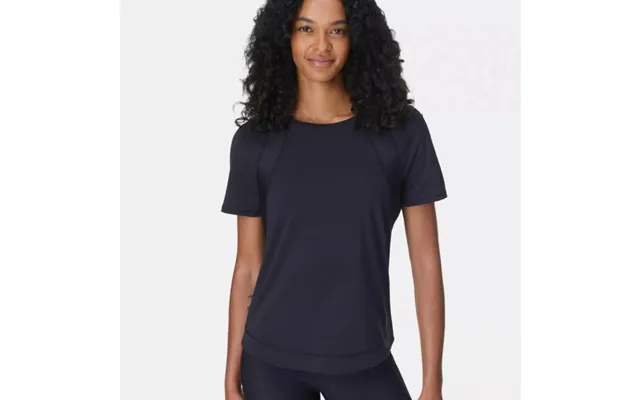
| Sweaty Betty Breathe Easy Mesh T-shirt M Black Women | £ 44,- | |
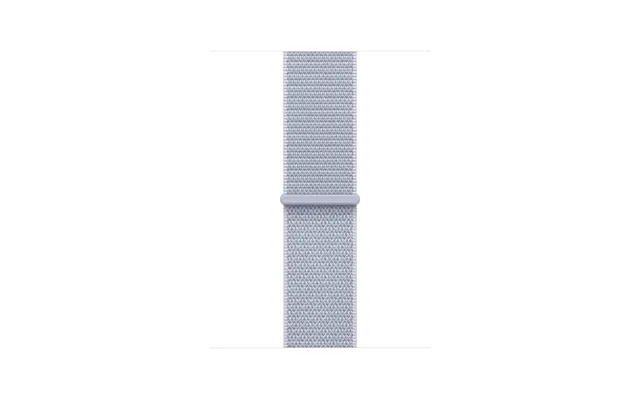
| Apple 40mm Blue Cloud Sport Loop | £ 50,53 | |
| Mcd Weighted Vest 8kg 12kg 20kg Weight Training Body Gear Black 12kg | £ 64,99 | |
| 2xu Aero Mesh Compression Tights S Black Men | £ 72,- | |
| Mcd Weighted Vest 8kg 12kg 20kg Weight Training Body Gear Black 20kg | £ 79,99 |