All categories
Business & Offices
Electronics & Media
Fashion & Accessories
Groceries & Essentials
Health & Personal Care
Home & Living
Kids & Family
Sports & Outdoors
Search in ZoneOffer

Loading...
Climbing is equal parts technique, guts and gear. Pick the wrong harness or a subpar rope and that picturesque crag stops being fun very quickly. The right equipment keeps you safe, boosts confidence and makes progress feel natural — like upgrading from a beat-up sedan to a nimble sports car when you need to carve corners. Whether you’re indoor bouldering or sending a multi-pitch route, choosing gear that fits your style, body and budget matters more than flashy logos.
Safety gear is non-negotiable. These are the items you’ll rely on to protect you and your partner: a harness, helmet, belay device, carabiners and a reliable rope. Think of them as the skeleton of your kit — everything else plugs into this framework. Spend time demoing harnesses and helmets if you can; comfort and fit directly affect how often you’ll wear them.
A harness should feel like a secure hug around your waist and legs without pinching. Women’s and men’s harnesses differ in cut, so try on several sizes. Look at waistbelt width, padding and gear loop layout. Adjustable leg loops can save you when layering for colder climbs. A lightweight sport harness might weigh 10 to 12 ounces, while a more padded all-day trad harness can tip the scale toward 14 to 18 ounces — choose based on how long you’ll hang in it.
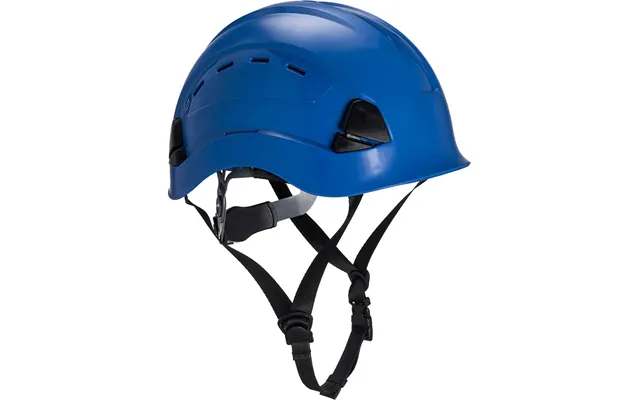
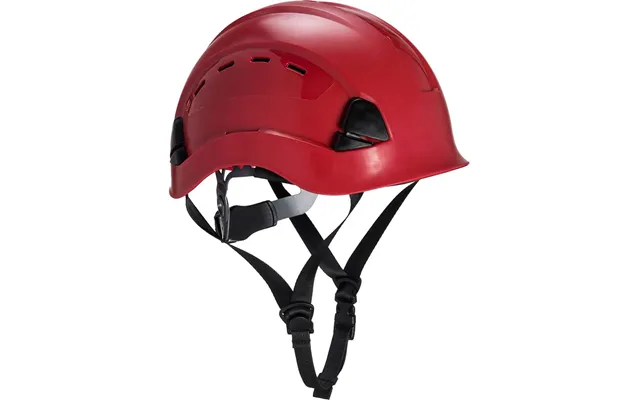
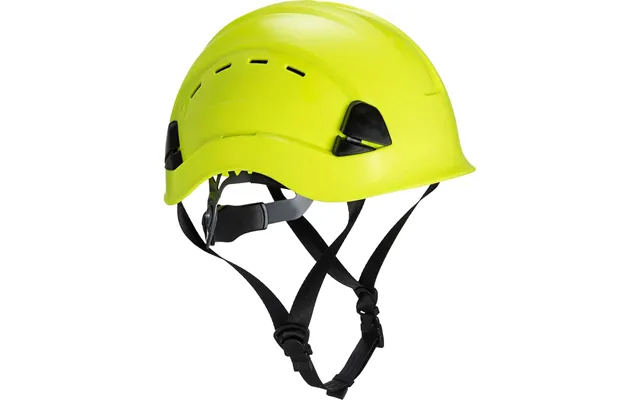
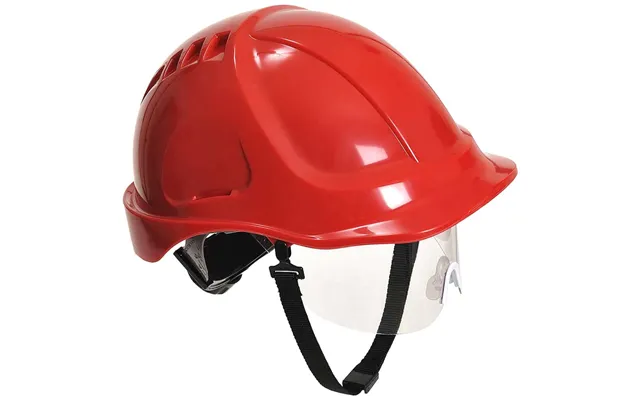
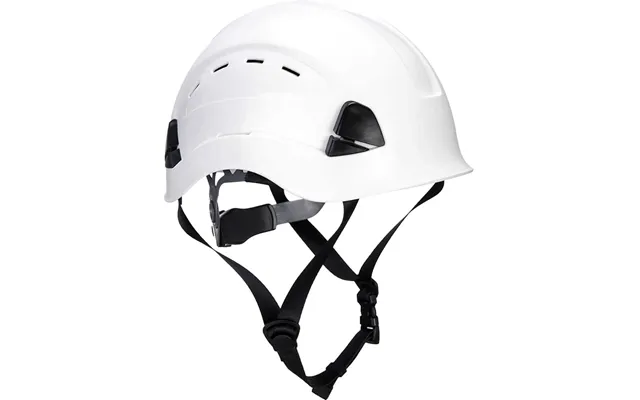
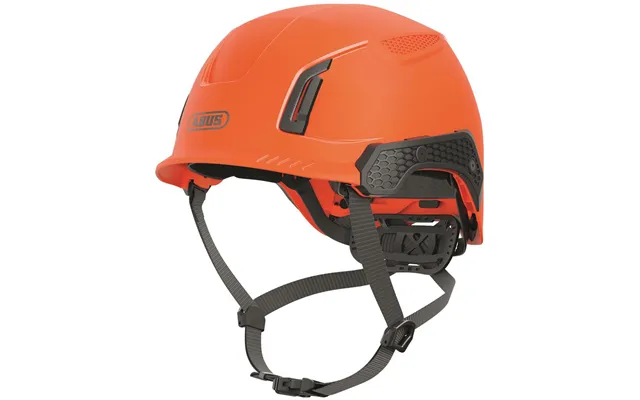
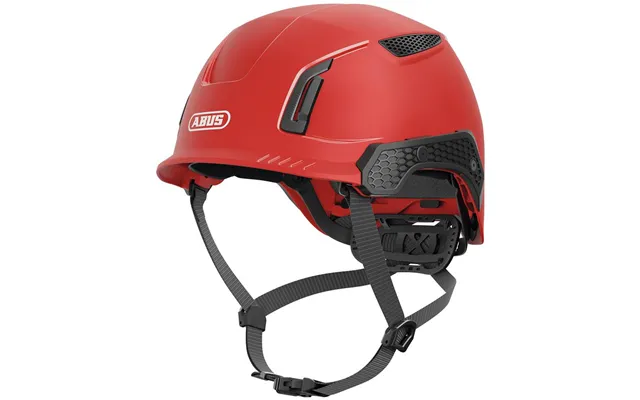
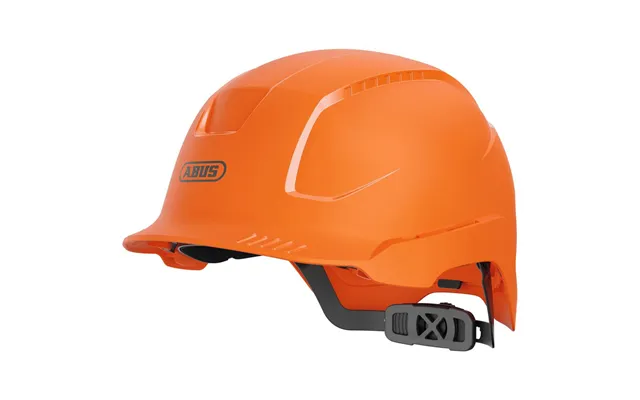
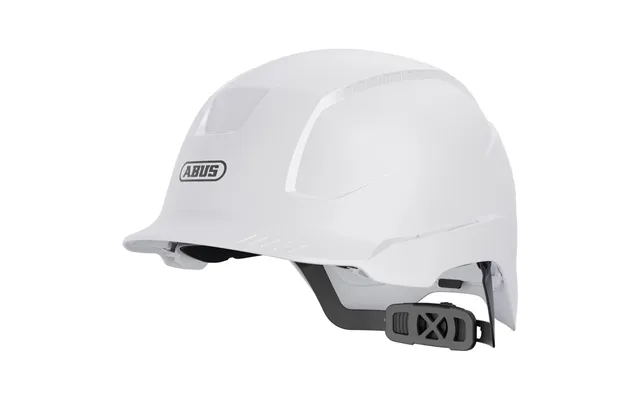
Helmets are the simplest way to avoid a catastrophic head injury from falling rocks or swinging into a wall. Modern climbing helmets often weigh between 10 and 15 ounces and are vented for breathability. Look for helmets that pass climbing-specific tests, fit snugly, and offer chin strap adjustment. If you’re doing alpine approaches or winter climbing, consider a shell that handles ice tools and low temperatures.
Belay devices range from manual tubular devices to assisted-braking models that help catch falls. Assisted devices are especially useful for sport climbers and beginners. Pair your belay device with a locking carabiner for peace of mind; many climbers favor screw-lock or twist-lock designs. Carabiners themselves come in light sport versions at around 2 to 3 ounces, and heavier, wider-gate ones for big trad rigs that might weigh 4 to 5 ounces each.
If you’re venturing beyond gym ropes, rope choice and protection gear become critical. For top-roping and sport leads you’ll probably reach for a dynamic rope around 60 meters — that’s roughly 197 feet — while trad climbers might prefer single ropes around 70 meters (about 230 feet) for longer pitches. Rope diameters commonly land around 0.39 inches (about 9.8 mm), balancing durability and handling. Think about the trade-off: thinner ropes are lighter, thicker ropes last longer and resist dirt better.
Longer ropes give you more options on multi-pitch routes but add weight. A 197-foot rope offers good versatility for most UK crags, while a 230-foot rope helps with long descents. Ropes wear with use: rubbing against rock, dirty chalk and UV exposure all add up. A well-cared-for rope can last several seasons, but heavier or frequently used ropes show wear faster.
For trad climbers, a rack typically contains cams and nuts in a variety of sizes, a set of quickdraws for sport gear and slings for alpine anchors. Quickdraws are usually lighter — around 3 to 5 ounces each — and modern versions include bent gates for easy clipping. Cams and nuts are selected by rock type and crack size; experienced climbers build slowly, starting with mid-range sizes and expanding based on route needs.
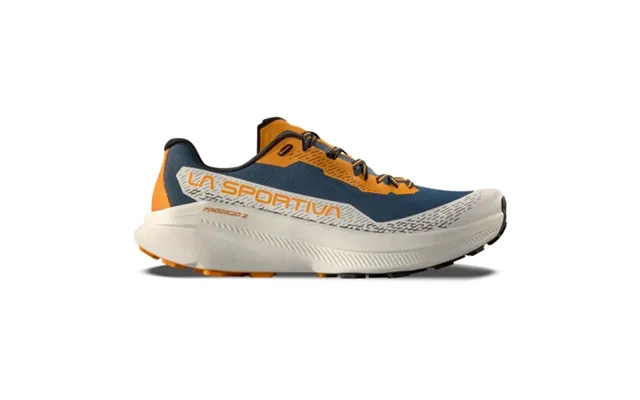
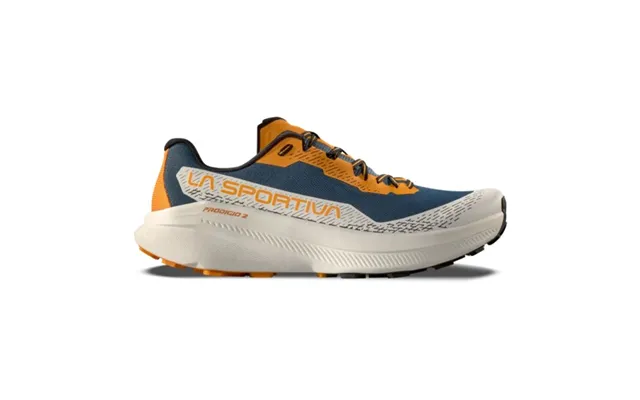
Your shoes are your interface with the rock. A snug fit improves sensitivity and edging precision, but too tight and your feet will complain. Chalk keeps moisture at bay and helps you stick micro-holds, while crash pads cushion boulder falls. Each of these items directly impacts performance and safety in different disciplines.
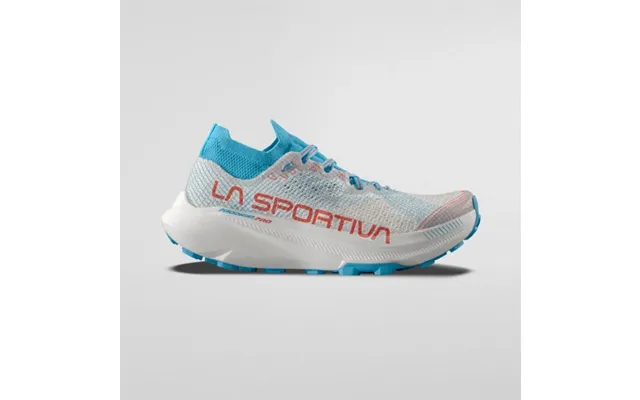
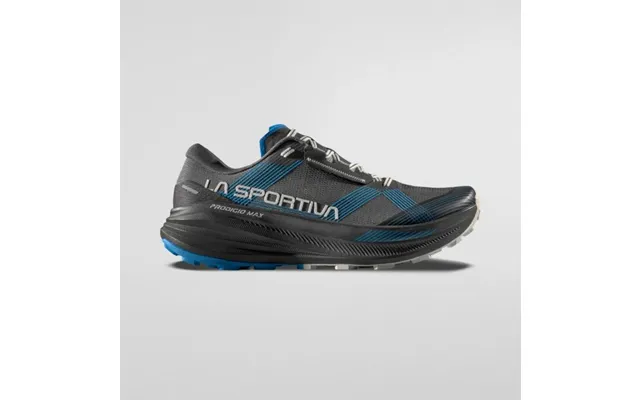
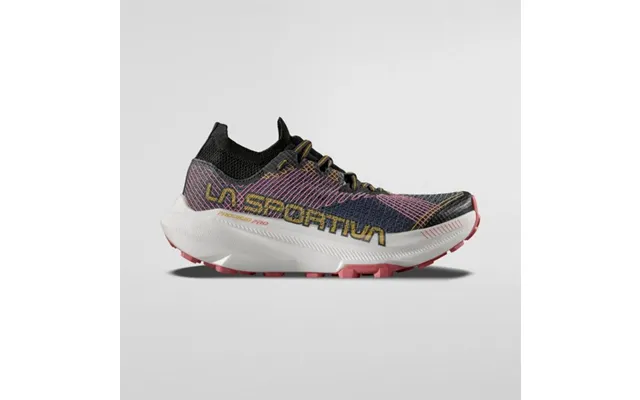
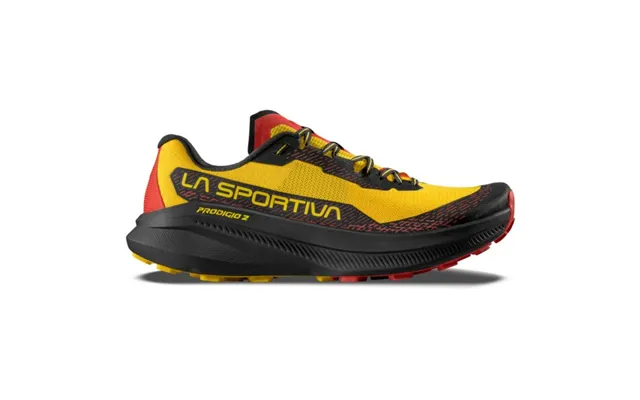
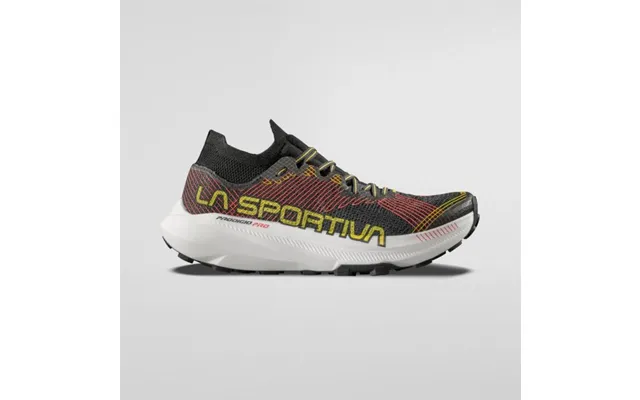
Shoe fit is personal: some climbers prefer an aggressive downturned shoe for steep sport climbs, others want a flatter shoe for comfort on long multi-pitch days. Look for a shoe that matches the type of climbing you do. If you’re a gym climber moving outdoors, a moderate shoe that’s comfortable for all-day use is a smart first buy. Shoelaces, Velcro or hybrid closures are about convenience — Velcro is fast for quick crag sessions, while laces let you dial in fit.
Bouldering pads range from simple single pads to large bi-fold or tri-fold options. Common dimensions are around 4 feet by 3 feet per pad, with stacked thickness giving 2 to 4 inches of foam layers. For serious bouldering you’ll see pads that fold out to cover taller problems and connect with straps to create safer landing zones. Consider portability — some pads weigh 6 to 12 pounds — versus coverage area.
Small accessories often punch above their weight in usefulness. A well-designed chalk bag keeps chalk from spilling; a stiff brush helps clean holds; a haul bag protects your rack on multi-pitch climbs. Don’t ignore tape, a nosey little sling, or a headlamp for early starts — these items solve immediate problems on the rock.
Chalk bags with a fleece lining help control dust and chalk distribution. A small brush — typically nylon bristles about 2 to 3 inches across — cleans holds in a flash. Athletic tape is essential for finger protection and minor skin repairs; bring a roll if you plan to push your limits and tear skin on sharp edges.
Belay gloves add heat protection when rappelling or lowering heavy climbers. Minimalist gloves weigh a couple ounces but can prevent rope burn. A compact multi-tool or small knife tucked into your gear sling can sever stuck material in an emergency. Remember: tools are aids, not replacements for good technique and clear communication.
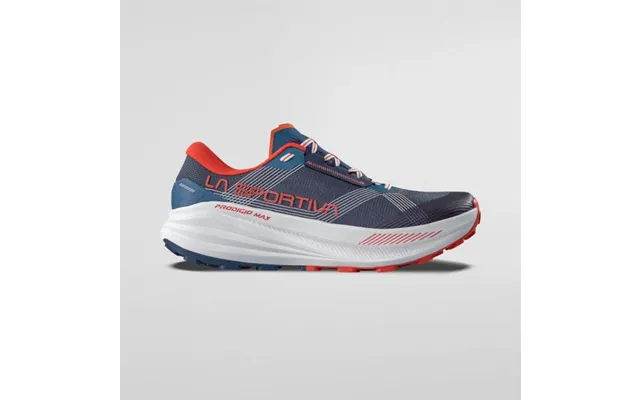
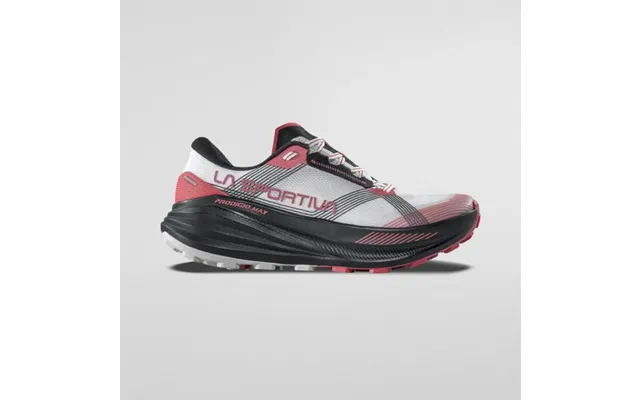
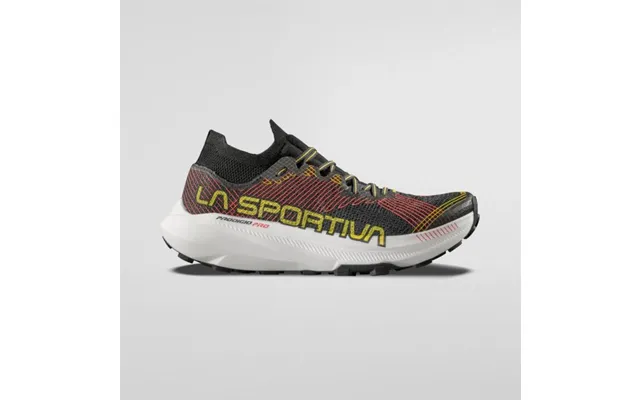
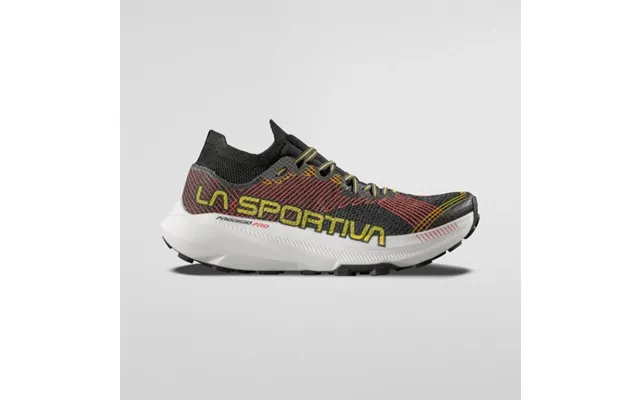
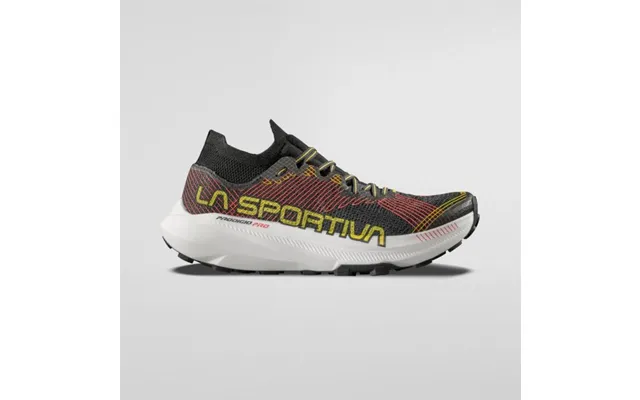
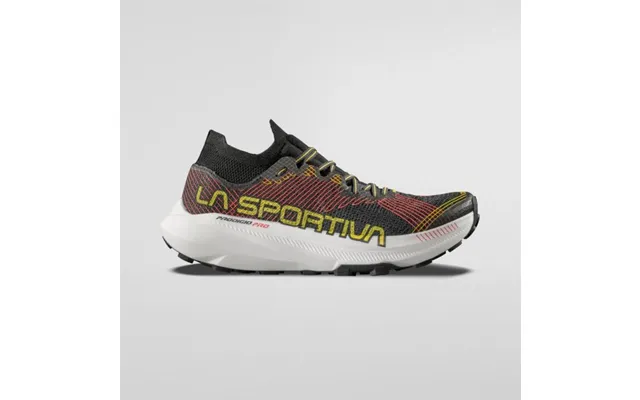
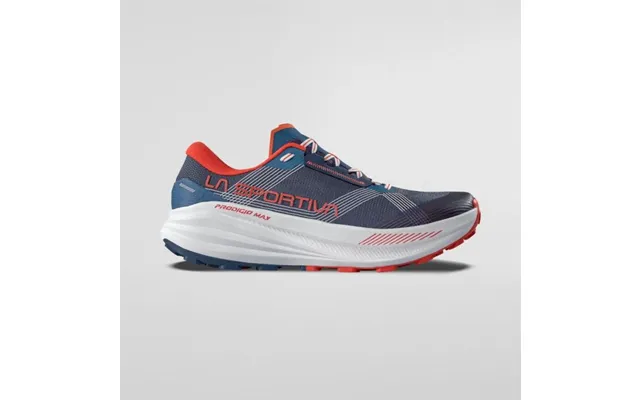
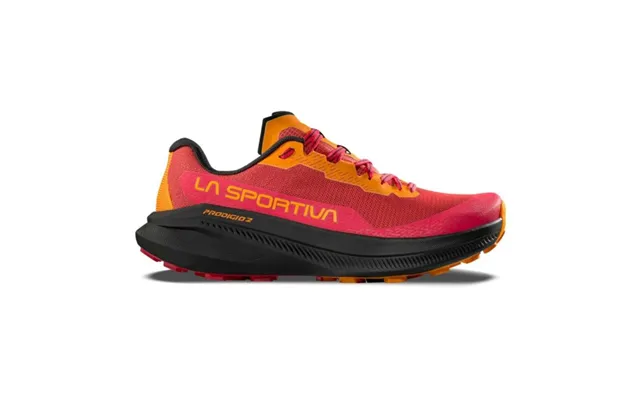
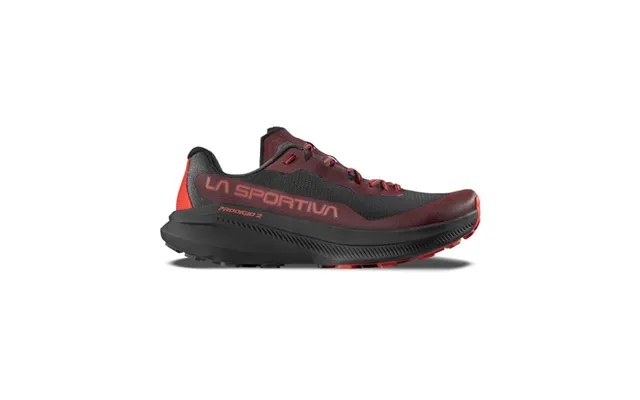
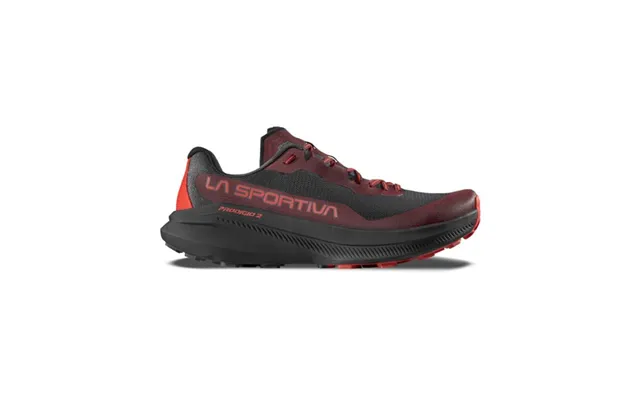
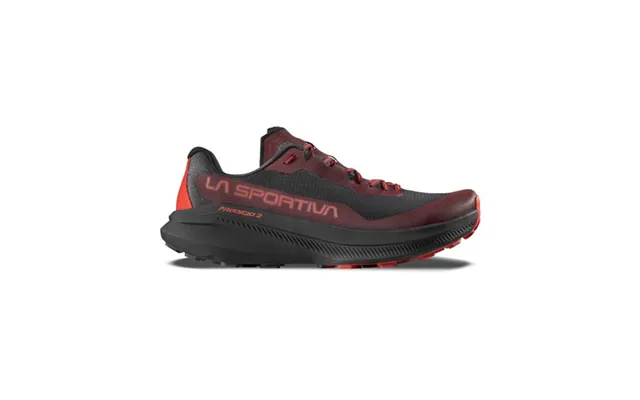
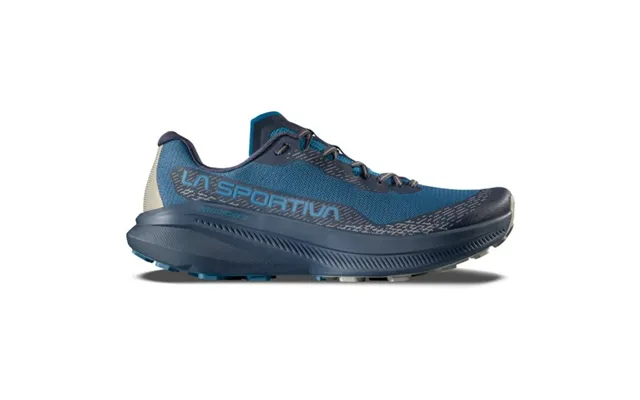
Brands such as Petzl, Black Diamond, La Sportiva, Mammut and Wild Country consistently deliver solid tech and reliability. Petzl and Black Diamond lead with harnesses, helmets and belay devices; La Sportiva is a go-to for shoes; Mammut and Wild Country excel at protection and ropes. Pick gear that balances your budget and climbing objectives — for many, starting with a solid harness, reliable shoes and a mid-range rope gives the best return on investment.
Price-shopping is smart — climbing gear ranges from budget-friendly to premium. Comparison sites and price trackers can highlight discounts across multiple retailers, but don’t chase the cheapest item blindly. A bargain harness with poor fit is a bad trade. Look for seasonal sales around spring and late autumn when retailers clear stock, and consider last year’s models for savings without sacrificing performance.
Choosing gear feels like balancing a three-way scale: weight, durability and cost. Lightweight items save energy on long approaches but often cost more. Durability matters if you climb frequently or in abrasive environments — heavier ropes, thicker shoes and beefier carabiners last longer. If you’re budget-conscious, prioritize safety gear first — spend more on a helmet and harness, compromise on accessories you can upgrade later.
Routine inspection extends gear life and ensures safety. Check ropes for soft spots or frayed sheaths; retire a rope if a core strand shows or if it has a significant cut. Inspect harness stitching and webbing for abrasion. Clean gear with warm water and mild soap, and store it away from direct sunlight and chemicals. Most manufacturers recommend retiring a rope after a major fall or after several years of regular use — keeping a log of heavy falls and usage can help you decide.
Packing efficiently keeps you moving and reduces stress at the crag. A typical single-day rack might include a harness, rope, helmet, six to eight quickdraws for sport routes, a handful of cams and nuts for trad, a belay device with locking carabiner, shoes, chalk, snacks and a headlamp. Keep heavier items close to your body in your pack center to improve balance on approaches.
Climbing gear is getting greener. Some brands now use recycled materials, lower-impact foams and longer-lasting fabrics. Choosing durable gear reduces waste over time. Repair small issues where possible — replace a worn strap or a broken buckle instead of buying entirely new gear. For frequent climbers, consider buying used items from trusted sources for things like helmets or ex-demo gear, but inspect closely before trusting them with your safety.
Start simple, learn with mentors or guides, and invest in quality for the essentials. Rent or borrow shoes and ropes while you find your style, but make your own safety gear purchases — harness, helmet and belay device should be items you trust. Join clubs, go to meetups, and ask questions; climbing communities love helping newcomers. Most of all, measure progress in fun and safety, not just grades.
Choosing the right climbing gear is as much about personal preference as it is about specs. Take time to try things on, compare prices, and prioritize items that protect you. With smart choices, you’ll climb more confidently and enjoyably — and stay looking forward to the next send.
Conclusion: Gear isn’t a one-size-fits-all solution. Match your kit to the climbs you want to do, invest in safety items first, and use comparison tools to find good deals without compromising fit or durability. The right setup gets you outside more often and keeps you returning for more adventures.