


All categories
Business & Offices
Electronics & Media
Fashion & Accessories
Groceries & Essentials
Health & Personal Care
Home & Living
Kids & Family
Sports & Outdoors
Search in ZoneOffer
Loading...
If you’re itching to climb frozen waterfalls or probe steep gullies in the Scottish Highlands, the gear you choose will make or break your day. Ice climbing tools aren’t just accessories — they’re the link between you and the ice. The right tools boost efficiency, reduce fatigue, and keep you safer when conditions get rowdy. Think of them as an extension of your arms and feet: precision-made, balanced, and tuned to the job.
When people talk about ice climbing tools they usually mean a cluster of specialized items: ice tools (aka ice axes for technical climbing), crampons, ice screws, helmets, harnesses, and protective hardware like quickdraws and slings. Each category serves a clear purpose — striking, hooking, edging, or protecting — and understanding the role of each helps you pick complementary pieces rather than mismatched equipment that fights your technique.
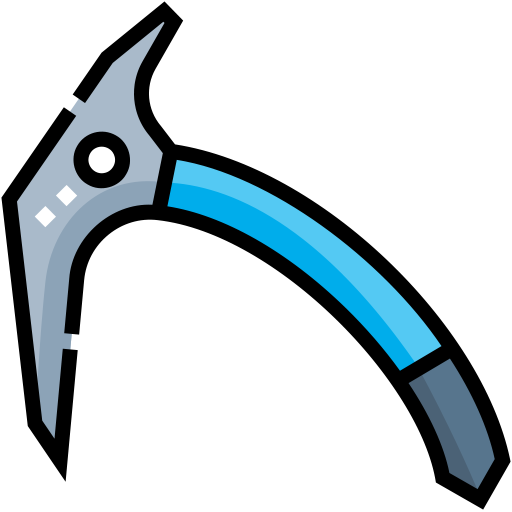
Ice tools are short, heavily curved axes with aggressive picks and ergonomic handles designed for vertical or overhanging ice. They come single or twin (one in each hand). Key things to look for are pick shape, shaft curve, and overall balance. Advanced tools prioritize light weight and modularity for swapping picks; beginner tools emphasize durability and a comfortable grip.
Mountaineering axes are longer and straighter than technical tools and are used for self-arrest, cutting steps, and general travel on snow and ice. If you split time between alpine routes and steep frozen routes, you’ll probably carry one of each: a technical ice tool for climbing and a mountaineering axe for approach and emergency work.
Crampons translate your footwork into traction. For ice climbing, you want front-point crampons — the kind with toe points that let you kick into steep ice. Look for durable steel points if you’re hitting hard, brittle ice, or lighter alloys for mixed routes where you’re on rock and ice. Pairing these with stiff, insulated mountaineering boots keeps your feet supported and your toes from going numb on long belays.
Crampon fit is everything. A poor fit can shift mid-step and make sharp moves feel sloppy. Make sure the plate system, heel lever, and bindings match your boot’s sole and cuff. Many modern crampons offer modular bindings that fit insulated alpine boots as well as more flexible approaches, but always double-check before buying.
Ice screws are your primary protection on ice; they function like bolts in rock climbing. They come in different lengths — commonly 4 to 8 inches — and have different thread patterns. Learning how to place screws in varying ice conditions (hard, soft, sun-affected) is a core skill. Quickdraws and slings connect your rope to screws and natural anchors, and specialty ice protection like pickets and threaded anchors are useful on mixed terrain and bergschrunds.
Shorter screws are easier to place and remove but may not hold as well in soft or layered ice. Longer screws give extra purchase in questionable ice but weigh more and can be slower to thread. A common approach is to carry a selection — a few mid-length screws, a couple long ones for poor ice, and a short one for quick protection close to the start of a pitch.
Ice climbing environments present objective hazards: falling ice, swinging tools, and sharp metal points. A certified climbing helmet is non-negotiable. Harnesses for ice climbing should have robust gear loops and a comfortable haul loop. Leashes that attach tools to your wrist or harness can prevent a dropped tool from taking your partner out, but many climbers prefer leashless techniques for better mobility on technical routes.
Make sure helmets meet recognized standards and fit snugly without rocking. Ventilation helps keep you from fogging or sweating in changeable UK weather. A well-fitted helmet will sit level and stay put when you nod your head — that simple test separates a helmet that protects from one that just shields.
Across the UK market you’ll see top-tier brands like Petzl, Black Diamond, Grivel, CAMP, and Simond leading in innovation. Petzl and Black Diamond make highly modular ice tools and lightweight crampons; Grivel and CAMP carry a legacy in traditional steel tools and reliable priority hardware. If you’re hunting for deals, comparison sites for outdoor discounts list rotating popular offers on seasonal gear, bundles, and demo models — a smart way to compare prices before committing.
Use comparison sites and affiliate aggregators to scan current offers across multiple retailers. These platforms compile discounts on ice tools, crampons, and screw packs so you can see who has the best price and check product specs side-by-side. Remember, price is one part of the story — after-sales support, warranty, and local service matter a lot when your gear needs repair.
Picking an ice tool is a blend of biomechanics and preferences. Ask yourself: how steep or technical are the routes you plan to climb? Are you moving into mixed climbing that involves rock features? If you’re mostly vertical water ice, go for tools with aggressive picks and curved shafts. If mixed climbing is in your future, prioritize tools that can take a hammer or have replaceable picks designed for both ice and dry tooling.
Lightweight tools reduce arm pump and fatigue on long routes, but they can be less forgiving in contact with rock. Heavier, beefier tools absorb shock and tend to last longer if you frequently hit rocky sections. Balance your priorities: if you climb long, sustained lines, favor lighter tools; if you pound out mixed routes, choose durability.
Regular maintenance extends gear life and ensures safety. Rinse tools and crampons after salty or gritty approaches, then dry and lightly oil moving parts. Sharpen crampon points and ice-tool picks carefully — you want crisp edges, not blunted metal. Inspect screws for stripped threads and dispose of any compromised anchors. Replace worn leashes, slings, and carabiners before they show critical wear.
Store gear in a cool, dry place away from direct heat. Leave picks covered or use guards to avoid snagging and accidental cuts. If your gear sat through a long season, do a full inspection before spring to check for stress fractures or rust, especially if you’ve been on coastal routes where salt accelerates corrosion.
If you’re just starting, don’t buy everything at once. Begin with essentials: a pair of front-point crampons that fit your boots, a comfortable insulated mountaineering boot, one solid technical ice tool or a pair if you plan to climb vertical ice, an ice screw set, a helmet, and a harness. Join a guided course to learn placements, belay techniques, and self-arrest. Rental shops are a cost-effective way to try gear before buying.
Renting allows you to sample different brands and setups before committing. If you only plan a couple of trips per year, rentals and guided equipment reduce upfront cost. But frequent climbers quickly recoup their investment in personal gear that’s properly fitted to their style and body mechanics.
Advanced climbers look for modular tools with aggressive picks, interchangeable heads, and ergonomic handles. Tools that accept modular hammers or have a flared pommel for rest positions can be game-changers on long mixed routes. Look for picks with replaceable teeth and advanced coatings that shed ice and reduce friction.
On harder terrain, your rack will include a mix of screw lengths, long slings, a couple of pickets or hammers, and enough quickdraws for protection transitions. Practice efficient clipping and swapping tools quickly so you spend less time fiddling and more time climbing. Smooth systems keep pump down and confidence up.
Equipment is only as good as your skills. Spend time practicing screw placement, anchor building, and self-arrest techniques in controlled environments before heading into committing objectives. Learn to read ice: wind-blown, sun-affected, and refrozen ice all behave differently. Always check avalanche forecasts and local conditions — the UK may have limited avalanche exposure, but alpine-style weather and cornice falls are real hazards.
Effective partner communication is critical. Use simple, rehearsed commands for calls like “Screw,” “Clipping,” and “Clear.” Learn basic crevasse and anchors rescue skills: a few practiced rope systems for hauling a stuck leader or lowering an injured partner are essential for remote climbs where help can be hours away.
Before you click “buy,” run through a quick checklist: Is the tool compatible with your boots and crampons? Are spare picks and parts readily available? What’s the warranty like? Does the retailer or comparison site list current popular offers or bundle deals that include screws and slings? Does the weight match your endurance level? Answering these keeps surprises to a minimum and ensures you invest in gear that fits your climbing future.
Ice climbing in the UK offers a wild mix of conditions, from brief Scottish winter crags to alpine snowfields. That variety means flexible gear choices and a little patience while you find the setup that clicks for your style. Use resources like comparison sites to find competitive prices and popular offers, but never skimp on safety. Invest in quality tools that fit you, and pair them with the right training — your future self will thank you on the second pitch when the weather turns.
Ready to start? Make a plan: take a course, rent to test, and compare offers across retailers so you get the best gear for your goals without overpaying. When you’re geared up and confident, the ice becomes less of an obstacle and more of a playground.
Conclusion: The perfect ice climbing tool setup balances precision, durability, and comfort. Whether you’re buying your first pair of crampons or upgrading to a modular technical tool, focus on compatibility, fit, and the skills to use them. With the right gear and a solid technique, UK ice routes become achievable adventures rather than intimidating risks.
| Ice Climbing Tools | Price | |
|---|---|---|
| Silicone Ice Crampons With 10 Steel Studs - Small | £ 4,99 | |
| Silicone Ice Crampons With 10 Steel Studs - Large | £ 4,99 | |
| Silicone Ice Crampons With 10 Steel Studs - Medium | £ 4,99 |

