

Fishing Gaffs price list
Last updated Wednesday, 14 Oct 2026
| Fishing Gaffs | Price |
|---|---|
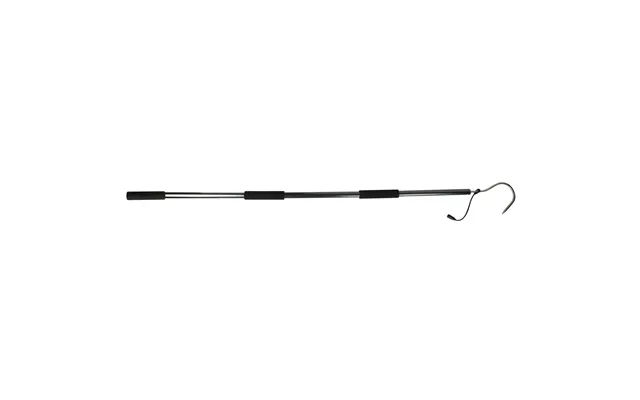
| Reinforced Floating Gaff Ragot | £31.37 |
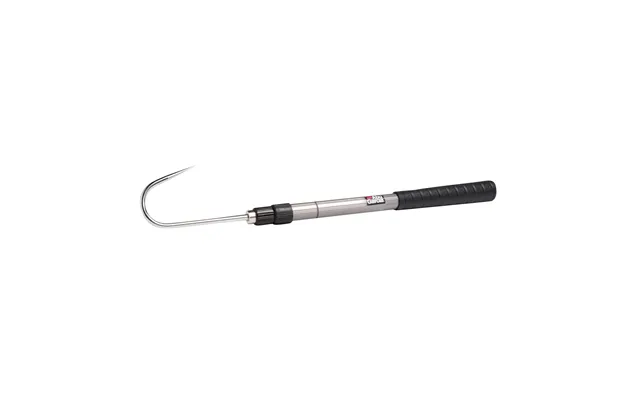
| Telescopic Gaffe Abu Garcia 90-t | £34.93 |





Loading...
Last updated Wednesday, 14 Oct 2026
| Fishing Gaffs | Price |
|---|---|
| Reinforced Floating Gaff Ragot | £31.37 |
| Telescopic Gaffe Abu Garcia 90-t | £34.93 |
If you fish from a boat or heavy shore spots, a solid fishing gaff can be the difference between landing that trophy and watching it slip away. Think of a gaff as an extension of your arm—strong, reliable, and built to handle the sudden weight and thrash of a big fish. A poor-quality gaff can bend, break, or tear into the fish in ways that ruin a fillet or create safety hazards. Investing in the right gaff keeps you and your catch safe and helps you enjoy more successful outings.
Not every gaff is built for the same job. There are a few main types you’ll run into, and choosing the right style depends on where and how you fish.
Fixed-head gaffs have the hook permanently attached to the handle. They’re simple, sturdy, and ideal for heavy-duty work—think landing large saltwater fish at the boat’s rail. If you want maximum strength and minimal moving parts, fixed-head gaffs are a reliable choice.
Folding gaffs are designed for convenience. The head folds down for compact storage, which is great on cramped boats or when you carry gear in a pack. They aren’t always as strong as fixed heads, so use them where you don’t expect to tackle the largest specimens.
Telescopic gaffs extend in sections, usually ranging from a few feet to a dozen feet. They are perfect for reaching over the boat rail or dropping down to a hooked fish from the pier. The trade-off is that more sections can mean slightly less overall rigidity, so look for models with secure locking mechanisms if you plan on serious angling.
Some gaffs have a J-shaped hook and are used primarily to pull fish out by the jaw, reducing damage to the body. Lifter-style gaffs are gentler on trophy fish you plan to release or mount. Picking the right hook style matters if you plan to keep pristine fillets or practice catch-and-release.
Material choice influences weight, strength, and corrosion resistance. Knowing the common materials helps you match a gaff to your fishing environment.
Aluminum is lightweight and fairly strong. It resists rust better than steel but can dent under extreme pressure. For anglers who value portability and don’t regularly battle 100+ pound fish, aluminum handles hit a sweet spot.
Stainless steel gaff hooks and fittings resist corrosion in saltwater and offer excellent strength. Stainless heads combined with a durable handle are ideal for harsh offshore conditions where rust is a constant enemy.
Carbon fiber and composite handles are incredibly light and can be very strong, but they cost more. They’re great if you want a high-performance gaff with minimal weight, for example when you’re casting or moving quickly on deck.
Choosing the right length and hook size boils down to where you fish and how large your typical catch is. Let’s break this down so you don’t end up with a rod that’s either too short to reach the fish or too unwieldy to handle.
Short gaffs are easy to control and perfect for boat decks or tight spaces. If you usually fish in close or handle small to medium fish, a 1 to 3-foot gaff keeps things nimble without sacrificing strength.
Medium-length gaffs are versatile—long enough to reach over the rail yet short enough for accurate placement. They’re a popular choice for anglers who target a range of fish sizes and need flexibility onboard.
Long gaffs or telescopic models that extend to 6 feet or beyond are perfect for fighting fish from the bow or pier where reach is essential. Keep in mind the longer the gaff, the more leverage a fish has to put strain on the connections and the angler, so quality construction is key.
Hook size and gauge should match fish size. Thicker gauge hooks resist bending on heavy species; thinner gauges are fine for smaller fish. For saltwater giants, look for heavy-duty hooks that won’t open under load. A properly sized hook secures the fish quickly and reduces struggling that can harm both fish and angler.
Do you prize portability or raw strength? Telescopic gaffs fold down small for storage and travel, which is awesome for anglers who use public transport, small skiffs, or like to hike to remote spots. Fixed gaffs, on the other hand, are simpler and often stronger because they have fewer joints that could fail under stress.
Choose telescopic when you need reach but also compact storage. They’re ideal for charter trips, pier fishing, or anglers who switch between boats. Make sure the locking system is robust and the sections don’t wiggle—looseness can be a weak point during a heavy fight.
Fixed gaffs are best for heavy-duty use where every ounce of strength matters, like offshore fishing or targeting large predators. If you mostly fish from a stable boat and storage space isn’t an issue, fixed is the safer bet for raw durability.
Landing a fish with a gaff requires timing, accuracy, and respect for safety. A poorly placed gaff can damage your catch or injure you or another angler. Here are tips to keep things smooth and safe.
When the fish is close, move steadily and aim for the shoulder or behind the head—areas that provide a secure hold without ruining prime fillet meat. Avoid stabbing the belly; it’s messy and often destroys the best meat. If the fish is thrashing, wait a moment to let it calm before gaffing.
For small to medium fish, one hand on the gaff handle may be enough. For larger fish, brace the handle with two hands and use your body weight for leverage. Keep feet planted and be ready for sudden lunges; a heavy fish can pull you off balance in a second.
Wear non-slip shoes and consider cut-resistant gloves—gaffs are sharp and accidents happen. If you’re new to gaffing, practice on a target or with a partner before attempting a real landing. Familiarity with your tool reduces mistakes and boosts confidence.
A gaff is rarely a stand-alone tool. Matching it with the right accessories enhances performance and extends the life of your gear.
Install a solid gaff socket on your rail or gunwale to store the gaff securely and avoid it becoming a tripping hazard. A good socket also protects the hook and keeps your deck tidy between uses.
Hook covers prevent accidental cuts and protect the hook point. They’re inexpensive and should be standard kit for any angler who carries a gaff while moving around the boat.
Sometimes a landing net or fish grip is a gentler alternative to a gaff, especially for catch-and-release. Heavy-duty nets handle big fish without tearing, and fish grips secure a catch by the jaw without adding more holes to the fillet. Keep a net and gaff on board so you can choose the best tool for the situation.
Across the market you’ll find trusted names and innovative newcomers. While I won’t list every model, here are the kinds of models and brand features to look for when hunting offers and deals.
Look for corrosion-resistant materials, reinforced hooks, and heavy-duty locking mechanisms. Brands that cater to offshore anglers usually build gaffs with the robustness needed to handle sharks, tuna, and other heavyweights.
Compact or telescopic gaffs with shorter collapsed lengths are perfect for kayakers and pier fishers. Lightweight materials and secure locks make them easier to carry and deploy quickly when a big fish strikes.
Budget gaffs are fine for occasional use and smaller catches. If you fish a lot or go after large species, spend more for premium construction—better metals, tighter tolerances, and warranties often pay off in longevity and performance.
Even the best gaffs need care. Proper maintenance extends their life and keeps them reliable on the water.
After each saltwater trip, rinse the gaff in fresh water and dry it thoroughly. Salt is the silent killer of metal gear—regular rinsing prevents pitting and corrosion.
Keep the hook sharp. A dull point makes gaffing harder and more dangerous because you’ll need more force. Use a metal file to touch up the point and replace hooks if they get bent or cracked.
Many gaffs allow for head replacement without buying a whole new shaft. If a head bends or the tip dulls beyond repair, swapping the head or replacing damaged sections is often cost-effective and sustainable.
Finding the best gaff at the right price takes a little research. Comparison sites are useful because they aggregate offers across multiple retailers so you can spot discounts and read product specs side-by-side. Filter by length, material, and customer reviews to narrow choices fast.
Watch for off-season sales when retailers clear inventory—this is a great time to score higher-end models for less. Also check for bundle deals where a gaff comes with a socket or protective cover.
Prioritize sellers that offer solid warranties on materials and construction. Even with careful use, manufacturing defects happen. A warranty gives peace of mind and often reflects the manufacturer’s confidence in their product.
To pick the right gaff, ask yourself where you fish, how large the fish typically are, and how portable you need your gear to be. If you mostly fish freshwater from a boat, a medium-length aluminum gaff may suffice. For offshore saltwater or tournament fishing, a heavy-duty stainless steel or composite model might be worth the investment.
Before you click buy, run through a quick checklist: is the length appropriate; is the hook gauge strong enough; does the material resist corrosion; is there a good locking mechanism for telescopic models; and what accessories are included? Checking these boxes prevents buyer’s remorse and ensures your gaff earns its keep on the water.
Fishing gaffs are simple tools with big impact. Whether you’re upgrading from a worn-out model or buying your first gaff, match the tool to the job, respect safety best practices, and keep your gear well-maintained. With the right gaff and a bit of practice, landing that monster fish will feel as smooth as a well-oiled reel.
If you want to compare current models and find offers, consider using a reputable comparison site to view multiple listings and read customer feedback. That way you’ll get a clear picture of what’s available and where the best deals are hiding.
Happy angling—and may your next trip bring tight lines and easy gaffing!
Conclusion: Choosing the right fishing gaff is about balancing strength, reach, portability, and corrosion resistance. Know your typical fishing situations, value safety and maintenance, and you’ll find a gaff that becomes a trusted part of your kit for years.