

Divot Tools price list
Last updated Saturday, 10 Oct 2026




View 3 Offers
Loading...
Last updated Saturday, 10 Oct 2026
If you play golf, you've seen pitch marks on greens — those little craters left by a ball that can turn a smooth putt into a tricky read. A divot tool, also called a pitch mark repair tool, is one of the simplest pieces of gear that keeps greens healthy and speeds up play. Think of it as a tiny pair of hands that helps restore the putting surface, so your next shot behaves the way it should. In this guide you'll learn what to look for in a divot tool, why materials and design matter, and which related accessories are smart to carry in your bag.
A divot tool is a small handheld instrument, usually with two prongs, used to repair the indentation a golf ball makes on the green. The idea is straightforward: gently push the turf back toward the center of the mark rather than lifting it up. This prevents the crown from healing improperly and keeps the green smooth. Simple technique, big payoff for course conditions and fellow players.
Most divot tools are about 2 to 4 inches long and have two or three prongs, a handle, and often a ball marker attachment. Common extras include magnetic ball markers, foldable mechanisms for pocket safety, and grooves for cleaning. Materials run from lightweight aluminum to heavy-duty stainless steel, so you can match weight and feel to your preference.
There are several styles to choose from, and your choice depends on how you play and what you value — portability, durability, or extra functions. Below are the main categories and what each excels at.
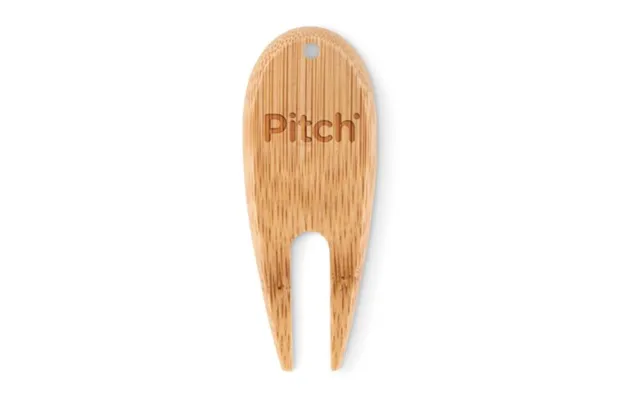
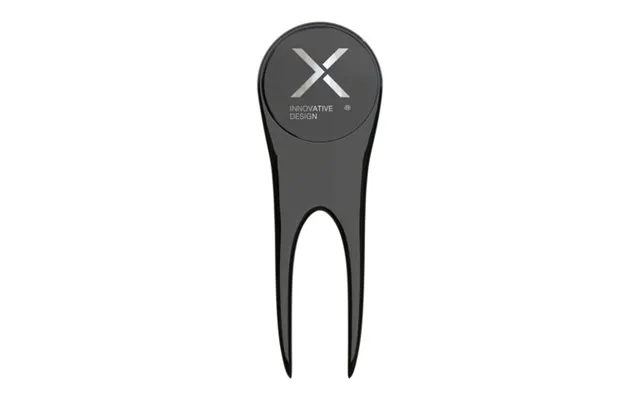
These are the classic divot tools: two straight prongs on a handle. They’re simple, reliable, and often made of stainless steel. Two-prong tools are excellent for quick repairs and are usually light enough to clip to a towel or keychain. If you want something that won’t draw attention but gets the job done, this is the style to pick.
Three-prong tools and broader heads are designed to spread the pressure more evenly over a larger area, which can reduce the risk of tearing the turf. They’re great for older greens or when the surface is slightly softer. These tend to be a bit bulkier but give a more thorough repair when used correctly.
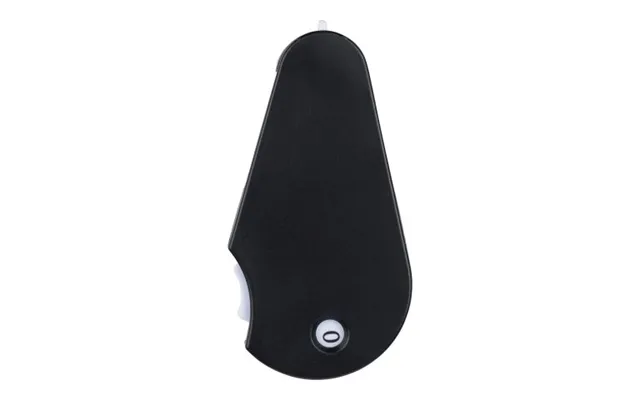
If you like gadgets, foldable divot tools that tuck into a handle are handy. These often include extra functions like groove cleaners, tee removers, and even small screwdrivers for adjusting putters. They’re perfect for players who want one compact tool to handle multiple needs on the course.
Mallet-style divot tools have a broader contact area and are built to minimize subsurface damage when fixing the mark. They’re becoming popular with players who prefer not to apply too much concentrated force. These tools usually sit a bit larger in your bag but are gentle on greens.
The material of a divot tool affects weight, durability, and feel. Choose a material that suits your everyday carry habits. Here’s what to consider so your tool lasts through seasons of play.
Stainless steel is tough, resists rust, and feels substantial in hand. It’s a favorite for golfers who want a tool that will last for years without bending or breaking. Expect most stainless tools to weigh between 0.6 and 1.5 ounces — substantial enough to feel durable, but light enough to carry easily.
Aluminum tools are lighter than steel and often anodized for color options. Titanium is stronger and lighter but pricier. If pocket weight matters — maybe you like to keep things minimal — these are excellent choices. They balance portability with performance.
Plastic or composite tools are lightweight and affordable. They’re fine for occasional play, but they can wear faster and might break if used roughly. If you prefer the brightest colors or novelty shapes, these offer the most variety.
Beyond shape and material, a few extra features transform a basic divot tool into a favorite piece of kit. Here’s what to prioritize based on your playing style and needs.
A magnetic ball marker makes dropping and picking up your marker a breeze. It clips to the tool or attaches to a hat or cap clip so you won't lose it. This is a must-have if you play in groups and find yourself frequently marking your ball.
Some tools fold into the handle for pocket safety, and a reliable lock keeps the prongs from shifting during use. If you carry your tool in a front pocket, folding models avoid pokes and accidental scratches.
Extras like a groove cleaner for your clubface or a small punch for tee removal add convenience without much weight. If you like multi-purpose tools, these features make sense and keep your bag lighter by reducing redundant items.
Consider how you carry the tool. If it’s clipped to a towel ring or keychain, smaller is better. If it sits in the bag’s accessory pocket, you can carry something larger. Aim for a tool that’s roughly the length of a matchbox or slightly longer — around 2 to 3 inches — so it’s easy to handle but not cumbersome.
There are plenty of options on the market. Here’s a selection of popular types and complementary accessories that often pair well with divot tools to make your rounds smoother.
A simple, durable stainless-steel fork with a magnetic ball marker is a reliable everyday choice. It’s low-maintenance, holds up to frequent use, and usually costs less than premium titanium models. Perfect for club players who want a tool that works without fuss.
If you like personality in your gear, engraved or branded divot tools add flair and make great gifts. Many merchants and engraving services can add initials or logos, turning a functional tool into a keepsake.
For the player who carries everything, a multi-tool that combines a foldable divot repair fork, a groove cleaner, and a small tee holder covers multiple needs in one compact package. It’s ideal for golfers who travel or play in varying conditions.
Fixing pitch marks incorrectly can do more harm than good. Here’s a step-by-step method that’s quick and gentle on the green, so you leave it smoother than you found it.
Stand so you can reach the mark without stepping on the green unnecessarily. Insert the tool’s prongs about 0.5 to 1 inch away from the mark’s edge — not inside the cup — so you don’t tear roots.
Gently push the turf towards the center of the mark from several points around the edge. Think of closing a small zipper around the center instead of lifting the soil up. Pulling the sod up creates a ridge that will slow healing.
After you’ve pushed the edges in, use the flat of your putter or the heel of your shoe to gently tap the surface level. The goal is a seamless finish so the ball rolls true on your next putt.
With a little attention, your divot tool will look and work like new for seasons. Here are easy maintenance habits to adopt.
Wipe off grass and dirt after use and dry the tool before clipping it back into your pocket or bag. For metal tools, wiping with a light oil occasionally prevents corrosion and keeps moving parts functioning smoothly.
If your tool has magnetic markers or folding parts, check them periodically to ensure magnets remain secure and locks hold. A small dab of thread locker or replacing screws can extend the life of a favorite tool.
Divot tools work best as part of a small kit that keeps your game efficient. Consider pairing yours with the following accessories for fuller functionality on the course.
Magnetic ball markers that attach to your tool or cap are handy and less likely to get lost. Coin-style markers are classic and easy to personalize. Carry a couple so you’re never without one when the need to mark arises.
Clean grooves mean better spin and control. A small groove brush plus a microfiber towel tucked near your divot tool helps keep clubs and tools ready for the next shot.
Keep your divot tool in a small accessory pocket or pouch with other items like tees and markers. That way, everything you need for a clean-up and quick repair is together and easy to access in play.
When shopping for divot tools, compare materials, weight, and extra features. Read customer reviews for durability and ease of use. Use comparison websites and product reviews to quickly see differences in price and features. Look for free engraving or personalization if you're buying a gift — it often adds value without adding bulk.
Expect to pay more for premium materials like titanium or for high-quality folding mechanisms. That said, a mid-priced stainless-steel tool often offers the best balance of cost and durability for most golfers.
A divot tool is small but mighty in its impact. Choosing the right one is about balance — between weight and strength, simplicity and extra features. Whether you prefer a minimalist fork with a magnetic marker or a multi-tool loaded with extras, the best tool is the one you actually carry and use every round.
Divot tools are an essential piece of golf etiquette that protects greens and keeps play fair for everyone. From classic stainless-steel forks to foldable multi-tools with magnetic markers, there’s a tool to match every style and budget. Pay attention to material, size, and features like magnets and groove cleaners, and you’ll find a tool that fits right into your routine. And remember — repairing a pitch mark correctly is quick, easy, and one of the simplest acts of respect you can show the course and your fellow players.