All categories
Business & Offices
Electronics & Media
Fashion & Accessories
Groceries & Essentials
Health & Personal Care
Home & Living
Kids & Family
Sports & Outdoors
Search in ZoneOffer
Loading...
Choosing the right hunting clothing transforms a cold, wet, or noisy day in the field into a comfortable, successful outing. Whether you’re stalking deer at dawn, sitting a high-seat stand, or wading for waterfowl, the clothes you wear matter as much as your skills. This guide walks you through the essential garments, materials, features, and smart-buy strategies so you can find top hunting clothing — and the best offers — without getting bogged down in jargon.
Think of hunting clothing like the foundation of a good shelter: it keeps you safe, quiet, and comfortable so you can focus on the hunt. The wrong jacket or noisy fabric can blow an opportunity, while the right setup keeps you warm, dry, and virtually invisible to game. Good kit also extends your season and reduces fatigue, which is priceless when you’re waiting through a slow morning or trekking a ridge all day.
There are a handful of garments every hunter should know about. Each plays a role in a reliable layering system and serves different climates and hunting styles. Below are the staples you'll see across most hunting wardrobes.
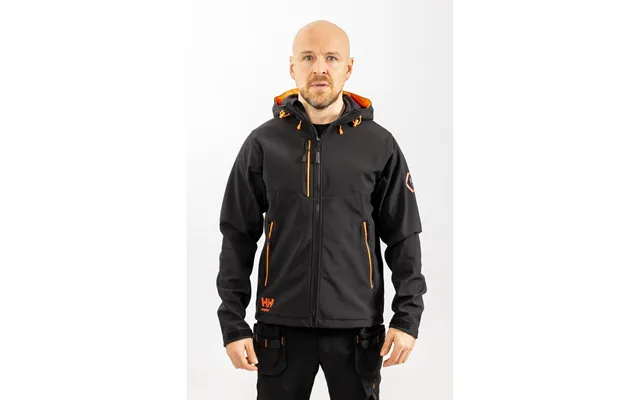
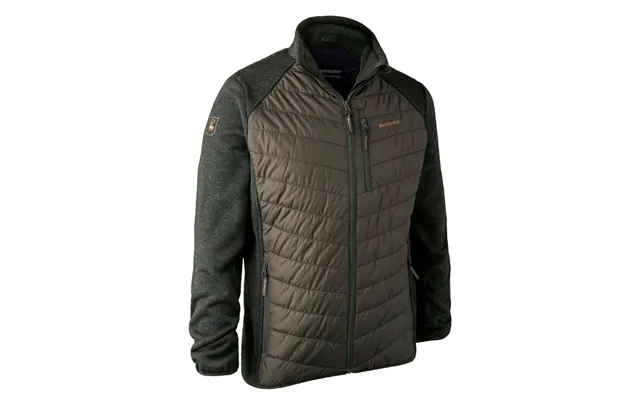
Hunting jackets are your primary barrier to wind and rain. Look for quiet outer shells with a balance of waterproofing and breathability. For still-hunting and stalking, a lightweight softshell offers quiet movement, while insulated parkas (with synthetic or down fill) are better for stand hunting in freezing conditions. Expect jacket lengths from hip to mid-thigh depending on coverage needs; pockets, facemask hoods, and durable cuffs are big bonuses.
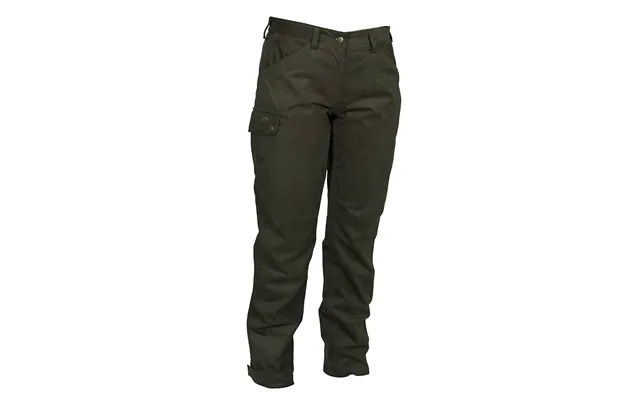
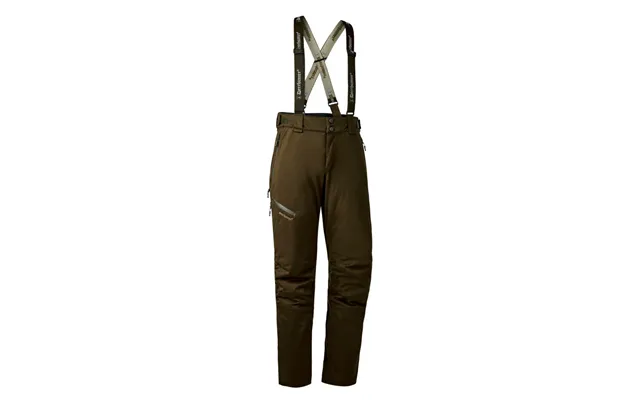
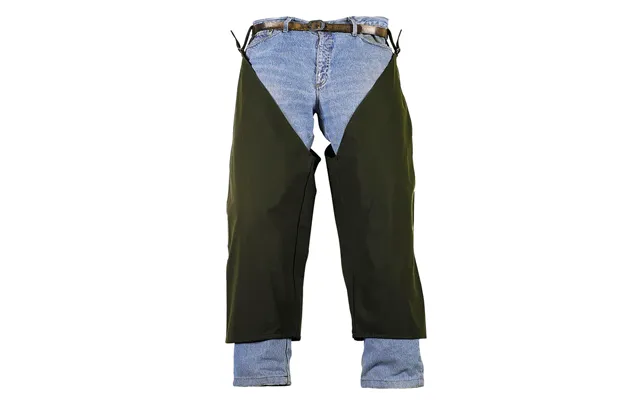
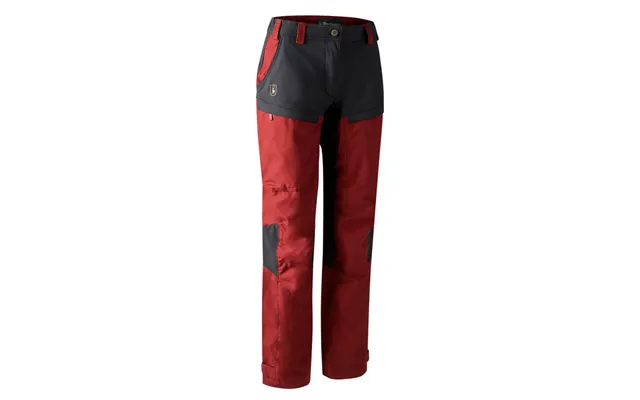
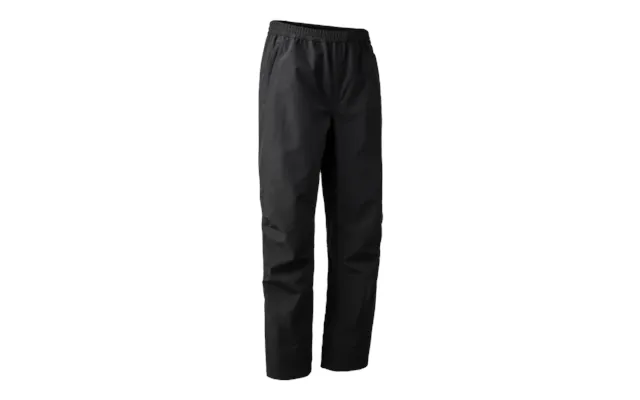
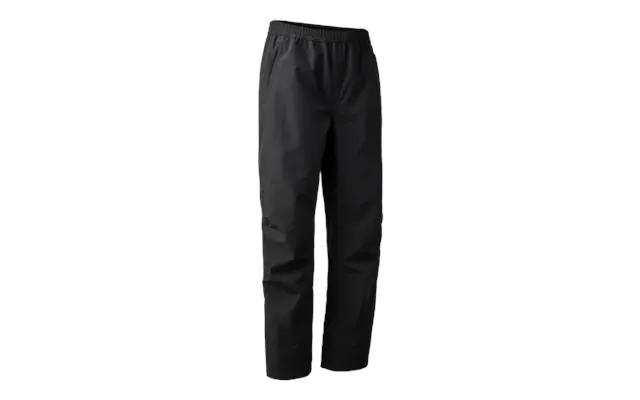
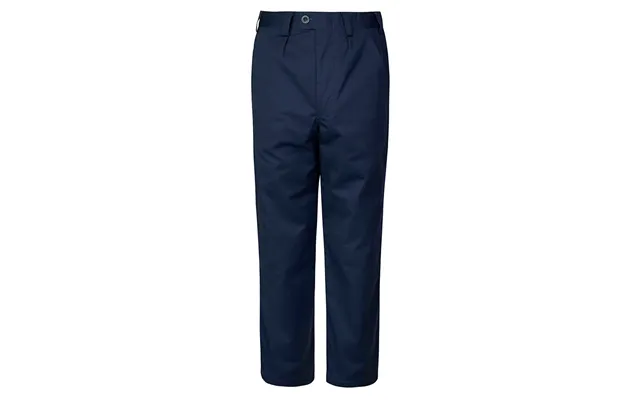
Pants come in softshell, insulated, and waterproof-breathable varieties. Bibs add torso coverage and are a favorite for deep cold or wet environments because they stop cold air from entering at the waist. Reinforcements at the knees and seat, plus zipper vents or cargo pockets, make pants more functional out in the field.
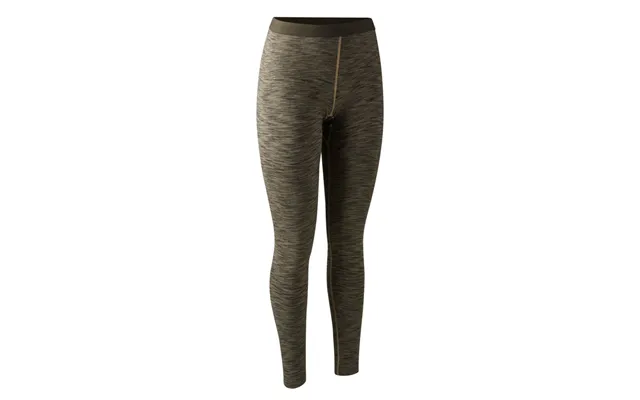
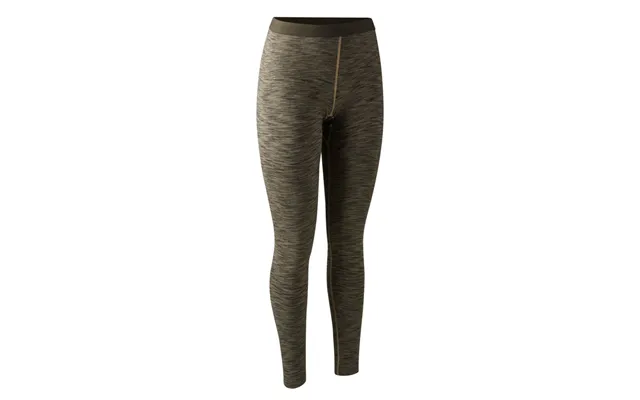
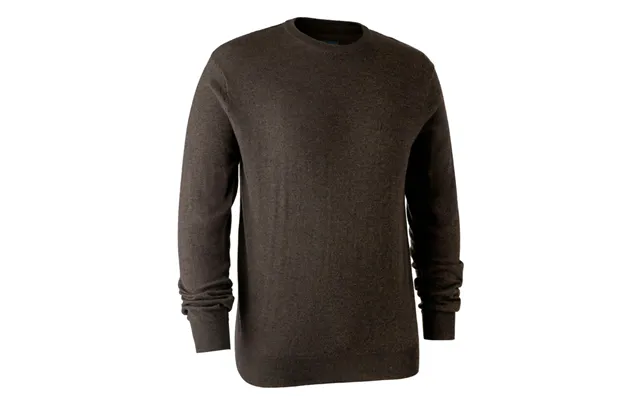
Base layers are your moisture-management system. Merino wool and high-performance synthetics wick sweat away from the skin so you stay dry and warm. Choose a snug fit and weight appropriate to the temperature: lightweight for mild hunts and mid- to heavyweight for chilly mornings near freezing or below.
The mid layer traps warmth. Fleece jackets, synthetic insulation, and light down pieces are common. The goal here is loft — the air pockets that retain heat — without adding bulk that restricts movement. Pick mid layers that compress easily into a pack for variable days.
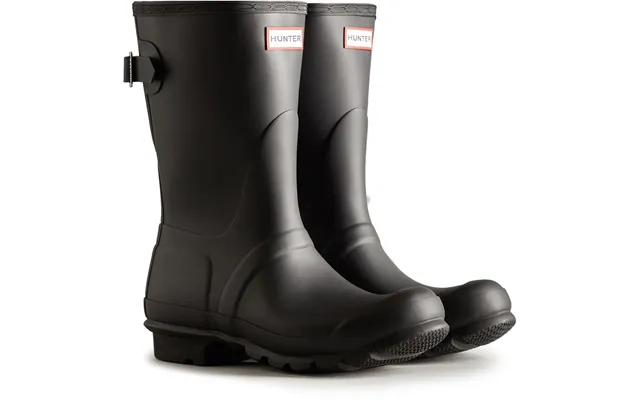
Boots are where comfort meets safety. Look for hunting boots with good ankle support, rugged outsoles, and a fit that leaves room for insulating socks without being sloppy. In waterfowl or marsh conditions, chest waders and hip waders keep you dry. Socks matter just as much as boots; a quality wool sock can keep toes warm at temperatures well below freezing.
Hands and head lose heat quickly. Gloves should balance dexterity with warmth — lightweight trigger-finger gloves for mild days and insulated, waterproof gloves for cold, wet hunts. Hats range from thin beanies to insulated hats with ear protection. Add gaiters, face masks, and neoprene accessories for wet conditions.
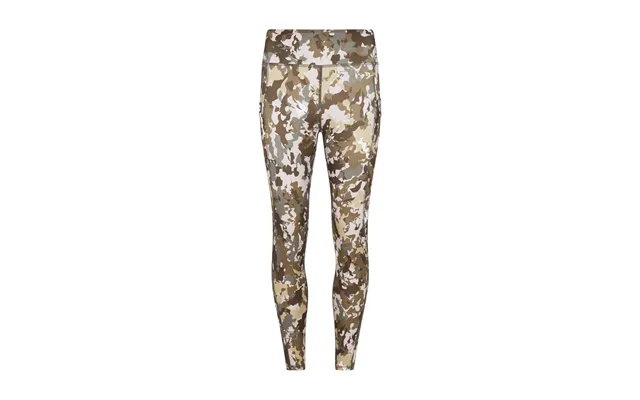
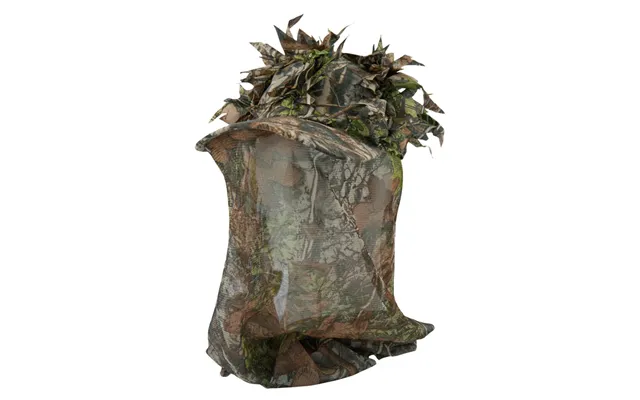
Camo isn’t just fashion — it’s concealment. You want a pattern that blends into your terrain: woodland, open field, marsh, or transitional edges. Modern patterns break up human outlines at ranges from close quarters to hundreds of yards. Consider multi-season patterns or layering with natural vegetation for late-season hunts. And remember: high-visibility blaze orange pieces may be required during certain seasons and for safety around other hunters.
Layering is simple: base layer for moisture control, mid layer for insulation, and outer layer for wind and rain protection. The trick is to adjust layers based on activity level and weather. If you’re climbing, shed a layer to avoid sweating. If you’ll be sitting for hours, add an insulated layer or use a packable heated vest to maintain core warmth.
Active hunting — walking long distances or glassing from a ridge — needs breathable fabrics and lighter insulation. Passive hunting — sitting a ground blind or high seat — demands more insulation and often a windproof outer layer since you’re not generating body heat.
These three attributes are the backbone of performance clothing. Waterproof shells keep rain out but must breathe to release sweat; breathable membranes and fabrics prevent condensation inside your clothes. Insulation keeps you warm: synthetic materials maintain loft when damp, while down offers superior warmth-to-weight in dry conditions. Always match insulation type to the hunt’s moisture risk.
Down feels lighter and compresses smaller for packs, making it ideal when dryness is likely. Synthetic insulation performs better when wet and dries faster, so it’s the safer choice for damp, changeable weather. If you expect both dry and wet conditions, consider a hybrid system — down in the body and synthetic around vulnerable areas.
A properly fitted garment moves with you and reduces noise. When buying, wear the layers you’ll hunt in and test the full range of motion: raise your arms, kneel, and shouldermount if you’re a rifle hunter. Measure chest and waist in inches; a jacket’s chest measure should match your body with a bit of room for mid layers. If you’re between sizes and plan to layer heavily, size up.
Boots should feel snug in the heel with toe room to wiggle. Break new boots in with short walks before a long hunt. If you’re buying online, check return sizing and try at home on a carpeted surface to avoid scuffing if you do return them.
Small design details can make a big difference in the field. Below are features that serious hunters appreciate in clothing.
Noisy fabrics ruin stalks. Look for brushed or matte materials and reinforced seams that don’t rustle. Test the fabric with a handful movement — if it squeaks, leave it on the rack.
Accessible pockets for calls, rangefinders, and maps simplify field life. Large handwarmer pockets and internal stash pockets are practical. Vent zippers under the arms or along the thighs allow temperature control without removing layers.
Heavy-use areas like knees, seat, and cuffs should have durable overlays or Cordura-style reinforcement. Reinforcements extend life and prevent costly tears when moving through bramble or getting in and out of vehicles.
Some garments include odor-resistant fabrics or antimicrobial finishes, useful for close-range hunts. While these are not a substitute for scent discipline, they help reduce human scent between washes.
Taking care of your hunting clothes prolongs their usefulness and preserves performance. Always follow label instructions, but here are reliable general tips that work with most technical garments.
Use mild detergents and avoid fabric softeners — they coat breathable membranes. Wash on a gentle cycle and air-dry where possible. For water-repellent finishes that fade with washing, consider using a spray-on or wash-in DWR product to restore repellency.
Store insulated items uncompressed on a shelf or in a breathable bag. Keep waterproof shells hung to maintain their shape and to allow the membranes to breathe between seasons.
Hunting clothing spans a wide price range, from budget pieces under £30 to high-end jackets and boots priced over several hundred pounds. Typical ranges you’ll often see:
- Base layers: £20 to £80 depending on material and brand.
- Mid layers: £40 to £180 for quality fleece or insulated jackets.
- Waterproof shells and jackets: £80 to £400, depending on membrane technology and features.
- Hunting boots: £60 to £350, influenced by materials, insulation, and brand reputation.
Comparison websites and price lists are great tools for spotting sales and bundle deals, especially during seasonal clearances. Keep an eye on popular offers around season start and end for the best discounts.
You don’t have to buy top-of-the-line gear to get great performance. Comparison sites help you see current prices across many retailers so you can spot genuine bargains and compare specs. When evaluating offers, check warranty, materials, and real-user reviews to separate flash deals from true value.
Buy insulated layers at the end of winter and lighter shells in late spring to catch the best markdowns. New models often arrive in early season, which can push last season’s gear into clearance — a sweet spot for hunters on a budget.
Beyond clothes, a few related items make huge practical differences: a good waterproof pack cover, a compact folding seat pad, quality gaiters, and a reliable field care kit. Investing in layered hand warmers or a compact heated vest can also extend your comfortable hours in the blind or stand.
Before you click buy, run through this quick checklist: Does the garment match your typical weather and terrain? Will it layer with what you already own? Does it include essential features like quiet fabric, reinforced areas, and accessible pockets? Is the price fair for the materials and warranty? If the answers line up, you’re ready to pull the trigger.
Hunting clothing is about matching function to the conditions and your hunting style. Prioritize quiet materials, smart layering, and weather-appropriate insulation. Use comparison sites to find the best deals, and don’t skimp on boots and socks — comfort from the ground up matters most. With the right gear and a little planning, you’ll stay comfortable, focused, and ready when opportunity knocks.
| Hunting Clothing | Price | |
|---|---|---|
| Simms Tributary West Tan | kr. 719,20 |