

Inline Skate Parts price list
Last updated Monday, 19 Oct 2026





View 13 Offers
Loading...
Last updated Monday, 19 Oct 2026
Upgrading the parts on your inline skates can feel a bit like tuning a guitar — small tweaks turn a good ride into something that sings. Whether you’re aiming for more speed, better control in traffic, or a softer roll on rough pavement, the right wheels, bearings, and frames change everything. You don’t need a pro workshop to improve performance; a handful of smart upgrades will breathe new life into an old pair and protect your investment in the long run.
Wheels are where skaters notice improvements fastest. They determine top speed, acceleration, maneuverability, and comfort. Swapping wheels is one of the simplest upgrades with one of the biggest payoffs — but you’ll want to choose sizes and hardness that match how and where you skate.
Wheel diameter influences how fast you’ll go and how nimble you feel. Smaller wheels accelerate faster and turn more sharply; larger wheels sustain speed better and smooth out bumps. Common wheel diameters you’ll see are about 2.83 inches (for nimble urban skates), roughly 2.99 inches, about 3.15 inches (a very common recreational size), up to 3.54 inches and around 3.94 inches for fitness or speed-focused setups. Bigger wheels feel like a freeway lane; smaller wheels feel like a tight alley — pick based on the terrain and your goals.
Durometer measures wheel hardness on the A scale (e.g., 78A, 82A). Softer wheels (lower numbers) grip better and cushion rough surfaces, making them great for outdoor skating on uneven pavement. Harder wheels roll faster on smooth surfaces like rinks but can be slippery outdoors. Wheel compound and core design also affect roll and durability; look for urethane compounds with a balance of rebound and wear resistance for everyday use.
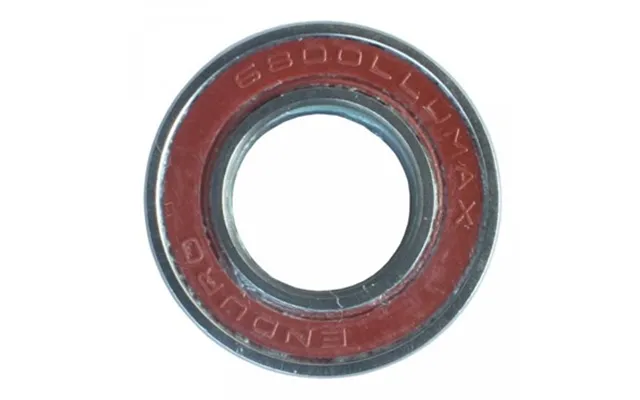
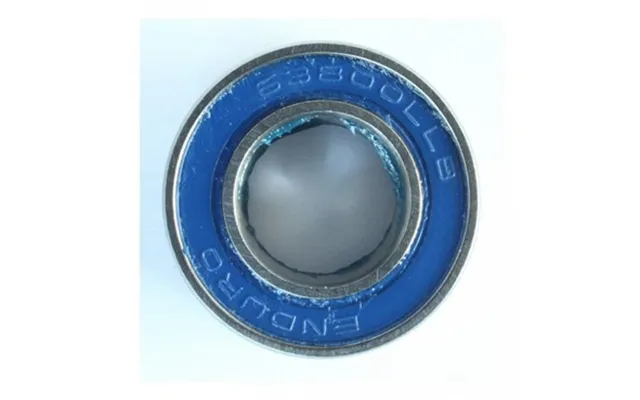
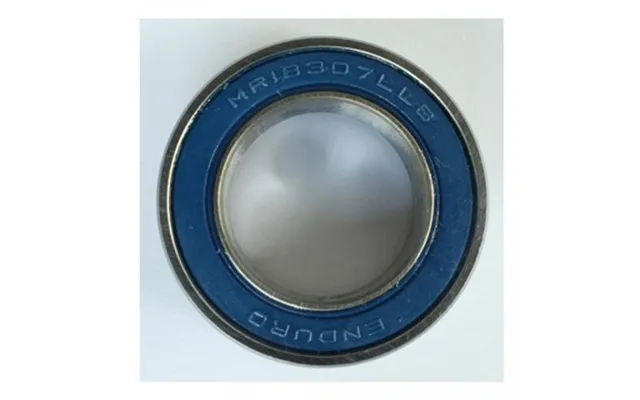
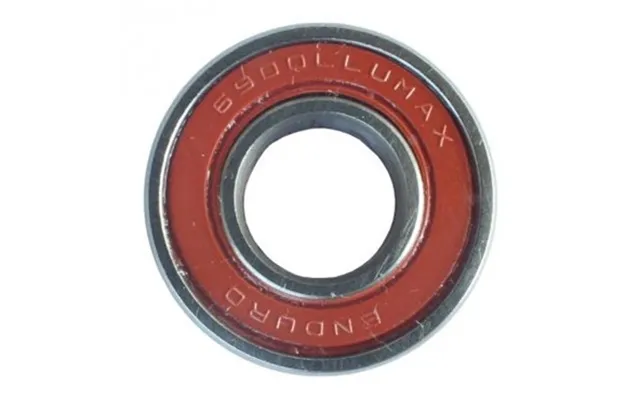
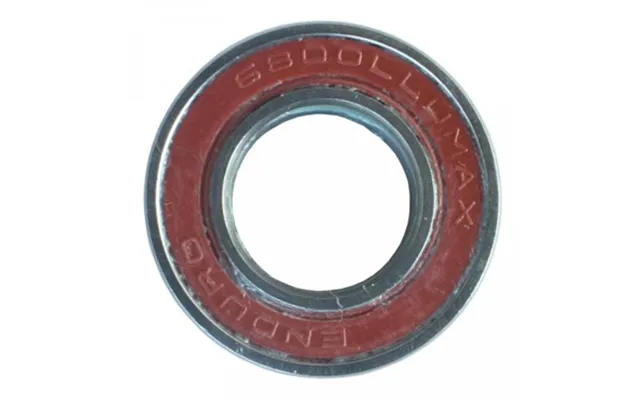
Bearings are the secret to a smoothly rolling wheel and a more efficient stride. They’re small, but they make a big difference: fresh, well-lubricated bearings reduce effort and increase speed. Upgrading bearings is relatively inexpensive and instantly noticeable — like greasing the hinges on a creaky door.
ABEC ratings (1, 3, 5, 7, 9) are common shorthand for precision, but they don’t tell the whole story. A higher ABEC number generally means tighter tolerances, but materials, lubrication, and sealing can be more important for real-world skating. For most skaters, high-quality bearings designed for skating — with good seals and proper lubrication — outperform a higher-rated bearing that’s poorly built.
Standard inline bearings typically have an inner diameter of about 0.31 inches to fit the axle, with an outer diameter sized to the wheel hub. Spacers and speed rings go along with bearings to align wheels and reduce friction. When it comes to lubrication, a light bearing oil delivers speed and responsiveness, while thicker grease offers longer life and better protection against water and dirt. Clean bearings with a dedicated bearing cleaner, then relubricate lightly — your bearings will thank you with quieter, smoother spins.
The frame is your wheel platform and shapes how your skates handle. A stiff, lightweight frame transfers power better for speed; a flexible, shorter frame gives more agility for tricks and tight turns. Picking the right frame is about balancing stiffness, weight, and geometry to match your skating style.
Aluminum frames are popular because they’re stiff and durable without a huge price tag. Composite frames are lighter and can offer built-in shock absorption, making them a comfortable choice for urban riding. High-end carbon frames are the lightest and often the stiffest, designed for racers and serious fitness skaters who want every watt of power transferred to the road. Think of aluminum as the reliable workhorse, composite as the comfy commuter, and carbon as the race bike of frames.
Frame length affects stability and maneuverability. Shorter frames — often under about 6.5 inches — make tight turns easier, which is handy for slalom and park skating. Longer frames approaching about 10.8 inches boost straight-line stability and top speed. Your boot size, skating discipline, and wheel diameter all influence the ideal frame length; swapping frames can transform a skate’s personality from squirrely to steady.
It’s easy to overlook small parts, but brakes, cuff straps, and hardware directly affect comfort and safety. Replace worn brake blocks before they become dangerously thin, and inspect your cuff buckles for cracks or stiffness that can compromise fit. A snug cuff and secure hardware keep your ankle control crisp and predictable — that’s essential when you need to stop quickly or lay down a precise carve.
Most recreational skates have replaceable heel brakes. Choosing the right brake compound matters: softer blocks stop more effectively on slick surfaces, while harder blocks last longer on dry pavement. Mounting a spare brake block is a small investment that prevents sudden surprises mid-ride.
Axles, spacers, and mounting bolts are the structural links between wheels, frames, and boots. Threaded axles need periodic checking for tightness, and hardware exposed to salt or rain benefits from stainless steel replacements to avoid corrosion. Using a torque driver and the right socket size will protect threads and avoid over-tightening, which can damage bearings or strip bolts.
If you skate aggressively or in parks, specialty parts let you tailor skates to tricks and grinds. Anti-rocker setups replace middle wheels with smaller wheels or spacers to create a flat grind surface, while soul plates and grind rails protect your boot and allow smoother slides. These parts change the way your skates interact with rails and ledges, letting you link tricks with less worry about wheel bite or accidental speed loss.
A small toolkit keeps your skates rolling and your upgrades straightforward. Essential tools include an adjustable skate tool for axles and bolts, a bearing press or remover, a small torque driver, and a soft brush for wheel cleaning. Add a bottle of bearing lubricant and a compact cleaning kit, and you’ll be ready to handle 80% of common issues in the field.
A bearing press makes installing bearings into wheels painless and prevents bearing damage. Torque drivers with preset values protect bolts from over-tightening. For cleaning, a solvent-based bearing cleaner, soft cloths, and a small brush will remove grime without introducing scratches. Keep tools together in a compact case so you can tinker on the fly.
Cleaning bearings is a simple ritual: remove the bearings, soak them in cleaner, let them dry, then apply a small amount of bearing oil and reassemble with spacers and speed rings. Don’t drown bearings in oil — a single drop inside the raceway is usually enough. Re-lubing regularly keeps rolls smooth and extends bearing life dramatically.
Not all upgrades are created equal. Your skating style dictates which parts should come first. A commuter wants comfort and durability; a fitness skater wants top speed and power transfer; a park skater needs components built to take impacts. Start by listing what’s most important for your rides, then allocate your budget accordingly.
For commuting, prioritize durable, shock-absorbing wheels in the 3.15 inch to 3.94 inch range, weather-resistant bearings, and a comfortable cuff fit. Composite frames and slightly softer wheels will smooth out cracks and curbs, while sturdy hardware prevents mid-ride surprises.
Fitness and speed skaters should look at larger wheels — roughly 3.94 inches or larger — stiff aluminum or carbon frames, and high-quality bearings. Aerodynamics and weight savings help when you’re pushing for pace, so invest in frames and wheels that balance speed with stability.
Aggressive skaters need small, hard wheels for tricks, reinforced cuffs, and grind plates. Anti-rocker setups and durable bearings that resist impact are essential. In this world, you’ll trade top speed for control and resilience.
Before you buy, compare prices and read user reviews on comparison sites and specialist skate forums. Comparison platforms aggregate deals across retailers, helping you spot discounts and reputable products. Don’t just chase the lowest price — check return conditions, warranty notes, and verified user feedback to ensure you’re buying reliable parts that match your needs.
You don’t have to break the bank to get meaningful upgrades. A decent set of bearings and a new wheel set can transform an average skate for a moderate cost, while premium frames and carbon components are bigger investments. Think in tiers: basic maintenance and a wheel swap are low-cost and high-impact; mid-range upgrades (aluminum frames, quality bearings) are the sweet spot for most skaters; high-end carbon frames and race wheels suit those chasing top performance.
When installing parts, work methodically: loosen axles, remove wheels, press or pop bearings out carefully, and use the correct tools to avoid damage. Beware of overtightening; it’s a common mistake that kills bearing performance. Also check alignment after swapping frames — a misaligned frame makes handling unpredictable. If in doubt, a local skate shop or an experienced friend can help with tricky installs.
Skating gear doesn’t have to be disposable. Replacing worn parts extends a skate’s life and reduces waste. Keep usable wheels and frames for practice or backup, and recycle metals where possible. Small repairs, like swapping a sole plate or replacing a worn brake, are inexpensive ways to keep skates on the road longer and reduce environmental impact.
Compatibility is key: check axle sizes, frame mount types, and wheel hub width before buying. Take a photo of your current setup and note axle and frame measurements in inches to avoid surprises. If you’re mixing brands, ensure spacers and bearings are the right fit. A little homework saves returns and frustration.
Upgrading your inline skates is part science, part art. With the right wheels, bearings, frames, and a small toolkit, you can tailor your skates to fit your riding style perfectly. Spend time researching, read reviews, compare deals on reputable comparison sites, and don’t be afraid to experiment — the perfect setup often comes from a few thoughtful swaps and a handful of test rides.
Conclusion: Whether you’re aiming for speed, comfort, or the ability to nail every trick, investing in quality parts and learning a few maintenance routines will pay off in ride quality and longevity. Start with one upgrade at a time, test the difference, and build a setup that feels like an extension of your own feet.