All categories
Business & Offices
Electronics & Media
Fashion & Accessories
Groceries & Essentials
Health & Personal Care
Home & Living
Kids & Family
Sports & Outdoors
Search in ZoneOffer

Loading...
Think of motor vehicle controls as the nervous system of your car — they translate your inputs into motion, braking, and comfort. From the steering wheel you hold to the invisible electronic modules under the dash, these parts keep you in command. When a control component fails, the symptoms can range from a stubborn throttle to a trembling steering wheel, and those issues affect safety and drivability. Knowing what each control part does helps you diagnose problems faster and pick the right replacement without guesswork. In short: better knowledge means fewer surprises, more reliable repairs, and smarter shopping when you compare parts and prices online.
There’s a long list of parts that fall under “motor vehicle controls,” and it helps to group them so you know where to look when something goes wrong. Steering, braking, throttle and transmission controls make up the core mechanical systems, while a growing number of electronic control modules and sensors manage the details. Whether you’re dealing with a mechanical issue like worn bushings or an electronic fault like an errant throttle position sensor, recognizing the major players will speed up diagnosis and reduce repair costs.
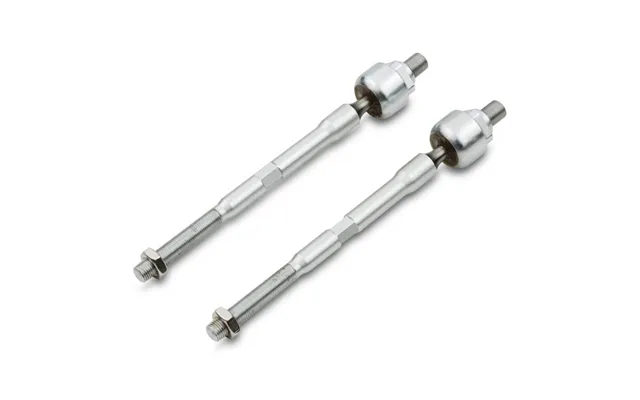
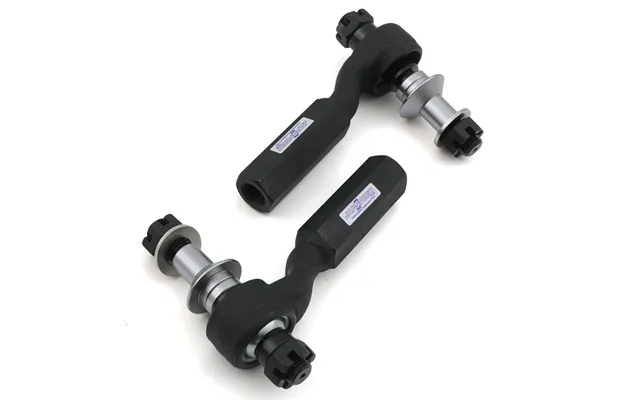
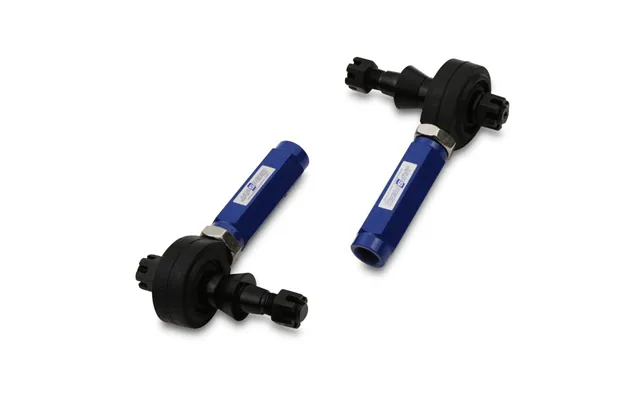
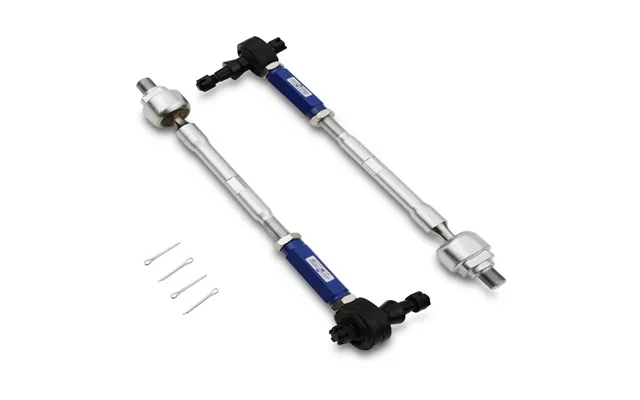
Steering systems include the steering wheel, column, rack-and-pinion or steering box, tie rods, and power steering pump or electric power steering (EPS) motor. If the steering feels loose or you hear clunks turning into a driveway, it’s often tie rods, ball joints, or a failing steering rack. Electric systems have fewer hydraulic parts but add control modules and torque sensors. Upgrading worn components can restore tightness and steering response, turning vague wandering down the road into crisp control.
Braking controls range from master cylinders and brake boosters to ABS modules and wheel speed sensors. If your brakes pulse under gentle pressure, the ABS might be misreading wheel speed because of a faulty sensor. A soft pedal could point to a worn master cylinder or low brake fluid, while a hard pedal with poor braking often means a failed booster. ABS modules and electronic parking brake actuators are pricier to replace, but sensors and hoses are affordable fixes that restore safe stopping performance.
The throttle system has evolved from cables to drive-by-wire systems with electronic throttle bodies and pedal position sensors. Hesitation, surging, or engines that rev unexpectedly can often be traced to a failing throttle body or pedal sensor. Pedal assemblies themselves may wear out or become misaligned, especially in high-mileage cars. Replacing the right sensor or cleaning the throttle body is often enough to remove those annoying drivability issues.
Modern transmissions rely on mechanical linkages and electronic control modules to choose the correct gear. Shift cables and selector assemblies wear over time, giving a sloppy or hard-to-select gear change. Electronic shift-by-wire systems use modules that may need reprogramming or replacement. If your vehicle hesitates between gears or slips, verify both the mechanical linkage and the transmission control module before spending on a major rebuild.
ECUs are the brains behind engine, transmission, chassis, and body functions. They interpret sensor data and command actuators to deliver a smooth ride, efficient combustion, and proper safety responses. Replacing an ECU isn’t always an automatic fix; many modern modules require proper coding or programming to match your vehicle’s VIN and options. That said, replacement modules have gotten more affordable, and comparison shopping can reveal compatible options that keep your car running without overpaying.
The engine control module (ECM) regulates fuel injection, ignition timing, and emission controls. It also often interfaces with the throttle control and traction systems. Symptoms like poor fuel economy, rough idle, or persistent check-engine lights can point to ECM faults or sensor issues the ECM reports. Before swapping the ECM, check connections, grounds, and sensor health — sometimes a bad ground or one faulty sensor is the true culprit.
Body control modules (BCMs) manage lights, windows, locks, HVAC controls, and other convenience features. If your power windows move slowly or the interior lights act up, a BCM or a related switch/relay might be at fault. Because BCMs interact with many systems, diagnosing these faults often requires a scan tool and an understanding of electrical communication networks like CAN bus. If you’re comparing replacement parts, look at remanufactured BCMs or aftermarket units with good reviews and compatibility guarantees.
Sensors are the sentinels of modern vehicles — steering angle sensors, wheel speed sensors, throttle position sensors, and more feed real-time data to ECUs. These small parts are often cheap to replace but can trigger safety systems when they fail. For example, a bad steering angle sensor can confuse stability control systems, making traction control less effective. Paying attention to early warning signs like dashboard lights, unusual ABS behavior, or inconsistent throttle response can save you from bigger repairs down the road.
Steering angle sensors tell stability systems the direction you intend to go, while wheel speed sensors measure each wheel’s rotation. Faults here often trigger ABS or traction control warning lights. Because these sensors must be precise, calibration may be required after replacement, typically done with a diagnostic tool. When shopping, compare OEM sensors with high-quality aftermarket options — many aftermarket parts offer equivalent performance at a lower price.
Throttle position sensors (TPS) and pedal position sensors (PP) provide the input that determines how much power the engine should produce. Errors in these sensors cause poor throttle response, limp mode engagement, or erratic acceleration. Replacing a faulty sensor is usually cost-effective, and in drive-by-wire systems, sensor calibration or relearn procedures may be necessary. If you notice inconsistent acceleration, start with these sensors before looking at the throttle body or ECM.
When a control part wears out, you face a choice: replace with OE-quality or upgrade to a higher-performance alternative. Upgrades like performance brake rotors, heavy-duty steering racks, or cold-air throttle bodies can improve handling and response, but they also change maintenance needs and may affect ride comfort. For daily drivers, OEM or high-quality aftermarket replacements usually offer the best balance between longevity and cost. For performance builds, focus on compatibility, installation complexity, and whether the rest of the vehicle’s systems can support the upgrade.
Smart buying starts with matching part numbers and vehicle fitment. Use parts diagrams and VIN-based lookup tools to confirm compatibility. Read reviews focused on fit and longevity, not just price. Consider remanufactured modules when new units are expensive — many reman parts come with core guarantees and perform like new at a fraction of the cost. Also, factor in return policies and warranty length when comparing parts, because a cheap part without backup can cost more in the long run if it fails prematurely.
Some motor vehicle controls are straightforward to replace at home: sensors, brake pads, and many mechanical linkages can be swapped by a weekend DIYer. Other parts, like ECUs, ABS modules, or steering racks, often need specialized tools and programming. Ask yourself: do you have a safe workspace, a proper lift or jack stands, and the right diagnostic tools? If not, a professional installation might save time and prevent costly mistakes. DIY can be rewarding and economical, but don’t bite off more than you can safely chew.
Routine maintenance is the simplest way to extend the life of control components. Keep fluids fresh — power steering and brake fluids degrade over time — and replace filters that protect sensitive sensors. Periodically inspect boots, bushings, and seals for tears or leaks, and address minor issues before they escalate. For electronic systems, ensure battery health and clean grounding points to prevent voltage irregularities that can damage modules. With a little attention, many control parts will last well beyond average mileage.
When choosing parts, consider reputable brands known for control-system components. Names like Bosch, Denso, ACDelco, Brembo, TRW, Delphi, and Valeo often appear in recommendations because they balance quality and price. For ABS parts and ECUs, remanufactured units from respected rebuilders can be excellent value. For brakes, a name-brand rotor or pad can improve performance and longevity. Ultimately, pick parts with strong fitment data and real-world reviews, and don’t be shy about comparing multiple sellers to find the best deal.
Fitment is everything. Even parts that seem identical can have subtle differences between trim levels, engine types, and model years. Always verify compatibility using your VIN or exact model details. When in doubt, consult a parts diagram or contact a technician who can cross-reference part numbers. This extra step prevents the frustration of returns and ensures the replacement will bolt in without modification. Also, remember that certain electronic modules may require coding or software updates to work seamlessly with your vehicle’s existing systems.
Early detection saves money. Pay attention to unusual noises, vibrations, dashboard warning lights, or changes in pedal feel. These are your car’s way of sending smoke signals. If traction control or ABS lights come on, don’t postpone diagnostics — wheel speed sensors are inexpensive fixes compared to an ABS module failure. Keep a simple log of symptoms and events; patterns often reveal the root cause faster than guessing. And remember: a professional scan tool can decode stored trouble codes that your eye can’t see.
Comparison shopping is your friend. Use reputable parts comparison websites to view prices, warranties, and seller ratings side by side. Look for filters that let you search by vehicle year, make, model, and engine to ensure a correct match. Many comparison platforms also show remanufactured and aftermarket options, letting you balance cost and quality. When a deal looks too good to be true, check reviews and return terms — a bargain isn’t a bargain if the part doesn’t fit or fails quickly.
Motor vehicle controls are a mix of mechanical hardware and sophisticated electronics that keep your car safe, responsive, and comfortable. Understanding the components — from steering racks and brake modules to ECUs and sensors — empowers you to diagnose problems, compare replacements, and make cost-effective decisions. Whether you’re a hands-on DIYer or prefer a pro, thorough fitment checks, reputable brands, and careful comparison shopping will help you get the right part at the right price. Keep an eye on early warning signs, stick to a maintenance plan, and you’ll keep your vehicle’s control systems working smoothly for many miles.
| Motor Vehicle Controls | Price | |
|---|---|---|
| Asetek Magnetic Input Paddles Black Steering Wheel Pedals Pc | £ 43,49 | |
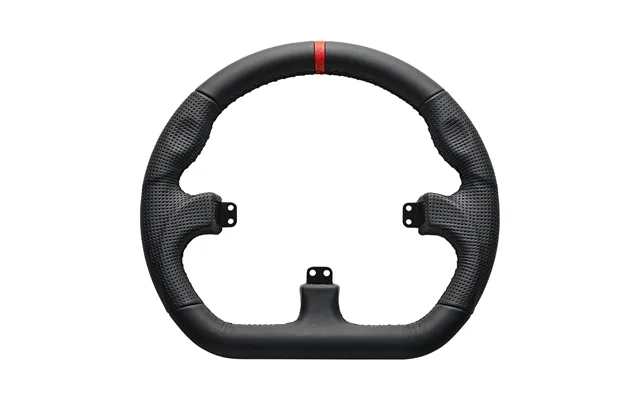
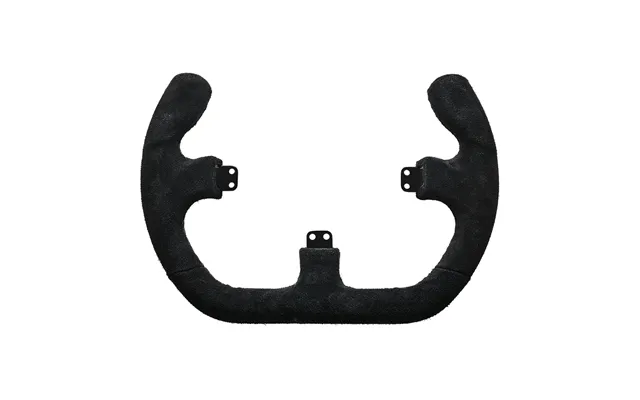
| Asetek 40-035-0035015 Gaming Controller Accessory Wheel Mod | £ 108,68 | |
| Asetek 40-035-0035012 Gaming Controller Accessory Wheel Mod | £ 108,68 | |
| Asetek 40-035-0035012 Gaming Controller Accessory Wheel Mod | £ 108,68 | |
| Asetek 40-035-0035015 Gaming Controller Accessory Wheel Mod | £ 108,68 | |
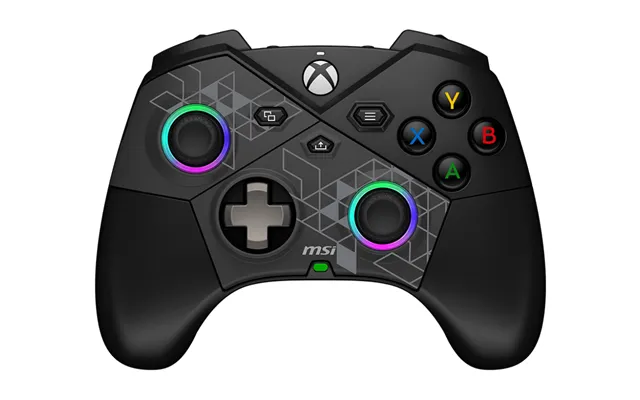
| Msi Force Pro W Controller Black Usb 2.0 Gamepad Analogue Digital An | £ 138,02 | |
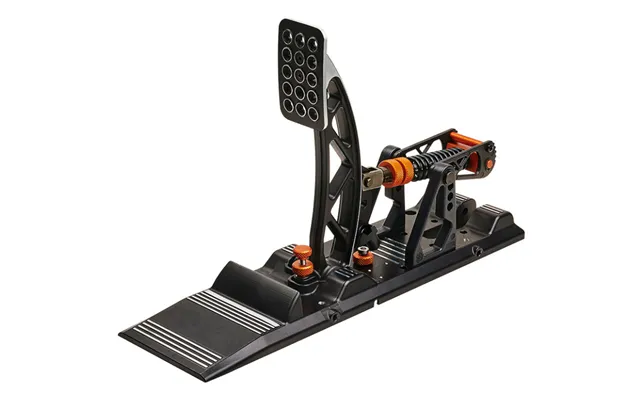
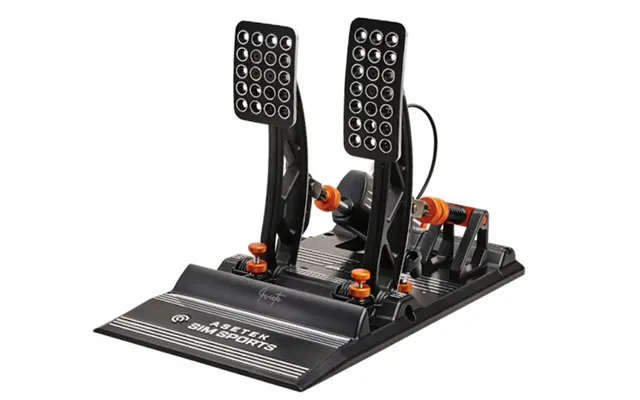
| Asetek 40-010-0000002 Gaming Controller Black. Orange. White Pedals Pc | £ 253,51 | |
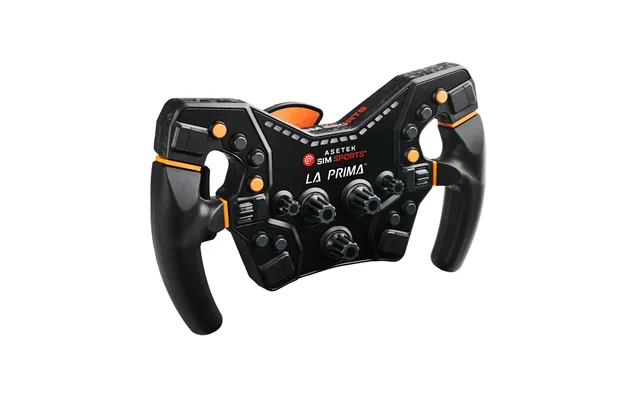
| Asetek La Prima Black Steering Wheel Pc | £ 311,42 | |
| Moza Racing R3 Bundle For Xbox & Pc | £ 329,58 | |

| £ 685,21 |