
Motor Vehicle Engines price list
Last updated Thursday, Sep 3, 2026
| Motor Vehicle Engines | Price |
|---|---|
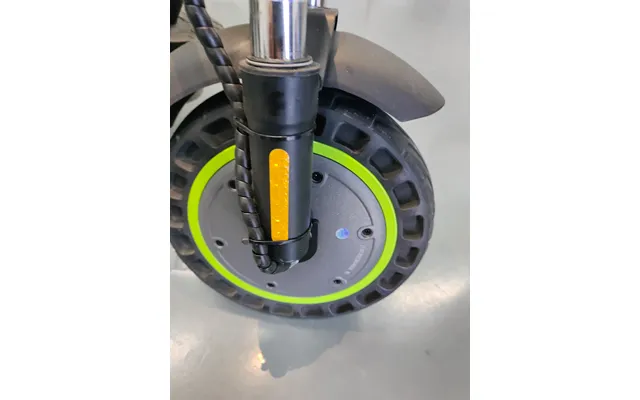
| Isinwheel New Motor Replacement For Electric Scooter S9max - Green | £69.99 |



View 4 Offers


Loading...
Last updated Thursday, Sep 3, 2026
| Motor Vehicle Engines | Price |
|---|---|
| Isinwheel New Motor Replacement For Electric Scooter S9max - Green | £69.99 |
Swapping or buying an engine is one of those decisions that feels like surgery: exciting, a little nerve-wracking, and expensive if you get it wrong. Whether you’re restoring a classic, replacing a worn-out mill, or chasing extra horsepower, the engine you pick affects reliability, fuel economy, and resale value. This guide helps you cut through jargon, read price lists like a pro, and spot the best offers on crate engines, remanufactured units, and performance builds.
These days engines are sold new, remanufactured, or as reconditioned cores, and comparison sites aggregate "popular offers" and price lists so you can quickly compare options from multiple sellers. Think of these platforms as flight search engines for engines: they show routes, times, and prices so you can pick the best fit without bouncing from site to site.
Not all engines are created equal. Listings usually fall into a few big categories—crate engines, remanufactured engines, long blocks and short blocks, and high-performance builds. Knowing the difference is the first step to a confident purchase.
Crate engines are complete, ready-to-drop-in powerplants sold in a crate. They typically include everything you need for a basic swap: engine accessories, gaskets, and sometimes intake and fuel components. If you want the least hassle and a predictable warranty, a crate engine is often the quickest route—think of it as buying a turnkey motor measured in cubic inches and horsepower.
Remanufactured engines are cores that manufacturers or specialist shops rebuild to spec. They’re cost-effective and can be nearly as reliable as new engines when done right. Reconditioned units might be less comprehensive than remanufactured ones, so be sure you know which parts were replaced or machined. Imagine getting a classic car’s heart rebuilt—if the shop addresses the wear points, you’re golden.
A short block includes the block, crank, rods, and pistons, while a long block adds the cylinder head(s) and cam assembly. Short blocks are ideal if you’re reusing ancillaries like intake manifolds and fuel systems; long blocks save time when more of the top end needs replacing. Think of them like a body kit vs. a complete package—one needs more parts to finish than the other.
When you scan an engine price list, some numbers should jump out: displacement, horsepower, torque, mileage (if used), and warranty. Comparing these across offers helps you get the best value for your money.
Displacement is often shown in cubic inches in classic and domestic markets—e.g., a 351 cubic inch V8—and horsepower and torque should be listed in hp and lb-ft. Torque in lb-ft is especially meaningful for daily driving and towing; a higher torque number usually translates to better low-end response. Look for engines that balance horsepower and torque for how you drive.
If a listing shows miles, note whether it’s total miles on the core or miles since rebuild. Weight will be given in pounds; heavy engines need proper hoists and mounts. Used engines with low miles can be bargains, but confirm service records and whether critical items like timing chains were replaced.
Beyond complete engines, listings often include related products: turbochargers, supercharger kits, ECU tuning boxes, performance heads, and accessory kits. These items let you tailor an engine to performance or economy goals without complete replacement.
Forced induction kits can turn a stock engine into a high-output performer. Offers might list complete kits that include the turbo or supercharger, intercooler, piping, and tune. These upgrades add horsepower and torque measured in hp and lb-ft, but they also raise stress on internals—plan for stronger rods and improved cooling when you go down this route.
An ECU remap or piggyback tuning module can unlock gains from bolt-on parts or forced induction. Many price lists include tuning packages as add-ons. This is one of the most cost-effective ways to extract real-world improvements in horsepower and throttle response—like tuning a musical instrument until it sings.
Price lists are often dense, but a few checks separate good deals from traps. Look for items included in the price, shipping costs, core charges, and warranty length. A low headline price might hide a core charge you’ll pay later, so always check the fine print.
Many remanufactured engine listings include a core charge—essentially a deposit returned when you send your old engine back. If a price list shows a $1,000 core charge, add that to your up-front cost unless you plan to return the core. Treat core-charged listings like rentals with refundable deposits.
A longer warranty can justify a higher price. Common warranty lengths on remanufactured engines range from six months to several years, often with mileage caps. Read the warranty terms: some cover internal failures but exclude ancillary parts like sensors and wiring harnesses.
Installation can make or break a project. Even the best engine can be ruined by poor fitment or incorrect connections. Check motor mounts, transmission bellhousing compatibility, and exhaust flange alignment before you buy.
If you’ve got a lift and a friend who’s done an engine swap, DIY can save money. But remember: engines can weigh hundreds of pounds and require precise alignment. Professional shops charge by the hour, but they bring experience and warranty on labor—sometimes worth every penny.
Replace wear items during the swap to avoid repeated labor costs. Typical add-ons include gasket kits, timing kits, water pumps, fuel injectors, sensors, belts, and hoses. These are small line items on a price list that yield big reliability dividends.
Never reuse old gaskets or timing components. A gasket kit replaces seals that are often the source of leaks after a swap, while a timing kit ensures valves and pistons stay in sync. Think of them as the bandages and sutures you need for a clean surgery.
Fuel injectors, ignition coils, and spark plugs should be inspected and often replaced during an engine swap. Many offers allow bundling these parts with the engine for a better combined price—check the listing to see if they’re included.
If your goal is more power, prioritize upgrades that deliver reliable gains: forced induction, upgraded camshafts, higher-flow heads, and a matched ECU tune. These changes increase horsepower and torque in measurable ways, but they must be balanced with cooling and fueling upgrades.
When you boost power, your cooling system has to keep up. Consider an upgraded radiator, higher-capacity fans, and a free-flowing exhaust. These items often show up in price lists as packages, and they’re essential—more power with poor cooling is like running a marathon in a parka.
Match the engine to your use case. Daily drivers benefit from torque and fuel efficiency; weekend toys prioritize peak horsepower. If you tow, pick an engine with strong low-end torque in lb-ft. If you’re restoring a classic, prioritize period-correct displacement in cubic inches.
For project cars you’ll modify, start with a robust short block you can build on. For daily drivers, a remanufactured crate engine with a solid warranty and low miles is usually the smartest choice. Budget accordingly—sometimes spending a bit more up front saves a lot of headaches later.
New or rebuilt engines need a break-in period and careful maintenance. Follow break-in procedures supplied by the builder: typical steps include changing oil after the first 500 miles, then again at the first 1,000 miles, and using recommended oil weights. Keep records—they boost resale value and help with warranty claims.
Use manufacturer-recommended oils and coolant types. Service intervals remain measured in miles, so stick to them—regular oil and filter changes, coolant checks, and inspections of belts and hoses keep the engine running well. Treat the first 1,000 miles after installation like a probation period: frequent checks and conservative driving pay off.
Comparison sites aggregate popular offers and price lists so you can filter by price, warranty, and condition. Use filters for engine displacement in cubic inches, warranty length, and included accessories. Set alerts for price drops—engine deals appear seasonally and when shops clear inventory.
Sellers sometimes bundle engines with accessory kits, installation credits, or discounts during slow seasons. Package deals can offer big savings if you need all the parts anyway. Think of it as buying a combo meal instead of a la carte—sometimes the bundle is the better value.
Be cautious when a listing lacks photos, detailed specs, or clear warranty information. Vague descriptions like "runs good" without mileage or test documentation are warning signs. Verify seller reputation and request compression or leak-down test results when buying used or remanufactured engines.
Ask for core history, mileage since rebuild, included parts, warranty terms, and test results. If you’re buying a performance build, request dyno numbers. A reputable seller has no trouble answering these questions—if they dodge them, walk away.
Buying a motor vehicle engine is a mix of technical checks and savvy shopping. Use price lists and comparison tools to narrow options, prioritize warranty and included parts, and plan installation and break-in carefully. With the right approach, you’ll find an engine that fits your vehicle, budget, and driving goals—without the buyer’s remorse.
Remember: engines are investments. Do the homework, ask the right questions, and treat the swap like a long-term commitment. That way, the roar under your hood becomes a source of pride, not stress.